
 English
  Polski
  Deutsch
  Nederlands
  Svenska
  Norsk
Norsk  Dansk
Dansk  Français
  Italiano
  Español
  Português
  Slovenčina
  Suomi
Suomi  Gaeilge
 Five Plants That Aren’t Worth Starting from Seed and What to Choose Instead
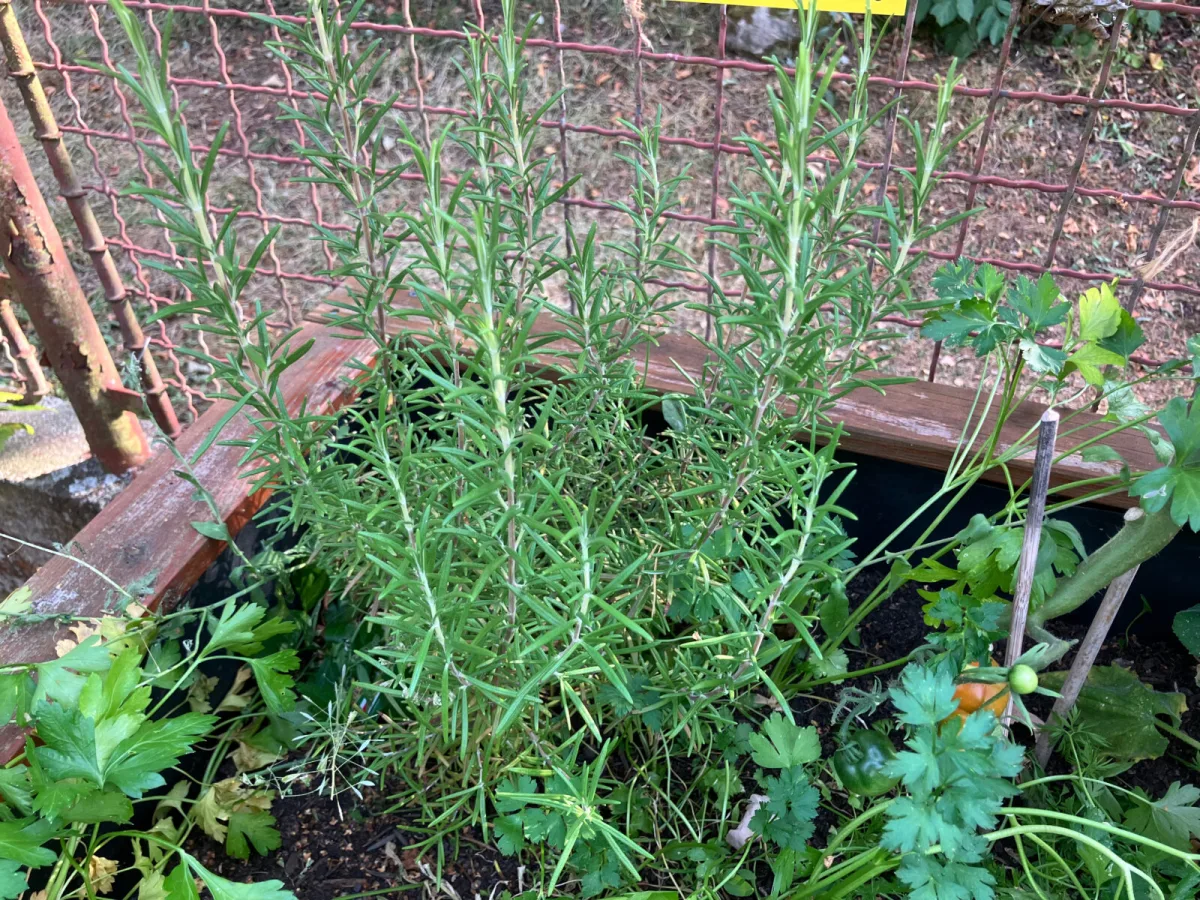
Raising plants from seed can save money, and for many gardeners it’s also a satisfying challenge. Even so, there are plants where sowing is needlessly slow, unreliable, or demanding about conditions. Sometimes the seeds germinate very slowly, other times the success rate is low, and it often happens that the finished plant doesn’t match what the seed packet promised. With some crops, the journey from seed to harvest is so long that it simply doesn’t make sense for typical home growing.
Choosing wisely what to sow and what to buy as a young plant can make the difference between a relaxed season and one full of disappointment. The following five plants are usually best bought as established plants, or propagated vegetatively.
Mint is slow from seed and often surprises you with a different flavour
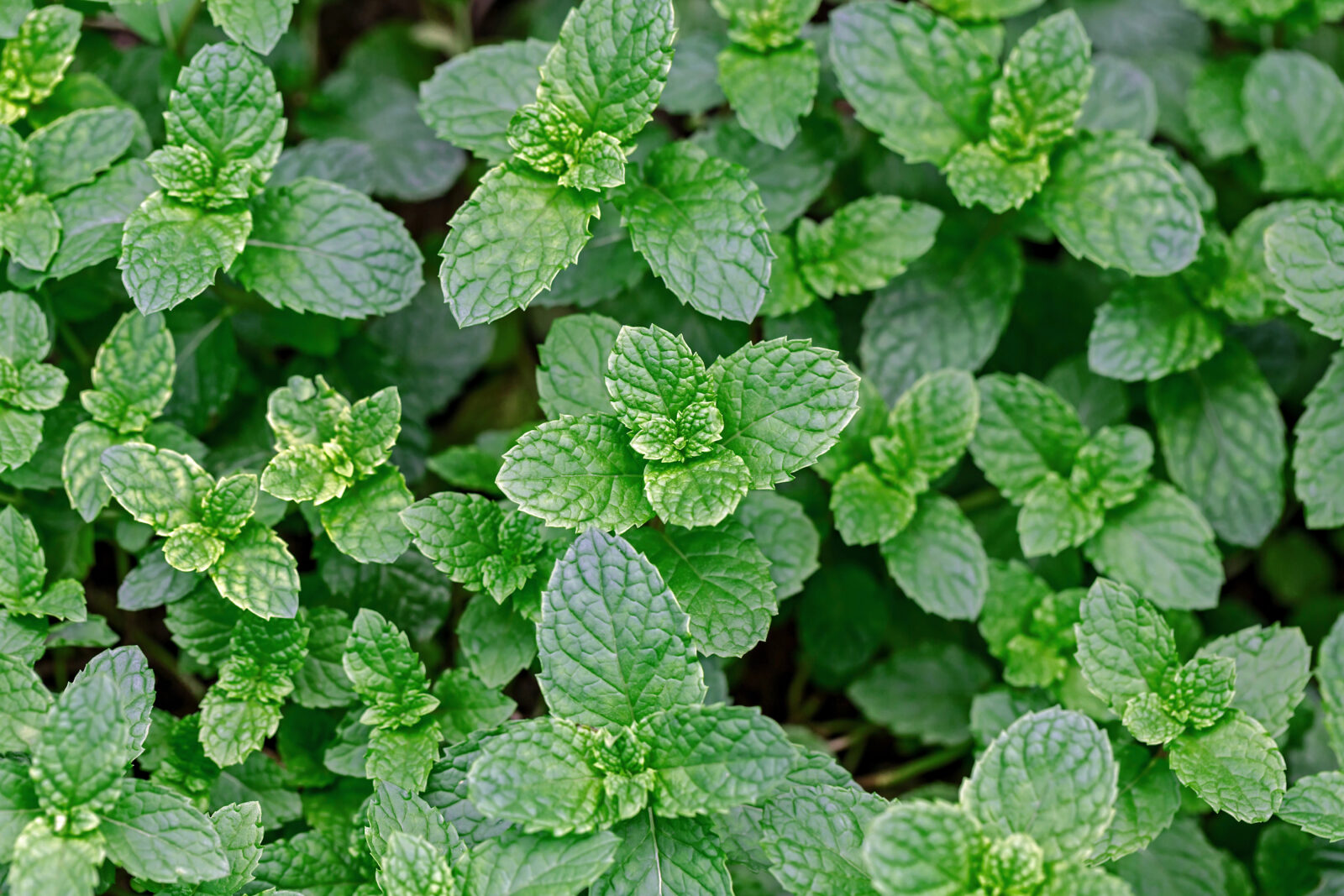
Mint is known for spreading readily, but it can germinate slowly from seed and, more importantly, it doesn’t reliably retain the characteristics of a particular variety. In practice, that means the plant you grow may have a weaker scent, a different taste, or a different aroma than you expected.
It’s more practical to buy a young plant or take a cutting. Mint is one of the easiest herbs to propagate. Simply snip off a healthy stem, place it in water, and wait for roots to form, then pot it up into compost.
Growing tip: It’s sensible to keep mint in its own pot, because it can quickly spread and crowd out other plants.
Rosemary from seed takes a long time to germinate and success isn’t guaranteed
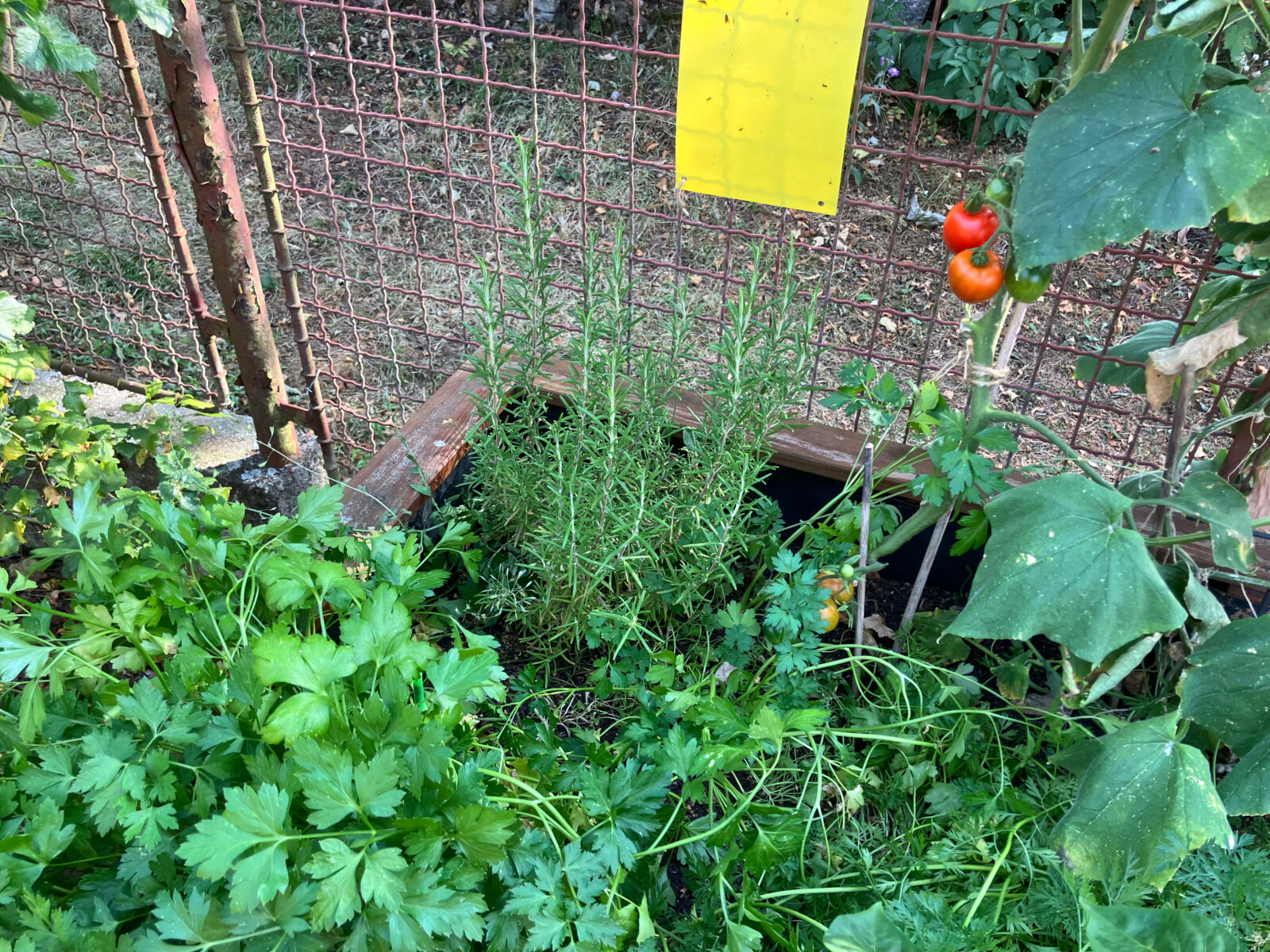
Rosemary may look like an easy-going Mediterranean herb, but sowing it from seed is often a test of patience. Germination can take many weeks, sometimes even months, and even with good conditions the success rate is often low. For home growers, that can mean a lot of waiting for very little reward.
A better option is to buy a small plant or propagate rosemary from a cutting. Take a healthy shoot roughly 10 to 15 cm long, strip off the lower leaves, and insert it into moist compost. With steady moisture and warmth, it will root gradually.
In cooler areas, rosemary often won’t survive winter outdoors, so it’s practical to grow it in a container and move it to a bright, cooler room for the winter months.
Growing garlic from seed takes years and doesn’t make sense for an average garden
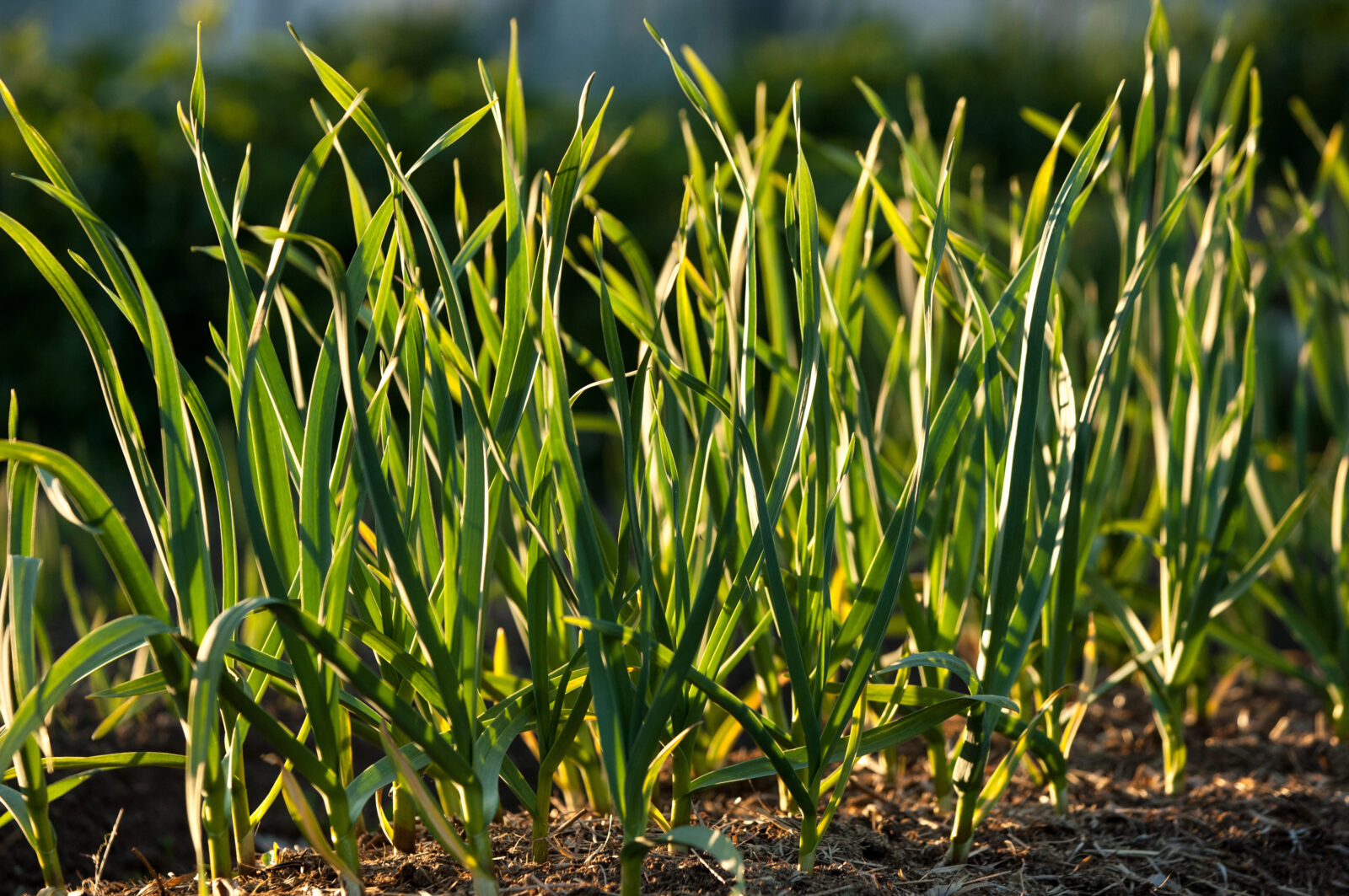
With garlic, seeds can theoretically be used, but in practice they’re almost never sown. The path from seed to a proper bulb is slow and can take several years. For most home gardeners, it’s an unnecessary long-term commitment with no clear benefit.
It’s far easier to plant individual cloves or whole bulbs intended for planting. Most often, garlic is planted in autumn so the plants can root well and produce a crop the following summer. With good timing and standard care, garlic is reliable and consistent.
Practical note: One bulb provides several cloves, meaning planting material for multiple plants, so it’s easy to expand your patch without sowing.
Potatoes from true seed are unpredictable and the crop may not be uniform
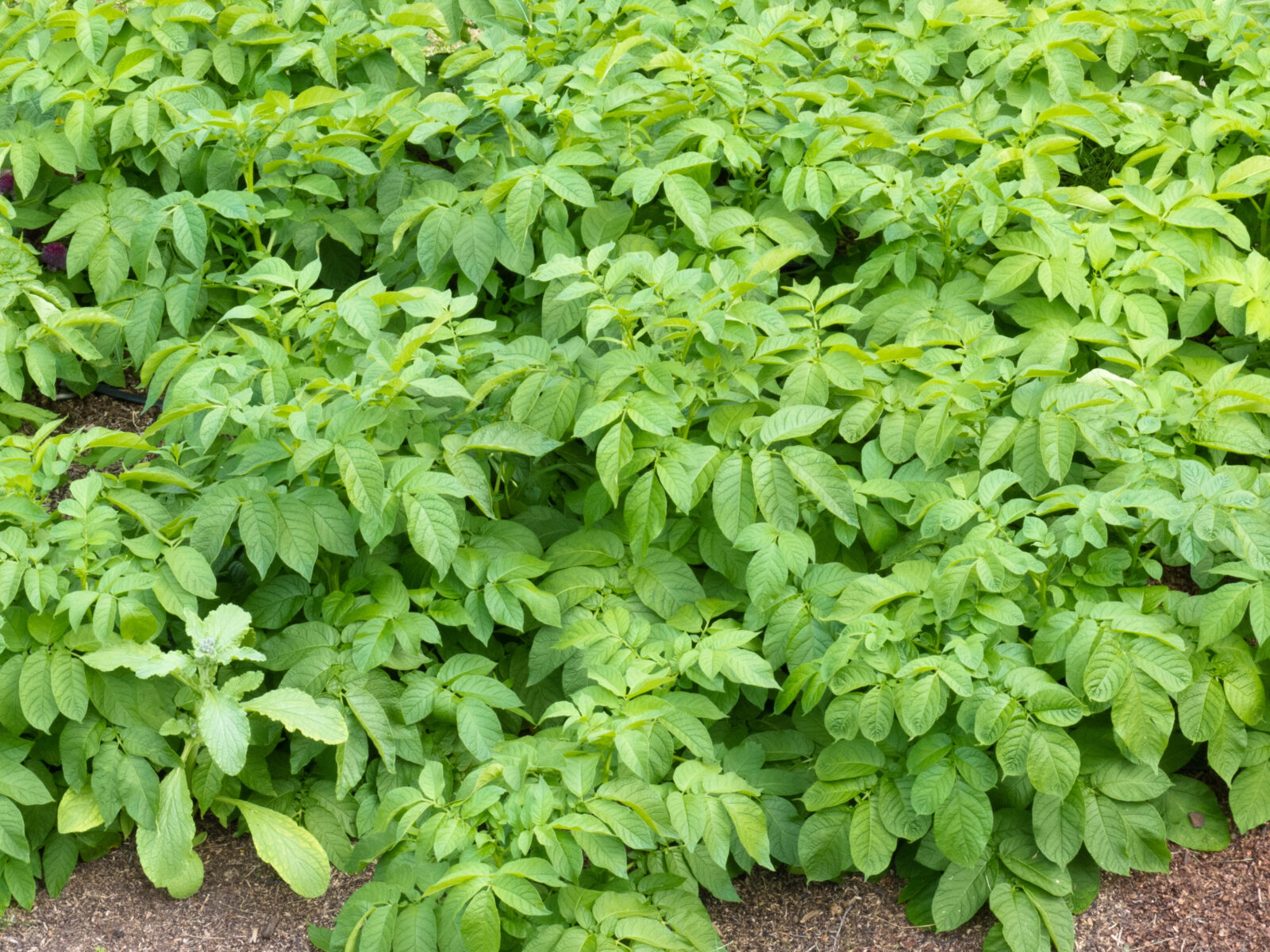
Potatoes can be propagated from so-called true seed, but this approach often leads to uneven results. Plants can differ in vigour, yield, and tuber quality. What’s more, it can be easier for unwanted issues to show up, such as health problems in the crop.
For a more dependable harvest, it’s better to use certified seed potatoes from a reputable source. Certified stock is inspected and disease-free, which boosts the chances of success even for beginners. If you don’t have a bed, you can also grow potatoes in a sack, a large container, or a potato growing bag, where good care can produce a surprisingly decent yield.
Strawberries from seed take time and often don’t fruit in the first year

Strawberries are slow to get going from seed, and it’s not unusual for them to produce very little in the first year. They also usually need a long head start indoors and fairly precise conditions to help the young plants establish well. For growers wanting quicker results, it can be unnecessarily complicated.
It’s simpler to buy young plants, or use runners. Runners are long horizontal stems that mature plants naturally produce. When you peg a runner down into soil or into a neighbouring pot, it roots easily and creates a new plant at no extra cost.
Strawberries also do very well in containers, so you can grow them successfully on a balcony or patio, where it’s easy to manage watering and keep the fruit clean.
How to save yourself hassle and enjoy a more successful season
Sowing has its place, especially with vegetables and flowers that germinate quickly and reliably. But for the five types above, it usually makes far more sense to choose young plants, cuttings, cloves, seed potatoes, or runners. You’ll save time, avoid the disappointment of poor germination, and often get a more predictable result.
If you’re just getting started, the best approach may be to choose an easier beginning and gradually add more demanding sowings once you’ve dialled in your conditions, watering, and routine care. That way, gardening feels more like a pleasure than a fight to keep every seedling alive.
Source: DUG.org, GrowVeg, Pestrazahrada.cz

A lover of nature, gardens, and everything that moves, blooms, or grows. He literally grows everything, from herbs to rare species, and he enjoys caring for animals just as much. In his work, he connects modern technology with tried-and-tested grandmotherly methods and is happy when both paths lead to the same goal.
Related articles
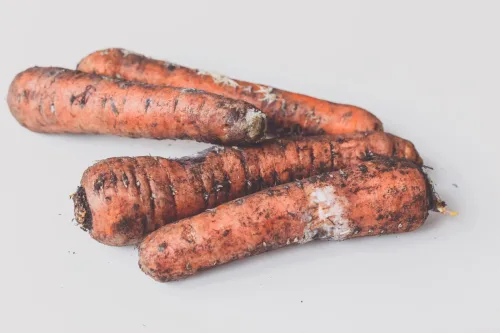
Next year you can harvest better if you don’t sow carrots where they won’t thrive
Carrot root fly can ruin carrots, parsley and celery from the inside out, often without obvious warning until harvest. Better site choice, rotation, later sowing and simple physical barriers can dramatically cut damage next season.
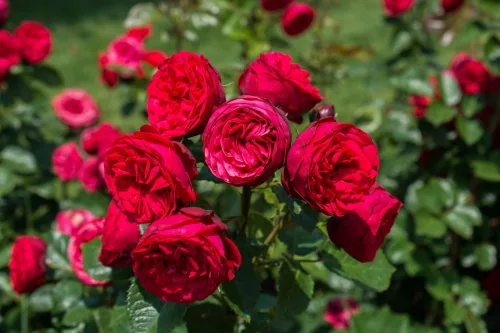
How to Propagate Roses from Cuttings at Home and Fill Your Garden with Blooms Almost for Free
Want more roses without paying for new plants? With a few healthy cuttings and a simple plastic-bottle mini greenhouse, you can root new bushes at home in just a few weeks.
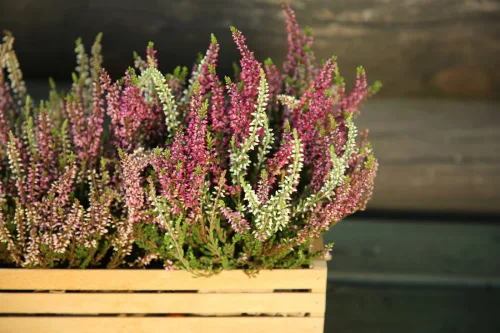
Heathers can cope where other plants won’t, but one soil detail decides everything
Heathers and heaths are tough evergreen shrubs that can flower across the seasons when you choose the right types. Success hinges on matching the plant to your soil pH and ensuring free drainage.
Comments (0)
Be the first to comment.