
 English
  Polski
  Deutsch
  Nederlands
  Svenska
  Norsk
Norsk  Dansk
Dansk  Français
  Italiano
  Español
  Português
  Slovenčina
  Suomi
Suomi  Gaeilge
 Extreme Heat Threatens Vegetable Harvests in the Garden
When summer brings repeated warnings about extreme temperatures, most growers focus mainly on watering. But with fruiting vegetables, something even more important often decides the outcome: pollen. Without viable pollen, pollination doesn’t happen, flowers drop, and instead of a harvest you’re left with vigorous leafy growth. From the outside the plant may look healthy, but inside the flowers, heat triggers a problem you can’t see at first glance.
What happens inside a flower when temperatures get too high
Vegetables have been bred for generations to perform within a certain temperature range. Once conditions sit outside that range for too long, the plant starts conserving energy—and the most sensitive part is the developing flowers. Extreme heat can damage or completely destroy pollen grains before the flower even opens, making the blossom non-functional from the start. And even if pollen is released, during prolonged high temperatures it often fails to germinate on the stigma, so fertilisation still doesn’t occur and flowers, along with tiny fruitlets, drop.
Complications also arise when heat combines with high humidity. Instead of remaining a fine dust, pollen clumps into a sticky mass that pollinators struggle to move. Thirdly, extreme temperatures can deform flowers as they develop, and the plant may shed these blossoms before they ever reach the pollination stage.
When heat becomes risky—and why nights matter
An occasional hot day usually won’t cause a disaster. Trouble starts when temperatures stay high continuously. Growth and fruit set can slow at temperatures above roughly 29 °C, but the real risk of sterile pollen comes during spells where daytime highs sit around 35 °C or more for a week or longer.
Night temperatures play a crucial role. Plants can often recover if it cools down significantly at night. But when nights remain warm—around 24 °C and above—the likelihood of pollen damage rises sharply, and the problem can linger even after daytime heat eases for a while.
Which vegetable crops are most often affected
Peppers
Peppers tolerate warmth relatively well and often hold on to flowers and fruit longer than other crops. Problems typically show up only during very hot days above about 35 °C, especially if it repeats for several days in a row. The most reliable indicator, though, is still warm nights.
Tomatoes
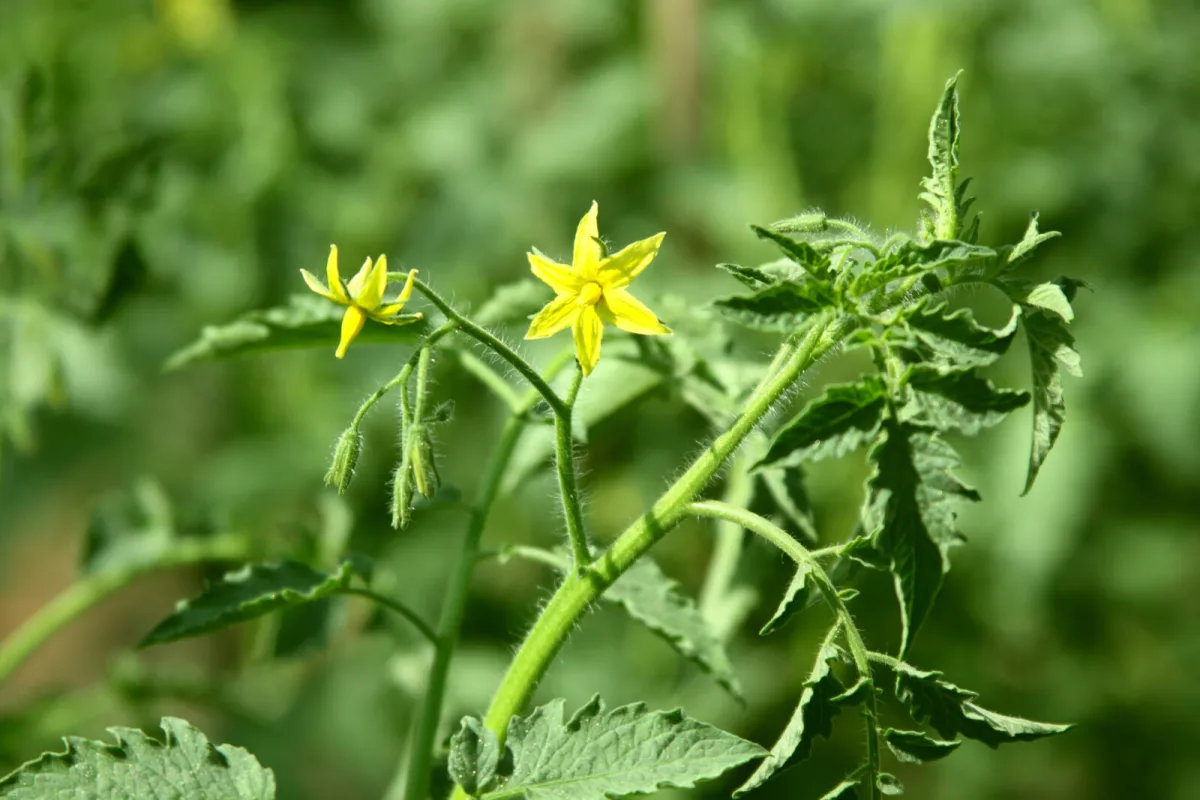
Tomatoes tend to be more sensitive to heat and react faster. Even in temperatures only slightly above a normal summer range, they may drop flowers damaged by heat. The result is classic: the plant is large and full of blooms, but there are very few fruits because the pollen couldn’t do its job.
Aubergines
Aubergine, another member of the nightshade family, often reacts similarly. As soon as daytime highs climb into the 30s and heat persists, it can shed flowers and even newly set small fruits.
Beans
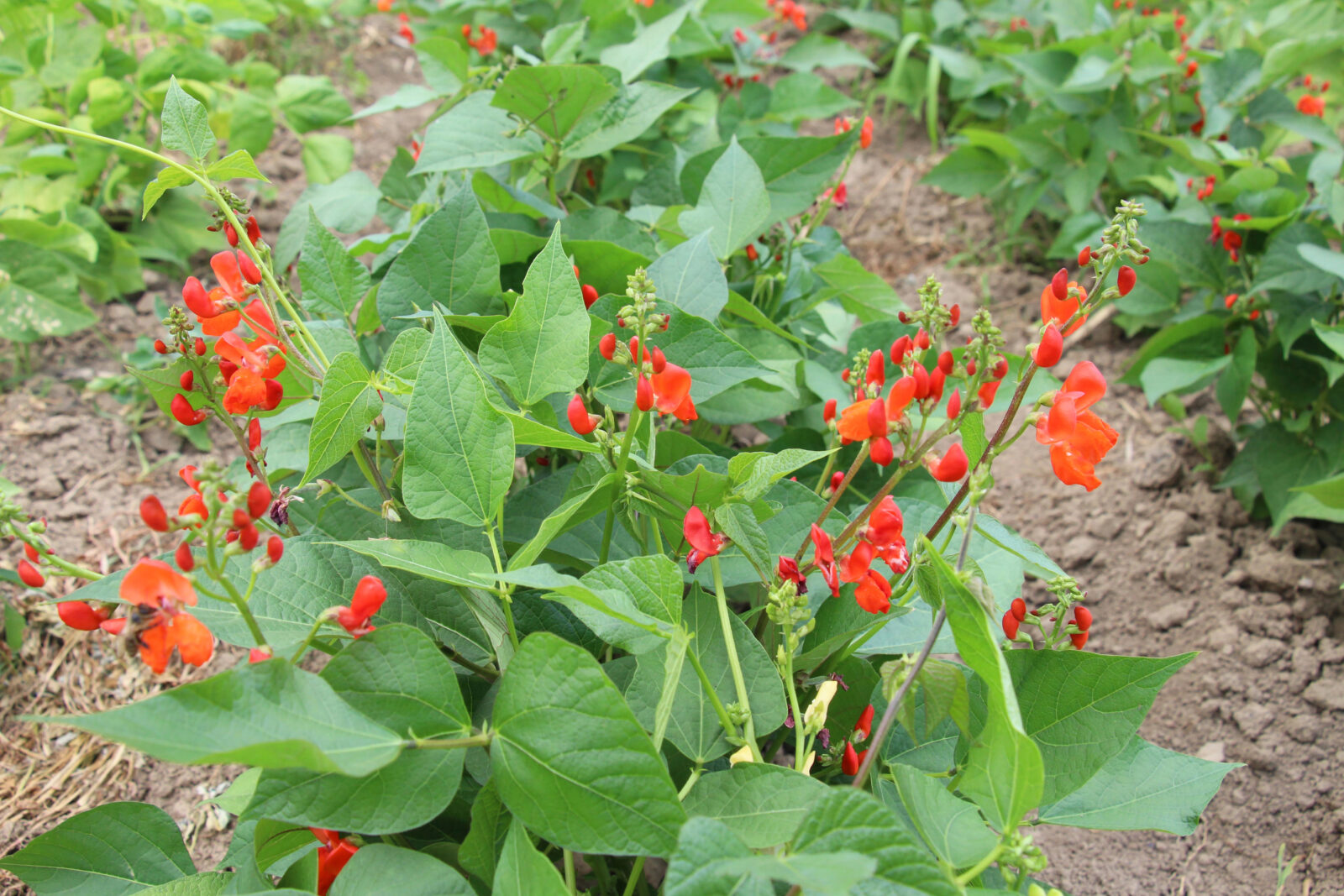
Beans look tough and usually cope with short bursts of heat, but during a truly intense heatwave they can abort flowers just like other crops. Once temperatures hold around 35 °C and above for an extended period, pod set slows down or stops.
Squash and courgettes
With cucurbits the mechanism is a little different. Their flowers open for a short time and pollen must remain usable at exactly the right moment. The blooms naturally maintain a slightly humid microclimate inside so pollen doesn’t dry out. But extreme heat combined with drought can dry pollen before the flower opens, so even with pollinators present, success rates are low.
How to help your garden keep producing through heat
Mulch as the first line of defence
Mulch dramatically slows water evaporation, so soil doesn’t dry out as quickly and roots suffer less from overheating. That’s key, because an overheated root zone increases stress and the plant sheds flowers more readily. Mulch also protects soil structure—on bare beds, heat can make soil harden and crust over, so it takes up water less effectively. If you already mulch, it’s worth checking whether the layer is still thick enough, because it settles and breaks down over time.
Avoid heavy pruning for now
During extreme temperatures, it’s not a good idea to pinch out or prune plants hard. Any such intervention adds stress, and you also remove leaves that shade fruit and soil and help the plant regulate water loss. In hot weather, good leaf cover can be the difference between holding flowers and dropping them.
Water deeply—but soil checks decide the timing
Deep watering is right, but the general advice to water infrequently can backfire in heat—especially in raised beds or light soils where water drains quickly. It’s practical to check moisture daily: pull back the mulch, look at the soil colour, and push a finger deeper. If it’s dry a few centimetres down, it’s time to water again—every other day or even daily, depending on conditions.
Regular harvesting keeps plants producing
A plant’s goal is to complete reproduction. Once you let several fruits fully ripen, it gets the signal the job is done and may reduce further flowering and fruit set. That’s why it pays to pick often, especially during heat when setting new fruit is harder work. With tomatoes and peppers, it also helps to remember that once they’ve reached full size, they can continue ripening off the plant, so there’s no need to leave them on the bush until fully coloured.
The most effective help is surprisingly simple—shade
One of the best tools is shade cloth. It’s a breathable fabric that blocks part of the sun’s radiation and reduces heat stress in both plants and soil. For fruiting vegetables, around 30–40% shade is often suitable, while heavier shade is better reserved for genuinely cool-loving crops.
Shade is best used during longer hot spells—typically when heat lasts more than a few days in a row. Once it cools, it’s a good idea to remove the cloth so plants get enough light again for growth and fruit development. It’s also important not to lay the fabric directly on the plants. Wind can snap shoots, scuff fruit, and the crop can grow into the material. A simple frame to drape the cloth over works better.
Even in a hot summer you can harvest—if you give pollen a chance
Heatwaves can turn a promising garden into a green backdrop with no crop, but it’s usually not irreversible. If you keep soil cooler and more evenly moist, avoid weakening plants with unnecessary pruning, water intelligently, harvest regularly, and add shade during prolonged heat, you greatly improve the chances that flowers won’t stay empty and your vegetables will keep setting fruit even in challenging weather.
Source: Rural Sprout, The Spruce, GrowingVeg, Pestrazahrada.cz

A lover of nature, gardens, and everything that moves, blooms, or grows. He literally grows everything, from herbs to rare species, and he enjoys caring for animals just as much. In his work, he connects modern technology with tried-and-tested grandmotherly methods and is happy when both paths lead to the same goal.
Related articles
You Can Remove a Hornet Nest Without a Permit If You Meet Legal Conditions
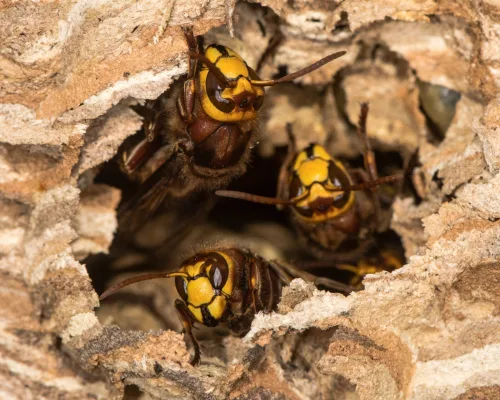
Home and garden owners often worry whether removing a hornet nest could put them on the wrong side of the law. In the Czech Republic, the European hornet is generally protected, but it is not a specially protected species, so removal is usually possible when there is a genuine safety risk.
Grandma’s Favourite Flower Is Back and It’s Surprisingly Easy to Grow
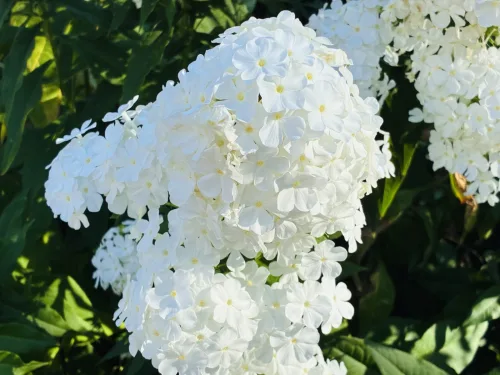
Phlox is a classic cottage-garden perennial that brings rich colour, fragrance, and pollinators into the border with minimal fuss. Choose the right spot for the species, keep moisture even, and you’ll be rewarded with weeks of bloom.
A Simple Plant Propagation Trick That Will Fill Your Garden With Cuttings
Propagating plants can be surprisingly easy when you keep cuttings consistently moist without letting them dry out. This simple plastic-bag method creates a humid microclimate that encourages fast rooting using everyday household items.
Comments (0)
Be the first to comment.