
 English
 Polski
 Deutsch
 Nederlands
 Svenska
 Norsk
 Dansk
 Français
 Italiano
 Español
 Português
 Slovenčina
 Suomi
 Gaeilge
What to Do with Chrysanthemums in November So They Last Longer

Chrysanthemums are among the most striking flowers of late autumn. They brighten gardens, courtyards, patios and memorial sites at a time when most other plants are already losing colour and vigour. Although they are fairly tough, once cold nights arrive they need the right care. If you know what to do with them in November, you can extend their beauty and, in many cases, save them for the next season.
Autumn feeding helps before winter
One of the most important steps is topping up nutrients before harder frosts arrive. Fertiliser is best applied after rain or watering, when the soil is moist and nutrients can reach the roots more easily. A good choice is superphosphate at 40–50 g per square metre, plus 25 g of potassium sulphate. This feed helps the plants ripen and improves their resilience through the winter months.
Protection from cold will extend flowering
As soon as the first real cold snap arrives and nights dip below freezing, it’s worth covering chrysanthemums overnight. This allows them to bloom longer and protects them from sharp temperature swings. A simple breathable cover will do, shielding both flowers and foliage. Polyethylene, on the other hand, is unsuitable because the plant can’t breathe properly underneath and may suffer from excess moisture.
Some varieties won’t survive winter outdoors
Not all chrysanthemums can cope with frost in the border. The more sensitive ones are usually large-flowered and dwarf varieties often sold in pots. These should be cut back before winter, lifted from the ground and stored in a dark, cool place. Ideally, keep them at around 4–6 °C. These conditions help the plant overwinter without unnecessary stress.
How to prepare frost-hardy chrysanthemums

Even the hardier types benefit from basic preparation. Once they have finished flowering completely, remove most of the stems and leave only the main parts about 15 cm long. Then mound soil up around the base to create a protective layer over the roots. Healthy, strong clumps cope better with winter this way and will sprout again in spring.
Chrysanthemums from a pot or a grave can be kept at home
If you’ve brought home potted chrysanthemums, you can overwinter them indoors or in a cooler utility room. After flowering, cut them back to about 10–20 cm and move them to a cellar, garage or another bright space where temperatures don’t drop below zero. Water very sparingly through winter. Before each watering, check that the compost is genuinely dry a few centimetres below the surface.
Towards the end of February and into March, you can move the pots to a warmer spot and gradually increase watering. New shoots will soon appear, which is a sign the plant can be divided into smaller pieces and repotted into fresh compost.
Planting into the garden is possible, but not always reliable
Potted chrysanthemums can also be planted out into the ground before winter. Success, however, depends on the variety and how the winter develops. As a rule, small-flowered chrysanthemums tend to be hardier than large-flowered types. Before planting, shorten the shoots, water the plant well, and after planting mulch around the roots with a layer of bark or evergreen boughs. In a milder winter, plants treated this way have a decent chance of making it through to spring.
If the plant doesn’t survive, it can still go on the compost
Dried out or frost-damaged chrysanthemums don’t need to be automatically thrown away. They can become a valuable addition to the compost heap, producing quality material for beds in spring. It’s another sensible way to make use of the plant.
You can easily propagate chrysanthemums
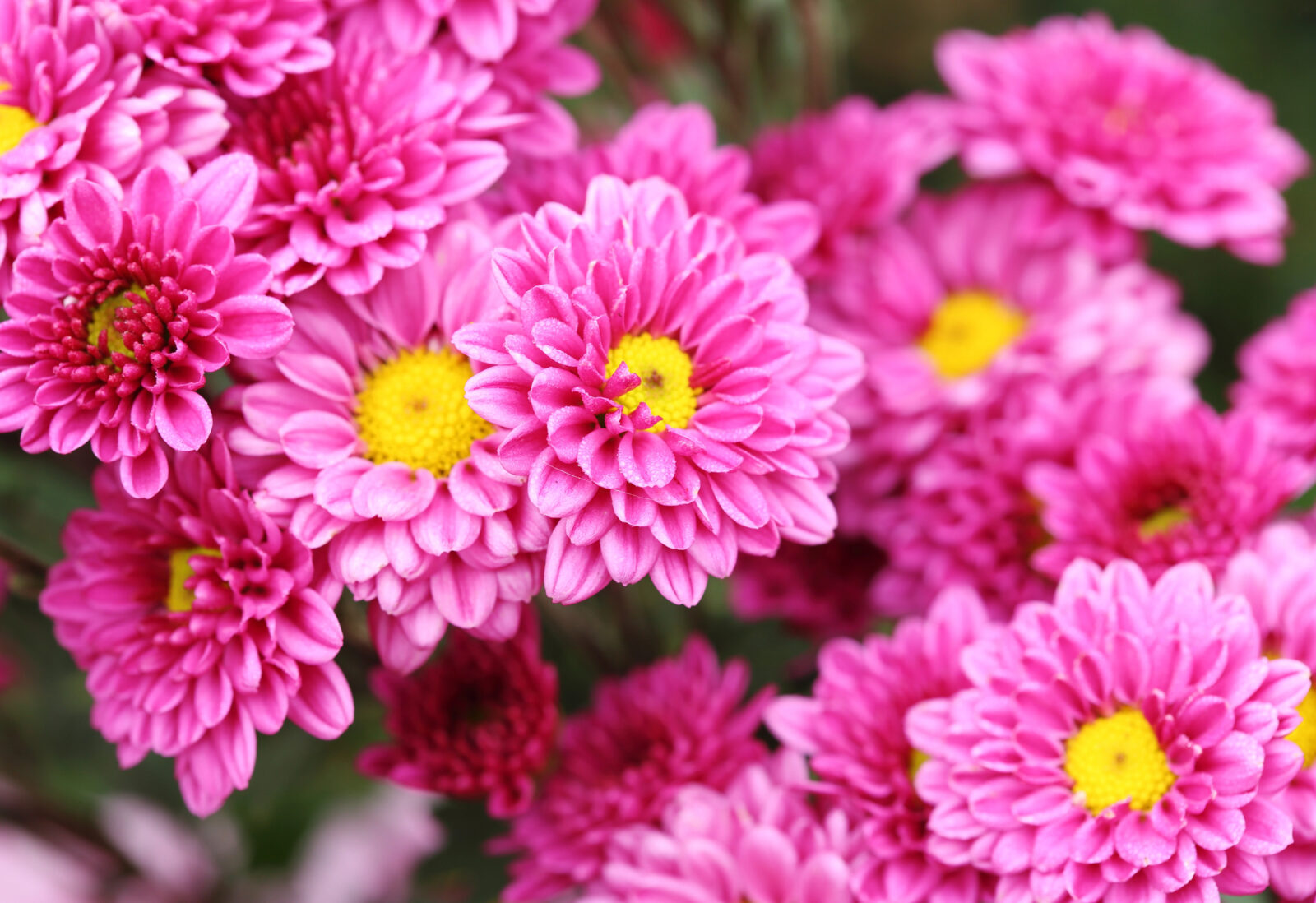
These popular autumn flowers can also be grown from cuttings. Simply divide a stem into smaller pieces, or use side shoots. It’s best to dip the cuttings in water first and then in a rooting hormone. Then plant them about 1 cm deep in a standard neutral compost. Moisten the compost lightly and cover each container with a bag to keep humidity in.
They root best in a bright place at around 25 °C. After roughly three weeks they begin forming roots and new shoots appear. In spring, once temperatures rise, the young plants can be planted outside and grown on into your own abundantly flowering chrysanthemums.
Source: Gardening Know How, To je nápad, Martha Stewart, Pestrazahrada.cz

A lover of nature, gardens, and everything that moves, blooms, or grows. He literally grows everything, from herbs to rare species, and he enjoys caring for animals just as much. In his work, he connects modern technology with tried-and-tested grandmotherly methods and is happy when both paths lead to the same goal.
Related articles
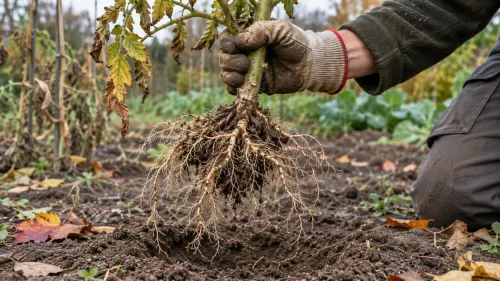
Why Leave Old Plant Roots in the Bed Instead of Pulling Them Out
Instead of yanking out healthy spent plants, cut them off at soil level and leave the roots to break down in place. It improves soil structure, feeds soil life, and saves time with no downside in most beds.
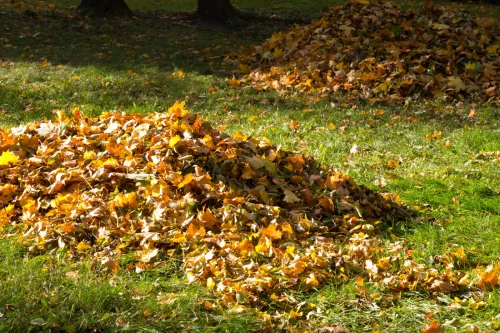
Experienced gardeners don’t throw leaves away and use them in six smart ways
Fallen leaves are a valuable, free resource that feeds soil life, improves structure, and protects plants. Use them as mulch, compost, leaf mould, lawn feed, winter insulation, and wildlife habitat.
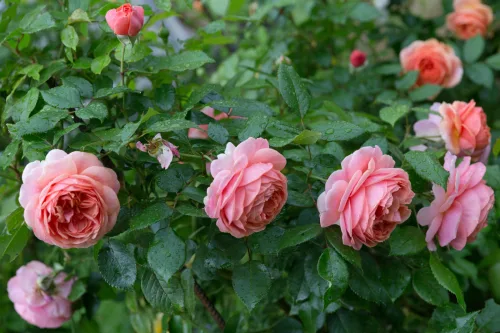
A Winter Soil Mound Protects Roses but Where You Take the Soil From Matters
Mounding soil around roses for winter works only if you don’t scrape it from right at the plant. Taking soil from elsewhere protects the graft union without exposing or damaging shallow roots.
Comments (0)
Be the first to comment.