
 English
  Polski
  Deutsch
  Nederlands
  Svenska
  Norsk
Norsk  Dansk
Dansk  Français
  Italiano
  Español
  Português
  Slovenčina
  Suomi
Suomi  Gaeilge
 Edible Flowers for Beds and Balconies and How to Harvest Them
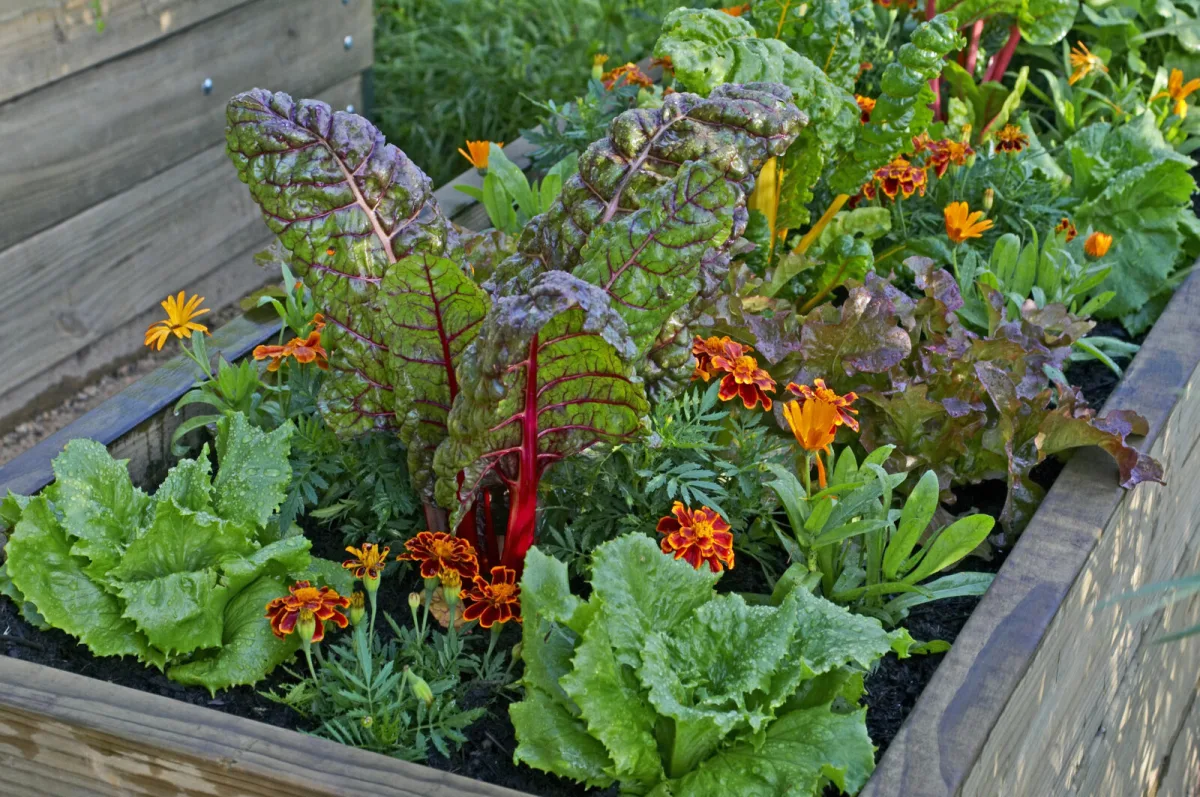
Edible flowers can turn an ordinary meal into a memorable experience. They add colour, fragrance and a subtle flavour note to salads, spreads, soups, main dishes, desserts and drinks. Beyond their visual appeal, they often bring practical benefits in the garden: many attract pollinators, support biodiversity, and some even help deter pests. But for edible blooms to be truly safe and enjoyable, a few rules matter, from choosing the right plants to harvesting and storage.
Safety comes first
Correct identification is essential. If you are not completely sure of the species or cultivar, do not eat the flower. Not every ornamental plant is edible, and even with edible species only certain parts may be suitable to eat, most commonly the petals. For kitchen use, grow flowers without chemical treatments and avoid plants from florists or standard garden centres unless they are specifically intended for culinary use. Flowers can carry residues from sprays and waxes that you do not want to ingest. Extra caution is also sensible for people with pollen allergies and for children; try new kinds in small amounts.
A practical rule: Only eat what you can identify with confidence, have grown without pesticides, and have harvested from a clean environment away from roads and polluted areas.
How to get started with growing edible flowers
The easiest way to begin is with plants that grow quickly and cope well with typical conditions: nasturtiums, calendula, borage or pansies. For balconies, chives, begonias (edible types) or lavender are also good choices. Most edible flowers love sun, though some will manage in part shade. Good soil and sensible watering are key: waterlogging reduces both fragrance and firmness, while prolonged drought shortens the flowering period. If you grow in containers, choose an airy potting mix and feed regularly with gentle organic fertilisers, as frequent watering leaches nutrients.
For the longest possible picking season, combine plants with different flowering times from spring through autumn. Regularly pinching off spent blooms also helps by encouraging new flowers. With herbs, let some plants flower on purpose: the blossoms often have a more concentrated aroma than the leaves, and you need only a small amount in the kitchen.
Reliable edible flowers for Central European gardens
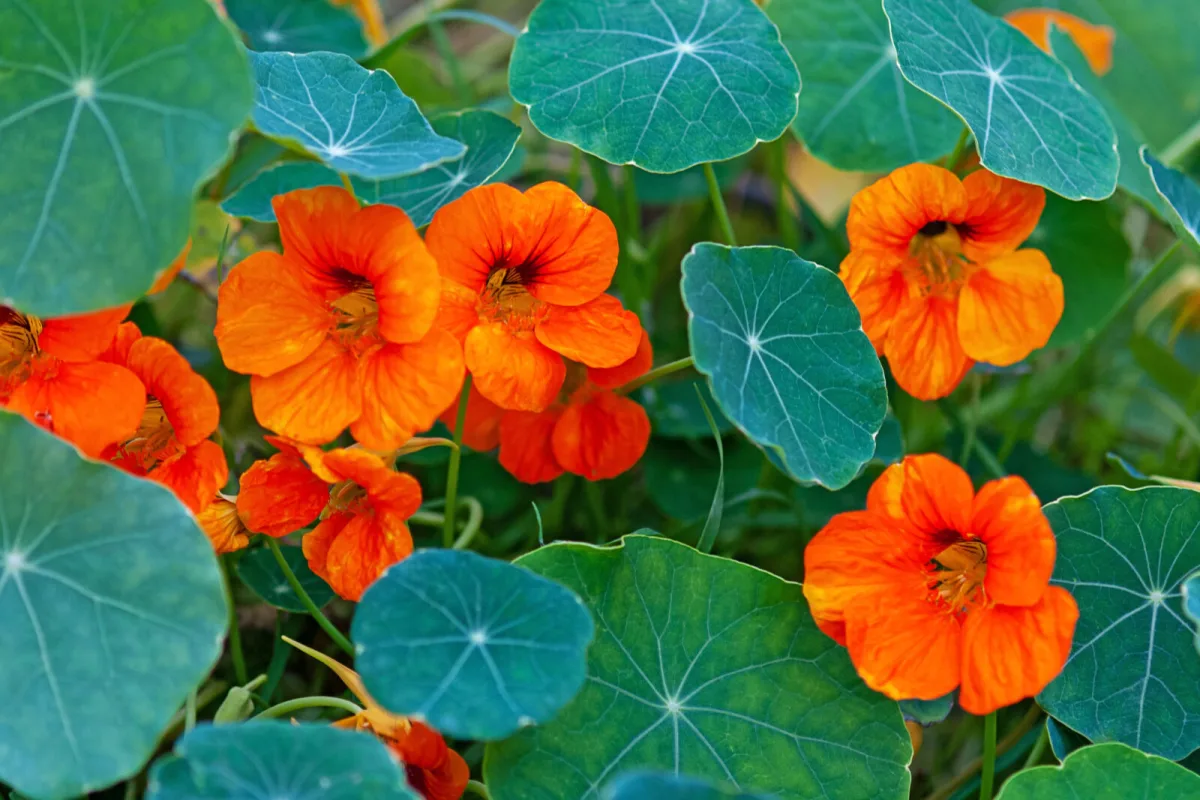
Nasturtium
One of the most popular edible flowers. It has a gently peppery flavour that brightens salads, pasta and spreads. The flowers, leaves and unripe seeds are all edible, and the seeds can be pickled. It is easy to sow, best in a sunny spot; in soil that is too rich it produces more leaves than flowers.
Calendula
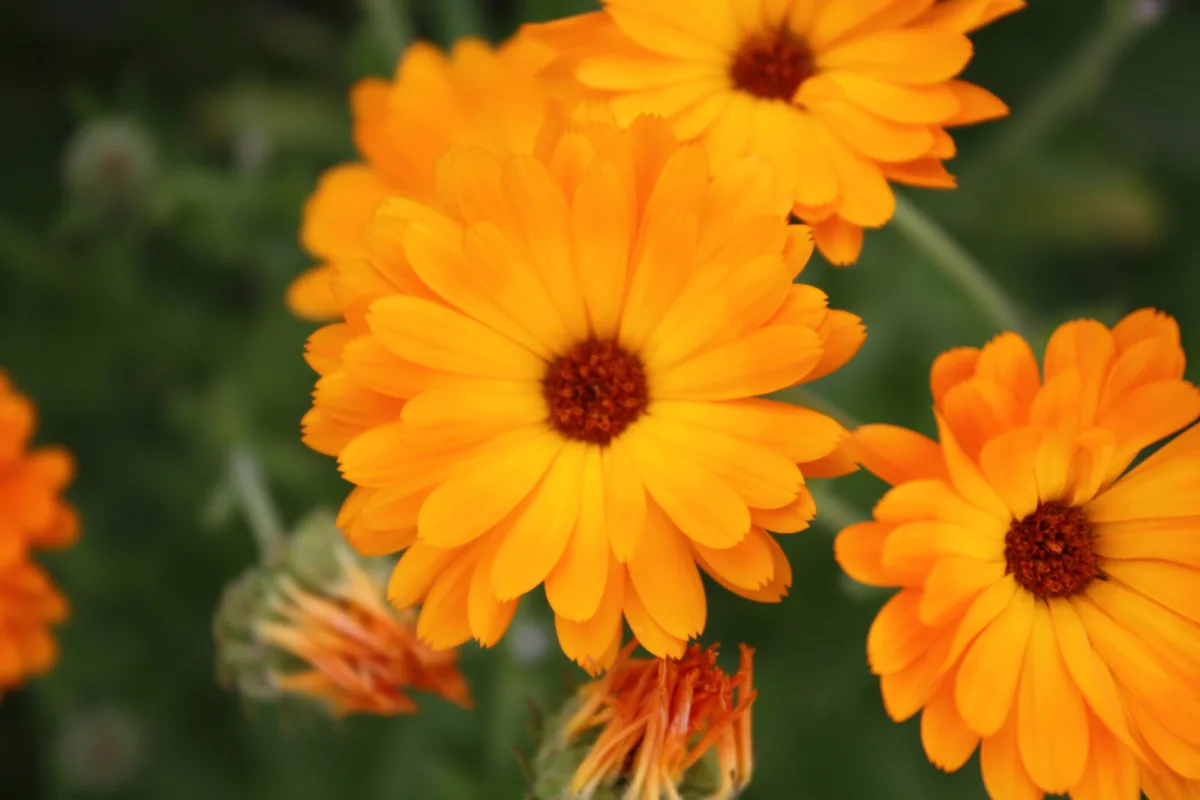
Calendula brings strong colour and a more spiced, lightly peppery note with saffron-like nuances. The petals are used most often in soups, rice, pasta or herb butter. It is an undemanding annual that flowers for a long time if you keep removing spent blooms.
Borage
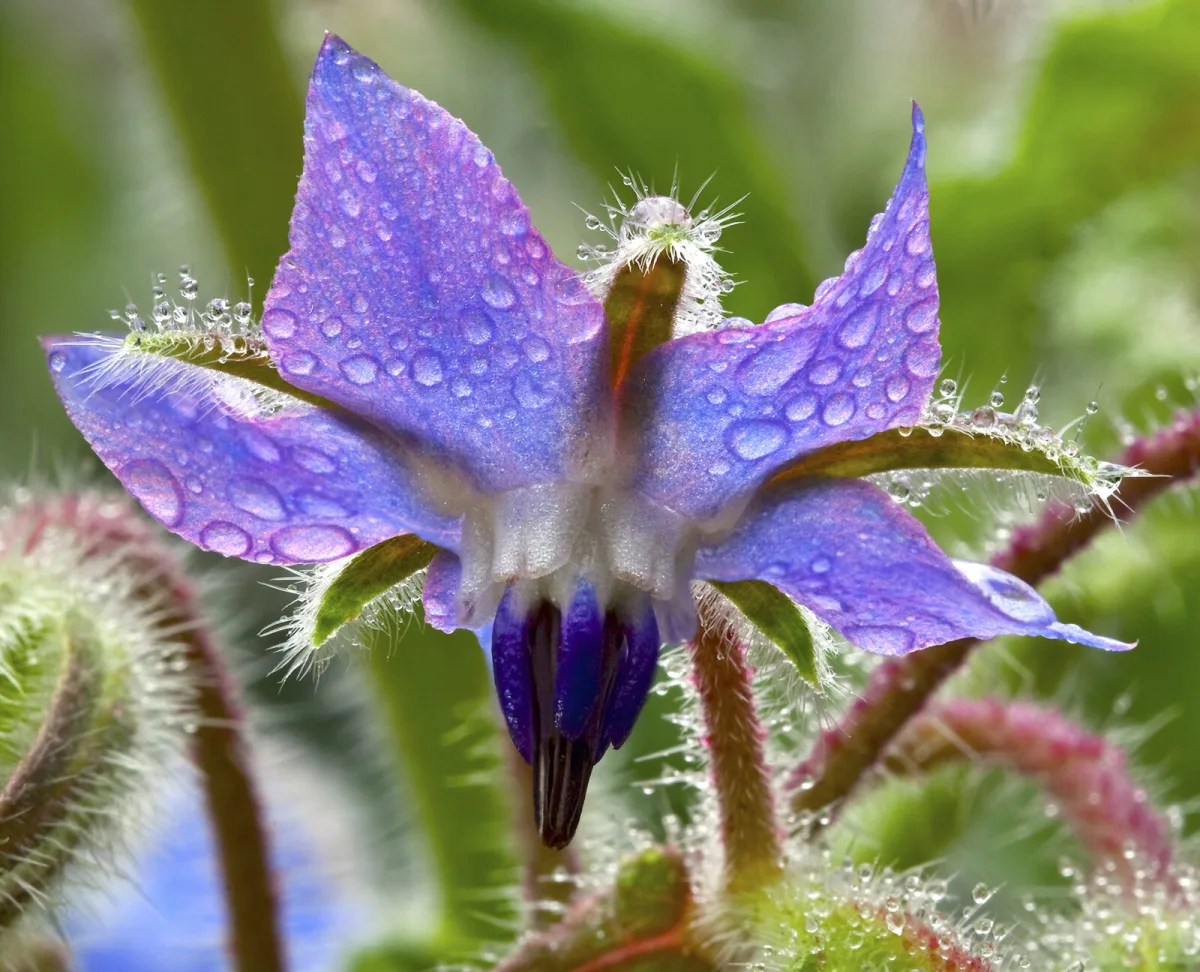
Borage has small blue flowers with a cucumber-like flavour. They are best fresh because they wilt quickly. They are excellent in cold drinks, scattered over salads, or as a delicate decoration for desserts. It is easy to grow, often self-seeds, and is also highly attractive to bees.
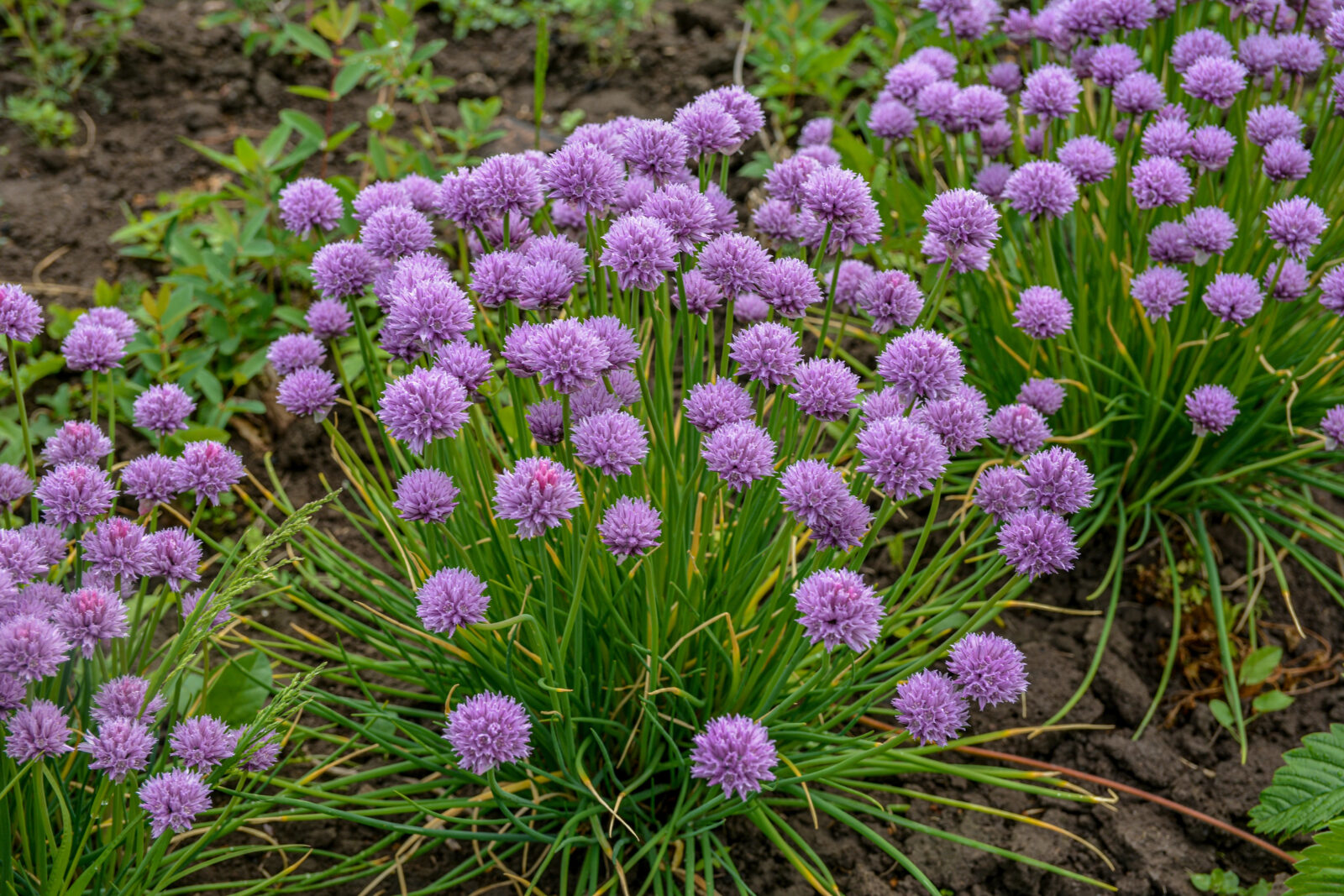
Chives
Chive flowers have a mild onion flavour and work beautifully as an edible garnish for soups, eggs, quark-based spreads or butter. They are easy to grow in beds or window boxes. You can use the flower heads whole or pull them apart into individual florets for a finer effect.
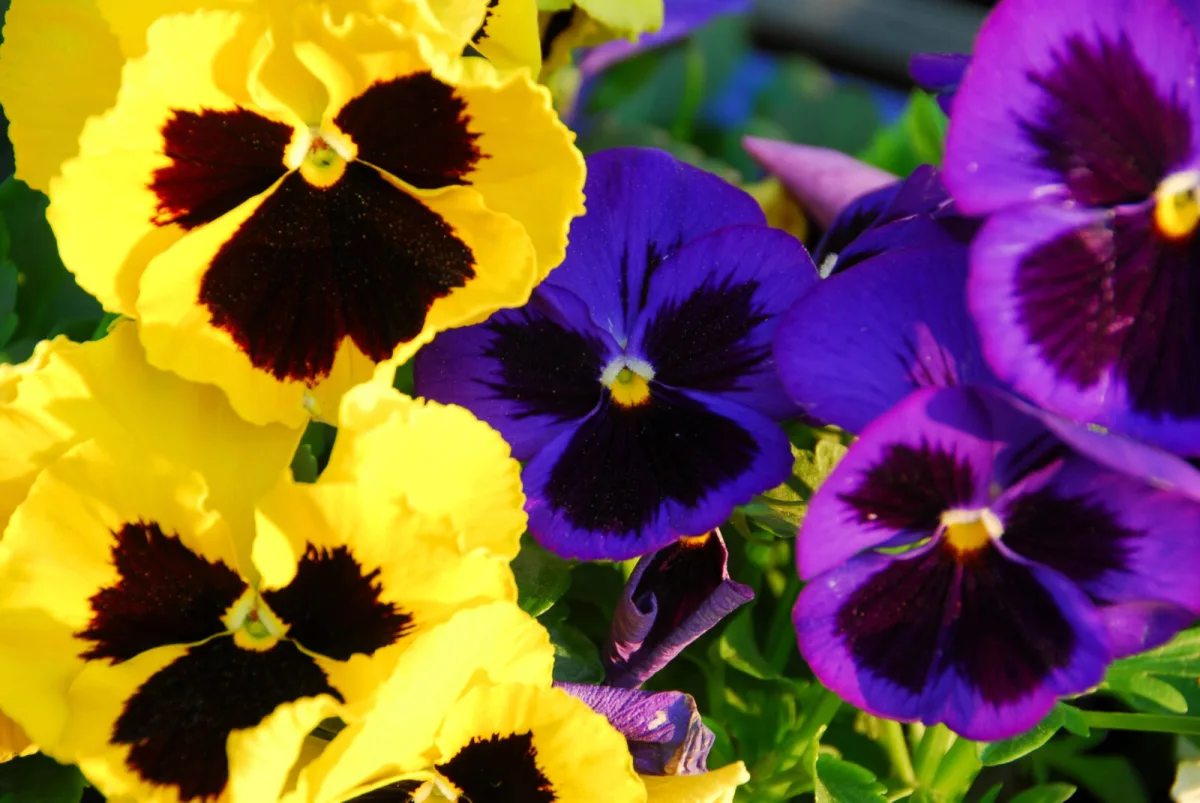
Pansies and violas
Pansies are among the most rewarding edible flowers for both sweet and savoury cooking. Their flavour is usually mild, sometimes slightly grassy or perfumed, which makes them suitable for salads, canapés and cake decoration. They tolerate cooler weather well, filling the spring and autumn gap when other plants are not in flower.
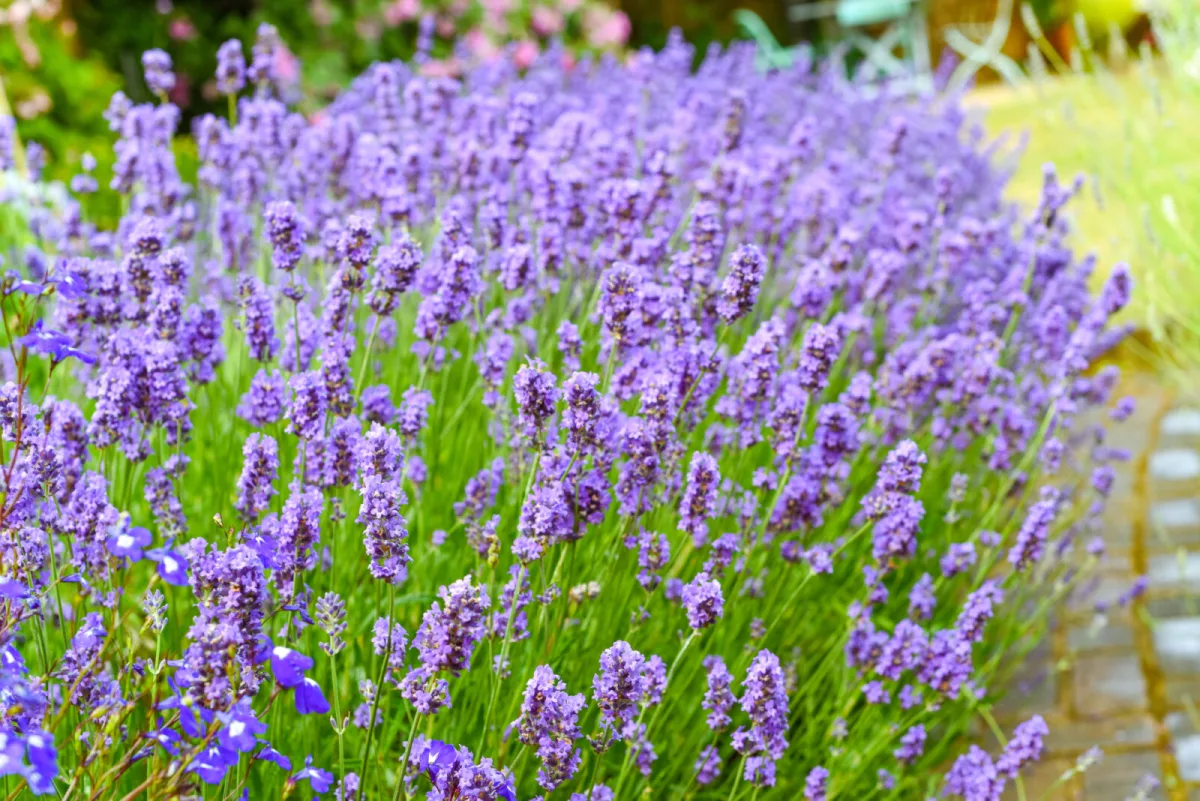
Lavender
With lavender, less is more. Its sweet floral aroma with a herbal undertone can easily dominate, but used sparingly it is wonderful in biscuits, syrups, honey, tea or ice cream. For cooking, English lavender is often recommended as it tends to be milder. Grow it in sun, in free-draining soil, and do not overwater.
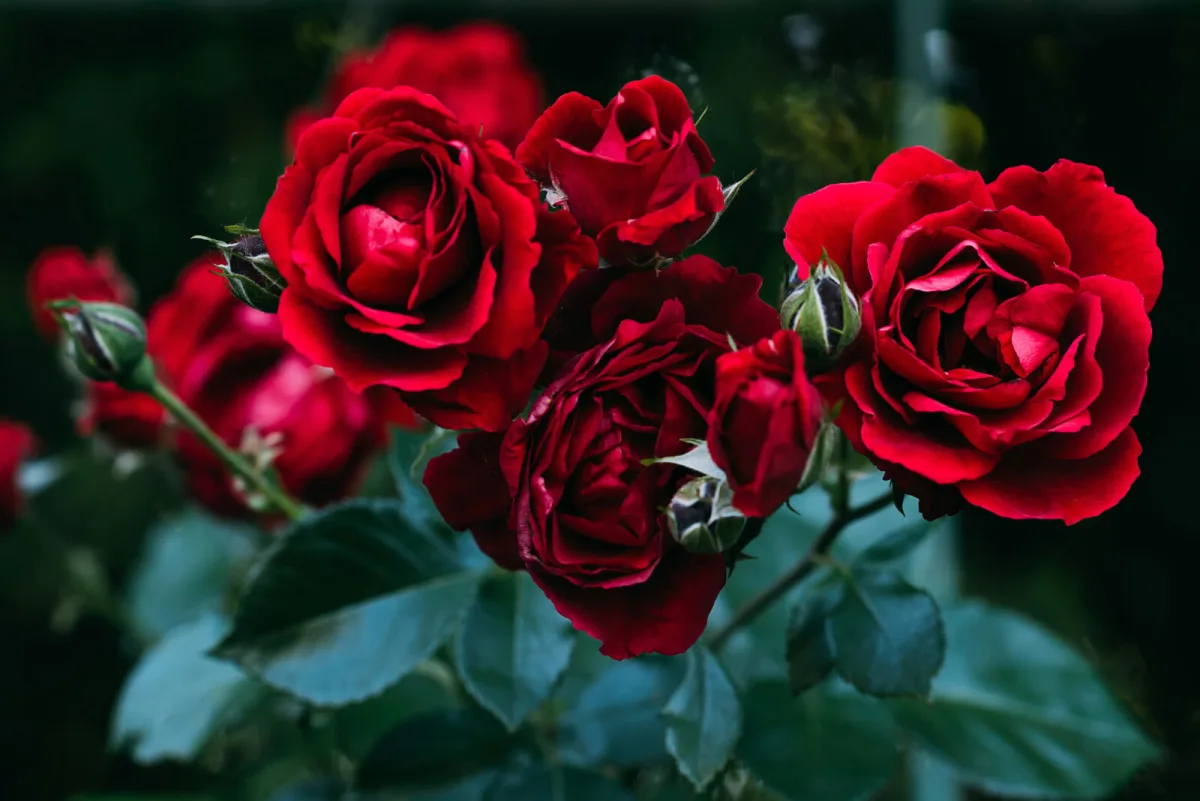
Roses
Rose petals are edible and, depending on the variety, can be fruity, spicy or even slightly minty; as a rule, the more fragrant the bloom, the better the flavour. In the kitchen they shine in sugar, syrups and jellies, as a dessert garnish, or frozen into ice cubes for celebratory drinks. Petals are used most often; on larger flowers it is worth removing the bitter white base.
Daylilies and squash blossoms
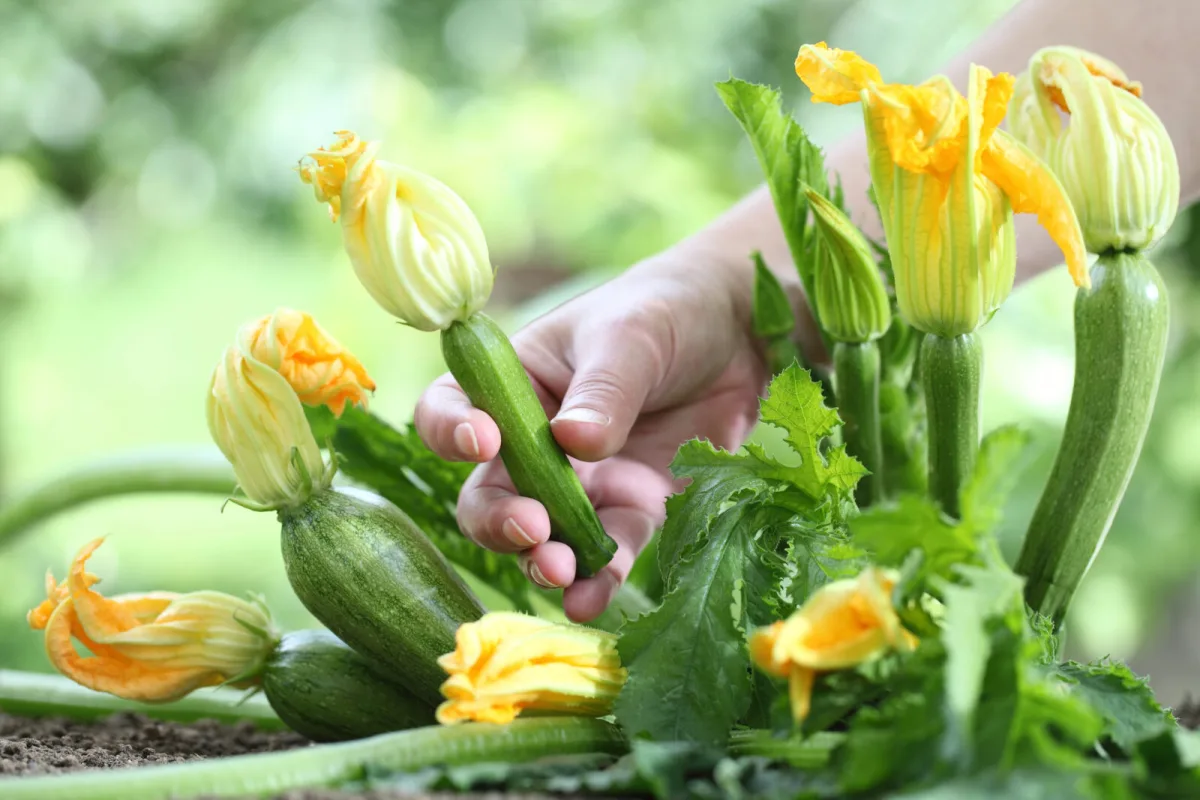
Daylilies tend to have a gently sweet flavour, and the buds are also used, cooked much like young green beans. Courgette and pumpkin flowers are a delicacy, ideal for stuffing and quick cooking. With squash, male flowers are often harvested so yields are not reduced, and the blossoms should be used as soon as possible after picking.
Harvesting properly and washing gently
Pick flowers in the morning, once the dew has dried, when they are at their freshest and their aromatic oils are usually at their peak. Choose young, undamaged blooms and buds. After harvesting, protect them from heat and sun, ideally keep them cool, and use them the same day. If you need to rinse flowers, briefly dip them in cold water and shake gently. Very delicate flowers are sometimes not washed at all and are instead carefully shaken to remove debris and insects.
With larger flowers, stamens and pistils are often removed and only the petals are used. With some species the lower part of the petal can be bitter and is best pinched off. Smaller flowers such as borage or chive blooms can be left whole. If you want to preserve flowers, you can freeze them into ice cubes or dry them, with dried flowers best suited to teas, infusions, syrups and cooked recipes.
The most common mistakes when growing edible flowers
A frequent mistake is growing in soil over-fertilised with nitrogen, which makes plants produce lots of leaves but fewer flowers. Another is harvesting old, faded blooms, which can be tougher and less aromatic. A problem, too, is using pest sprays without considering that you plan to eat the flowers; with edible blooms it is better to focus on prevention, removing infested parts by hand and encouraging natural predators. Finally, even edible flowers are best enjoyed in moderation, especially when you are new to them, as more sensitive people may experience digestive upset.
Edible flowers as a route to a more varied garden and table
Growing edible flowers is surprisingly easy and brings a double reward: prettier borders and a more original kitchen. If you start with a few reliable plants, you will quickly learn what thrives in your conditions and what you enjoy eating. Next season, you can add more aromatic specialities such as lavender and roses, or simply let established herbs flower. The payoff is plates that catch the eye at first glance, built on a simple, honest harvest from your own garden.
Source: Garden Design, Rhs, Pestrazahrada.cz
Related articles
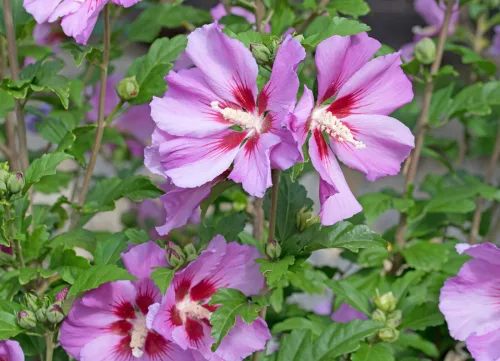
A Simple Autumn Trick Will Protect Your Hibiscus Over Winter and Bring a Flush of Flowers
A thick mulch layer in autumn can be the deciding factor in whether hardy hibiscus comes through winter unscathed. Combine root protection with smarter watering and feeding, and you’ll be rewarded with stronger growth and heavier flowering next season.
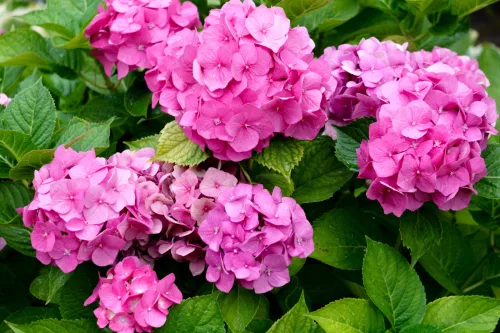
Be careful with hydrangeas in autumn or one mistake will cost you blooms
Tidying up hydrangeas in autumn can be tempting, but cutting at the wrong time can remove next year’s flower buds. Everything depends on whether your hydrangea blooms on old wood or new wood.
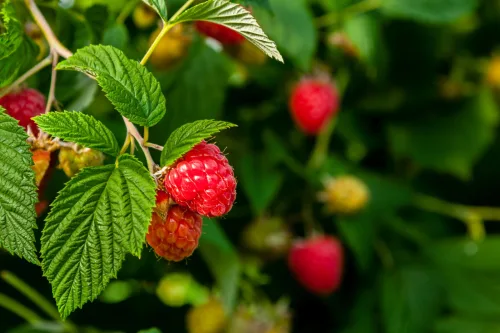
Raspberries Need Gentle Feeding or You Can Damage Roots and Lose Up to a Third of the Crop
Raspberries have very shallow roots and don’t respond well to heavy, nitrogen-rich feeding worked into the soil. Choose a potassium-forward fertiliser and apply it gently on the surface to protect roots and improve flavour and yield.
Comments (0)
Be the first to comment.