
 English
  Polski
  Deutsch
  Nederlands
  Svenska
  Norsk
Norsk  Dansk
Dansk  Français
  Italiano
  Español
  Português
  Slovenčina
  Suomi
Suomi  Gaeilge
 An Easy Route to a Big Bean Harvest Practical Tips for Small and Large Growers
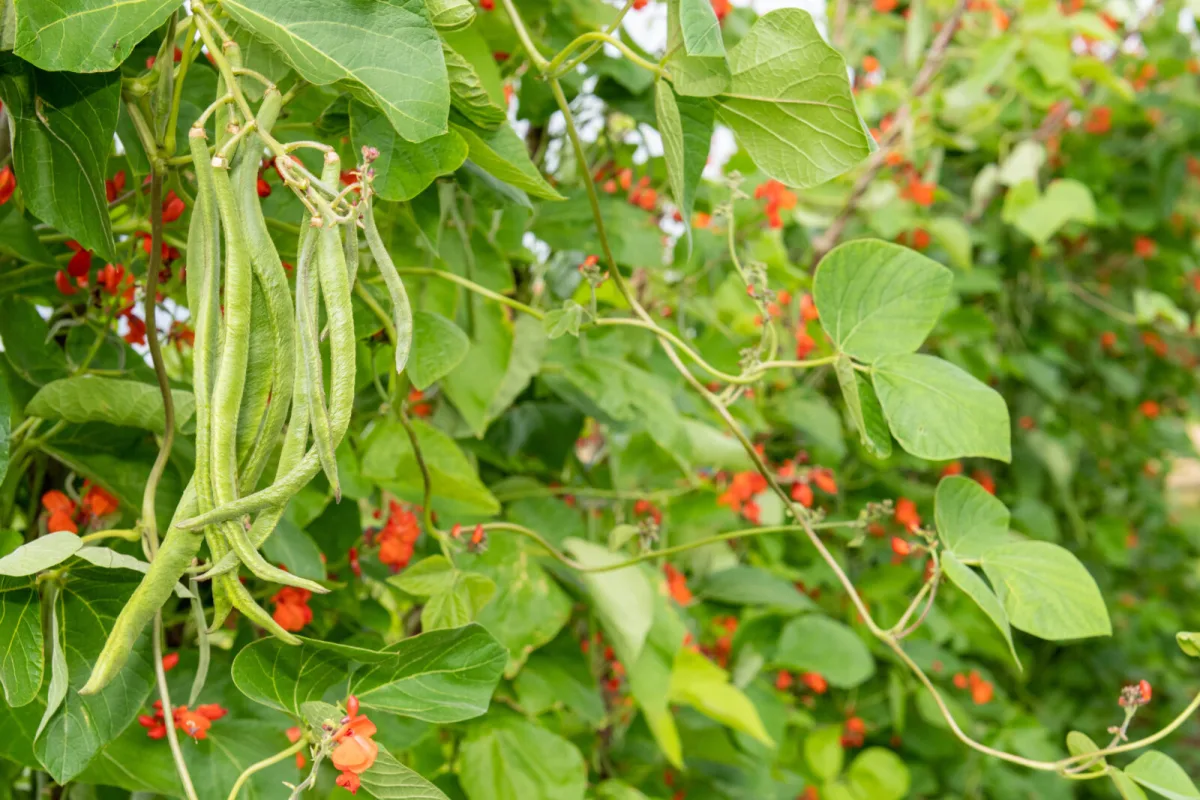
Beans are among the most popular crops for home growing because they offer an excellent balance between effort and yield. Botanically, they are legumes in the pea family, grown mainly for edible pods and seeds. Alongside peas, beans are a classic example of plants that fit well into crop rotation and can leave the soil in better condition for the next crop. Many commonly grown types originate in the Americas, from where beans spread to Europe; over time, countless varieties have been bred to suit different conditions and culinary uses.
In gardening practice you’ll most often come across bush beans, which stay low and compact, and climbing (pole) beans, which need support and reward you with a long picking period. Beans can also be ornamental, with showy flowers ranging from white through pink to deep red, and some varieties develop pods in striking colours, including purple. The leaves are typically heart-shaped to lanceolate, and the overall habit varies considerably depending on the type and the site.
Site, containers and soil
Plenty of light and warmth is essential. Beans thrive in a sunny, sheltered position where the soil dries quickly after rain, yet still holds enough moisture during flowering. Growing in containers on a balcony or terrace is absolutely possible, but you need to allow for faster drying of the compost and greater sensitivity to temperature swings. The pot should be generously sized, with drainage holes and a quality growing medium that retains water without becoming waterlogged.
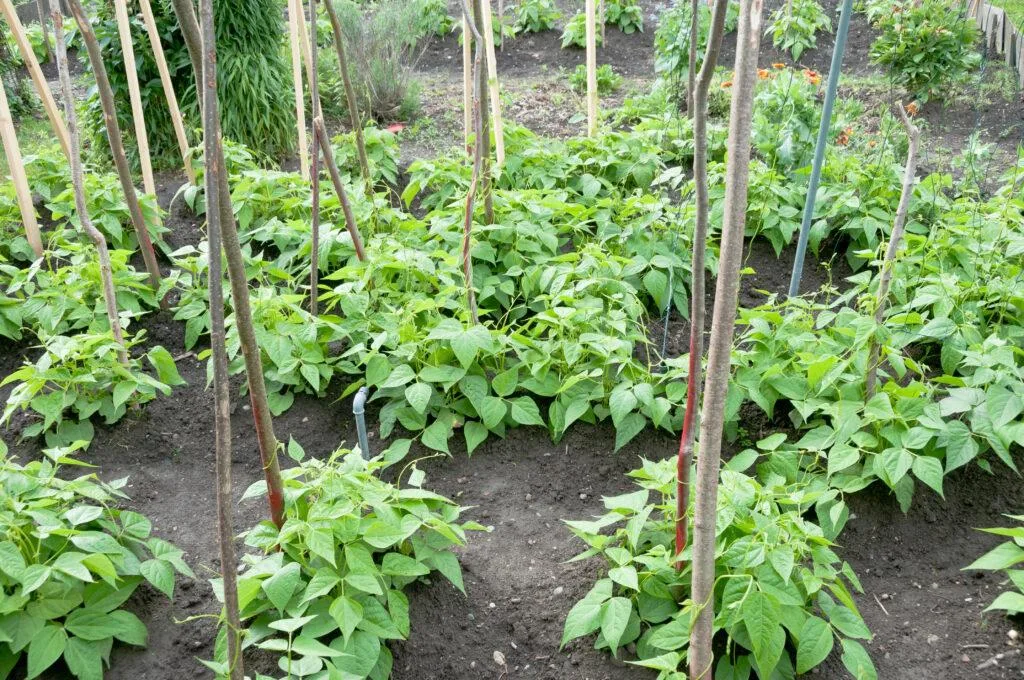
The soil should be loose, humus-rich, and free-draining. Beans generally don’t need heavy feeding, but they do appreciate a bed prepared with compost. If your soil is heavy and clay-based, it’s worth improving it with organic matter so roots can breathe better and the plant doesn’t suffer during prolonged wet weather. With climbing types, plan ahead for a sturdy support that can carry both the plant and a heavy set of pods.
Watering and keeping moisture in the soil
Compared with some other vegetables, beans are fairly thirsty, especially while flowering and when pods are setting. Regular, thorough watering helps prevent flower drop and encourages even pod development. It’s best to water at the roots and avoid wetting the foliage unnecessarily, which can increase disease pressure in some seasons. In containers, check moisture more often, because even a single hot day can dry the pot out dramatically.
A very practical summer mulch layer of mature compost or well-rotted manure reduces evaporation, suppresses weeds, and gradually releases nutrients. Mulch also helps stabilise soil temperature and protects the surface from crusting after heavy rain. If you grow beans in light soil, mulching often makes the difference between juicy pods and plants that keep cropping for longer.
Pinching and training plants
Beans aren’t usually pruned like fruiting crops, but in some situations pinching can be worthwhile. With climbing beans, once the plant reaches the top of its support you can remove the growing tip so it doesn’t waste energy on further extension and instead branches more to the sides. The practical effect is a denser, better-filled row and often easier picking, because some of the pods form at a more accessible height.
With broad bean types that form thicker stems, it’s sometimes recommended to pinch out the soft shoot tips when the first pods begin to form at the base. The tender tips are especially attractive to certain pests, so removing them can reduce pressure; at the same time, more of the plant’s energy goes into pod filling. Do pinching in dry weather and with a clean tool to minimise the risk of infection.
Feeding and nutrition during the season
Beans are considered fairly modest feeders. If the bed has been prepared with compost and the soil is in good condition, intensive fertilising is often unnecessary. Too much nitrogen can do the opposite of what you want, producing lush leaf growth at the expense of flowering and pod set. In containers it’s different because nutrients are depleted faster, so it helps to use a high-quality compost and keep it in good shape by adding a thin top-dressing of compost during the season.
If plants look pale or stall, the cause is more often irregular watering, cool weather, or compacted soil than true hunger. In that case, it’s usually more effective to improve your watering routine, lightly loosen and aerate the surface, and check that roots aren’t sitting in water. Beans respond best to steady conditions rather than being “pushed” with fertiliser.
Companion planting and crop rotation
Legumes generally fit into bed planning extremely well. Beans are ideal where you want to use space efficiently; climbing types in particular can lift the crop off the ground and free up room for low-growing plants. Good neighbours also help the crop’s microclimate, because a well-filled planting shades the soil and reduces evaporation. The key is not to overcrowd, so air can move through the foliage and plants dry quickly after rain.
In crop rotation, beans often act as a beneficial preceding crop, but it’s sensible not to grow legumes in the same spot repeatedly in quick succession. Rotating crops reduces pressure from soil-borne diseases and pests. If you grow several kinds of beans, it pays to keep simple notes on where each variety grew and to replenish organic matter after the season.
The most common pests and how to limit them
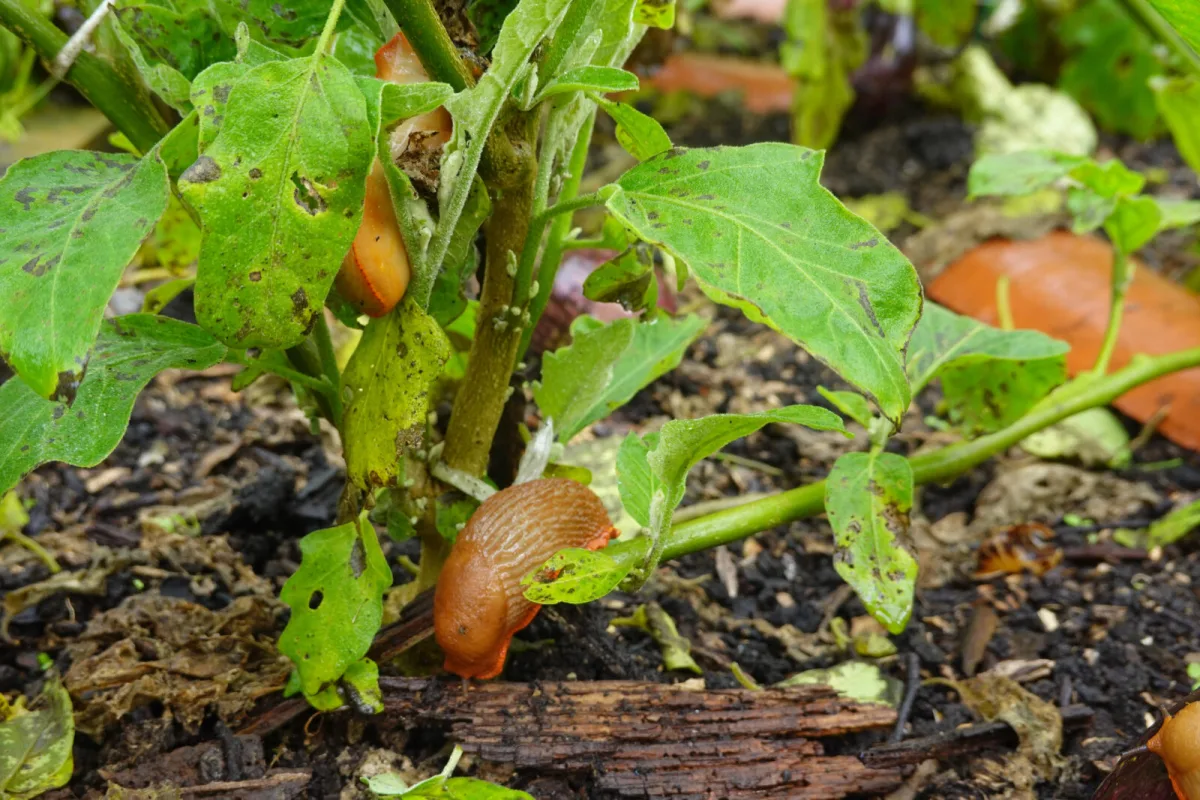
Typical enemies of young beans include slugs and snails, which can destroy freshly emerged plants in a single night. It helps to plant beans out only once they are sturdier, protect the area around plants with barriers, and encourage natural predators in the garden. Where pressure is high, evening hand-picking can also make a real difference. Protection matters most early on, because later the plants can usually grow through minor nibbling.
Birds can also be a problem, especially if they take a liking to the young leaves. In small areas, physical protection is usually the most reliable approach, while various scare devices tend to work only short term. Aphids are also common; they feed on soft shoot tips and can slow growth. In small numbers they’re easy to wipe off with your fingers or blast away with a jet of water. With heavier infestations, gentle sprays based on natural oils or potassium soap can help, but you’ll need repeat applications and you must treat the undersides of leaves too.
The best protection for beans is usually a combination of prevention, regular checks, and fast action at the first signs of pests.
Harvesting and how to extend your crop
Beans are wonderfully obliging: with regular picking they often crop for longer. Harvesting pods young gives a finer flavour and texture, and it encourages the plant to produce more flowers. Regular picking is therefore a growing trick in itself. If you’re growing beans for dry seeds, leave some pods to fully mature, but expect this to gradually reduce the plant’s production of new pods.
In practice, it’s worth sowing or planting beans in succession so plantings follow on from one another and harvesting continues for weeks. In a small garden or on a balcony, you can combine quick bush types with one or two climbing plants on a support. That way you get an early crop as well as a longer “tail” later in the season, and you’ll make better use of your space.
Why beans are worth growing
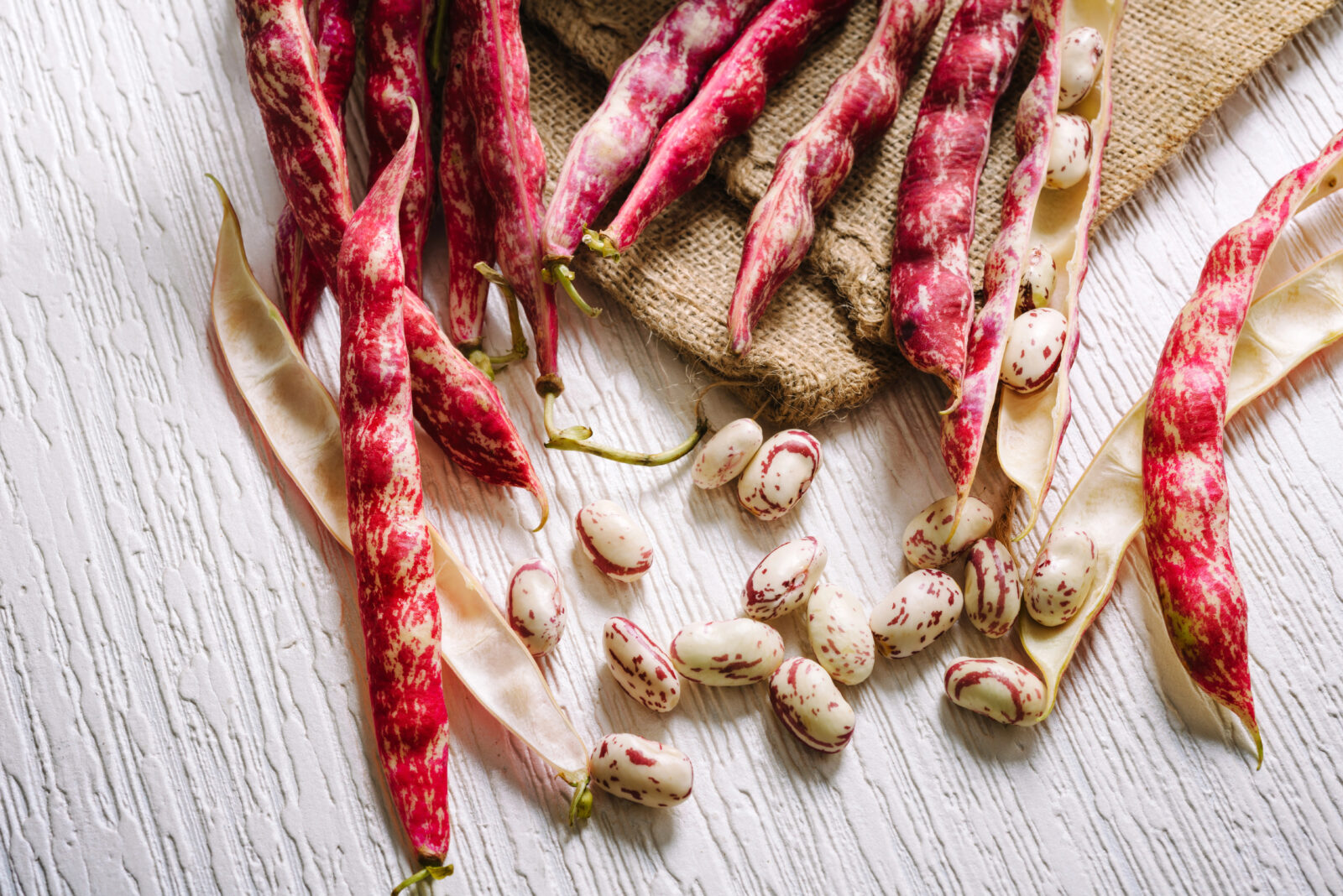
Beans are a reliable, tasty, and genuinely useful crop that suits almost any garden. They don’t take up much space, they cope well in containers, and with basic care they reward you with a generous harvest. Give them sun, consistent moisture at key stages, and reasonably fertile soil, and you’ll get a vegetable you can pick little by little and use in the kitchen in countless ways. As a bonus, they bring flowers that attract pollinators and add to the garden’s diversity.
Source: Plantura Magazine, Almanac , Pestrazahrada.cz
Related articles
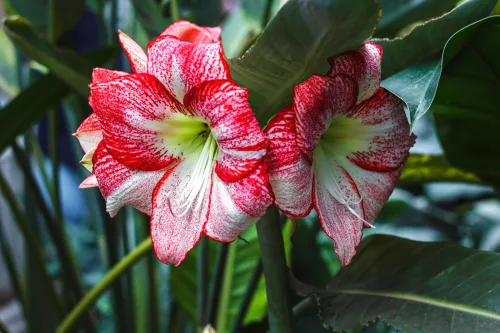
The Christmas Amaryllis That Can Bloom for Years but Most People Throw It Away After Flowering
Hippeastrum is a spectacular winter-blooming bulb that, with the right care, will flower again year after year. Learn how to plant it correctly, look after it after flowering, and bring it into dormancy so it reliably reblooms.
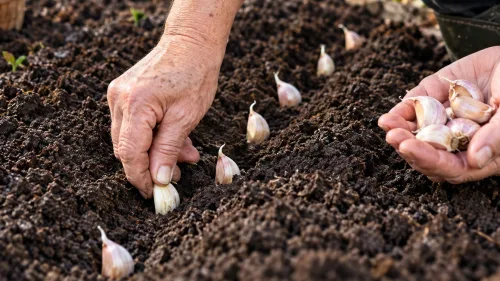
How to Grow Winter Garlic for a Much Bigger Harvest
Autumn planting is the key to strong, healthy winter garlic, but the details make all the difference. With the right timing, bed choice, seed-clove treatment and a simple bicarbonate trick, you can noticeably boost yield.
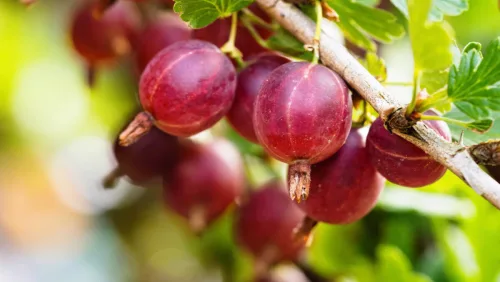
A tree or shrub planted properly in autumn can outpace spring stock and improve fruiting
Many fruit trees and soft-fruit shrubs establish better when planted in autumn, because roots keep growing while the top is dormant. Done well, this head start means stronger spring growth, less watering, and a healthier first year.
Comments (0)
Be the first to comment.