
 English
  Polski
  Deutsch
  Nederlands
  Svenska
  Norsk
Norsk  Dansk
Dansk  Français
  Italiano
  Español
  Português
  Slovenčina
  Suomi
Suomi  Gaeilge
 Why Experienced Gardeners Start Echinacea in a Pot First
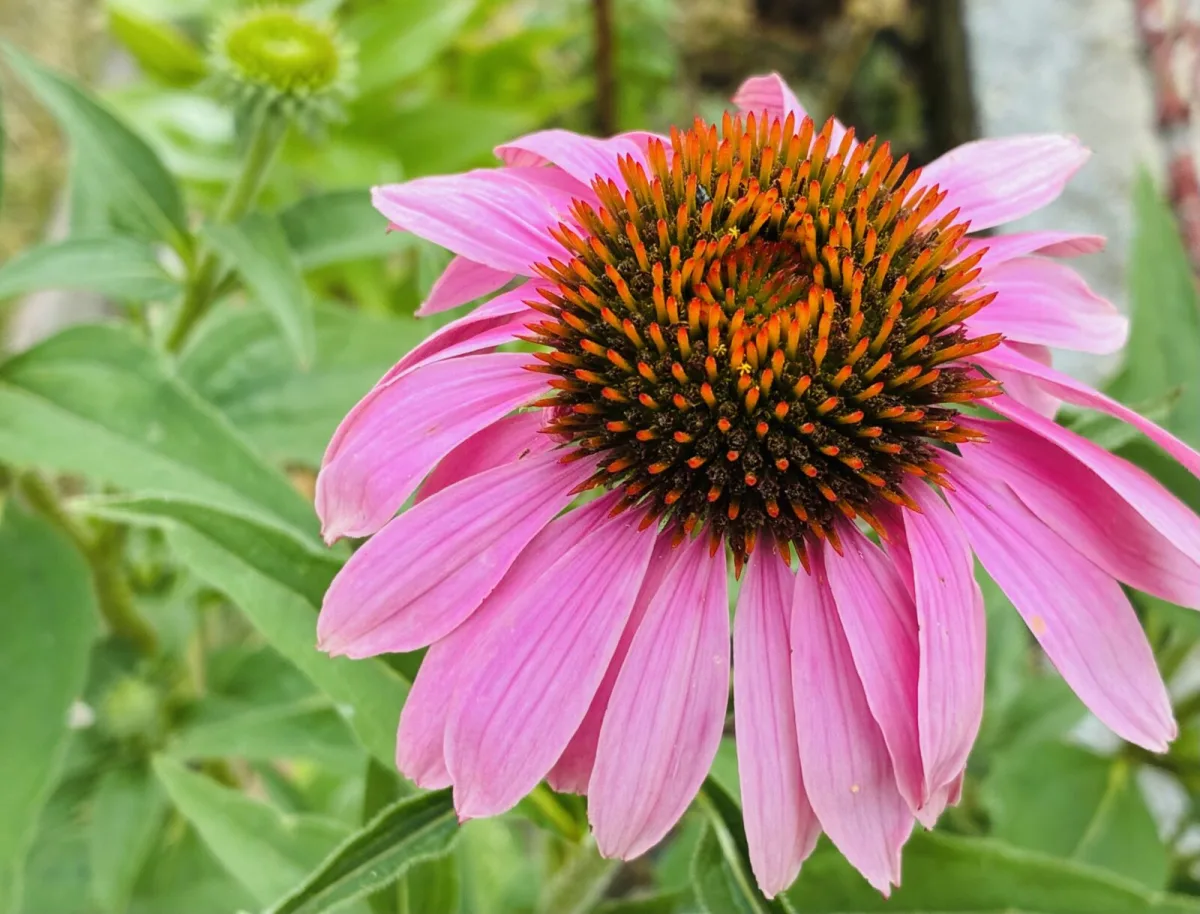
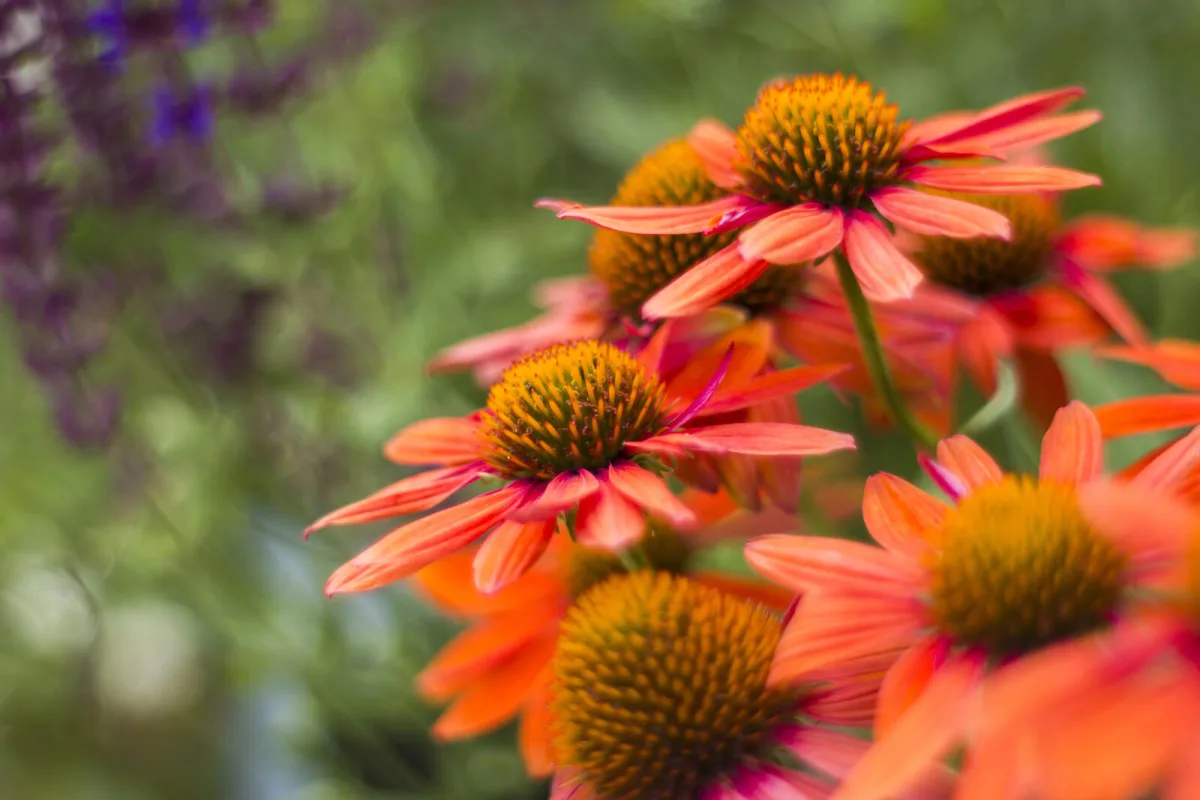
Echinacea is a staple of prairie-style planting and, thanks to breeding, now comes in a wide range of flower shapes and colours. It performs best in full sun in soil that holds an even level of moisture yet drains well. Once established, it copes with drier spells and works not only in perennial borders but also in gravel gardens. The flowers are rich in nectar, so they attract bees and butterflies, and the bold seed heads add structure to the garden in autumn and winter. Many cultivars have sturdy, upright stems, which is why echinacea is also popular as a cut flower.
In time it becomes an easy, reliable perennial, but in the first year it needs a bit more attentive care. A good start often determines how quickly it settles in and builds strength.
When to plant after delivery and what to do first
Echinacea is supplied either as bare roots in spring or as young plants in a small pot with a root ball in autumn. In both cases, it’s best to plant as soon as possible, ideally within a week of delivery.
If you can’t plant straight away, don’t let bare roots dry out. Stand them outdoors in a container of water and plant within a few days. Plants with a root ball need light and moisture immediately, so you can temporarily stand them outside in a saucer of water and, within a week, get them into the ground or into a larger pot.
Planting echinacea from bare roots
With bare-root plants, hydrating the roots before planting is crucial. Soak them in water for 3 to 6 hours so the tissues rehydrate and the roots start working properly. After that, it’s best to pre-grow the plant in a pot first, where conditions are more stable.
Choose roughly a 2-litre pot, or a container about 15 to 20 cm in diameter, and fill it with a good-quality all-purpose compost. When planting, spread the roots so they point downwards and aren’t bent. The top of the root system should sit roughly level with the surface of the compost; the buds should be visible and not buried too deeply. If plants arrive later in spring and have already produced shoots or leaves, keep this top growth above the surface.
After planting, water the compost thoroughly. In the first year, water regularly whenever the top 3 to 5 cm of soil feels dry to the touch. Letting it dry out at this stage slows rooting and weakens the plant.
Pre-growing in a pot and transplanting into the border
In spring, it’s practical to keep bare roots in a pot outdoors in a sheltered spot. This gives the plant a calmer start, helps it build a stronger root system, and allows you to move it into the border once it’s tougher. You’ll recognise the right moment easily: roots will start to appear through the drainage holes in the bottom of the pot. Only then is it best to transplant it to its final position.
Planting echinacea with a root ball in autumn
Plants supplied in autumn in a small pot can often be planted straight into an open spot in the border, but only if the soil is good quality, crumbly and free-draining. It’s not a good idea to put them straight into heavy clay or into extremely dry, sandy ground. Likewise, avoid places that will be crowded out during the season by vigorous neighbours. A young echinacea can struggle in competition and may even fail.
For better overwintering and more reliable establishment, it’s recommended to pot up an autumn plant first into a larger pot 15 to 20 cm in diameter filled with all-purpose compost. Leave it to put on some strength and move it into the border only when it’s clearly outgrowing the container. In more challenging conditions this step is very helpful, sometimes even essential.
Whether you plant directly into the border or into a pot first, the root ball must be fully below the soil surface, while young shoots and leaves remain above. After planting, always water generously so the soil settles around the roots.
How to prepare the bed and how far apart to plant
For planting in the border, choose a sunny position and reasonably fertile soil that doesn’t hold excess water. If you’re planting several plants together, keep spacing at about 15 to 20 cm; for long-term planting it’s safer to allow at least 20 cm. It’s worth mixing a little all-purpose compost or a high-quality growing medium into each planting hole so new roots have a finer, more nourishing environment to get started.
Pest checks and reducing competition
Check new plantings regularly for pest damage. Keep the area around young plants clear, remove weeds as they appear, and if necessary cut back encroaching growth from neighbouring perennials that would steal light, water and nutrients. In the first growing season, aim to keep the soil around the plants slightly moist but not waterlogged.
Winter hardiness and protection in colder areas
Echinacea is a hardy perennial and in regions with mild winters it usually doesn’t need special protection. Where hard frosts occur or there are long snow-free periods, a protective mulch around the plants helps. It’s most useful for young echinacea plants that are still settling in and whose roots aren’t yet as deep.
Ongoing care through the season
To encourage further flowering, regularly remove spent flower heads or cut blooms for a vase as you go. This helps the plant channel energy into producing more flowers rather than ripening seed.
Expect echinacea to really get going only once it has settled. In the first year it may flower less, or not at all, with fuller flowering arriving the following season.
Autumn cut-back and spring regrowth
In autumn, echinacea naturally dies back and the top growth fades. At that point, you can cut it back to about 5 cm above the ground and leave it undisturbed over winter. When spring arrives, new growth will emerge from the roots.
How it grows in subsequent years and when to divide
Echinacea is a clump-forming perennial. Each year it typically expands, adds more stems and looks more substantial. It usually takes 1 to 2 years to form a stable, well-developed clump, so it makes sense not to expect too much in the first year and instead provide regular watering and enough space.
If the clump becomes too crowded over time, you can divide it. The best time to divide is from autumn to early spring, when the plant isn’t in active growth. Dividing also gives you new plants and rejuvenates the original one.
Source: Farmer Gracy, Rhs , Pestrazahrada.cz
Related articles
Drought tolerant fruit trees for Czech gardens that handle heat and winter frosts
Warmer summers and longer dry spells are changing what can be grown in Czech gardens. With the right variety and a sunny, sheltered spot, olives, pomegranates and figs can cope with heat, drought and even winter cold.
Thuja hedges are on the way out gardeners are choosing a shrub that shrugs off frost and drought and never looks dull
Thuja may be a long-standing classic, but today’s hedges are increasingly built from more varied shrubs that look better through the seasons. One standout choice is ninebark, prized for its toughness, colour and easy care.
Autumn planted grapevines bud earlier the most common mistake happens before they even go in the ground
Planting grapevines in November can give them a head start in spring, as roots can still establish in warm soil. Success depends mainly on proper planting depth and reliable winter protection.
Comments (0)
Be the first to comment.