
 English
  Polski
  Deutsch
  Nederlands
  Svenska
  Norsk
Norsk  Dansk
Dansk  Français
  Italiano
  Español
  Português
  Slovenčina
  Suomi
Suomi  Gaeilge
 Don’t Cover Strawberry Plants Too Early Experienced Growers Wait for a Signal from the Leaves
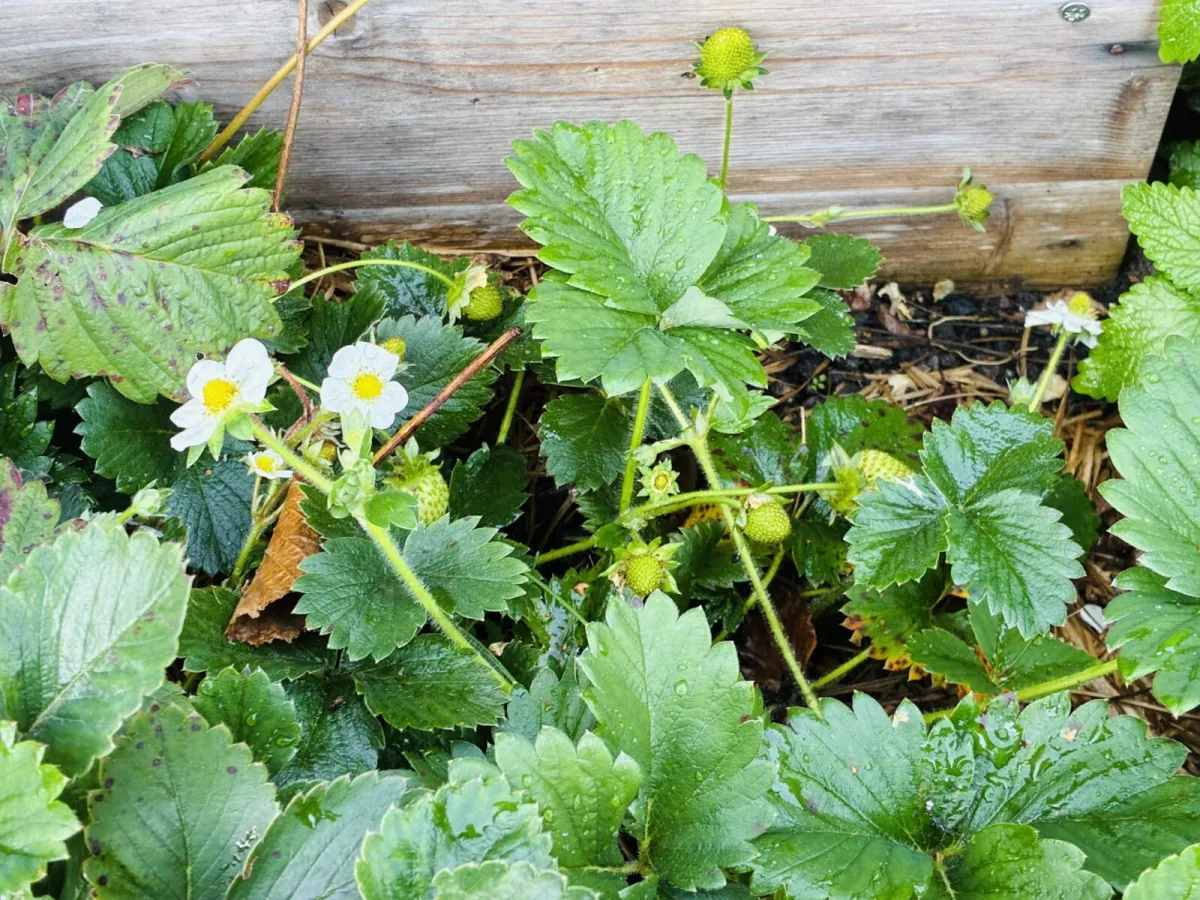
Strawberries are perennial plants that grow from crowns and, with the right care, can fruit for several years in a row. That’s exactly why it pays to give them attention before winter arrives. In spring, they’ll reward you with early, flavourful berries. But for the plants to make it through the cold season without damage, there are a few key autumn steps they need.
For healthy growth and good fruiting, strawberries need winter chill. They benefit from several hundred hours at low temperatures, but the crowns and buds must not freeze solid. In areas where the ground freezes in winter, strawberry plants should be protected from repeated freeze–thaw swings and from excessive drying out.
When to start preparing strawberries for winter
Timing is crucial. Don’t start too early, because the plants need to move naturally into dormancy. If you winter-protect them prematurely, you can interrupt their normal cycle. The best moment is after a few light frosts, when the leaves usually wilt, dry down and turn brown.
In most areas, the right time falls in November or December, but it always depends on local conditions and when the soil starts to freeze. In milder regions, protection doesn’t need to be as heavy as it does in colder areas, but it’s still worth checking the plants and giving them a light tidy-up.
Winterising strawberries grown in the ground
Strawberry plants typically stay productive in one spot for three to five years. To keep the patch vigorous and fruitful, it helps to renew plantings gradually. After the final harvest, older mother plants can be removed and replaced with young runners. If the original plants are still in good shape, simply trim them back to a height of a few centimetres and leave the new, healthy foliage.
In autumn, once the leaves have dried and browned, gently clean up the bed. Remove dead leaves, weeds, fallen tree leaves and any remnants of old mulch. A clean bed is less prone to disease problems and settles into winter rest more safely.
Autumn feeding is also very important. About a month before the first harder frosts, apply a balanced fertiliser, for example a 10 10 10 formulation, or an organic alternative. This gives plants the nutrients they need to set strong buds that will produce next season’s flowers and fruit.
Before the soil freezes solid, cover the bed with a layer of mulch. Straw or pine needles are most commonly used, at a thickness of roughly 8 to 13 cm. Spread the mulch loosely so it covers the crowns and top growth without completely smothering the plants. This layer helps keep temperatures more stable and reduces damage from alternating freezing and warming.
After mulching, water the strawberries thoroughly. In winter, cold isn’t the only risk; soil that dries out too much can also cause damage. In areas with dry winters, an occasional watering may be needed even during the colder months. If snow falls, it provides a natural insulating blanket and additional moisture.
In spring, remove the mulch once temperatures no longer drop well below freezing on a regular basis. You can leave some material between the rows, where it will continue to conserve moisture and suppress weeds.
How to handle strawberries in containers
Strawberries are often grown in pots or window boxes too. Although they’re sometimes treated as annuals, with proper overwintering they can crop for several years. Containers, however, carry a higher risk of freezing because the roots and crowns aren’t insulated by surrounding garden soil the way they are in a bed.
First, snip off any runners growing from the main crown. If they’ve already rooted, you can pot them up into new containers and use them as young plants. Then remove dead leaves and feed the plants, much as you would with strawberries grown in the ground.
For winter, containers can be moved next to an outside house wall or another building, where they’ll be better sheltered from wind and harsh weather. Another option is to place them in an unheated garage or similar space where temperatures don’t plunge too low. Even pots left outdoors should be covered with a layer of straw or pine needles.
Over winter, keep an eye on moisture in the compost. It mustn’t dry out completely, but it shouldn’t be waterlogged either. The balance between cold and steady, moderate moisture determines whether the plant will break into growth again in spring.
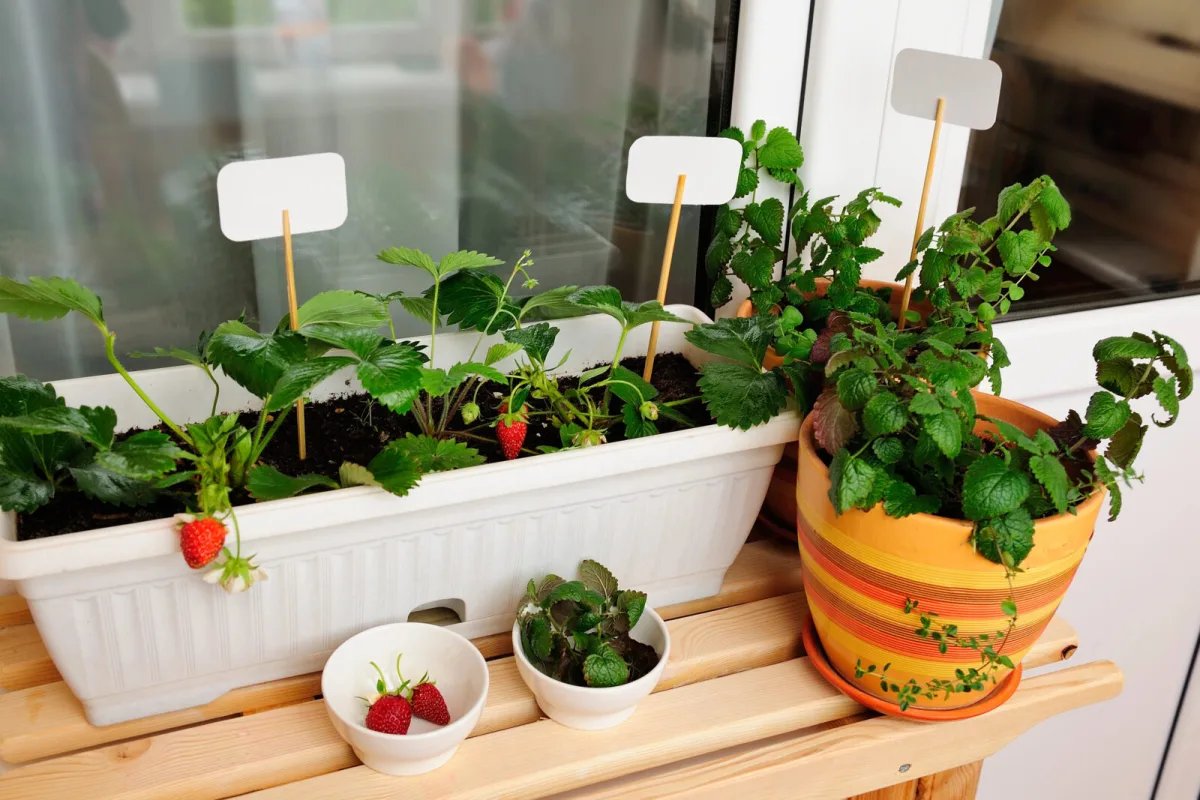
Sinking pots into the ground as effective protection
A very effective way to protect potted strawberries is to sink the containers into the garden soil. It takes a bit more effort, but it greatly reduces the risk of the root ball freezing through. Simply dig a hole deep and wide enough, place the pot inside, and backfill around it with soil.
Plants stored this way are then cared for much like strawberries grown directly in the bed. Here too, it’s worth removing dead leaves, trimming any runners if needed, and then protecting the plants with mulch.
What harms strawberries most in winter
In autumn, strawberry crowns form the buds for next season. These parts of the plant are the most sensitive. The danger isn’t only severe freezing, but also repeated freeze–thaw cycles. Damage can also be caused by waterlogged soil, as well as prolonged drought.
Autumn feeding supports the formation of healthy buds, and winter mulch protects the crowns and the future crop from cold damage.
Why proper winter protection really pays off
Without autumn protection, strawberry plants can weaken, overwinter poorly, or produce fewer flowers and berries in spring. This is especially true of June-bearing varieties, because their best crop often comes from the following year onward. For these plants, successful overwintering is key.
Careful autumn preparation isn’t difficult, but it has a big impact on plant health and the amount of strawberries you’ll pick later. If you clean up in good time, feed, mulch and water as needed, you’ll give your plants the best chance of getting through winter unscathed and growing strongly again in spring.
Source: The Spruce, Rhs , Pestrazahrada.cz
Related articles
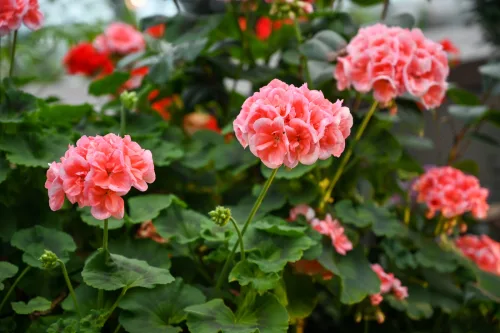
Geraniums Bloom Even in December With the Right Spot Indoors and a Small Additive in the Water
Wondering what to do with geraniums once the season ends? With a bright, warm windowsill and a simple trick in the watering can, they can keep flowering well into December and overwinter successfully for next year.
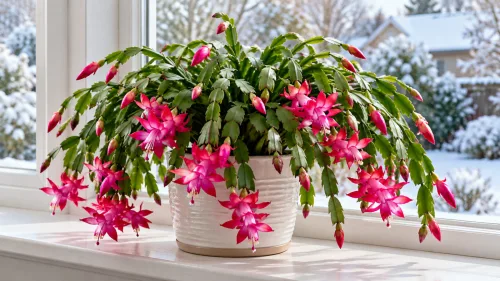
Christmas Cactus Can Bloom All Winter and Set New Buds with a Simple Grower Trick
A Christmas cactus can flower for weeks and keep forming fresh buds through winter when it gets the right care and a gentle boost of nutrition. These simple homemade feeds can help encourage blooming without expensive products.

Peonies can be transplanted and September is the ideal time, but one mistake will cost you flowers
Peonies can be divided and transplanted successfully, and early autumn is the best window. The key is planting depth—set buds too deep and you’ll get foliage with few or no blooms.
Comments (0)
Be the first to comment.