
 English
 Polski
 Deutsch
 Nederlands
 Svenska
 Norsk
 Dansk
 Français
 Italiano
 Español
 Português
 Slovenčina
 Suomi
 Gaeilge
Don’t Throw Away Fuchsias After the Season With Proper Overwintering They’ll Bloom for Years
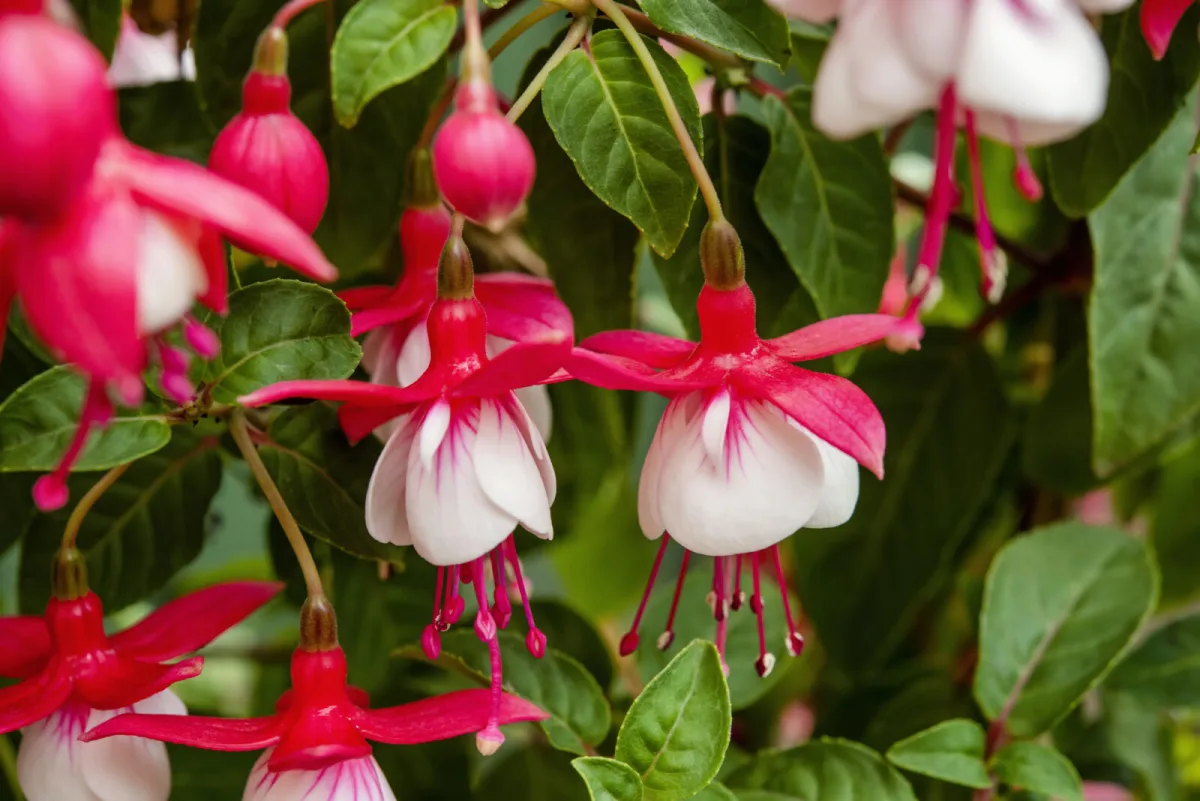
Fuchsias are among the most popular ornamental plants, admired for their profuse flowering, wide range of colours and varied flower shapes. The genus includes more than a hundred species and originally comes from Central and South America. In their native habitats they often grow at higher elevations or along the edges of rainforests, where winters are not as harsh as they can be in our climate. That’s exactly why most fuchsias don’t tolerate hard cold and won’t survive winter outdoors without help.
Even so, there’s no need to grow fuchsias for just one season and buy new plants every year. Many varieties can be kept with little trouble from one year to the next, as long as the grower provides suitable conditions. What matters most is timely preparation, correct pruning and choosing the right place to overwinter.
How to prepare fuchsias for winter dormancy
Once flowering finishes, the plant’s needs change. In autumn, fuchsias don’t need as many nutrients, so from September it’s best to stop feeding. This helps the plant prepare for its rest period and prevents it from producing soft, new growth that would be sensitive to cold.
Pruning is another key part of the preparation. Fuchsias flower mainly on the current year’s growth; older wood won’t deliver the same flush of blooms. If the plant will overwinter in a cool, darker place, it’s best to cut it back before the first frosts arrive. Typically, about a third of the season’s growth is shortened, leaving one to two buds on each shoot.
For a dark wintering spot, it’s also advisable to remove most leaves and spent flowers. Small-leaved types can be an exception. At the same time, cut out any dry, damaged or unwanted shoots completely. This makes overwintering easier, improves airflow inside the plant and reduces the risk of fungal diseases.
If the fuchsia will overwinter in a bright place with temperatures above 10 °C, for example in a conservatory or a light cellar, you can postpone the main pruning until spring.
When it’s already too cold for fuchsias outdoors
Fuchsias prefer milder temperatures, ideally around 16 to 24 °C. Some can handle a short cool spell, but most commonly grown varieties won’t tolerate frost. That’s why you should start protecting them before the first freezing nights.
Container plants shouldn’t be put outside too early in spring. Even if days are warm, night frosts can damage tender growth. A sheltered position from April is usually safer, but to be sure it’s better to wait until mid-May, when the risk of late frosts typically passes. The same rule applies to planting into open ground.
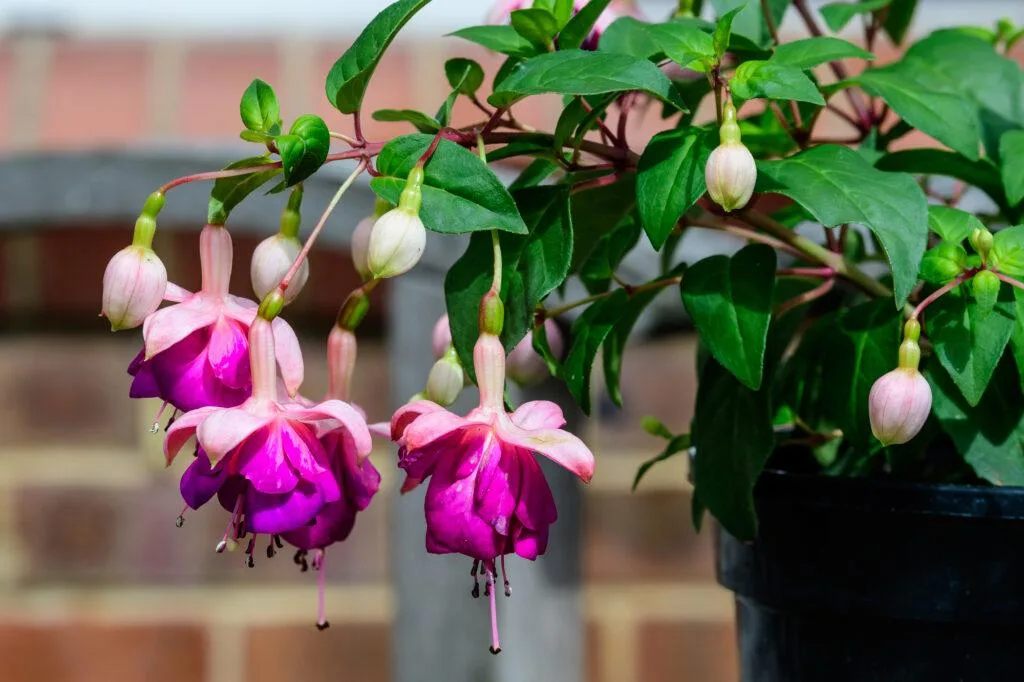
Overwintering fuchsias in the ground
Some hardier varieties can be grown directly in the garden as small shrubs. Even with these, it doesn’t pay to underestimate winter protection. Before frosts set in, shorten the plant by roughly a third and mound soil up around the base. This better protects the crown of the plant, from which fresh shoots will sprout again in spring.
Then add an insulating layer of straw, evergreen boughs or dry leaves on the surface. Covering with horticultural fleece can also help by softening the impact of winter weather. Once severe cold has passed in spring, remove the protection and trim off any dead parts as needed.
Even hardier fuchsias need winter protection for their roots and the lower part of the plant.
How to overwinter potted fuchsias
Varieties that aren’t frost-hardy are best grown in containers. That way they can be moved easily into a frost-free space for winter. Ideally, choose a bright, cool room where the temperature stays around 8 to 10 °C. In these conditions the plant rests without suffering from a lack of light.
During winter, water only very sparingly. The compost must not dry out completely, but waterlogging is just as dangerous as drought. No feeding is needed at all during this period. If you only have a darker place available at about 2 to 10 °C, the plant must be cut back in advance and most leaves removed. Regular ventilation of such a wintering space helps reduce mould and other diseases.
Spring wake-up after winter dormancy
From March, fuchsias can gradually be reintroduced to warmth and light. The change should be gentle so the plant doesn’t suffer shock. At this time, temperatures around 20 °C and slightly moist compost usually suit them well. As soon as new growth starts, repot as needed into a larger container with fresh compost, so the plant has enough space and nutrients for the new season.
Fuchsias go back outside only when there’s no risk of frost. You can usually move them to a balcony, terrace or another sheltered spot from April, but it always depends on the weather. Caution is especially worthwhile in cooler regions.
Frost-hardy and tougher fuchsia varieties
Breeding in recent years has produced a number of varieties that cope with cold better than the classic tender fuchsias. They’re therefore suitable for outdoor growing too, especially if they receive winter protection. Upright forms work well in borders or large containers, while trailing types look wonderful in window boxes and hanging baskets.
Popular choices include Delicate Purple, with dark pink sepals and purple petals. Dollar Princess stands out with double flowers in a red-purple combination and also suits training as a small bush or standard. Cardinal Farges offers red-and-white flowers and does well in partial shade. Tom West is valued not only for its flowers but also for its variegated leaves and trailing habit. Ballerina produces medium-sized red-and-white blooms, and Alice Hoffmann is one of the more compact upright types. Caledonia also flowers a striking red.
Some botanical species are also suitable for outdoor planting. Hardy types include, for example, the hardy fuchsia (Fuchsia magellanica) or Fuchsia regia ssp. reitzii. Even with these, though, you can’t rely on them being completely maintenance-free, and winter cover is often very helpful.
What not to forget so the plants flower abundantly next season
Successful overwintering is only one step towards keeping fuchsias healthy and floriferous next season. Just as important are the right pruning approach, sensible watering, regular repotting and a well-chosen position. If you allow your plants to rest over winter and wake them gently in spring, you’ll be rewarded with strong growth and masses of flowers.
Most fuchsias don’t need to be thrown away after the season. Just prepare them for winter in time, protect them from frost, and gradually bring them back into growth in spring.
With this kind of care, fuchsias can become long-lived highlights for patios, balconies and garden borders, bringing pleasure for many years.
Source: Plantura Magazine, Gardening Know How , Pestrazahrada.cz

A nurse by profession, she is passionate about healthy living, nature, and everything that benefits both people and the world around them. In her free time, she enjoys gardening, cooking, sewing, and caring for her family. In her articles, she loves combining professional expertise with practical experience from the garden and everyday life.
Related articles
Do You Prune Roses in Autumn You Might Be Doing More Harm Than You Think
Autumn rose care is less about hard pruning and more about helping plants slow down naturally and protecting the crown from winter swings. Stop deadheading and feeding, tidy up only what’s necessary, and focus on mulching the base well.
One mistake when winterising hydrangeas will cost you flowers
How your hydrangeas come through winter directly affects next season’s flowering. Don’t mulch too early, protect buds and roots from cold and wind, and avoid rushing pruning.
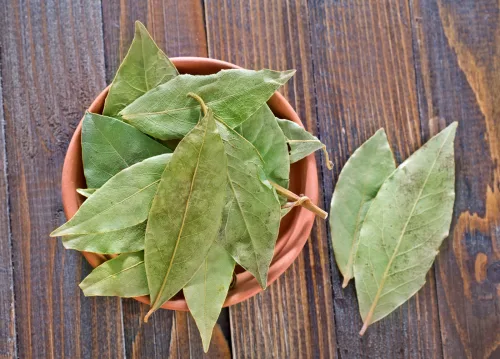
Experienced Houseplant Growers Put a Kitchen Staple in the Pot and Fungus Gnats Avoid the Compost
If you’d rather avoid unnecessary chemicals, bay leaves can be a simple, gentle helper for indoor plants. Used as a cooled infusion or placed dry in the pot, they can support growth and help deter pests such as fungus gnats.
Comments (0)
Be the first to comment.