
 English
  Polski
  Deutsch
  Nederlands
  Svenska
  Norsk
Norsk  Dansk
Dansk  Français
  Italiano
  Español
  Português
  Slovenčina
  Suomi
Suomi  Gaeilge
 Deadly Poisonous Plants in the Czech Republic That Can Harm Even by Touch
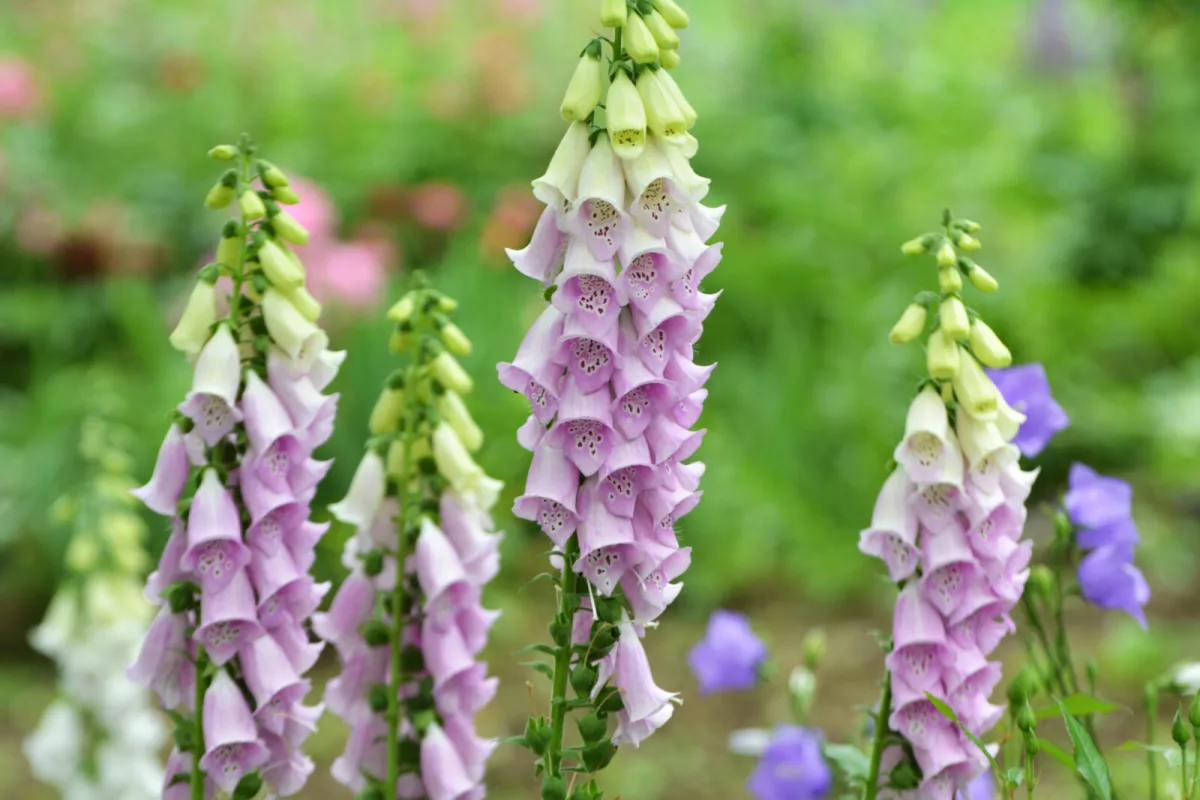
The greatest risk from poisonous plants often isn’t in a tropical rainforest, but right in the garden, by the fence, or on a walk along country lanes. In the Czech countryside as well as in parks you can come across species where just a few berries, a small amount of seed, or careless handling can be enough to cause poisoning. Some toxins act almost immediately, while others damage the body gradually and symptoms may develop over several days. That’s exactly why it pays to recognise these plants and take them seriously, even when they look tempting or are commonly grown as ornamentals.
With many species, the biggest problem is their resemblance to edible fruit, or the fact that the poison isn’t obvious on first taste. Children are especially at risk, because they may sample berries out of curiosity, as are pets and livestock. With some plants, the danger isn’t limited to ingestion either, but also includes skin contact or inhaling strongly aromatic parts.
English yew: a sweet lure that hides death
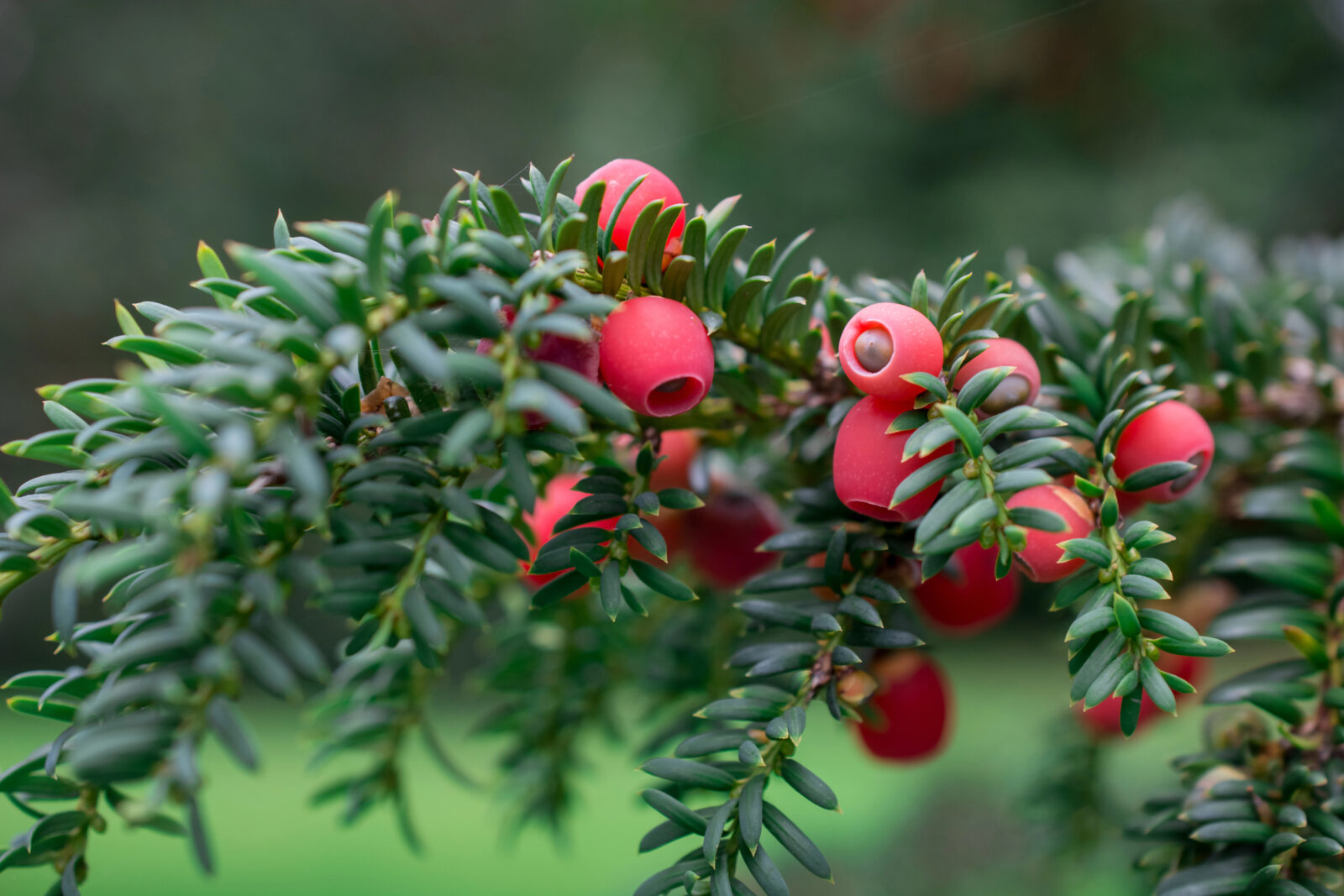
English yew is a popular ornamental shrub and tree, planted in gardens as well as in urban greenery. The danger of yew lies in the fact that most of the plant is highly poisonous, while the fleshy red aril around the seed is sweet and seems harmless. That can tempt people to taste it, but the seed inside is highly toxic to the body.
Poisoning can set in very quickly. Nausea, dizziness, abdominal pain, vomiting and diarrhoea may appear. Heart activity may speed up at first and then slow dramatically; blood pressure drops; weakness and impaired consciousness can follow, and in the worst case, cardiac arrest. The risk isn’t limited to people—animals are sensitive too, because even a few twigs or needles can be fatal. With a higher dose, yew is notorious for causing death in a short time, sometimes within tens of minutes.
Castor oil plant and ricin: one of the most powerful poisons
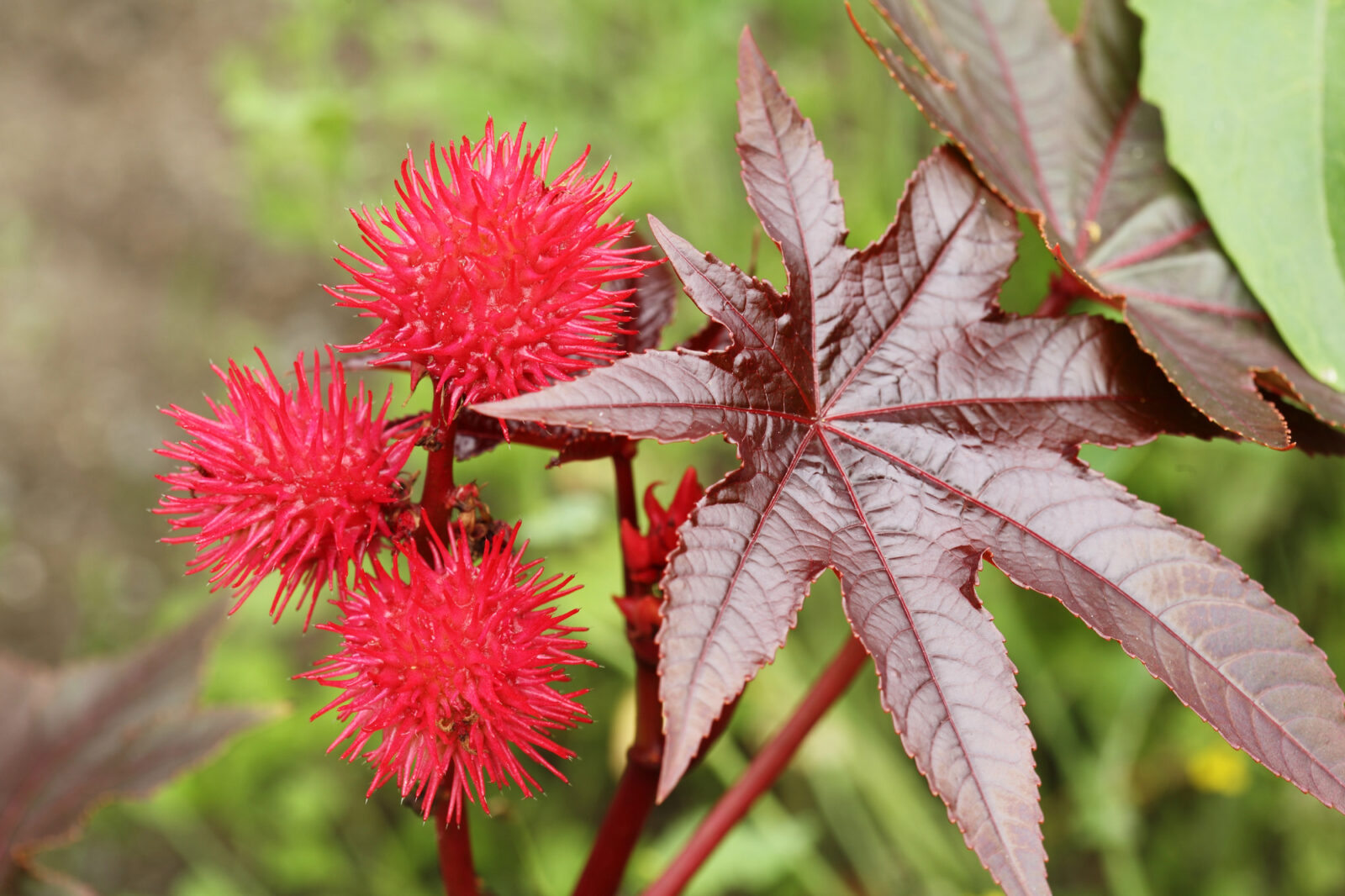
The castor oil plant is grown in the Czech Republic mainly for its looks, because it appears exotic and highly decorative. Its seeds, however, contain ricin, a substance ranked among the most dangerous plant toxins. Even a small amount can cause a severe condition, and compared with commonly mentioned poisons, ricin’s effect is extraordinarily strong.
For an adult, ingestion of roughly fifteen to twenty seeds is considered highly risky; for a child, around three may be enough. At first, poisoning may resemble an ordinary illness—fatigue, fever and headaches, for example. Later, though, serious damage can occur, including internal bleeding and failure of vital organs such as the liver and kidneys. The deceptive part is that death may not come immediately, but only after several days, and a person may feel it’s “just” intense nausea that will pass.
Poison hemlock: poisoning that can progress while fully conscious
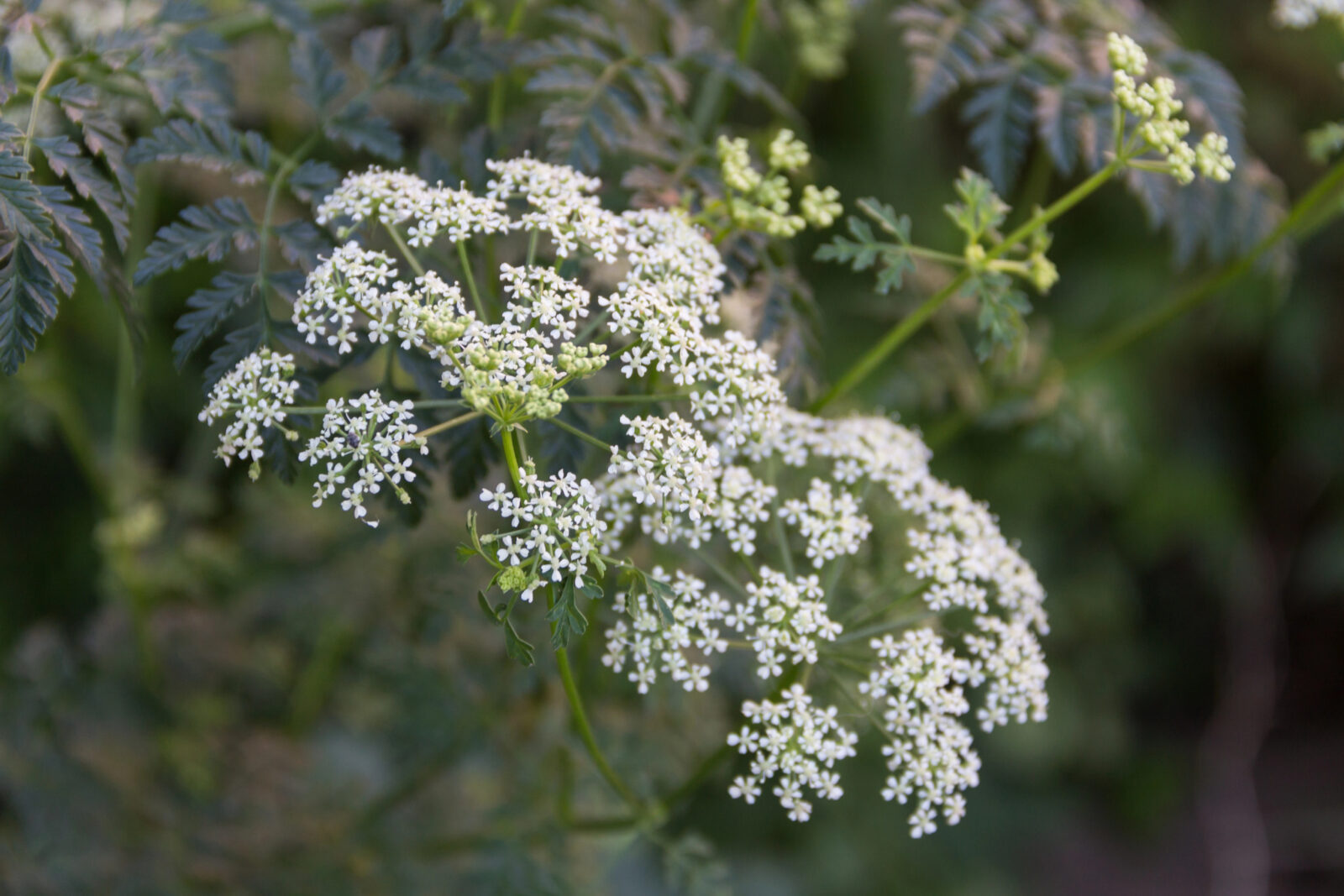
Poison hemlock is a tall herb that, in good conditions, can shoot up to several metres. It has a notorious reputation because the risk isn’t limited to ingestion. In sensitive situations, there is also mention of toxic substances penetrating through the skin, or problems caused by intense inhalation of the flowers’ scent, especially during careless handling.
The plant contains neurotoxins that disrupt signal transmission in the nervous system. Severe poisoning can develop quickly and includes progressive paralysis of the muscles. The most frightening part is that the affected person may remain conscious but loses the ability to control the body. Once the respiratory muscles are paralysed, suffocation becomes a real threat. Historically, hemlock is also cited as an execution poison, which shows how reliably it can kill at higher doses.
Jimsonweed: hallucinations, panic and rapid collapse
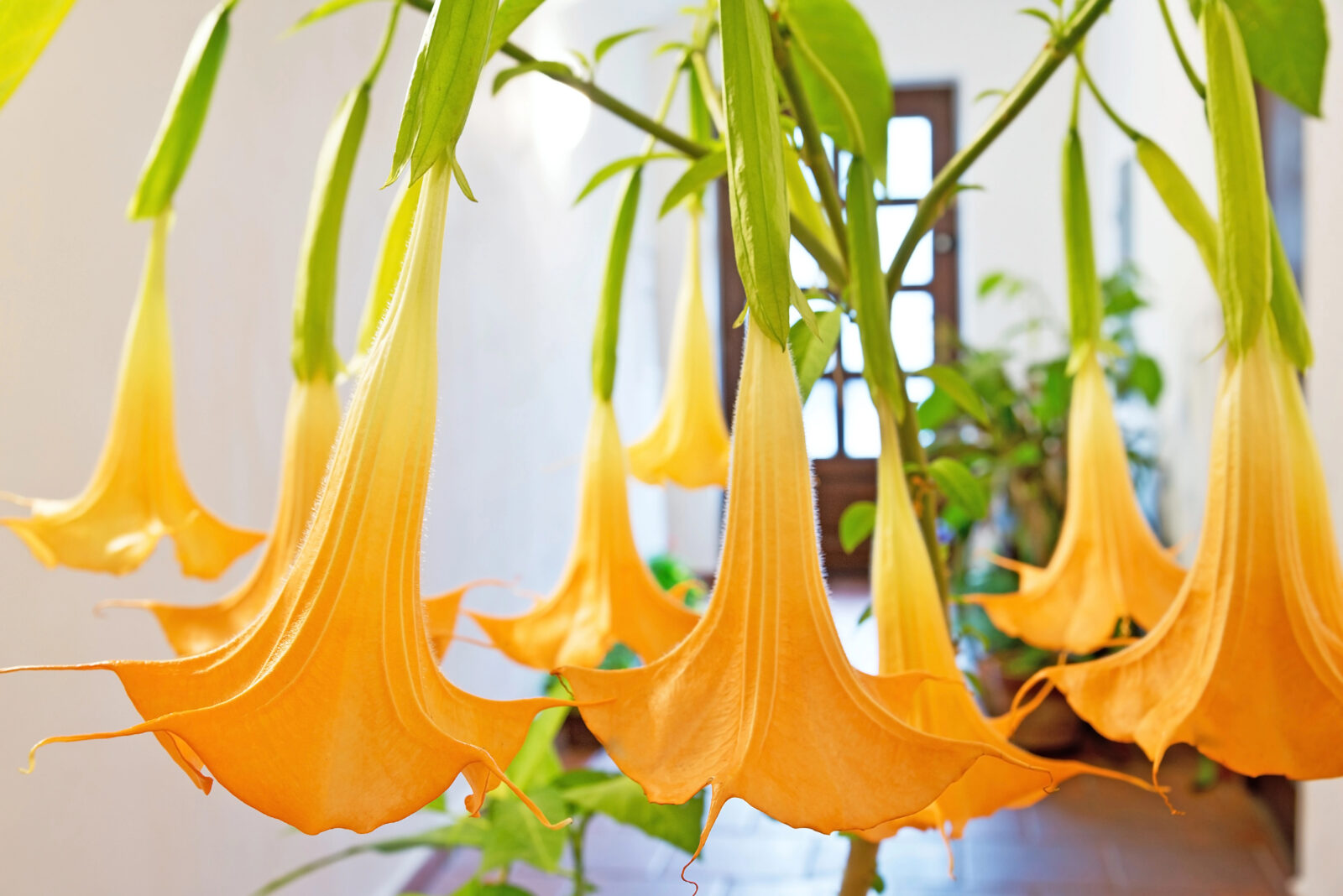
Jimsonweed is a striking plant with conspicuous flowers that can also turn up as a self-seeded weed in some places. It contains substances that affect the nervous system, typically atropine, hyoscyamine and scopolamine. These alkaloids can trigger severe disturbances in perception and behaviour, which in the past also led to misuse for inducing altered states.
Poisoning shows up as intense hallucinations, confusion, agitation and panic, sometimes aggression or automatic movements where the person seems sleepwalking. Pupils are often dilated, the mouth becomes extremely dry, the pulse speeds up, the skin flushes and sweating occurs. Eating even a single seed capsule can be lethal, and organ failure may occur within a few hours. Even with survival, long-term consequences can appear, such as persistent psychological difficulties.
Deadly nightshade: glossy berries that stop your breath
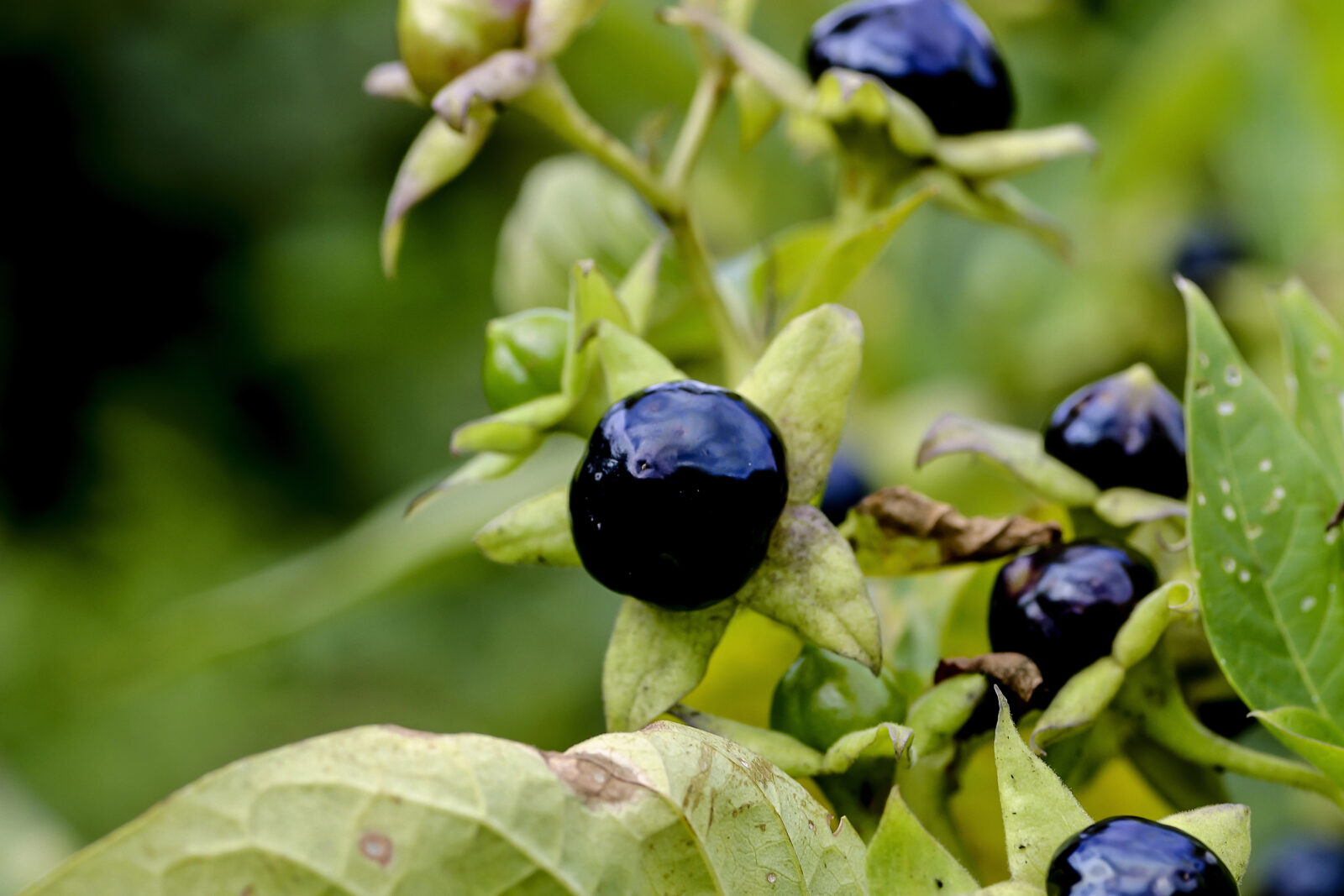
Deadly nightshade is among the best-known poisonous plants here, partly because its dark, glossy berries can look tempting. It contains potent alkaloids including atropine, which affect the nervous system and can also disrupt muscle function. In children, even a small amount can be critical—typically just a few berries—while in adults the risk is linked to larger numbers.
The first symptoms include dilated pupils, dryness of the mucous membranes and a racing heart. With more severe poisoning, hallucinations, high fever and convulsions follow, and then paralysis of the respiratory system. The root is especially poisonous, although it is not normally eaten. An interesting risk is indirect transfer: if sheep or goats graze nightshade, some substances may pass into the milk and cause milder poisoning symptoms.
Foxglove: a beautiful plant with a dangerous dose
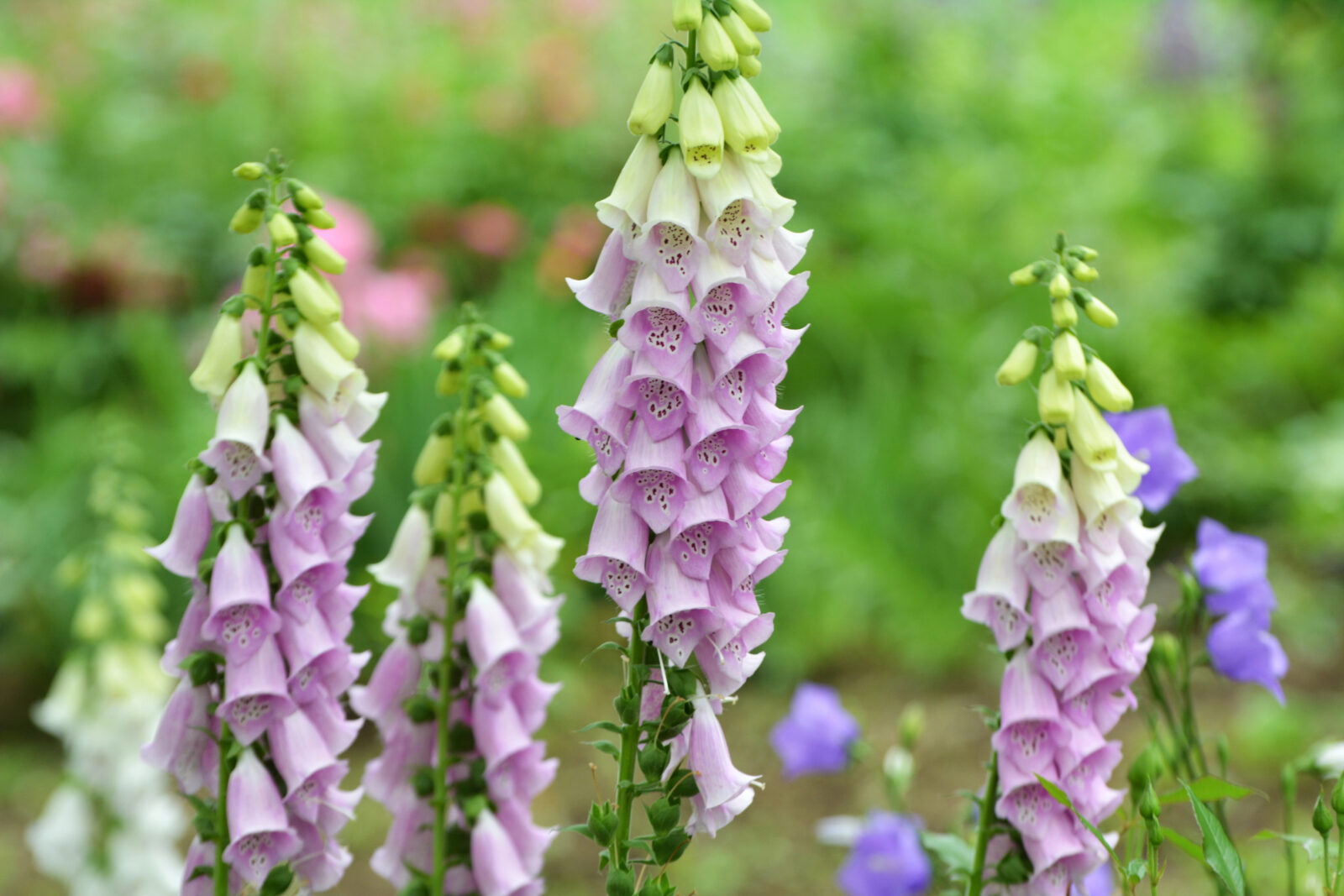
Foxglove is a conspicuous and, for many people, visually appealing plant found in the wild as well as in gardens. It contains cardiac glycosides—substances that strongly influence heart rhythm. The danger is that even a relatively small amount can be critical for a person; there are reports of risk after eating just a few leaves.
Poisoning usually begins with irritation in the mouth, vomiting and diarrhoea. Gradually, heart rhythm disturbances may appear, a slowed pulse, shortness of breath, dizziness and also hallucinations. In severe cases, cardiac arrest can occur within a short time. Some protection comes from the leaves’ very bitter taste, which puts most people off. At the same time, foxglove is a classic example of a plant from which, in precisely controlled doses, medicines used in cardiology are made—so the line between a remedy and a poison is exceptionally thin.
How to reduce risk on walks and in the garden
The best prevention is a combination of caution and knowledge. If you’re not sure about a plant, never taste the fruit or leaves, and don’t let children pick berries without supervision. With ornamental plantings, it makes sense to consider whether poisonous species belong in areas accessible to small children and animals. If poisoning is suspected, it’s important to act quickly, because with some plants minutes matter, while with others delayed symptoms can be dangerously misleading.
Knowing the most poisonous species can decide whether you bring home just a memory from your trip—or a serious health problem.
Source: Toxicological Information Centre, iZahrádkář, Wikipedia, Pestrazahrada.cz

A lover of nature, gardens, and everything that moves, blooms, or grows. He literally grows everything, from herbs to rare species, and he enjoys caring for animals just as much. In his work, he connects modern technology with tried-and-tested grandmotherly methods and is happy when both paths lead to the same goal.
Related articles

How to Choose a Sack for Storing Potatoes So They Don’t End Up in the Compost in a Few Weeks
The right storage sack helps protect potatoes from light and excess moisture, two common reasons they spoil. Learn when to choose a jute sack or a paper sack and how to keep your crop sound for months.
Silverfish Appear at Night and Vanish into Cracks Get Rid of Them with One Change Not a Spray
Silverfish thrive in dark, damp corners and often show up only at night. Long-term control comes from drying the space and removing hiding places, not just spraying chemicals.
How to Safely Tell Czech and Chinese Garlic Apart in the Shop by Taste, Appearance and Quality
Czech and Chinese garlic can look similar at first glance, but they differ noticeably in flavour, aroma, bulb structure and keeping quality. Learn the quick visual and kitchen tests that help you choose the better bulb with confidence.
Comments (0)
Be the first to comment.