
 English
  Polski
  Deutsch
  Nederlands
  Svenska
  Norsk
Norsk  Dansk
Dansk  Français
  Italiano
  Español
  Português
  Slovenčina
  Suomi
Suomi  Gaeilge
 The Christmas Amaryllis That Can Bloom for Years but Most People Throw It Away After Flowering
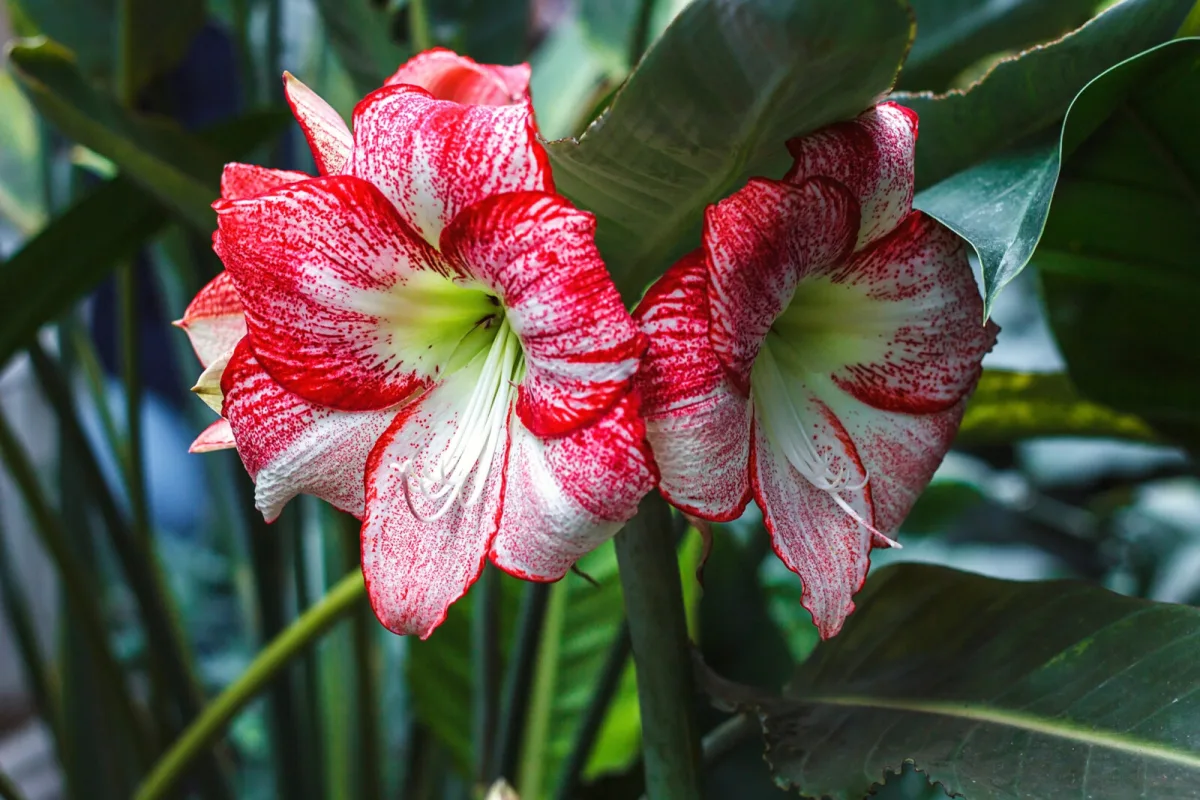
Hippeastrum is one of the most popular flowering bulbs, and many people associate it mainly with the Christmas season. It’s often mistakenly called amaryllis, and that name is widely used in everyday speech. It’s a striking houseplant with large flowers that, with proper care, won’t bloom just once but can bring pleasure repeatedly in the years ahead.
It’s grown in a container indoors because it isn’t cold-hardy. It typically flowers from winter into spring and, depending on the variety, grows to roughly 25 to 90 centimetres. It prefers a bright position with filtered light, and it’s generally considered moderately easy to grow, so it suits less experienced growers too.
How to plant the bulb correctly
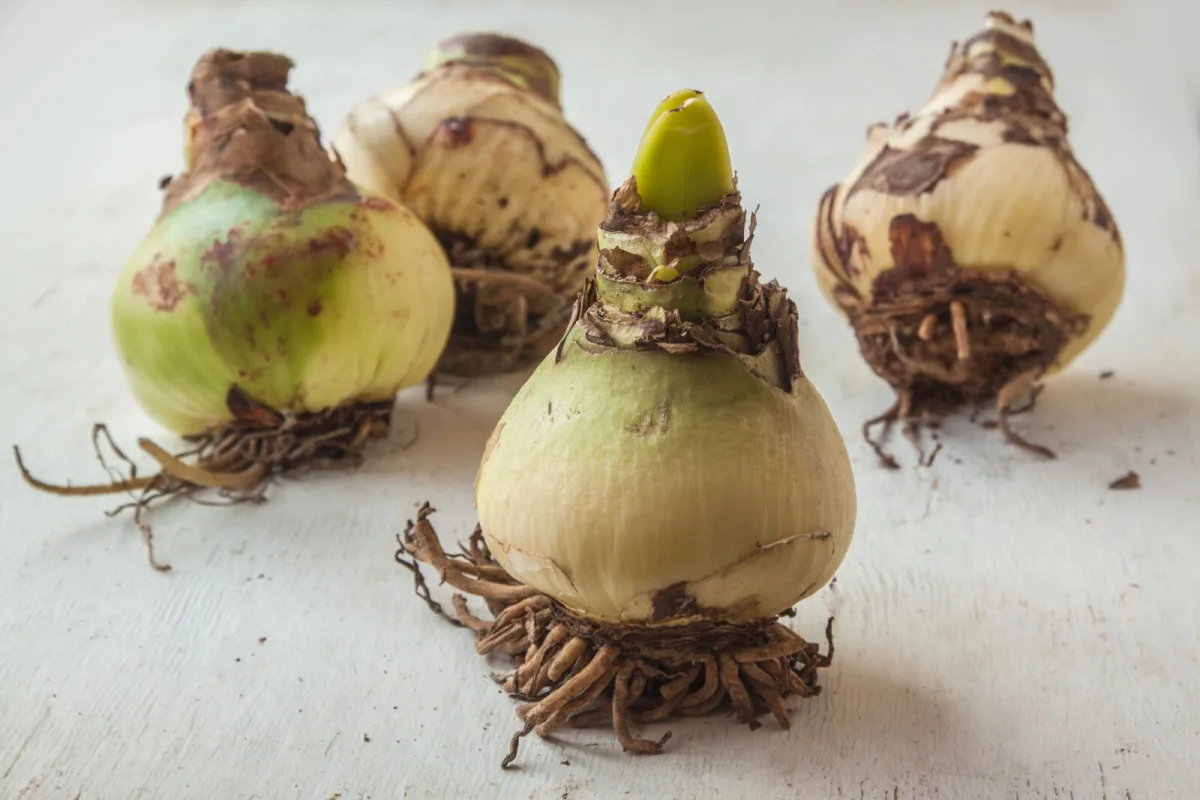
The best time to plant is usually from October to January. If the bulb is healthy and good quality, flowers typically appear around six to eight weeks after planting. Hippeastrum only needs a pot slightly larger than the bulb itself. It’s important that about two thirds of the bulb remains above the surface of the compost, because planting too deeply doesn’t suit the plant.
Use an airy, free-draining peat-free compost, for example a mix for houseplants or a slightly more loam-based container compost. After planting, place the pot in a very bright spot at around 21 °C. Water sparingly at first. Once new leaves appear, you can water more regularly. The compost shouldn’t dry out completely, but it’s also not good for water to sit in the saucer for long.
Because the flower stalk naturally leans towards the light, it pays to rotate the pot regularly. Varieties with exceptionally large blooms may need support so the stalk doesn’t topple. Once the plant comes into flower, it’s better to move it to a slightly cooler place at about 15 to 18 °C. The flowers will stay fresh for longer.
Care after flowering determines the next bloom
After flowering, it’s not enough to simply set the plant aside. The months that follow have a crucial impact on whether the bulb will set flowers again. Cut off the spent flower stalks right down at the base, but keep the leaves. They’re what allow the bulb to build up energy reserves for the next season. During growth, water carefully but consistently, and add a balanced liquid feed once a week.
In summer, you can keep the plant in its pot outdoors or in a greenhouse. However, it must be protected from harsh midday sun and not allowed to dry out. At the end of September, it’s recommended to move it to a bright but cooler place at around 13 °C. Over eight to ten weeks, reduce watering and stop feeding so the plant can shift into a more restful phase.
After this period, trim the old leaves back to about 10 centimetres above the bulb neck and replace the top layer of compost. Then you can start again with the usual routine as if planting a new bulb.
A second way to induce dormancy
There is also a simpler method. At the end of September, stop watering completely and let the plant dry down gradually. The above-ground growth can die back. Remove the spent flower stems and yellowing leaves, and store the pot for one to two months in a cool place, for example a garage or greenhouse. Light isn’t essential at this stage. Then return the plant to warmth and light and start watering and feeding again.
Repotting and long-term growing
Hippeastrum doesn’t need repotting every year. Usually, once every two to three years is enough, ideally from January to March after flowering. When repotting, it’s worth checking the bulb’s health, removing any damaged parts, and topping up with fresh, free-draining compost. Regularly refreshing the compost helps keep the plant in good condition.
Propagation options
This plant can be propagated in two main ways: sowing seed or separating offsets (bulblets). Both methods have their own specifics and differ mainly in how quickly you’ll see flowers.
Sowing seed
Plants grown from seed take a lot of time. They can take up to six years to reach maturity and flower for the first time. They also often differ in appearance from the parent plant. It’s best to sow the seeds as fresh as possible in spring into a light, well-drained seed compost. The temperature should be kept around 21 °C.
About five to six weeks after germination, start feeding with a standard houseplant fertiliser and continue until September. Grow young plants individually in small pots and move them into slightly larger ones as soon as the roots fill the container. Unlike mature bulbs, they shouldn’t be forced into dormancy; they should grow steadily in gentle warmth.
Offsets (bulblets)
A more practical route is propagation from offsets. These are separated at repotting time, between January and March. The best are those that already have their own roots. After separation, pot them up individually into free-draining compost and grow them at around 21 °C. Plants raised this way are usually true to the parent variety and will flower in roughly three to four years.
Popular varieties for growing at home
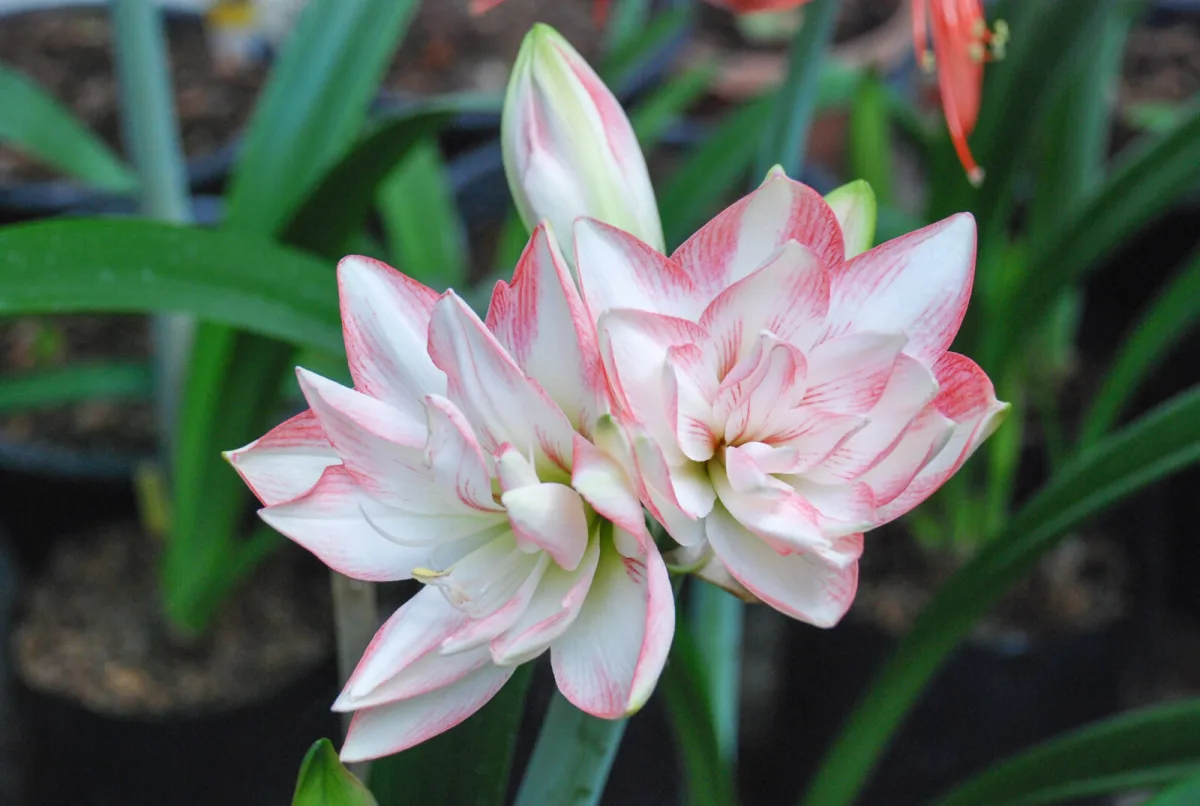
The range of hippeastrums is broad, and before winter many colourful forms are on sale. Interesting choices include Hippeastrum papilio with unusual white flowers marked with dark red veining and green tones. The variety Belinda is very bold with deep crimson blooms. Bestseller stands out with rich pink colouring, while Red Lion is a classic with strong red flowers. Star of Holland is also well known for its red-and-white patterning, as is Lady Jane, which produces semi-double salmon-pink blooms.
Why the plant sometimes won’t bloom
The most common reason for failure is poor care in the previous season. The bulb may not flower if it was forced into dormancy too early, if it grew in too much shade, or if it suffered from lack of water in summer. Weak flowering can also result from leaves not having enough time after blooming to build up reserves.
Problems can also be caused by diseases and pests. Sometimes fungal infections or pests that attack bulbs are to blame. If the plant is outdoors in summer, it’s also worth watching out for slugs and snails, which can damage the leaves. With the right approach, though, hippeastrum is a reliable and very showy plant that can become a regular highlight of the winter home.
Source: Rhs, Gardeners World, Pestrazahrada.cz
Related articles
How to Grow Winter Garlic for a Much Bigger Harvest
Autumn planting is the key to strong, healthy winter garlic, but the details make all the difference. With the right timing, bed choice, seed-clove treatment and a simple bicarbonate trick, you can noticeably boost yield.
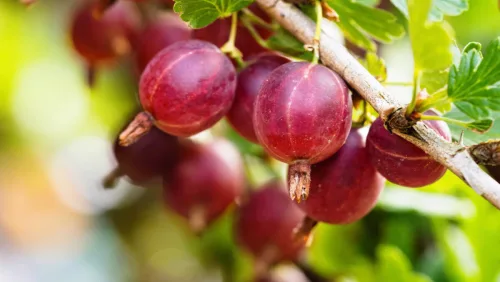
A tree or shrub planted properly in autumn can outpace spring stock and improve fruiting
Many fruit trees and soft-fruit shrubs establish better when planted in autumn, because roots keep growing while the top is dormant. Done well, this head start means stronger spring growth, less watering, and a healthier first year.
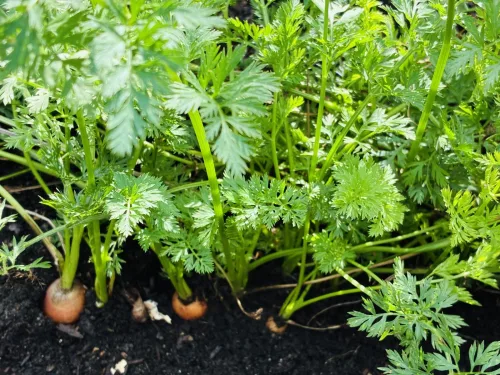
Three Steps That Decide Whether Your Carrots Will Be Straight and Sweet
Carrots are easy to grow, but a few key decisions make all the difference to straight, sweet roots. Choose the right variety, prepare the soil properly, and sow thinly for a steady, trouble-free harvest.
Comments (0)
Be the first to comment.