
 English
 Polski
 Deutsch
 Nederlands
 Svenska
 Norsk
 Dansk
 Français
 Italiano
 Español
 Português
 Slovenčina
 Suomi
 Gaeilge
Asian hornet has an unexpected enemy in Europe scientists confirm a native raptor preys on it
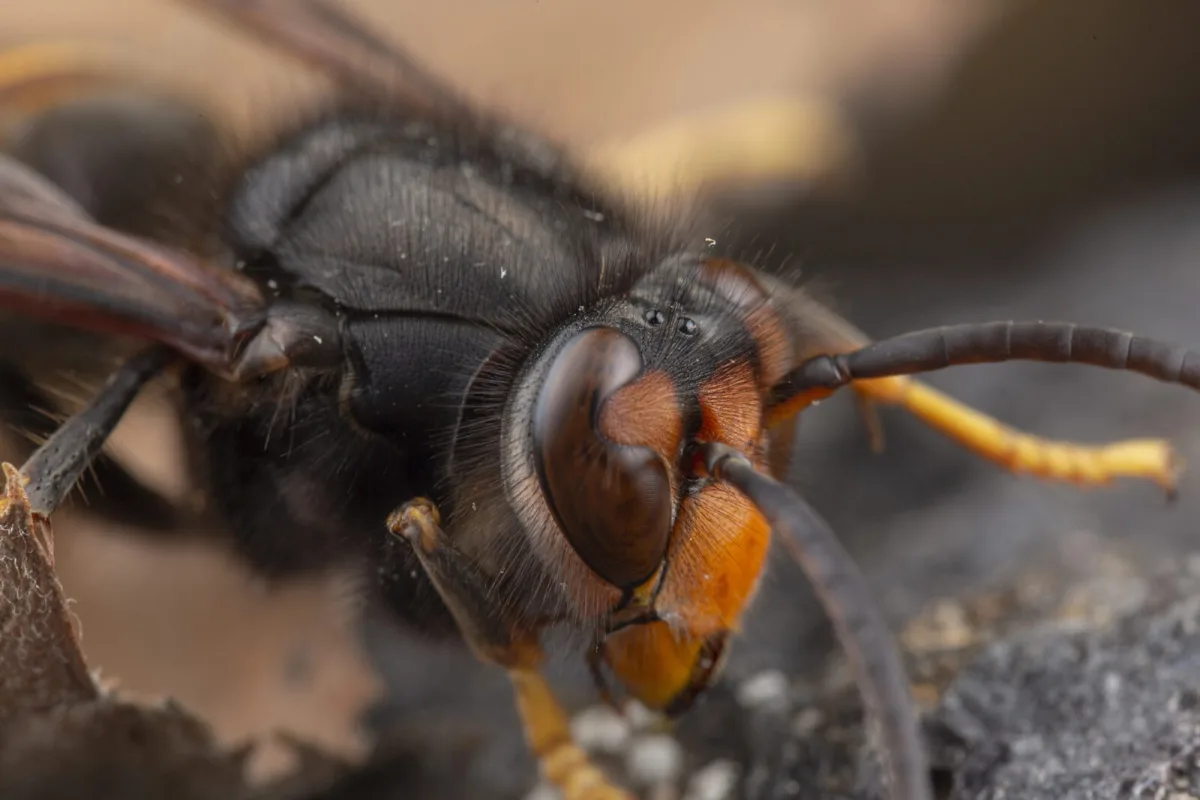
Scientists from Barcelona’s Institute of Evolutionary Biology have documented that the European honey buzzard, a common native raptor, can raid active nests of the Asian hornet. This is an important finding because this invasive species is spreading rapidly across western Europe and causing problems for native wildlife, beekeepers and people. The new research also suggests the honey buzzard could play a role as a natural enemy of this troublesome insect.
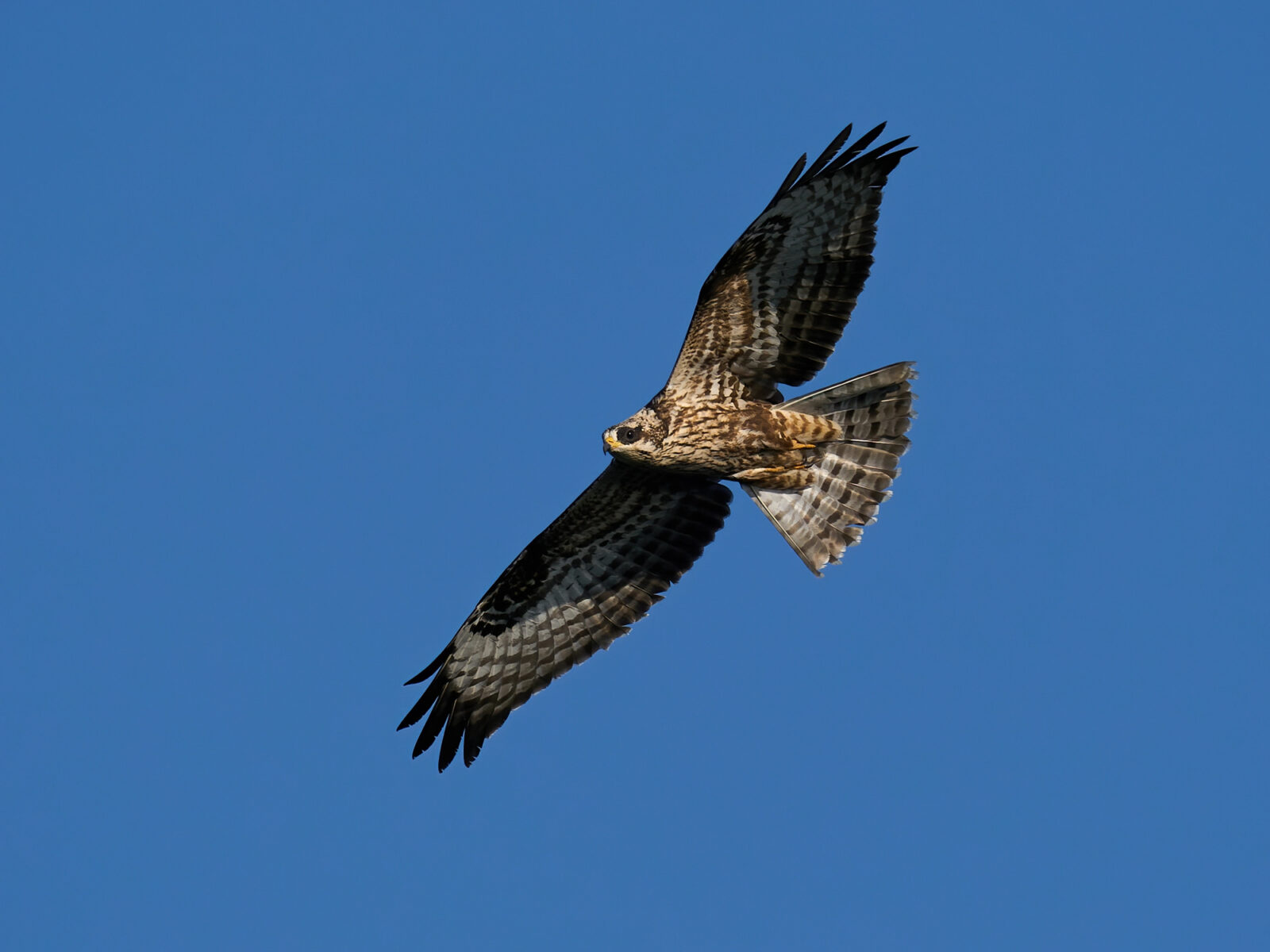
What makes the study exceptional is that it doesn’t rely on field observations alone. The researchers used genetic methods and, for the first time, confirmed with certainty that the remains found at a raptor nest really did belong to the Asian hornet. That makes the European honey buzzard the first known native European species able to attack colonies of this wasp during the period of their fastest growth.
How scientists made the discovery
The European honey buzzard feeds mainly on the larvae of stinging insects, especially wasps. For that reason, from 2011 to 2018 the research team monitored a population of these raptors nesting in parks around Barcelona and examined the food adults brought to their chicks. During one of the collections, the scientists found fragments of comb with strikingly large cells.
Based on size, there were essentially only two candidates. It could have been the very rare local European hornet, or the non-native Asian hornet. Because the nests of both species are built very similarly, appearance alone was not enough for a definite identification.
Genetics provided the decisive proof
The researchers turned to DNA barcoding, identifying a species from a short, variable segment of mitochondrial DNA. Even though the genetic material in the fragments was partly degraded, it could still be analysed accurately enough to remove any doubt. The result showed the pieces came from an Asian hornet nest.
This confirmed a suspicion that experts had already considered. Only now, however, could the claim be supported by direct evidence rather than indirect clues or assumptions based on the raptor’s behaviour.
Why the honey buzzard is such an effective hunter
The European honey buzzard is exceptionally well adapted to raiding wasp and hornet nests. Its plumage helps reduce the risk of stings, and the shape of its bill allows it to quickly extract larvae from the comb. It also has an excellent ability to locate nests, whether hidden in the ground or built above ground and in trees.
It is also surprising how quickly this raptor added a new food source to its diet. Observations around Barcelona suggest that from the arrival of the Asian hornet in the area to its use by honey buzzards, no more than about a single season may have passed. This points to considerable dietary flexibility and an ability to respond quickly to changes in the environment.
Asian hornet nests as an easily available food source
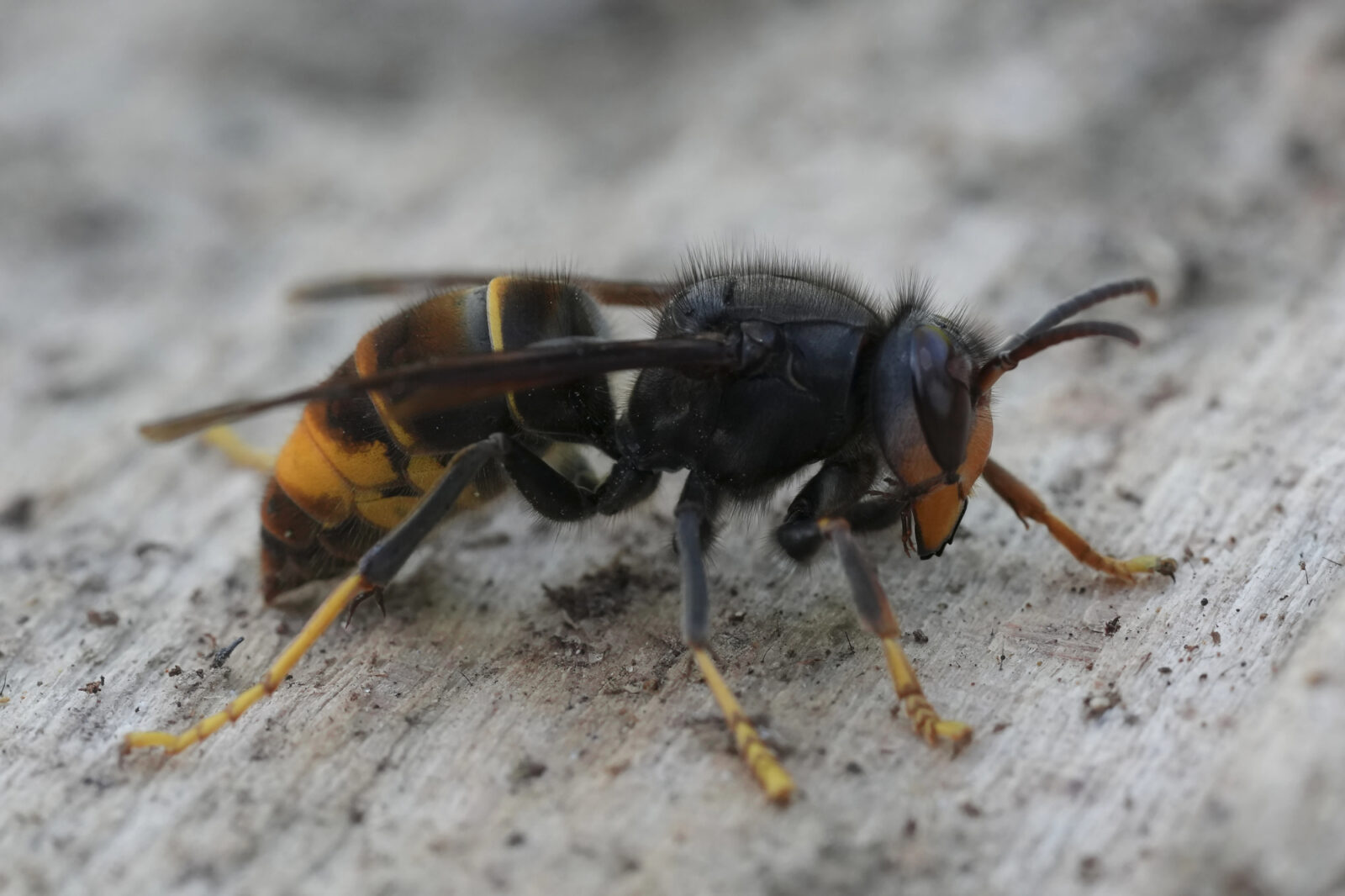
Honey buzzards generally prefer wasp and hornet species that form large colonies and whose nests remain active for several months. The Asian hornet fits this pattern perfectly. Its colonies keep growing for a long time and, in part of the season, contain large numbers of larvae, highly nutritious food for the raptor’s chicks.
Nest location also matters. Asian hornets often build large nests high in the tree canopy, sometimes almost 1 m across. For honey buzzards this can be an advantage, because such nests may be easier to reach than underground nests of other species, where the birds are more exposed to danger from ground predators or disturbance while handling prey.
This combination of abundant larvae, long colony activity and relatively good accessibility makes the Asian hornet an especially attractive food source. In addition, the period when Asian hornet colonies contain the greatest number of larvae coincides with the time when honey buzzard chicks need the most food.
Could it help regulate an invasive species
The Asian hornet began spreading in Catalonia from 2012 and has since been seen as a serious threat to local ecosystems and beekeeping. The fact that a native European raptor can exploit it raises an important question: could it at least locally help limit hornet numbers?
It is not yet possible to say that honey buzzards will solve the Asian hornet problem. However, the research shows that nature can sometimes find its own response even to newly arrived invasive species. The very fact that a European predator can attack colonies during their peak productivity is highly interesting from the perspective of biological control.
Protecting the raptor and getting interventions in the landscape right

The authors of the study also point out that any potential benefit from honey buzzards cannot be realised without protecting them. This raptor is sensitive to disturbance and to environmental pollution. Earlier studies, for example, have shown the presence of neonicotinoids in honey buzzards’ blood, insecticides known to have harmful effects on birds.
If hornet nests are therefore treated with pesticides, it is important that they are not left out in the open. They could become a dangerous source of contaminated food for raptors and other wildlife. Likewise, it is advisable to limit forestry operations or other disruptive activities near nesting sites during the breeding season, roughly from April to August.
The discovery doesn’t just reveal another curiosity from the world of birds. It also suggests that protecting native predators may have wider importance for landscape stability and natural defence against invasive species.
New questions for further research
The finding raises a number of further topics. Will the Asian hornet remain a beneficial food source for honey buzzards in the long term, or does it bring risks as well? Could its availability influence the raptor’s breeding success, the size of its populations, or the way it uses its territory? And to what extent will this hunting behaviour spread to other parts of Europe?
The research therefore brings not only evidence of an unexpected feeding strategy by a European raptor, but also hope that at least some of the pressure from the invasive hornet can be buffered in nature through natural processes.
Source: Institute of Evolutionary Biology Barcelona, Pestrazahrada.cz

A lover of nature, gardens, and everything that moves, blooms, or grows. He literally grows everything, from herbs to rare species, and he enjoys caring for animals just as much. In his work, he connects modern technology with tried-and-tested grandmotherly methods and is happy when both paths lead to the same goal.
Related articles
The Most Unusual Garden Visitor Isn’t Always the Biggest One
A garden can become a surprising meeting place between people and wildlife. Sometimes the most unusual visitor is a quiet, elusive animal you may not notice for years.

You Can’t Do Everything on Your Own Garden Four Situations Where Simple Neglect Becomes a Costly Mistake
A garden may feel like a private world, but it still comes with legal responsibilities. Neglected weeds, burning green waste, invasive plants, or unmanaged boundary trees can all lead to complaints and hefty fines.

Ten smart companion plants for peppers that naturally boost healthy growth and higher yields
Sweet or hot peppers thrive with the right neighbours. Companion planting can reduce pest pressure, support healthier growth, and often deliver a heavier harvest—without relying on unnecessary chemicals.
Comments (0)
Be the first to comment.