
 English
  Polski
  Deutsch
  Nederlands
  Svenska
  Norsk
Norsk  Dansk
Dansk  Français
  Italiano
  Español
  Português
  Slovenčina
  Suomi
Suomi  Gaeilge
 After harvesting blueberries do these steps and you will pick twice as much next year
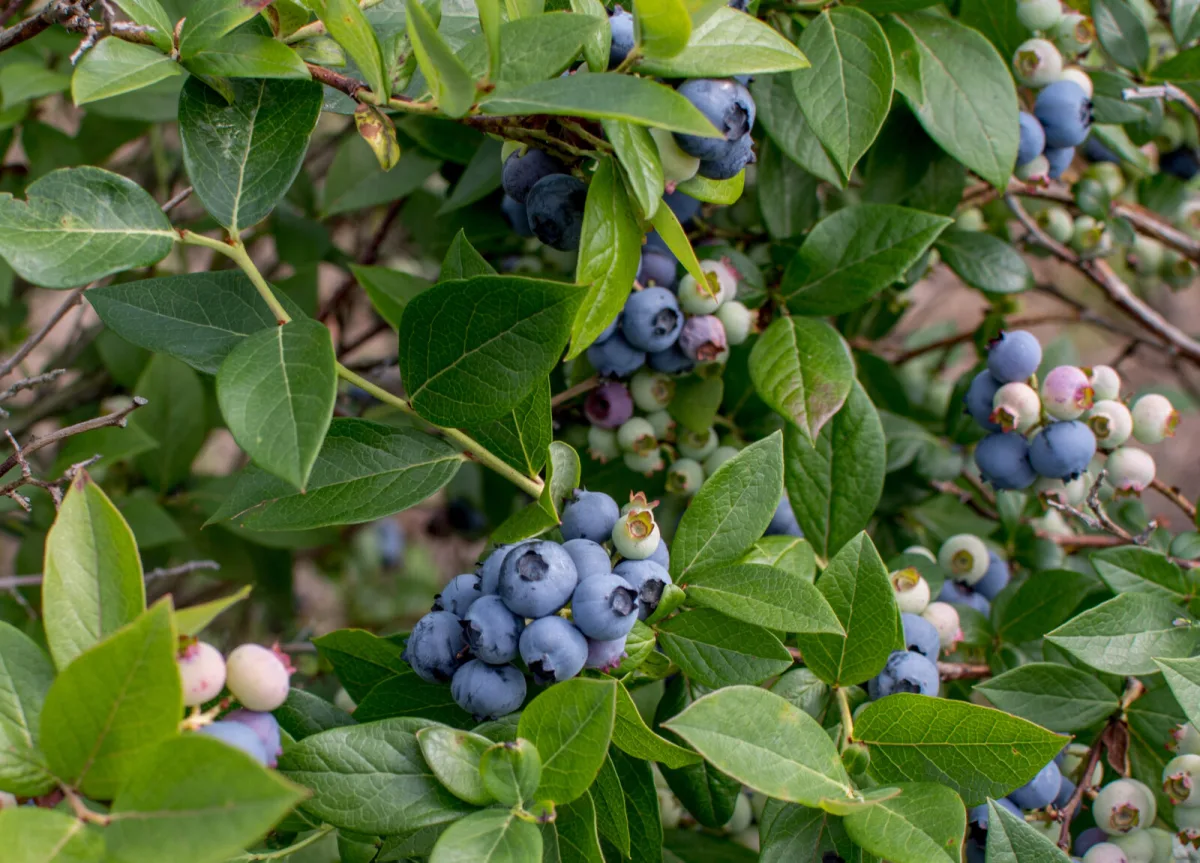
Once the last ripe fruit has disappeared from the bush, it can seem like you’re done for a long while. With blueberries, it’s exactly the opposite. The post-harvest period is what decides how many flowers—and then berries—you’ll get next season. In late summer and early autumn the bush builds reserves, sets buds, and prepares its wood for winter. If you support it with the right care at this stage, it will repay you with stronger growth and heavier cropping.
How to properly finish the harvest and keep the fruit in good condition
After you’ve picked the last blueberries, it’s worth thinking about how you’ll handle the crop. If you’re not eating them right away, don’t wash them immediately. The skin has a natural, delicate waxy bloom that acts as a protective barrier against drying out and spoilage. Washing only makes sense just before eating or processing. That way blueberries keep longer and are less likely to go off in storage.
Light post-harvest pruning encourages new shoots and better fruiting
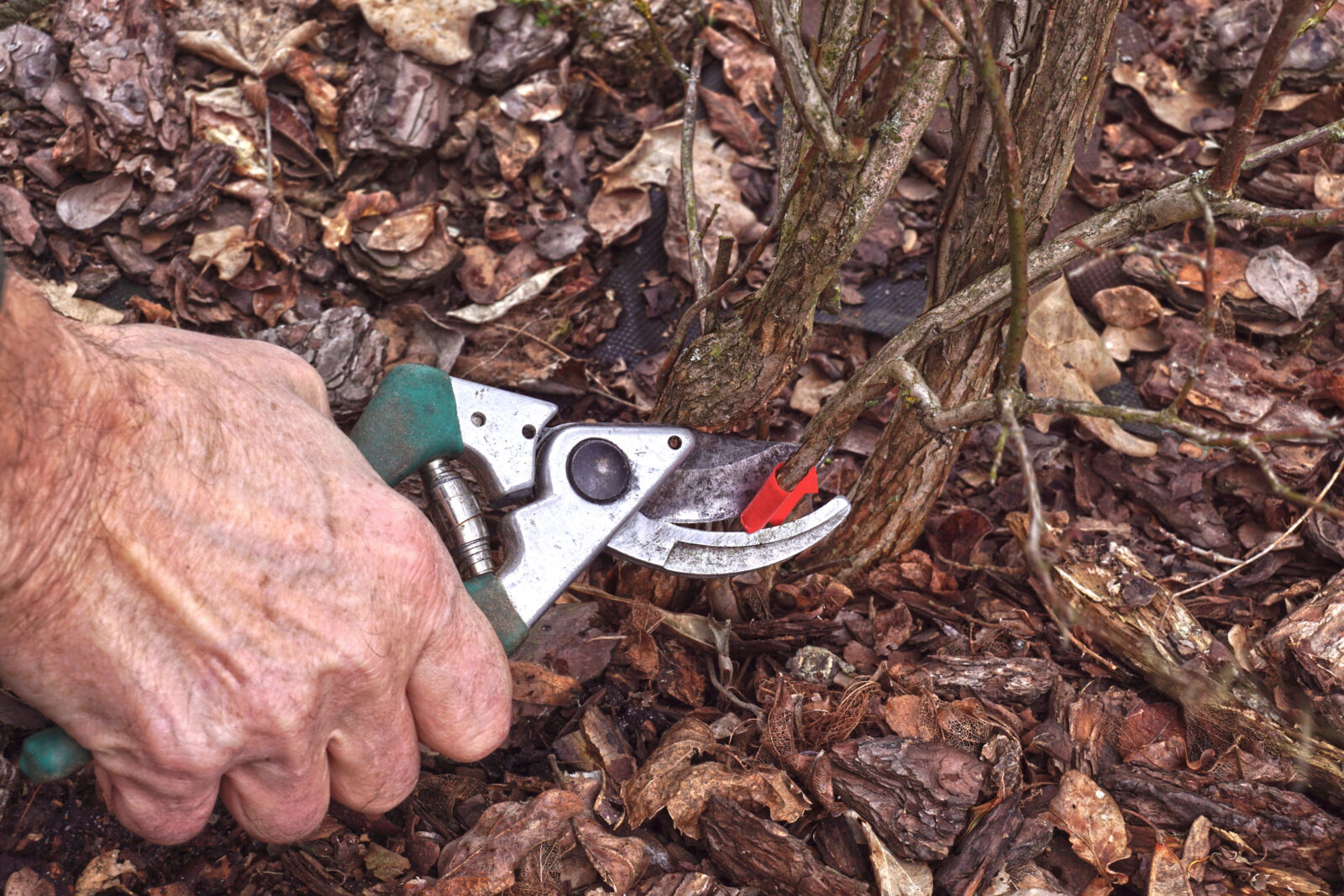
The period after harvesting is ideal for gently opening up the bush. The goal isn’t a hard cut-back, but removing what unnecessarily drains the plant. Take out weak, damaged, or clearly over-aged branches that produce little or nothing. This improves airflow, reduces disease pressure and, most importantly, frees space for strong new shoots that will carry next year’s crop. The best time is late summer into early autumn, when the plant is still active but no longer under the strain of ripening fruit.
Replacing nutrients after fruiting helps set buds for next year
Fruiting is energy-intensive for blueberries, so after harvest they appreciate a nutrient top-up. Use a fertiliser made for ericaceous (acid-loving) plants, which respects their need for a lower pH and supports flower-bud formation. If you prefer a gentler approach, lightly work a little peat or well-rotted compost into the surface layer—but always with care so the growing medium doesn’t lose its acidic reaction. The aim isn’t to overfeed the bush, but to replace what it spent on fruit and growth during the season.
Watering matters after harvest too—roots are shallow and sensitive
Blueberries have a shallow root system, so they react quickly to drought. Even after picking, they shouldn’t be left without water, especially if autumn is warm and rainfall is scarce. At the same time, permanently waterlogged soil is dangerous and can lead to root rot. Ideally, keep the soil evenly moist, not saturated. If possible, use rainwater or soft water with a low lime content, because hard water gradually raises pH and blueberries then struggle.
Mulch protects roots, holds moisture and helps stabilise pH
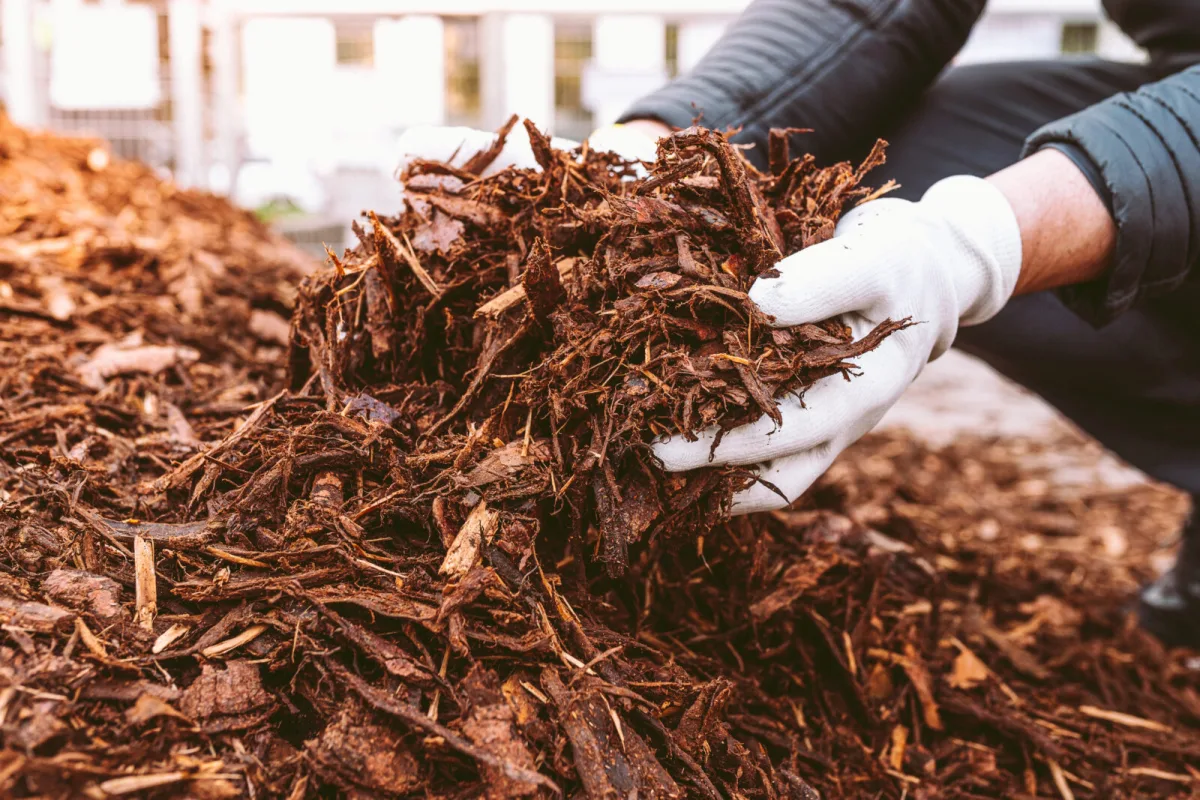
After harvest is also a good time to refresh or top up the mulch. A layer of material on the soil surface helps retain moisture, suppresses weeds, and also acts as thermal insulation for the roots. In winter this is especially valuable for younger plants and bushes in exposed, windy sites. Suitable mulches include bark, sawdust, pine needles or dry leaves, which naturally support an acidic environment. Beyond the immediate benefits, mulch helps long-term because the soil beneath it fluctuates less in both temperature and moisture.
When to consider transplanting or rejuvenating older bushes
If your blueberries have been in the same spot for many years and yields are gradually dropping, the issue may be exhausted soil, unsuitable pH, or an ageing bush. The post-harvest period is often considered a good time to transplant because the plant is no longer burdened with fruit, yet still has time to re-root before winter. With some bushes you can also consider division and propagation, which gives you new plants and rejuvenates the older one. With any move, it’s essential to prepare an acidic growing medium and keep moisture consistent so the plant isn’t needlessly stressed.
Winter preparation matters most for young and container-grown blueberries
Most highbush (so-called Canadian) blueberries are hardy, but winter can still be critical for small plants or those grown in containers. In pots, roots freeze faster than they do in the ground. A thicker mulch layer helps, and in exposed positions a cover of horticultural fleece can make a difference. Container blueberries can be moved into shelter or against a protected wall, where the root ball won’t be subjected to prolonged frost and drying winds. It also matters that the plant goes into winter in good condition—neither exhausted nor damaged by disease.
What to avoid after harvest so you don’t weaken the bush
There are a few mistakes that can undo otherwise good care. Blueberries don’t tolerate fresh manure: it doesn’t suit them and can shift the soil conditions away from what they need. Overwatering is just as risky—roots lose oxygen and rot easily. Don’t leave any rotting or mouldy fruit on the bush either, as it can be a source of infection and attracts pests. Keeping the bush tidy and watering sensibly are often just as important as fertiliser.
Good autumn care returns in spring flowers and summer harvests
If you give blueberries attention right after harvest, you’re giving them the best chance to set more buds and come through winter without losses. Light pruning, moderate feeding, regular watering, good mulch and, where needed, winter protection make up a simple but effective foundation. You’ll see the result in spring in the bush’s vitality and the number of flowers. And next season, that care usually turns into fuller bowls of blue fruit.
Source: Rhs, Almanac , Pestrazahrada.cz
Related articles
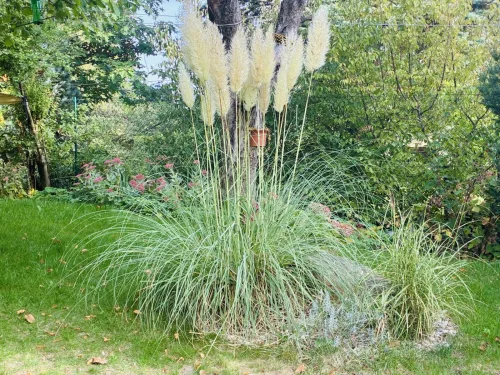
Take care with pruners on ornamental grasses Some are best cut back in autumn others in spring
Ornamental grasses bring movement and structure, but not all of them should be left standing until spring. For several warm-season and self-seeding types, an autumn cut-back keeps borders tidier and helps limit spread.
Don’t Prune Hydrangeas in October
Tidying the garden in autumn is tempting, but October pruning can cost your hydrangeas next year’s flowers. Only two light interventions make sense this time of year; everything else is best left until the right season.
A Pineapple Top Will Root in Two Weeks, but Success Depends on the Step Most People Skip
Don’t throw away the leafy crown when you cut a pineapple. With the right prep, light, warmth and careful watering, you can root it and grow a houseplant that may eventually fruit.
Comments (0)
Be the first to comment.