
 English
 Polski
 Deutsch
 Nederlands
 Svenska
 Norsk
 Dansk
 Français
 Italiano
 Español
 Português
 Slovenčina
 Suomi
 Gaeilge
A November Garden Can Still Bloom With These Flowers and Shrubs That Last Into Winter and Look Lovely Indoors
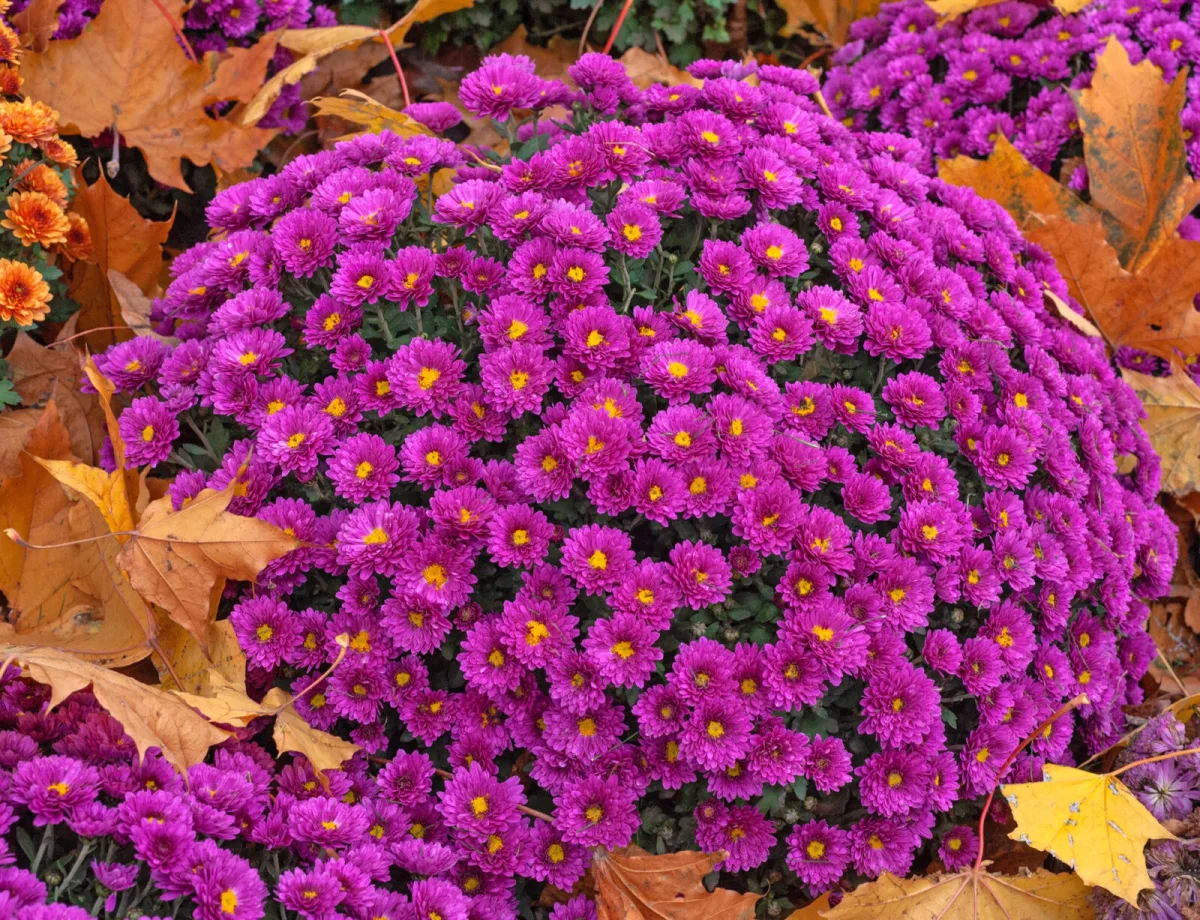
November is often the time when the garden slowly settles down for its winter rest. Days shorten, morning frosts become more frequent, and most summer flowers have already run out of steam. Even so, that doesn’t mean your outdoor space has to look bare and gloomy. Even at this time of year, there are plenty of plants that keep flowering or offer decorative berries, seed heads or evergreen foliage that’s ideal for a vase, too.
November really shows just how valuable plants are that cope well with cooler weather and shorter days. Some brighten borders with richly coloured blooms; others add softness and structure. If you’d like to bring a little of the garden indoors, there’s still a lot to choose from.
Classic flowers for late autumn
Chrysanthemums as the symbol of November flowering
Among the most striking November flowers are, without question, chrysanthemums. They’re loved for their abundant blooms and wide colour range, from white and yellow to pink, red and purple. In borders they extend the display well into late autumn, and they’re just as good as cut flowers in a vase.
Lower cultivars suit the front of plantings, while taller varieties shine as cut flowers. In colder areas, it’s worth remembering winter protection, because not all chrysanthemums are fully hardy in severe frost.
Pansies and violas for chilly weather
Pansies are among the most rewarding autumn flowers. Cool conditions suit them, and in November they often look fresher than they did during warm summer weather. Their flowers combine bold shades of yellow, blue, white and purple, and they instantly lift containers, edging and smaller beds.
Violas have a similar effect, with smaller, more delicate flowers, but they usually bloom very freely. Both of these plants can handle a light frost, bringing colour to the garden at a time when most other plants have already finished.
Stand-out plants that are also good for cutting
Nerines with striking pink flowers
Nerines are wonderfully elegant, and their blooms often resemble vivid lipstick tones. They’re most commonly seen in bright pink shades you simply can’t miss in a November garden. Some types are more frost-tender and do better with protection, but Nerine bowdenii can be grown outdoors in a sunny spot. It also performs beautifully in containers.
Hesperantha flowers right up to the first frosts
Hesperantha, previously often labelled as Schizostylis, can flower from late summer until harder frosts arrive. If autumn stays mild, you can enjoy its dainty blooms well into November. It works both in borders and in cut autumn arrangements, where it adds lightness and freshness.
Snapdragons can surprise you with more flowers
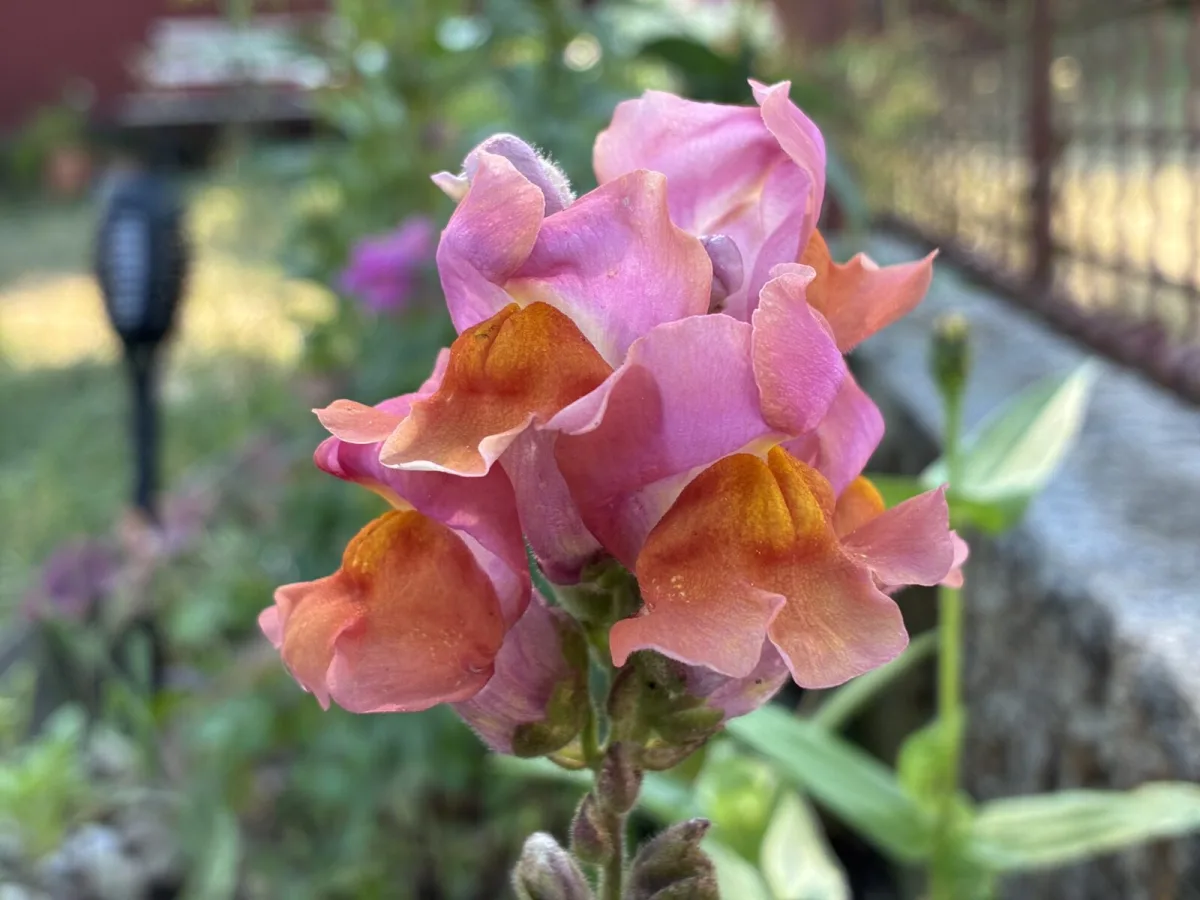
In areas with a milder autumn, snapdragons can continue flowering in November as well. Their upright spikes bring height and colour to plantings. Cooler weather often suits them better than summer heat, so they may come into bloom again. They’re attractive both in the border and in a vase.
Shrubs and perennials that decorate the garden between autumn and winter
Camellias and hellebores for an elegant look
Some camellias begin to open in late autumn. Their glossy evergreen leaves and rose-like flowers look wonderfully refined. They do best in partial shade and in soil that doesn’t dry out, yet still drains excess water well.
Hellebores, sometimes called Christmas roses, are another invaluable group for the colder months. Depending on the variety, they can start flowering at the end of autumn and continue through winter. Their blooms in white, pink, green or deep purple stand out especially well in shadier parts of the garden.
Winter jasmine and witch hazel as light on grey days
Winter jasmine is one of the most reliable shrubs for the cold season. Its yellow, starry flowers appear on green stems before the leaves emerge, creating a very eye-catching effect. It’s well suited to training against supports and walls, or growing more freely.
Witch hazel offers an unusual kind of beauty. It flowers on bare branches, and its narrow, fringed blooms can be yellow, orange or red. As well as its looks, it’s also valued for its delicate scent and excellent cold tolerance.
November isn’t only about flowers
Ornamental grasses and colourful berries
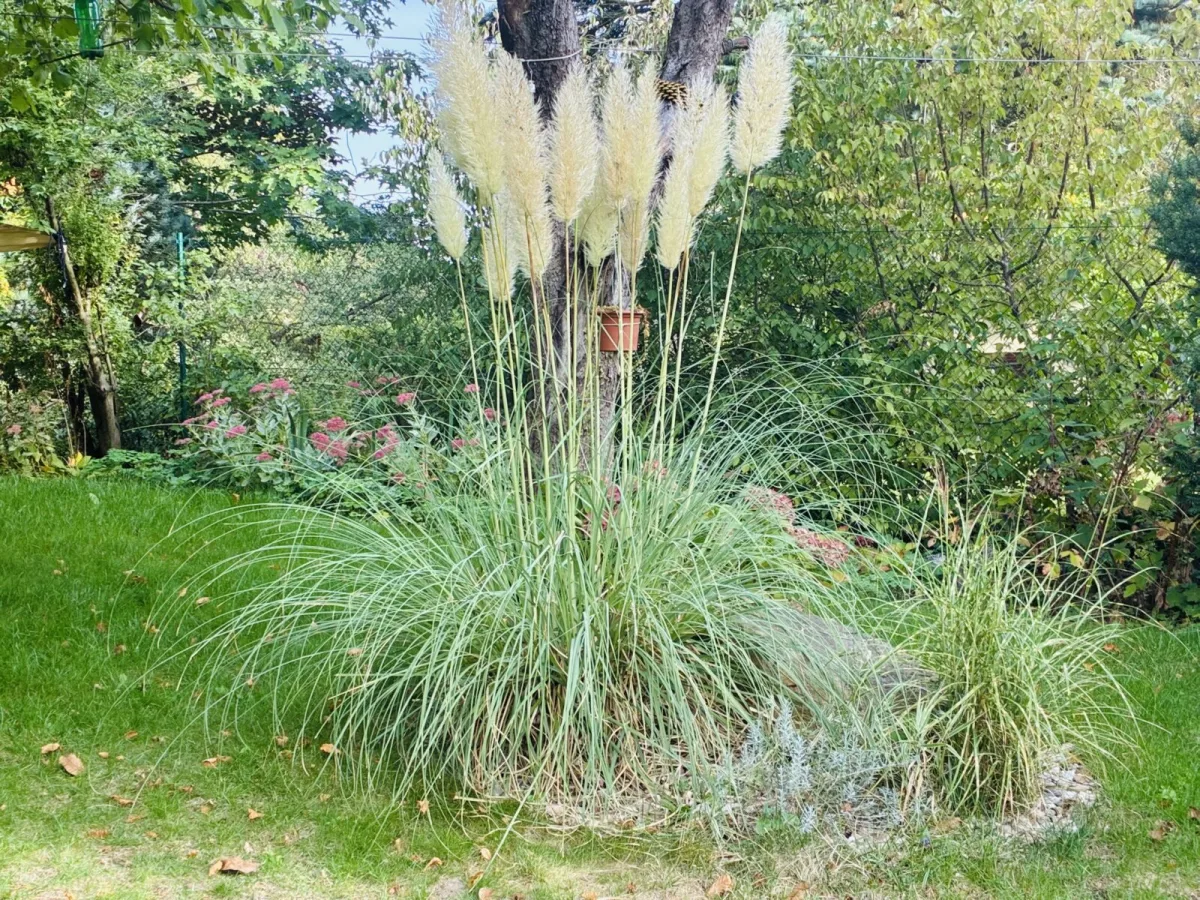
The November garden isn’t decorated only by flowers. Ornamental grasses also play a big role, such as Miscanthus. Their beige or silvery plumes give borders structure, movement and a wintry feel. You can snip a few stems for a vase, where they look wonderfully natural.
European spindle is also impressive, catching the eye in autumn with its vivid orange-pink fruits and strongly coloured foliage. Combined with late-flowering plants, it creates rich autumn arrangements and pairs beautifully with cut flowers from your own garden.
Other plants that will delight you in November
Among the plants that often keep flowering even now is calendula, with its warm orange and yellow tones. In a cool autumn it lasts surprisingly well, and it’s also valued for its practical uses. Winter heather brings tiny bell-shaped flowers and keeps the garden colourful even when most growth is fading.
Evergreen sprigs are still useful, too. Rosemary or eucalyptus can be used in November as bouquet foliage, valued for their fragrance, texture and fresh look.
A November garden doesn’t have to mean the end of colour. The right mix of flowers, ornamental grasses and shrubs can keep it lively and interesting right up to winter.
How to enjoy November flowers to the fullest
If you want your garden to look good at the end of the season, it pays to combine several types of plants. A mix of chrysanthemums, pansies, hellebores, grasses and berrying shrubs creates a varied display that feels natural and full. Some plants provide stems for the vase, others give the garden a strong framework, and others add fragrance or an unexpected splash of colour.
So November doesn’t have to be only a month of tidying up and preparing for winter. It can also be the season when the subtle, calm and very distinctive beauty of the late garden really comes into its own.
Source: Gardeners World, Proven Winners , Pestrazahrada.cz

A nurse by profession, she is passionate about healthy living, nature, and everything that benefits both people and the world around them. In her free time, she enjoys gardening, cooking, sewing, and caring for her family. In her articles, she loves combining professional expertise with practical experience from the garden and everyday life.
Related articles

Feed Blueberries in Autumn with a Homemade Mix That Ferments for a Few Weeks and Shows Results in Spring
If you want your blueberries to flower and fruit more heavily next year, try a simple homemade feed made from stale bread and used coffee grounds. Left to ferment for a few weeks, it can gently support soil life and the root zone going into winter.
Stonecrop is the easiest perennial for lazy gardeners but one common mistake ruins it
Stonecrop (Sedum) is a tough, drought-tolerant perennial, but it isn’t indestructible. Give it sun and sharply draining soil, and avoid overwatering to keep it compact and floriferous.
Lift cannas for winter: mistiming can ruin them and one extra week can decide next season
Cannas are spectacular summer plants, but in colder regions their rhizomes won’t survive hard frost in the ground. Lift them at the right moment, dry them properly, and store them cool and dry for replanting in spring.
Comments (0)
Be the first to comment.