
 English
 Polski
 Deutsch
 Nederlands
 Svenska
 Norsk
 Dansk
 Français
 Italiano
 Español
 Português
 Slovenčina
 Suomi
 Gaeilge
Tulips in November It’s Still Not Too Late
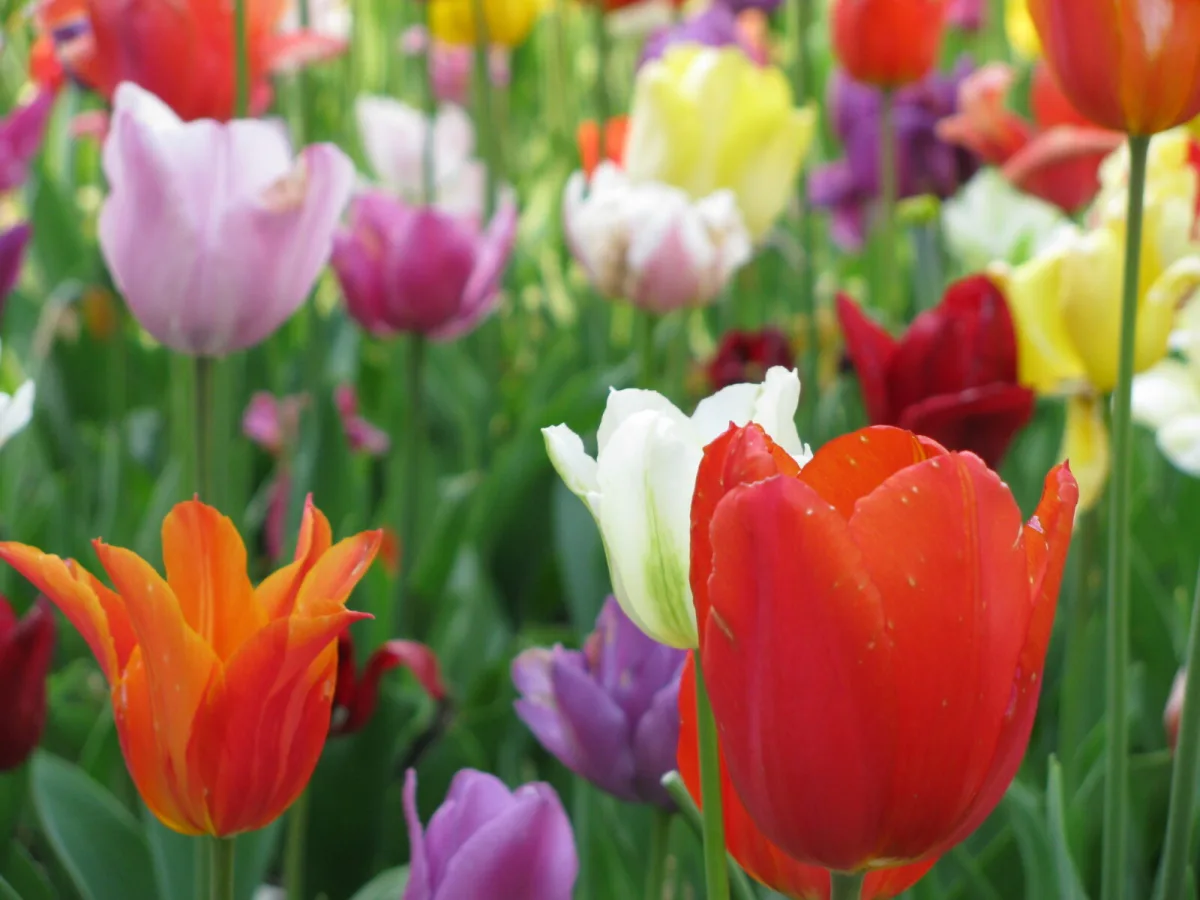
Many people feel that once October is over, it’s too late to plant tulips. In fact, that doesn’t have to be true. Tulip bulbs can be planted throughout November and, in the right conditions, even into December. What matters isn’t the date on the calendar, but the condition of the soil. If it isn’t frozen and can still be worked easily, the bulbs still have a good chance to root well and flower in spring.
Cooler weather actually suits tulips. Planting later can reduce the risk of certain fungal diseases that thrive mainly in warmer, wetter soil. So there’s no reason to throw bulbs away just because you got to the garden a bit later.
Choosing healthy bulbs is what matters most
Success starts at the point of purchase. It only makes sense to plant bulbs that are firm, plump, and undamaged. Avoid any that feel soft, dried out, mouldy, or otherwise compromised. Those bulbs are usually weakened, and the result can be poor growth or no flowers at all.
As a rule, larger bulbs tend to have more energy and produce bolder blooms in spring. When choosing, it’s worth paying attention not only to health, but also to the variety, plant height, and flowering time. That way you can plan a bed or container so tulips bloom in sequence and create a more varied spring display.
The right spot and planting depth make the difference
Tulips need a sunny position and soil that drains well. The biggest risk usually isn’t cold, but waterlogging. Where water sits for a long time after rain, bulbs can rot. If you have heavier clay soil, lightening it with compost and a material that improves drainage will help. Fresh manure isn’t suitable for planting.
Plant bulbs with the point facing up, at a depth of roughly three times their height. For most tulips, that means about 10 to 15 cm. Leave a similar amount of space between bulbs. Adequate spacing helps roots establish and also supports healthier growth in spring.
Protection from frost and waterlogging matters more than watering
After planting, there’s no need to drench tulips unnecessarily. Water only if the soil is dry and it hasn’t rained for a long time. If autumn is wet, extra watering is more likely to do harm. Too much moisture encourages rot and weakens bulbs before they’ve had a chance to root.
If you’re planting tulips late, don’t wait for perfect conditions. As soon as the ground isn’t frozen, it’s better to plant healthy bulbs and then protect them from hard freezing and excessive moisture.
Before winter, it’s worth covering the bed with a layer of dry leaves, straw, or evergreen boughs. This kind of protection helps soften sharp temperature swings and limits deep freezing of the soil. In spring, gradually remove the cover so emerging shoots get enough light.
How to protect tulips from rodents
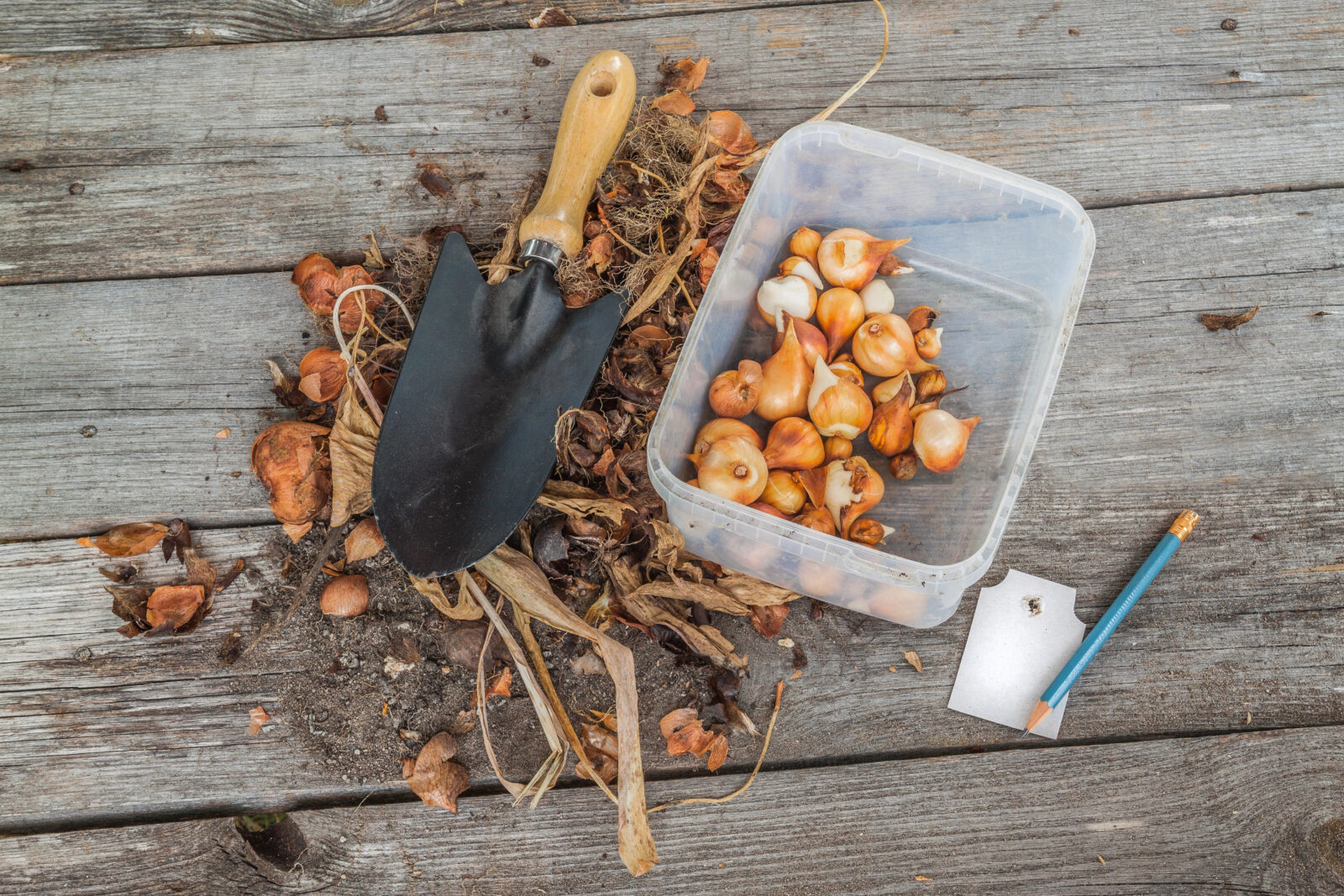
Tulip bulbs can be a real magnet for voles and other small pests. If they’re common in your garden, it’s worth using wire bulb baskets. The bulbs are placed inside before being covered with soil. The basket doesn’t stop roots or shoots from growing, but it significantly reduces the risk of bulbs disappearing over winter.
This simple step can decide whether you get a solid display of flowers in spring or just empty gaps in the border. It’s especially useful for more valuable varieties.
Tulips can also be grown in containers
If you don’t have a garden, you don’t have to give up on tulips. They’ll grow well in a pot or window box on a balcony or terrace. The container should be deep enough and must have drainage holes. A good-quality, free-draining compost is essential so excess water doesn’t linger.
Bulbs can be placed fairly close together in a container, but they shouldn’t touch each other. Over winter, containers need more protection than bulbs in the ground, because the roots are exposed to cold from all sides. Placing them in a sheltered spot and wrapping the pot in hessian or another insulating material will help.
Planting in December is still possible
Even December doesn’t necessarily mean hope is over. As long as the soil hasn’t frozen so hard that you can’t plant into it, healthy bulbs can still go in the ground. It’s worth bearing in mind, though, that tulips planted this late may flower a bit later in spring, less abundantly, or in some cases not at all. Still, it’s worth giving them a chance, especially if the bulbs are good quality and have been stored properly.
A late planting date doesn’t automatically mean failure. If you choose healthy bulbs, pick the right site, and provide winter protection, your tulips may pleasantly surprise you in spring.
Source: Bulbi, The Spruce, Pestrazahrada.cz

A lover of nature, gardens, and everything that moves, blooms, or grows. He literally grows everything, from herbs to rare species, and he enjoys caring for animals just as much. In his work, he connects modern technology with tried-and-tested grandmotherly methods and is happy when both paths lead to the same goal.
Related articles
Sea Buckthorn Is the Most Underrated Shrub in the Garden
Sea buckthorn is a remarkably tough, low-maintenance shrub that rewards you with vitamin-rich orange berries. With the right male-to-female planting, it can outcrop many fruit trees while asking for very little in return.
Perennials from autumn sales only sometimes survive winter: plant these now, others wait until spring
Many container-grown hardy perennials can still be planted in November, but only when soil and plant condition are right. Some types are better left until spring, especially in cold, wet or exposed gardens.
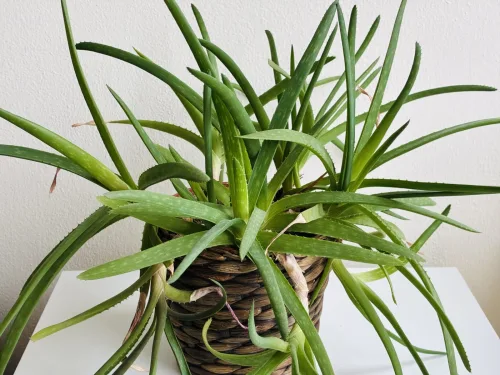
Aloe Vera Can Go a Month Without Water, but One Well-Meant Habit Can Kill It
Aloe vera is a tough, drought-tolerant houseplant, but it’s far more likely to suffer from too much water than too little. Learn where to place it, how to pot it up properly, and how to avoid the most common mistakes.
Comments (0)
Be the first to comment.