
 English
 Polski
 Deutsch
 Nederlands
 Svenska
 Norsk
 Dansk
 Français
 Italiano
 Español
 Português
 Slovenčina
 Suomi
 Gaeilge
Your Garden Needs More Than a Tidy-Up in Autumn: Five Natural Ingredients to Prepare Soil for a Fertile Spring
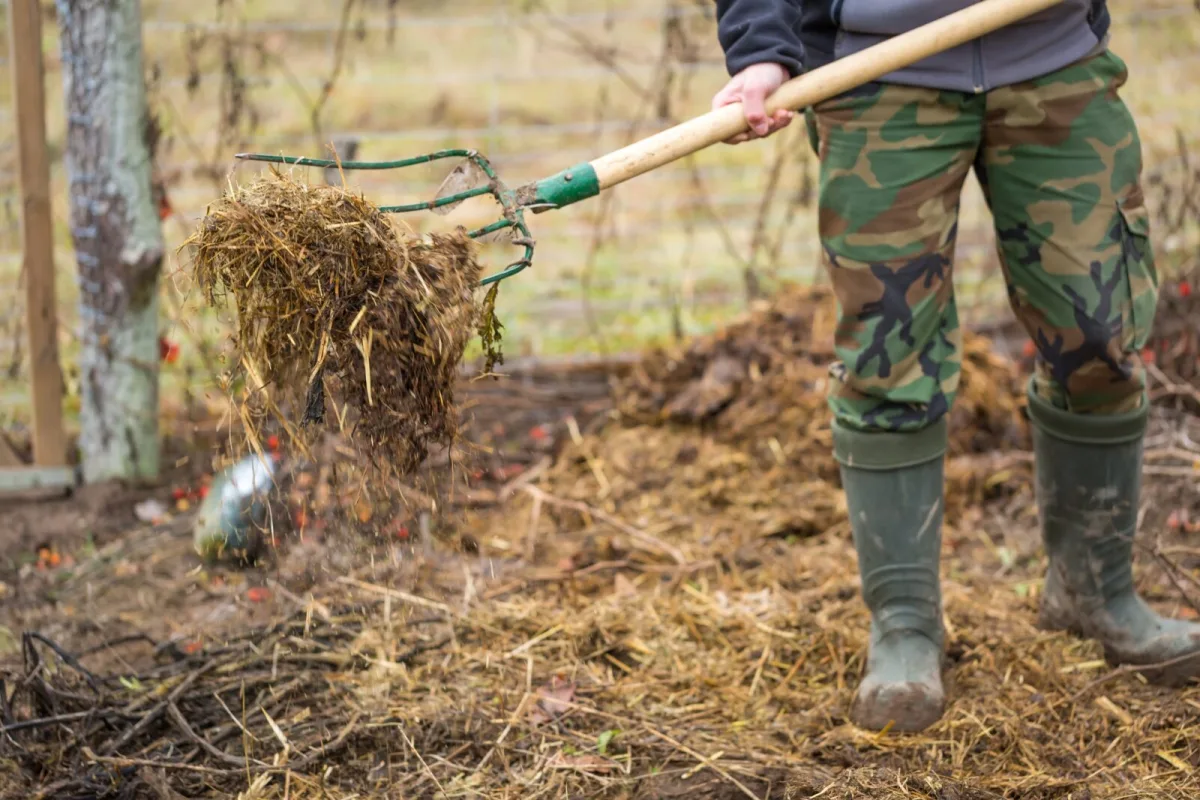
Autumn is the season when many people let the garden settle into rest. But that’s exactly when preparation for the next growing season begins. Besides planting spring bulbs or saving seed, it’s also extremely useful to focus on the condition of the soil. When suitable natural amendments are worked in or spread over beds before winter, they have several months to start doing their job. In spring, the soil is usually better prepared for planting, and plants can get off to a stronger start in more favourable conditions.
Experienced gardeners point out that topping up organic matter and soil conditioners in autumn helps improve soil structure, its ability to hold moisture and nutrients, and overall biological activity. The results can show up as healthier growth, stronger roots and plants that are less prone to stress during the season.
Test your soil first, then take the next steps
Before adding strongly concentrated materials such as lime, phosphorus or nitrogen, experts recommend having your soil tested. That way you’ll know what the soil truly lacks—and what it already has enough of. For routine seasonal care, however, the most useful options tend to be natural, organic materials that support the soil long term without unnecessary overload.
Diatomaceous earth helps with water and air in the soil
Diatomaceous earth is one of those natural materials that can noticeably improve soil quality. It’s often described as a kind of natural sponge because it manages moisture so well. It can help retain water and nutrients, reducing leaching. That’s particularly valuable where soil dries out quickly or where nutrients are easily washed away.
A major advantage of diatomaceous earth is its versatility. In heavy, compacted soils it improves porosity and creates more space for airflow. Roots then have better conditions for growing through the soil. In light, sandy soils it helps keep moisture within reach of plants for longer. Gardeners also appreciate it for other uses, as it can serve not only as a soil amendment but also in protecting the garden from certain pests.
Humic acid supports life in the soil
Another highly valued ingredient is humic acid. It’s an organic substance formed as plant and animal residues break down and it’s an important part of humus. In garden soil, it supports better structure, encourages microbial activity and improves the uptake of nutrients already present in the soil.
Its main benefit isn’t that it adds large amounts of new nutrients by itself. Instead, it helps the soil function more efficiently and naturally. It can be seen as a tool for restoring and strengthening the soil environment. If the goal is to bring soil back into balance and support healthy processes, humic acid is often an excellent choice. It’s available on the market in both liquid and granular forms, so you can choose the application method that suits your routine.
Well-rotted compost is an autumn staple
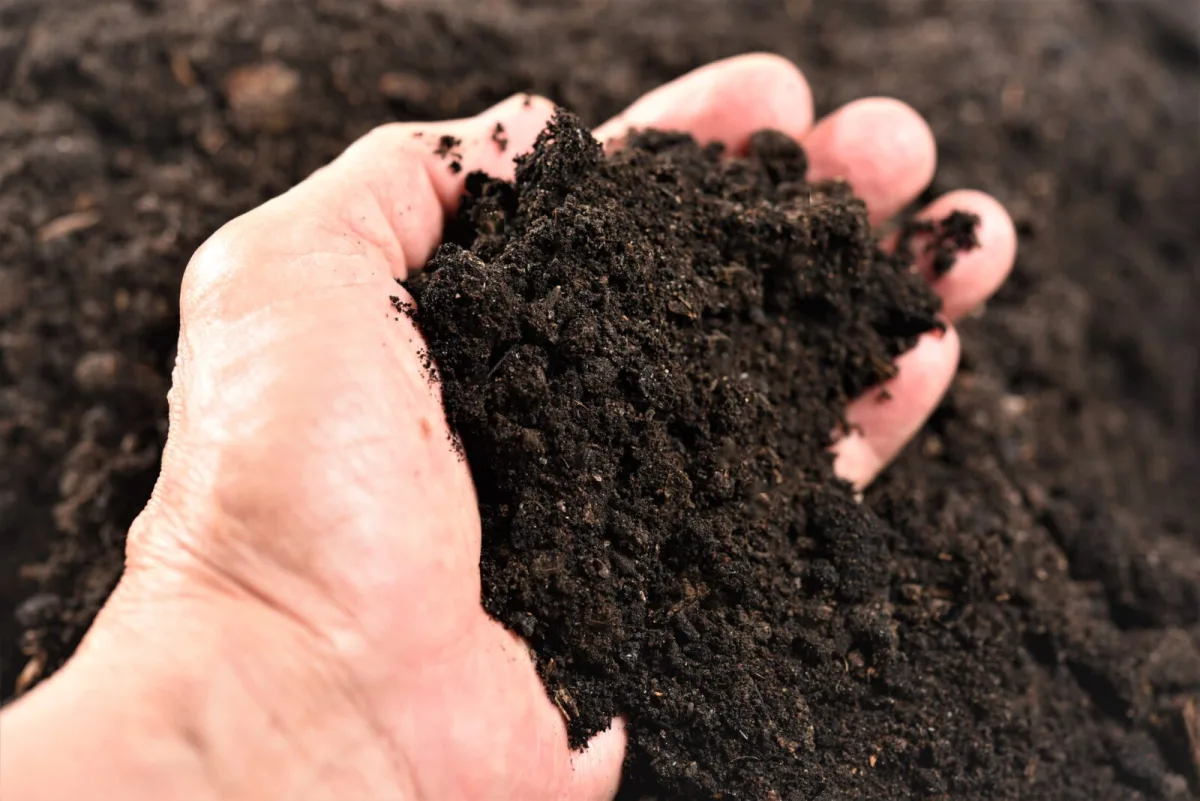
If a gardener has access to good-quality compost, autumn is the ideal time to use it. Spread roughly one to two layers a few centimetres deep over empty beds, then let winter, soil organisms and the weather do the work. Over the colder months, the organic matter continues to break down and gradually enriches the soil.
Compost improves soil structure, supports soil life and supplies valuable substances plants will need later. The key is to use truly finished, well-rotted compost. It’s typically dark, crumbly, cool to the touch and has a clean, earthy smell. If the compost isn’t fully broken down yet, it can temporarily tie up nitrogen in the bed—nitrogen your crops would then be missing.
Well-aged manure adds strength ahead of the new season
A very effective autumn soil booster is also well-rotted manure. Experts do warn against using fresh manure, though. It can contain too much nitrogen and may also bring in unwanted pathogens that haven’t had time to break down. That’s why it’s better to choose material that has been properly aged or composted.
The best type depends on what you grow. Cattle manure is often considered a reliable all-round option for general use. Chicken manure is very rich in nutrients, so it’s frequently suited to hungry crops or leafy vegetables. Sheep manure tends to contain more potassium, which can benefit flowers and fruiting vegetables such as tomatoes or peppers. Properly aged manure gives the soil the support it needs and has time to integrate well by spring.
Shredded leaves protect beds through winter
In autumn, fallen leaves are also an easily available—and very valuable—material. If shredded before use, they make a free mulch for empty beds. A layer of leaves helps protect bare soil and freshly added compost from erosion caused by rain, wind or winter weather.
As they gradually break down, the leaves turn into leaf mould, a material that further improves soil. Shredding matters, though. If whole leaves are laid on the bed, they can mat together into a dense, wet layer that in spring blocks air and water from getting through. Breaking them up is easy to do with a mower or other common garden tools.
Small autumn steps make a big difference in spring
Autumn soil care may not be as eye-catching as spring planting, but in the long run it’s among the most important jobs in the garden. Diatomaceous earth, humic acid, finished compost, well-aged manure and shredded leaves can each contribute in their own way to better soil structure, greater moisture retention and improved nutrient use.
If you treat the soil in autumn, it has plenty of time for a natural transformation over winter. In spring, you can start with a higher-quality foundation—and that often shows in the health and vigour of the entire garden.
Source: The Spruce, Rhs , Pestrazahrada.cz

A nurse by profession, she is passionate about healthy living, nature, and everything that benefits both people and the world around them. In her free time, she enjoys gardening, cooking, sewing, and caring for her family. In her articles, she loves combining professional expertise with practical experience from the garden and everyday life.
Related articles
Why Leave Old Plant Roots in the Bed Instead of Pulling Them Out
Instead of yanking out healthy spent plants, cut them off at soil level and leave the roots to break down in place. It improves soil structure, feeds soil life, and saves time with no downside in most beds.
Experienced gardeners don’t throw leaves away and use them in six smart ways
Fallen leaves are a valuable, free resource that feeds soil life, improves structure, and protects plants. Use them as mulch, compost, leaf mould, lawn feed, winter insulation, and wildlife habitat.
A Winter Soil Mound Protects Roses but Where You Take the Soil From Matters
Mounding soil around roses for winter works only if you don’t scrape it from right at the plant. Taking soil from elsewhere protects the graft union without exposing or damaging shallow roots.
Comments (0)
Be the first to comment.