
 English
 Polski
 Deutsch
 Nederlands
 Svenska
 Norsk
 Dansk
 Français
 Italiano
 Español
 Português
 Slovenčina
 Suomi
 Gaeilge
Winter sowing carrots parsley and parsnips for a head start in spring
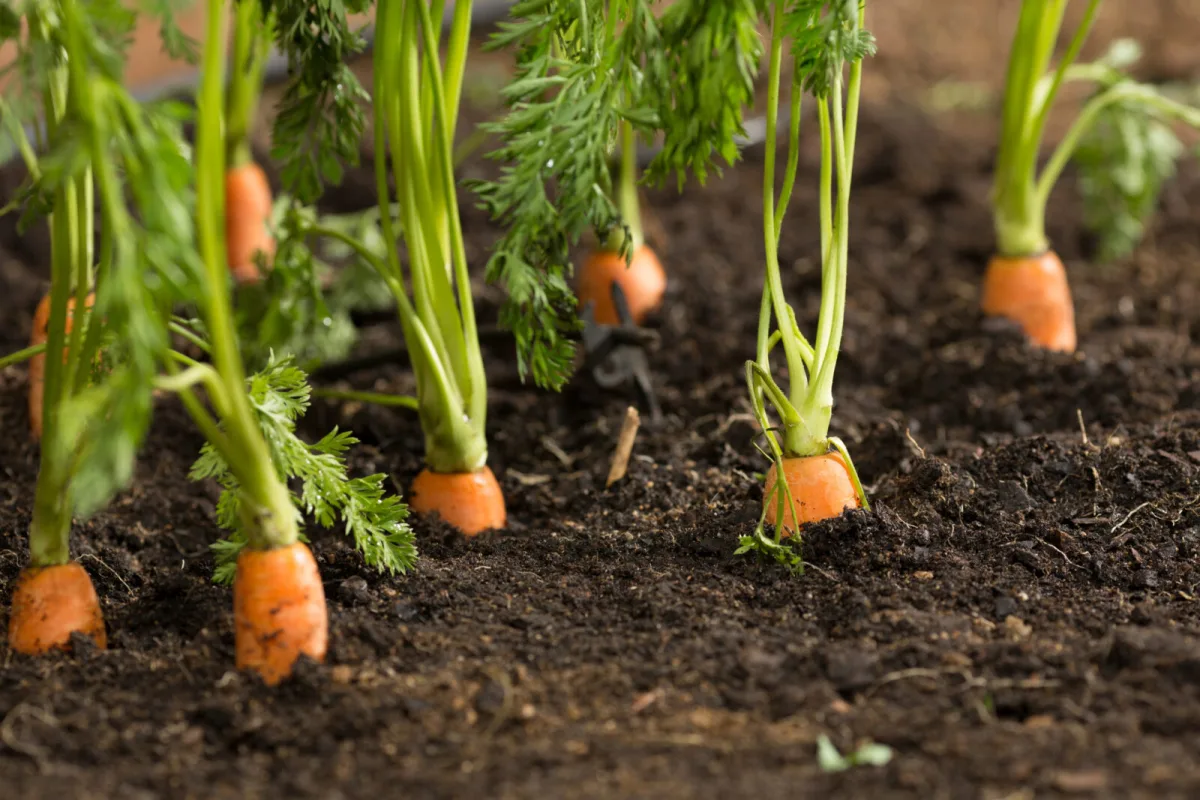
Late autumn and early winter can be a surprisingly good time to sow certain vegetables. This mainly applies to root crops such as carrots, parsley and parsnips. If you time the sowing correctly, you’ll save yourself work in spring, gain a valuable head start, and the seeds often get going faster and more evenly.
The most important rule is simple. The seeds must not germinate before winter properly arrives. That’s why you should sow only when temperatures in your area typically no longer rise above 8 b0C. In some places that’s November, elsewhere not until December. At the same time, the soil must not be permanently frozen, because you still need to be able to work it normally.
Autumn sowing works only when the seeds rest in the soil over winter and begin to grow with the arrival of spring.
Why it pays to sow before winter
Seeds sitting in the bed through the cold months won’t sprout, but they gradually take up moisture. In spring they get off to a better start and often emerge faster than with a standard spring sowing. Another benefit is that winter conditions help break down natural compounds that inhibit germination. The result can be better germination overall.
There’s also a practical advantage: in spring the soil often stays cold, sticky and hard to access for a long time. Before a gardener can even get to the first sowing, autumn-sown seeds may already be primed for a quick start. Young seedlings are also easier to distinguish from the first flush of weeds, so the rows are easier to maintain.
Which carrot varieties to choose
For autumn sowing, choose varieties with a shorter growing period, roughly 90 to 120 days. These carrots are more likely to make the most of an early spring start. So when selecting, it’s not only root shape or colour that matters, but the length of the growing season too.
Sowing step by step
Preparing the bed
The bed needs to be thoroughly cleared of weeds and any remains of the previous crop. The soil should be deeply loosened, ideally to about 30 cm, because carrots need room for the root to grow straight. If the ground is compacted, roots deform and fork easily.
You can work compost into the soil, but only fully matured compost. Carrots dislike fresh manure and unfinished compost. With root vegetables, good soil structure is crucial.
Marking out the rows
It’s best to space rows about 30 cm apart. What matters is keeping the furrows as even in depth as possible along their entire length. That way, all seeds receive a similar amount of moisture and emergence tends to be more uniform.
The sowing itself
Sow carrots about 1 to 2 cm deep. It helps to leave around 2 to 4 cm between seeds so you won’t need to thin too heavily later. After sowing, cover the rows with soil and press lightly. If you struggle with the tiny seeds, mix them in advance with a little fine sand, which makes even sowing easier.
Watering and protecting the bed
After sowing, it’s a good idea to water the bed so the soil settles snugly around the seeds. After that, you can leave the spot undisturbed. Some growers cover the bed with hessian or a similar material and remove it in spring so the sun can warm the soil faster. It’s better to add mulch between the rows in spring.
What to watch out for most
The biggest risk is sowing too early. If a prolonged warm spell arrives after sowing, the seeds can start to germinate and the following frosts will kill them. The second problem is frozen ground. A brief frost isn’t an issue, but at sowing time the soil must be workable.
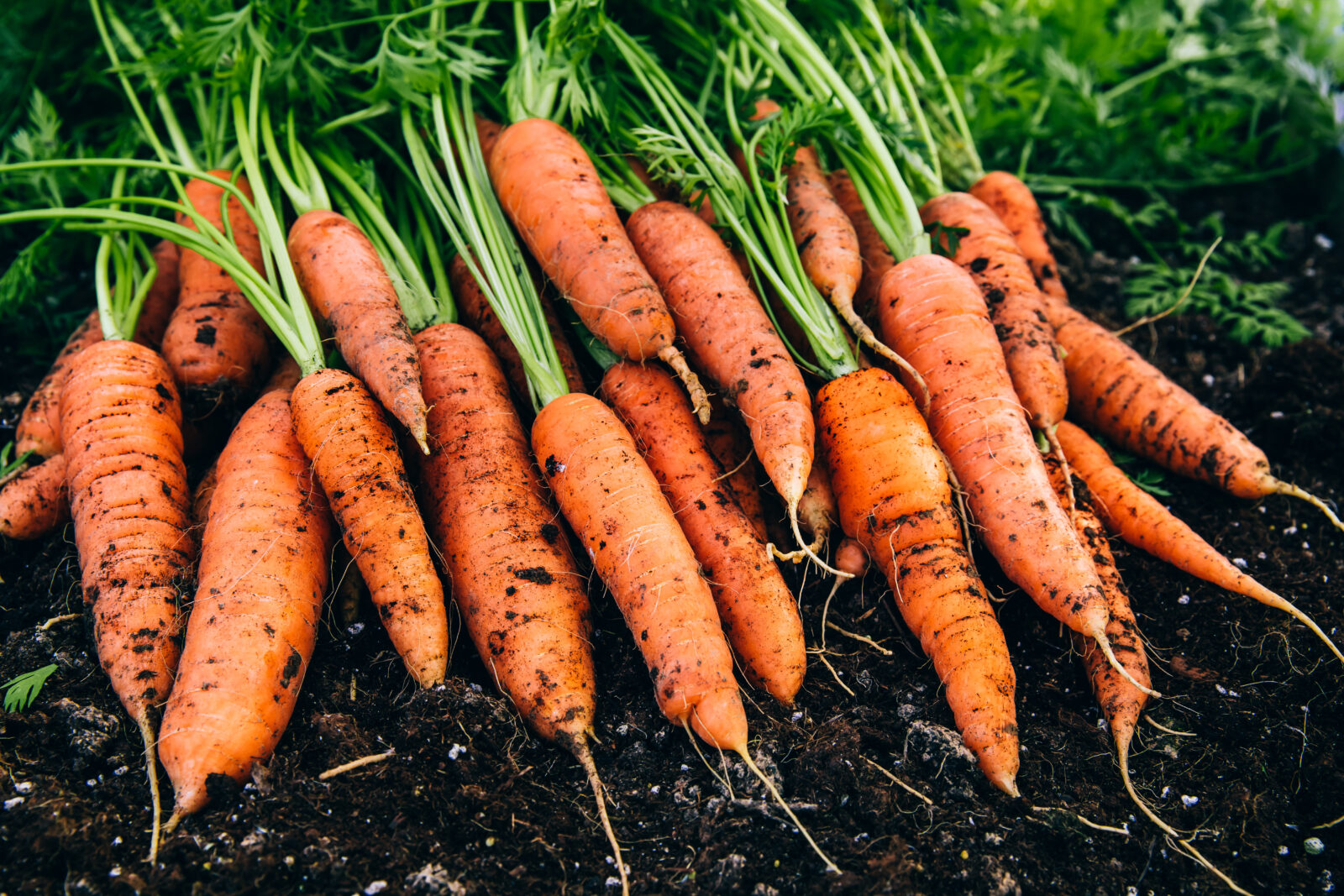
Mistakes also include sowing too shallowly or at uneven depth, as well as heavy, compacted soil. With carrots, soil quality shows up very quickly in the final shape of the roots.
What to grow alongside carrots
Even when sowing in autumn, it’s worth thinking ahead about next season’s bed plan. Carrots pair well with alliums. They work well with garlic, onions or leeks. These plants can help reduce pests that attack carrots.
In spring, you can also add radishes between carrot rows, or plant lettuce or endive. This kind of combination makes better use of bed space and increases planting diversity.
An autumn head start for a calmer spring
Sowing carrots before winter isn’t complicated, but it does require good timing and a well-prepared bed. If you hit the right moment, you’ll be rewarded with a faster spring start, clearer rows, and less stress at the busiest time in the garden. That’s the real strength of winter sowing.
Source: Florea Garden, Joe Gardener, Pestrazahrada.cz

A lover of nature, gardens, and everything that moves, blooms, or grows. He literally grows everything, from herbs to rare species, and he enjoys caring for animals just as much. In his work, he connects modern technology with tried-and-tested grandmotherly methods and is happy when both paths lead to the same goal.
Related articles

When to Plant a Cherry Tree in Your Garden for Strong Roots and Heavy Crops
Cherry trees establish best when planted during dormancy, either in autumn after leaf fall or in early spring before bud break. The right timing depends as much on soil and weather conditions as it does on the type and quality of the young tree.

When to Plant a Butterfly Bush for Heavy Bloom and Better Winter Survival
Butterfly bush (Buddleja davidii) rewards you with months of flowers when it’s planted at the right time. Spring planting is usually the safest choice, giving the shrub time to root well before winter.

In Mid-November You Can Still Safely Plant Trees, Fruit Bushes and Roses
Mid-November can still be a good time for planting, provided the soil isn’t frozen and can be worked. With sensible aftercare and frost protection, woody plants, fruit trees and bushes, and even roses can settle in well before winter.
Comments (0)
Be the first to comment.