
 English
  Polski
  Deutsch
  Nederlands
  Svenska
  Norsk
Norsk  Dansk
Dansk  Français
  Italiano
  Español
  Português
  Slovenčina
  Suomi
Suomi  Gaeilge
 Why Blueberry Leaves Turn Rusty and How to Bring Plants Back Fast
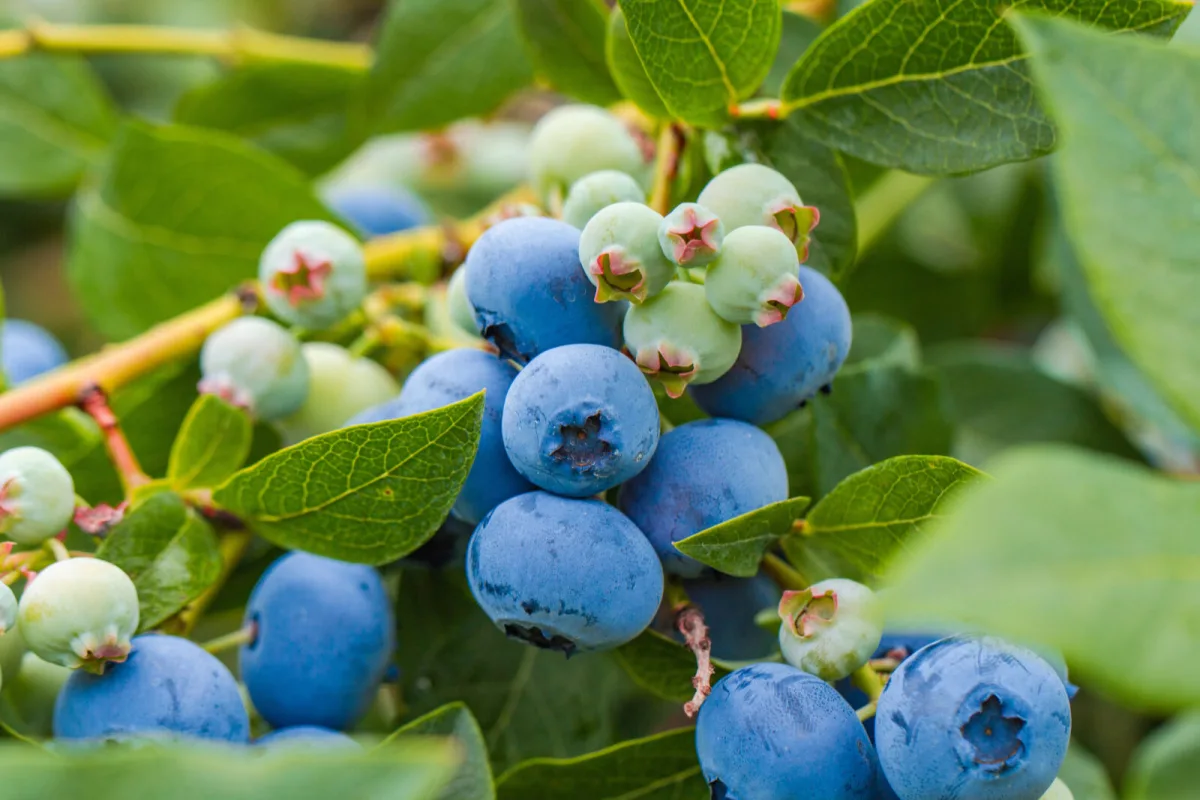
Growing blueberries can be a real pleasure, because well-cared-for bushes will reward you with reliably heavy crops. But as soon as rusty, brownish or orange tones start showing up on the leaves, it’s a sign the plant isn’t in peak condition. It’s not just cosmetic. Weakened leaves don’t photosynthesise efficiently, the bush wastes energy, and the fruit may be smaller, less sweet, or simply much sparser. The good news is that in most cases you can identify the cause and gradually put it right by focusing on soil, feeding, water, and overall plant health.
The most common cause is the wrong soil pH
Blueberries are acid-loving plants, and without acidic soil they rarely thrive long term. The ideal pH is roughly between 4.5 and 5.5. As soon as the soil becomes less acidic, the bush may still grow, but it starts struggling to take up certain nutrients. The result is often a change in leaf colour, a rusty cast, and a gradual weakening of the whole plant.
That’s why it makes sense to check pH regularly. If you find it’s higher than blueberries need, it’s best to acidify the soil. Acidic ericaceous composts and materials can help, as can fertilisers made specifically for blueberries, which adjust soil reaction while also supplying key nutrients. The crucial point is not to make sudden changes, but to correct things gradually and re-check as you go.
A lack of iron and magnesium can turn leaves rusty
Blueberries are sensitive to getting the nutrient balance right. When iron or magnesium is lacking in particular, the plant’s mineral balance can be thrown off. Leaves then often change colour, become pale, yellow, or take on a rusty tinge. Symptoms can be worse when soil pH is outside the ideal range, because even if nutrients are present in the soil, the plant can’t take them up effectively.
The fix is to top up nutrition with a suitable blueberry (ericaceous) feed, or products targeted at iron and magnesium. With iron, forms that remain available in less-than-ideal conditions are sometimes used, but it still holds true that without correcting pH, the effect is often only temporary. Over the long term, it pays to tackle the underlying cause and keep conditions steady and naturally acidic for blueberries.
Watering must be even, blueberries can’t cope with extremes
Another common reason for leaves turning rusty is linked to water. Blueberries need consistent moisture, especially during growth and fruit set, but they cannot tolerate permanently waterlogged soil. When watering is irregular and the bush swings between drought and overwatering, it becomes stressed. This can show up as leaf colour changes, browning and drying at the edges, or an overall drop in vigour.
In practice, it works well to water less often but thoroughly, so moisture reaches the root zone. At the same time, excess water must be able to drain away. If bushes are sitting in heavy, poorly drained soil, the risk of waterlogging increases, along with the likelihood of fungal problems. In dry spells, maintaining a mulch also helps, as it slows evaporation and stabilises conditions around the roots.
Diseases and pests as a hidden trigger
Rusty patches on leaves don’t always point only to feeding or pH. Sometimes they’re the result of fungal diseases, which spread more readily under poor conditions such as waterlogging, restricted airflow through the plant, or prolonged weakness of the bush. Pests, such as aphids, can also weaken plants through sap-sucking and by spreading further issues, which may show up in leaf colour and quality too.
That’s why regular inspection matters. As soon as you notice suspicious spots, distortion, sticky residue, or clusters of tiny insects, it’s worth acting. Depending on the situation, you can use suitable fungicides or insecticides, or choose gentler biological approaches. With aphids, for example, natural predators or organic sprays can work well and are suitable for gardens where you want to avoid harsher chemicals.
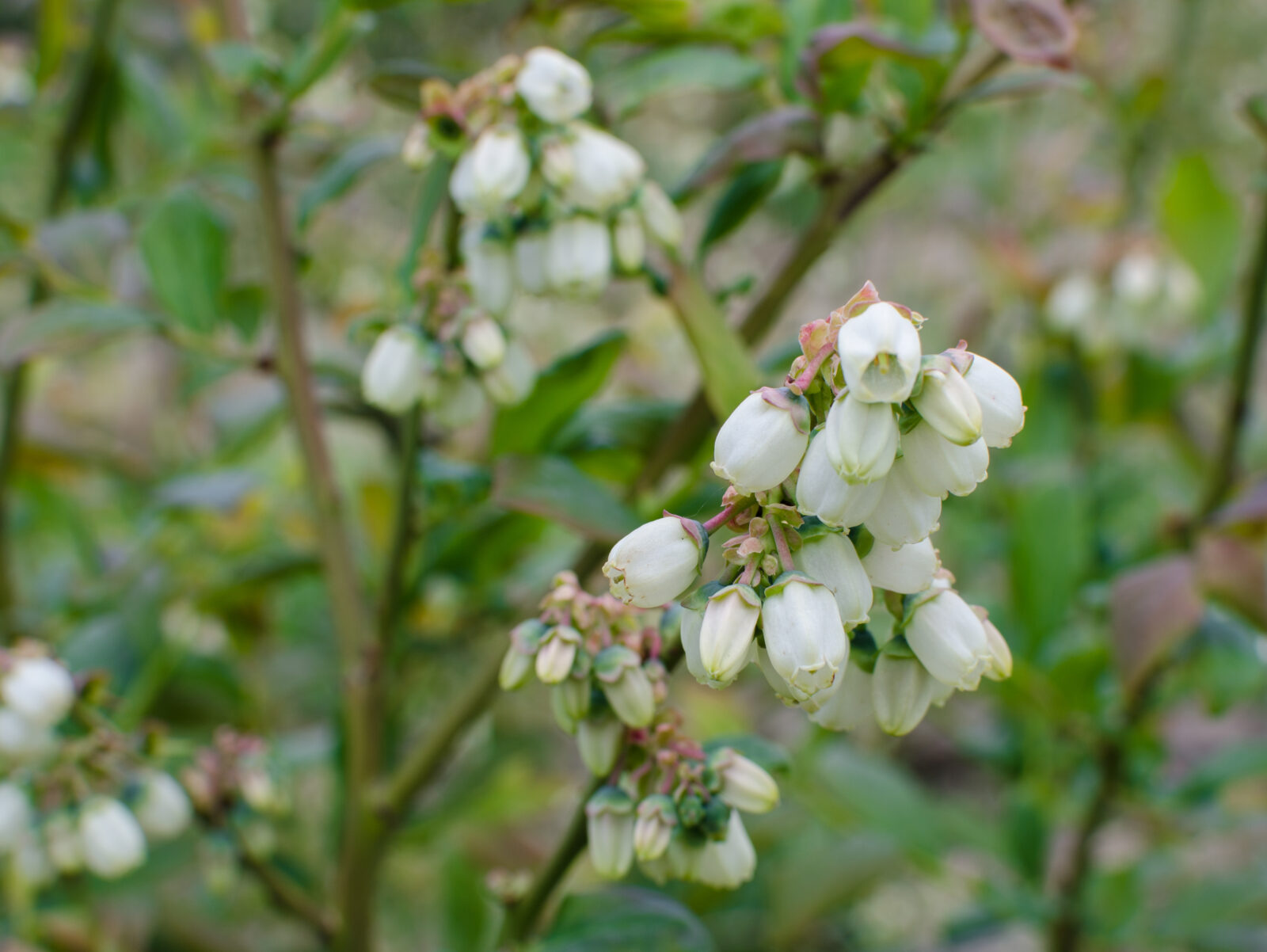
How to give blueberries quick relief and set the right care routine
If you want to stop leaves turning rusty, the most practical approach is to go step by step. Start by checking pH and adjust it so it stays within the range blueberries prefer. At the same time, feed with a fertiliser designed for acid-loving plants, ideally one that includes iron and magnesium. With watering, focus on consistency, but avoid frequent light sprinkling, which does little for roots and can instead encourage disease.
Mulching with acidic materials is a big help. Around the base of the bush you can use peat, pine needles, or similar acidic components. Mulch helps retain moisture, supports a more suitable soil reaction, and also suppresses weeds that would compete with blueberries for water and nutrients. Add ongoing health checks, timely pest control, and sensible fungal prevention, and the bushes usually recover steadily.
What to remember for sweet, reliable harvests
Rusty leaves are blueberries’ warning sign that something isn’t working, most often soil acidity, nutrient availability, or watering routine. If you target a pH of 4.5 to 5.5, top up iron and magnesium, keep watering even without waterlogging, and stay alert for disease and pests, your bushes will repay you with healthy growth. The result is not only better-looking plants, but above all a steady, abundant harvest of delicious blueberries you can count on every summer.
Source: RHS, Agriculture Victoria, Pestrazahrada.cz

A lover of nature, gardens, and everything that moves, blooms, or grows. He literally grows everything, from herbs to rare species, and he enjoys caring for animals just as much. In his work, he connects modern technology with tried-and-tested grandmotherly methods and is happy when both paths lead to the same goal.
Related articles
Yellowing cucumber leaves have a clear cause and with the right response plants recover quickly
Cucumber leaves turn pale and yellow when the plant is under stress—most often from watering mistakes, nutrient imbalance, or sudden temperature swings. Spot the pattern early and you can restore growth and protect your harvest fast.
How to Get Browning Hydrangeas Back on Track Without Chemicals
Brown leaf edges or spots on hydrangeas usually point to a simple mismatch in light, watering, or airflow rather than a lost cause. Learn how to read the symptoms and restore your shrub quickly with gentle, practical fixes.
Turn Ground Cinnamon Into a Secret Weapon for Stronger, Tougher Plants
Ground cinnamon isn’t just for baking—it can help protect houseplants and garden plants from mould and fungal issues, support cuttings, and even act as quick first aid for minor wounds. Used lightly, it’s an affordable, gentle, natural add-on to good growing practice.
Comments (0)
Be the first to comment.