
 English
  Polski
  Deutsch
  Nederlands
  Svenska
  Norsk
Norsk  Dansk
Dansk  Français
  Italiano
  Español
  Português
  Slovenčina
  Suomi
Suomi  Gaeilge
 Which vegetables can chickens safely eat every day
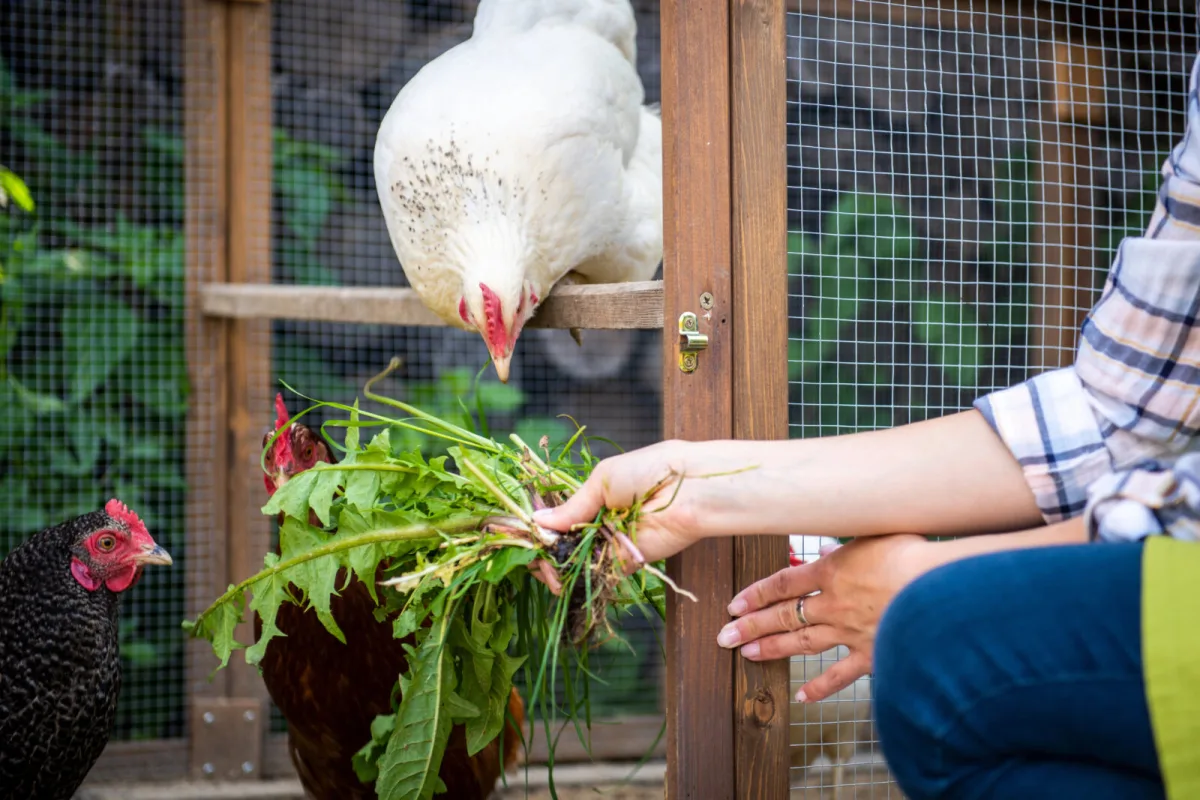
Chickens can be surprisingly enthusiastic gardeners. If they get the chance to peer into the beds, they’ll often linger by the fence and quite literally beg for a bite. Colourful pieces of cucumber, courgette or tomatoes can set them buzzing instantly, and it’s fun for keepers to watch how quickly they deal with a reward like that. Vegetables don’t just taste good to chickens, they can also benefit them as a source of water, fibre, vitamins and minerals.
The foundation of the diet should always remain a high-quality complete feed, formulated so laying hens and young birds get everything they need for health and egg production. Vegetables are therefore best used mainly as a supplement, snack or treat. Beyond nutrition, they have another important role: they encourage natural behaviour, because chickens love to forage, peck and explore different shapes, colours and textures.
Why it’s worth including vegetables in their diet
If you have your own garden or access to surplus from the harvest, vegetable extras can partly reduce how much feed mix you go through. This is especially true for free-range chickens that find some of their food for themselves. Even so, long-term condition and good laying performance still depend on balance. Vegetables shouldn’t completely replace feed, but complement it sensibly so chickens don’t fill up only on what they like best.
Vegetables are a great treat for chickens, but you’ll get the best results when they remain only a supplement to a complete, balanced feed.
Which vegetables chickens can safely eat
Leafy greens
Some of the most reliable choices include lettuce, spinach, kale and Swiss chard. They’re rich in a range of micronutrients and chickens will usually peck at them readily. Offer them in smaller portions and in a clean state, ideally without any leftover dressing or seasoning.
Broccoli
Broccoli is nutritious and contains antioxidants and vitamins, so it makes sense as a treat. Not every flock is keen on it, though; some chickens ignore it much like some people do at the table. Still, it’s fine to offer occasionally for variety.
Carrots
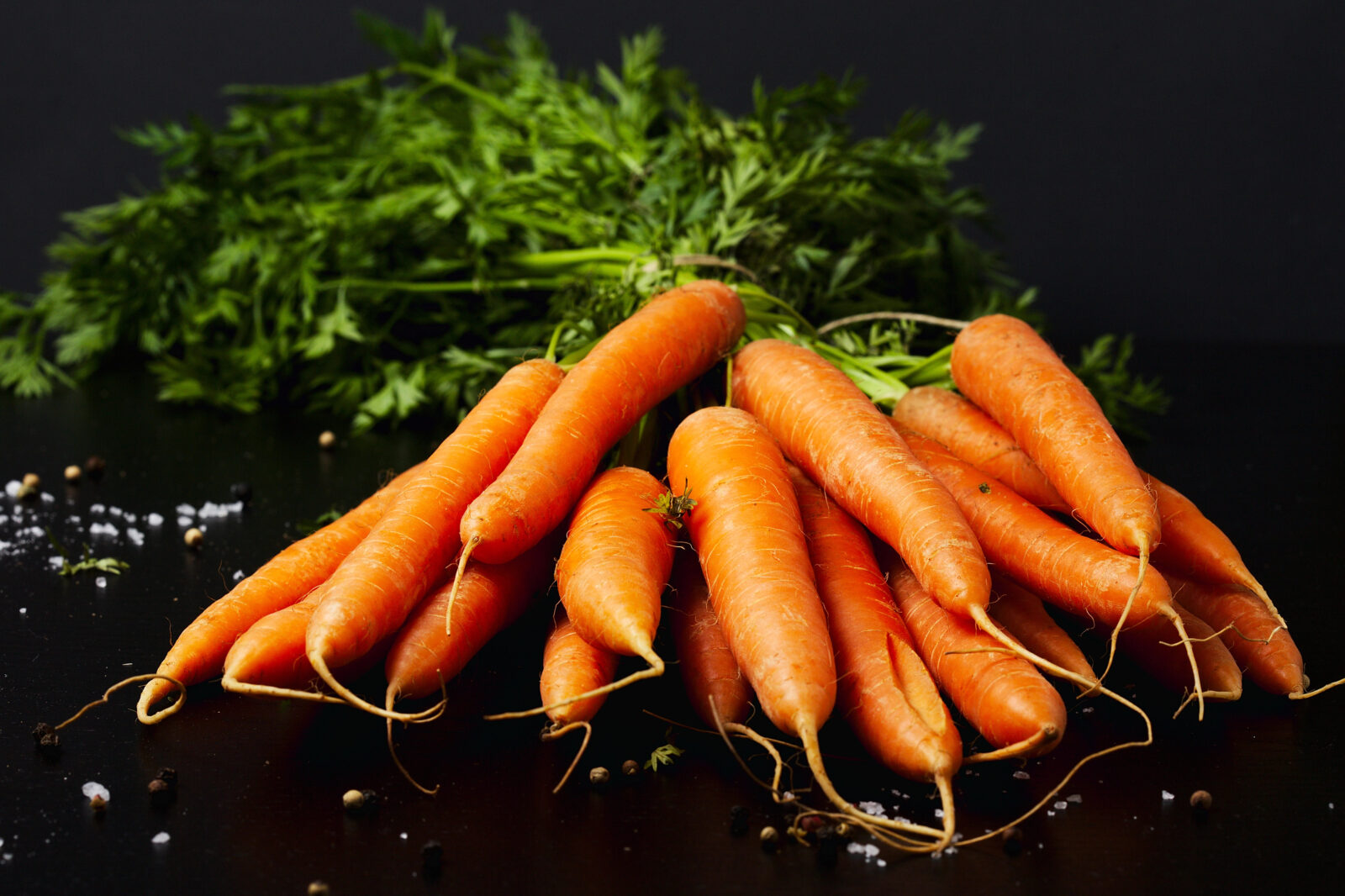
Carrots provide beta-carotene and fibre. Chickens enjoy pecking at them whether they’re grated, sliced, or offered as a larger piece. They can be fed raw or cooked; just choose a size that allows the birds to get at them safely.
Peas
Peas are a handy source of protein as well as fibre. You can serve them fresh or frozen, and in summer they’re nicely refreshing. Chickens also find them entertaining because they love to dash after individual peas and “hunt” them from the ground.
Bell peppers
Sweet bell peppers add vitamin C, and their colours quickly catch the flock’s attention. Simply slice them into strips or smaller pieces that are easy to peck. Hot chilli types aren’t suitable; stick to standard sweet peppers.
Pumpkin
Pumpkin is often a seasonal favourite. Chickens can eat both the flesh and the seeds, which are valued as a natural support for digestion. You can cut a pumpkin open and let the flock peck at it over time; it’s often excellent enrichment too.
Cucumber
Cucumber is very hydrating and light, so it’s ideal especially on hot days. Many flocks go absolutely mad for it. Serve it sliced, or even in halves if your chickens can manage to peck at it.
Courgette
Courgette can be offered raw or cooked. Large, overgrown ones are practical for keepers because you can put them into the run whole and the chickens will stay occupied for longer. Pecking at courgette helps reduce boredom, especially when birds are more confined.
Practical rules for feeding vegetables
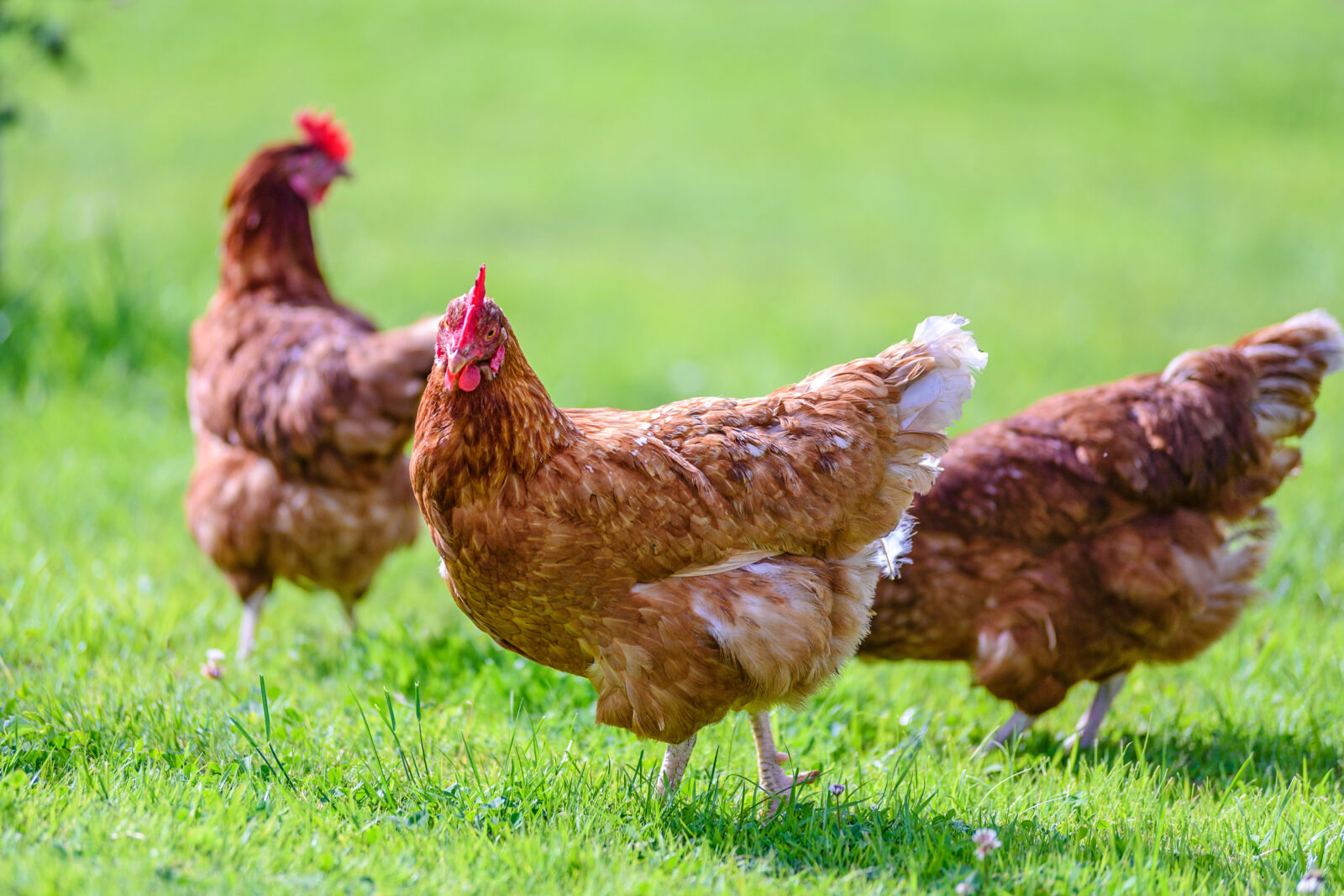
Introduce new vegetables gradually. A chicken’s digestive system can react sensitively to sudden change, and adding things slowly helps prevent problems. Keeping an eye on quality is just as important. Never feed mouldy or spoiled vegetables, because they can cause illness much like they can in people.
For good health, balance is crucial between complete feed, possibly grains and supplements, and vegetables as a treat. Some keepers also add vitamin mixes to the water to support immunity, digestion and hydration, often including calcium for strong bones and good shell quality. It’s always best, however, to stick with trusted products and not overdo the dosage.
What to watch for and when to be cautious
There are also vegetables you shouldn’t feed chickens, because they may do harm. If you’re unsure, check a specific item in advance. And remember that tastes vary from flock to flock. Some chickens will happily demolish a cucumber in no time, while others will turn their beaks up even at a keeper’s favourite veg. The important thing is to offer safe options, watch how they respond, and stick to a varied but balanced diet.
Source: Chicken Backyard, Get Strong Animals, Pestrazahrada.cz

A lover of nature, gardens, and everything that moves, blooms, or grows. He literally grows everything, from herbs to rare species, and he enjoys caring for animals just as much. In his work, he connects modern technology with tried-and-tested grandmotherly methods and is happy when both paths lead to the same goal.
Related articles
How to Choose a Chicken Feeder That Keeps Feed Dry, Clean and Pest-Free
A good chicken feeder should keep feed dry, reduce waste, and make access difficult for rats and wild birds. The right design and placement can save money and keep your coop cleaner year-round.
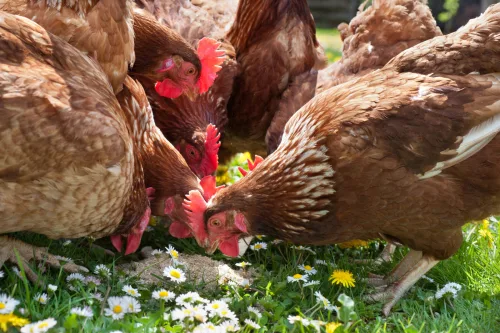
How to Feed Laying Hens So They Stay Healthy, Lay Steady All Year and Produce Strong Shells
A well-balanced diet is the key to healthy hens, strong eggshells and consistent laying. Learn what to feed, what to top up, and what to avoid through the seasons.
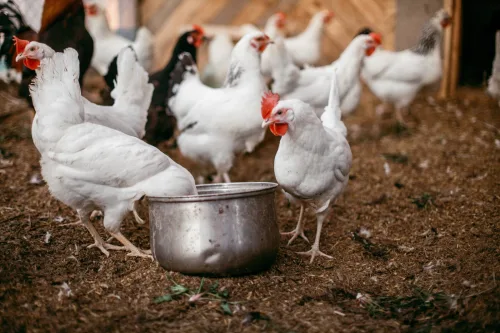
How to Compost Chicken Coop Bedding Safely and Make Nutrient-Rich Fertiliser for the Garden
Keeping chickens produces more than eggs—it also provides a highly valuable source of nutrients for your soil. With proper hot composting, chicken bedding and manure can be turned into safe, crumbly compost that feeds plants steadily and improves soil structure.
Comments (0)
Be the first to comment.