
 English
 Polski
 Deutsch
 Nederlands
 Svenska
 Norsk
 Dansk
 Français
 Italiano
 Español
 Português
 Slovenčina
 Suomi
 Gaeilge
Which Garden Plants You Shouldn’t Prune in Autumn So They Get Through Winter Easily
As late autumn arrives, many gardeners reach for the pruners and launch into a major garden tidy-up. But this is exactly when a common mistake happens—one that can significantly weaken certain ornamental shrubs and small trees. Not every plant copes well with being cut back before winter. In more sensitive species, autumn pruning can lead to poorer overwintering, reduced flowering the following year, or even overall damage to the shrub.
While some plants benefit from a light tidy in autumn, for others it’s better to wait for the right window. This is especially true for ornamental shrubs and smaller trees that set their flower buds well in advance or need ample time to recover after pruning. If you prune too late, new shoots won’t have time to ripen, and frost can damage them easily.
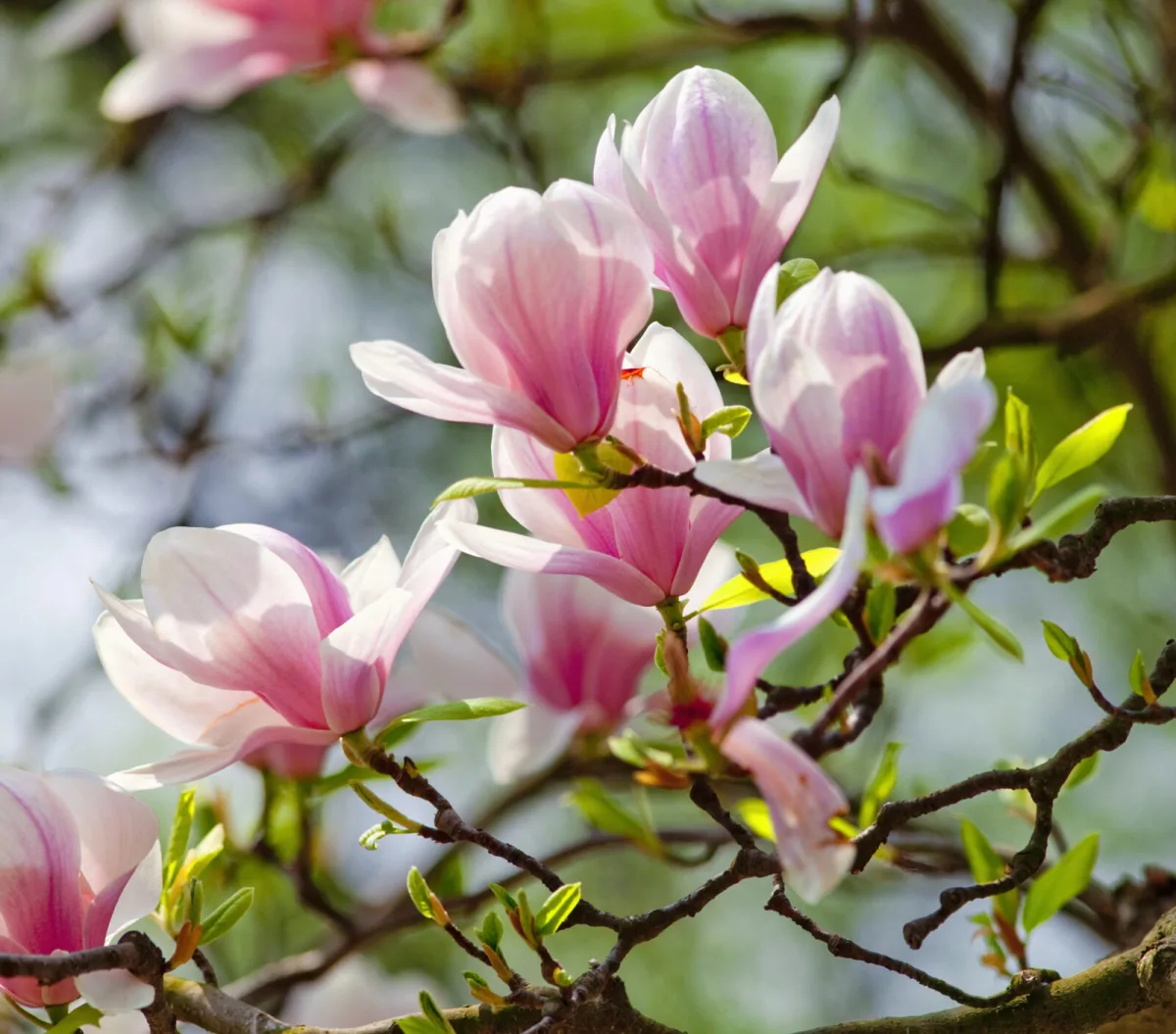
Magnolias tolerate pruning only to a limited extent
Magnolias are a standout feature in the garden mainly thanks to their large, showy blooms. That’s exactly why it’s a shame to interfere with them using poorly timed pruning. Autumn shortening is not recommended, as it can disrupt flower formation for the next season and unnecessarily weaken the plant before winter.
If a magnolia does need shaping, do it immediately after flowering. At that time it copes with pruning better and has enough time to heal. However, frequent or heavy pruning generally doesn’t suit magnolias, so it’s best to proceed cautiously.
Forsythia should be pruned only after flowering
Forsythia, often known as golden bells, is one of those plants that doesn’t appreciate autumn pruning. If you cut it back before winter, you may lose a significant portion of its spring display. This shrub is best pruned only once it has finished flowering, which is typically at the end of May.
On older plants, focus mainly on removing the oldest, worn-out stems. Cut these low to the ground so the shrub has room to produce new, vigorous shoots. This keeps it dense and healthy—and ensures a generous flush of flowers in spring.
Viburnum needs a different approach depending on the species
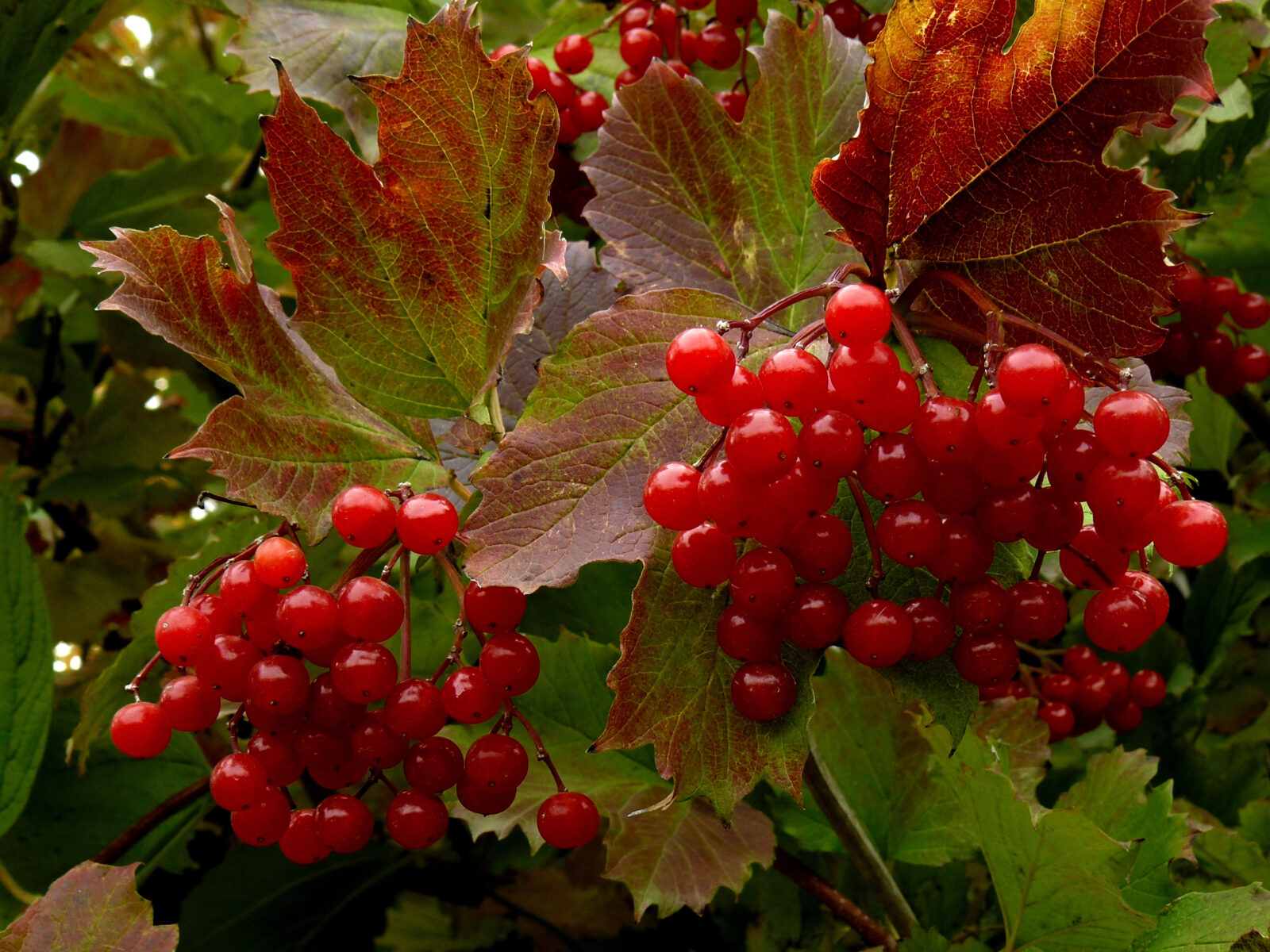
With viburnums, it depends on whether you’re growing an evergreen or a deciduous type. Evergreen viburnums are not usually pruned—and certainly not before winter. For them, it’s enough to remove only dead, damaged or broken branches. Any more substantial pruning could weaken the plant ahead of hard frosts.
Deciduous viburnums tolerate pruning better, but even for them autumn isn’t the right time. The best moment comes again after flowering. The plant can then produce new growth in good time and strengthen before winter.
Azaleas and rhododendrons need the right timing
Azaleas and rhododendrons are popular shrubs that can bring a garden to life. Even with them, though, autumn pruning can do more harm than good. If pruning is done too late, the plant may not break into growth again properly, and frost can damage the young growth.
The safest time is after flowering, usually in June. Shrubs pruned then have plenty of time to build strength and prepare for the cold season. Some growers also allow a spring tidy before flowering, but it’s always important to keep the approach gentle and not too severe.
When it’s better to put the pruners away
Autumn jobs in the garden have their place, but it doesn’t mean you need to cut back everything that grew over the season. For many ornamental shrubs, it’s far wiser to wait until after flowering, when pruning supports healthy growth without compromising winter hardiness. Correct timing often determines whether the garden will be full of flowers in spring—or whether you’ll be replacing plants damaged by cold.
So before you start autumn pruning, it pays to check what each species actually needs. With forsythia, magnolia, viburnum, azaleas and rhododendrons, patience pays off. Instead of autumn pruning, let them rest and leave any cutting back for a more suitable time.
Source: The Spruce, Martha Stewart, Pestrazahrada.cz

A lover of nature, gardens, and everything that moves, blooms, or grows. He literally grows everything, from herbs to rare species, and he enjoys caring for animals just as much. In his work, he connects modern technology with tried-and-tested grandmotherly methods and is happy when both paths lead to the same goal.
Related articles
Why Leave Old Plant Roots in the Bed Instead of Pulling Them Out
Instead of yanking out healthy spent plants, cut them off at soil level and leave the roots to break down in place. It improves soil structure, feeds soil life, and saves time with no downside in most beds.
Experienced gardeners don’t throw leaves away and use them in six smart ways
Fallen leaves are a valuable, free resource that feeds soil life, improves structure, and protects plants. Use them as mulch, compost, leaf mould, lawn feed, winter insulation, and wildlife habitat.
A Winter Soil Mound Protects Roses but Where You Take the Soil From Matters
Mounding soil around roses for winter works only if you don’t scrape it from right at the plant. Taking soil from elsewhere protects the graft union without exposing or damaging shallow roots.
Comments (0)
Be the first to comment.