
 English
  Polski
  Deutsch
  Nederlands
  Svenska
  Norsk
Norsk  Dansk
Dansk  Français
  Italiano
  Español
  Português
  Slovenčina
  Suomi
Suomi  Gaeilge
 Simple Spring Feeding for Gooseberries for a Bigger, Sweeter Harvest
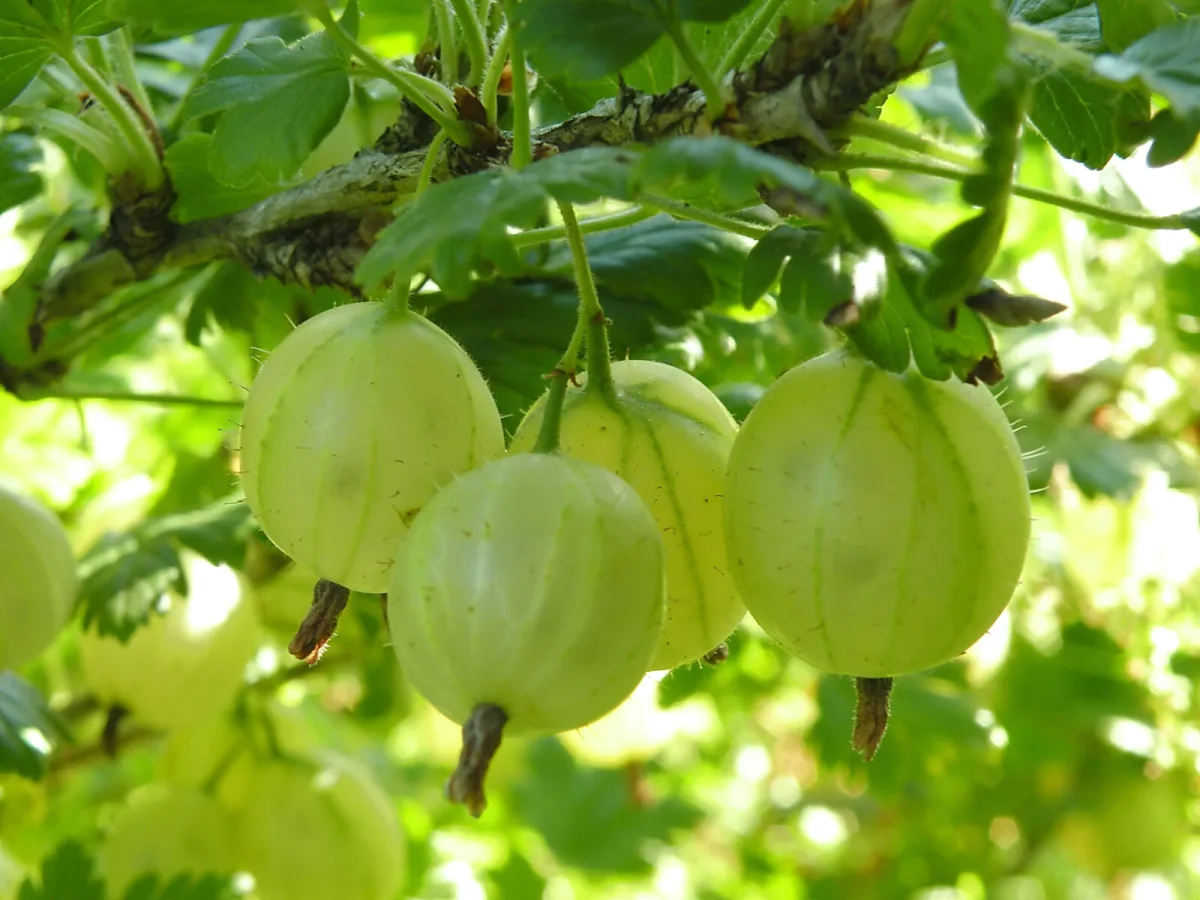
Gooseberries are among the most rewarding shrubs in the garden, much like currants. But if you provide nutrients in spring, they’ll pay you back not only with a higher yield, but also with better berry size and flavour. Feeding helps the shrub kick-start growth after winter, strengthens overall vigour, supports fruit set and, in the long run, can extend the life of the whole plant. You’ll also notice the difference in how well gooseberries cope with weather swings and how quickly they recover after pruning.
Watering is key, but the soil mustn’t become waterlogged
If you want the fruit to size up well and not drop unnecessarily, keep an eye on regular watering. Gooseberries prefer slightly moist soil, but constantly wet ground harms them. In wetter periods, water sparingly and check that water isn’t sitting around the base of the shrub. The goal is evenly moist soil, not mud.
Mulch also helps hold moisture in the ground. A thin layer of bark or dried grass clippings works well. Mulch reduces evaporation, slows weeds, and keeps the soil under the shrub from overheating. If you want to support natural resilience, you can also use a horsetail infusion preventatively, traditionally used as a support against powdery mildew.
Site choice and spring pruning as part of success
When planting bare-root plants, choose an open, sunny spot. Light directly influences ripening and the sweetness of the fruit. It’s also helpful if the shrub is sheltered from strong winds, which can dry out both the soil and young shoots. Think about the position even with spring planting, because transplanting later only weakens gooseberries unnecessarily.
An important part of care is late-winter pruning, commonly done as early as February. On young shrubs, shoots are shortened to two or three buds, and weak ones are removed entirely. In the second year after planting, several main shoots are usually kept, roughly four to six, and shortened by about a third. In the following year, the longest branches are cut back to several buds and side shoots are shortened so the shrub thickens, but still stays airy. The aim is to gradually form a shrub with about eight to twelve main shoots that crops well and resists disease more effectively.
What to feed gooseberries with in spring without chemicals
If you don’t want to use synthetic fertilisers, you have several reliable options that work well in an everyday garden. High-quality compost is excellent, as is well-rotted manure. These nutrient sources improve the soil long-term too, because they support soil life and increase water-holding capacity.
A liquid feed from well-rotted manure
One simple approach is a liquid feed. Make it by mixing a small amount of well-rotted manure into water, letting it steep, then applying it carefully to the root zone. It’s essential to use properly rotted manure to avoid damaging roots or overfeeding. Pour the feed onto the soil around the shrub, not onto the leaves, and ideally after a normal watering so the nutrients spread more evenly.
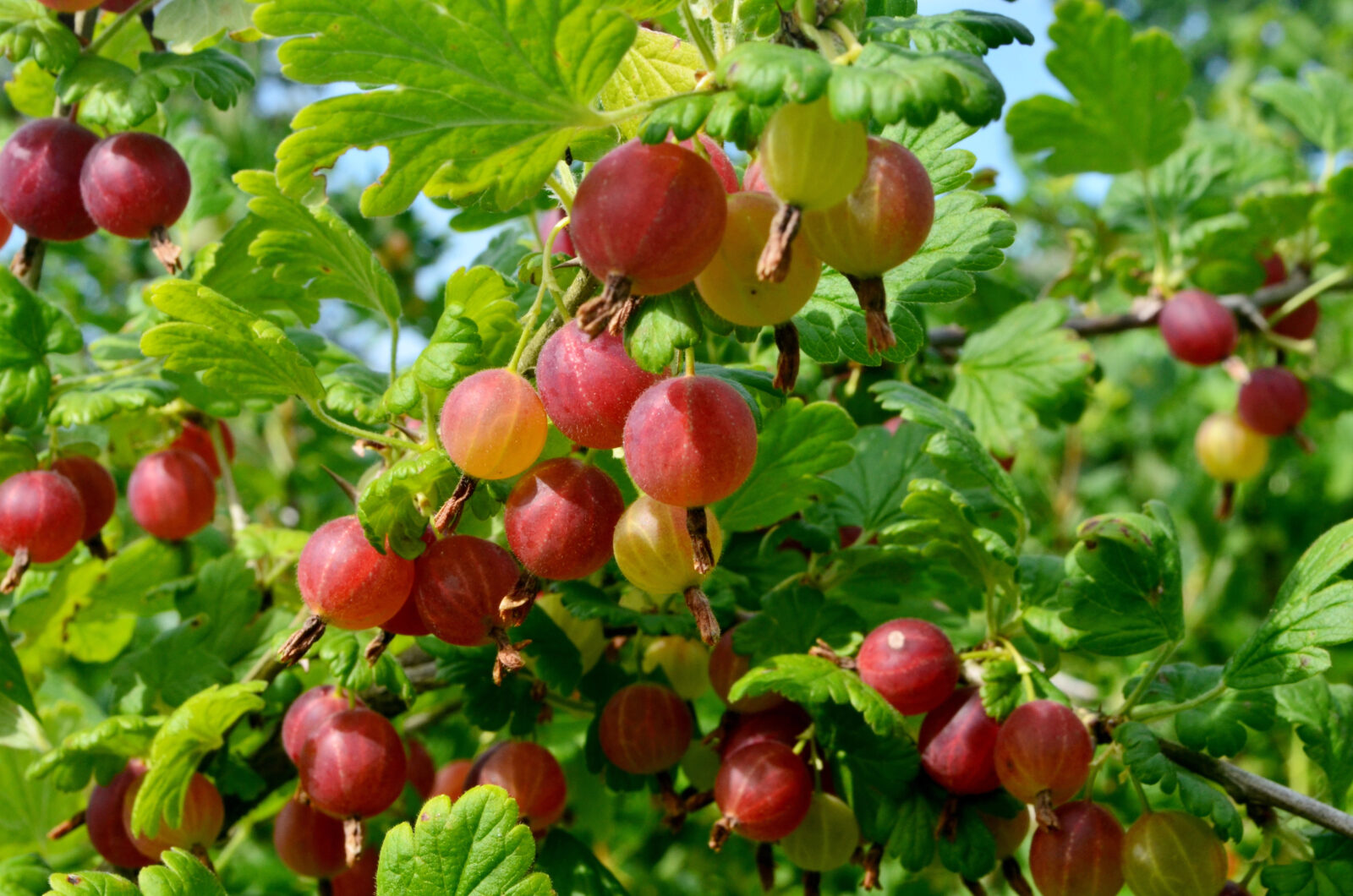
Nettle feed as a quick pick-me-up
Nettle feed is another excellent choice. It contains a range of beneficial substances and can give gooseberries a welcome growth boost in spring. Use it diluted and, again, apply it as a drench to the roots. In practice, use it sensibly, because overly frequent doses can push leafy growth at the expense of fruit.
How to tell the nutrition is set correctly
A well-fed gooseberry makes firm, healthy new growth, the leaves are deep green, and the shrub thrives evenly through the season. With the right watering and feeding, the fruit is usually larger and less prone to dropping. It also holds true that everything needs to work together. Without pruning, the shrub becomes too crowded; without mulch, the soil dries quickly; and without nutrients, the crop shrinks. But if you combine spring pruning, sensible watering, mulch and straightforward organic feeding, gooseberries will reward you reliably even in a less-than-ideal year.
The best results come from combining spring pruning, maintained moisture and organic feeding that strengthens both the shrub and the soil.
Source: MIGardener, Almanac, Pestrazahrada.cz

A lover of nature, gardens, and everything that moves, blooms, or grows. He literally grows everything, from herbs to rare species, and he enjoys caring for animals just as much. In his work, he connects modern technology with tried-and-tested grandmotherly methods and is happy when both paths lead to the same goal.
Related articles

Comments (0)
Be the first to comment.