
 English
  Polski
  Deutsch
  Nederlands
  Svenska
  Norsk
Norsk  Dansk
Dansk  Français
  Italiano
  Español
  Português
  Slovenčina
  Suomi
Suomi  Gaeilge
 Go on holiday without worry, these plants will survive two weeks
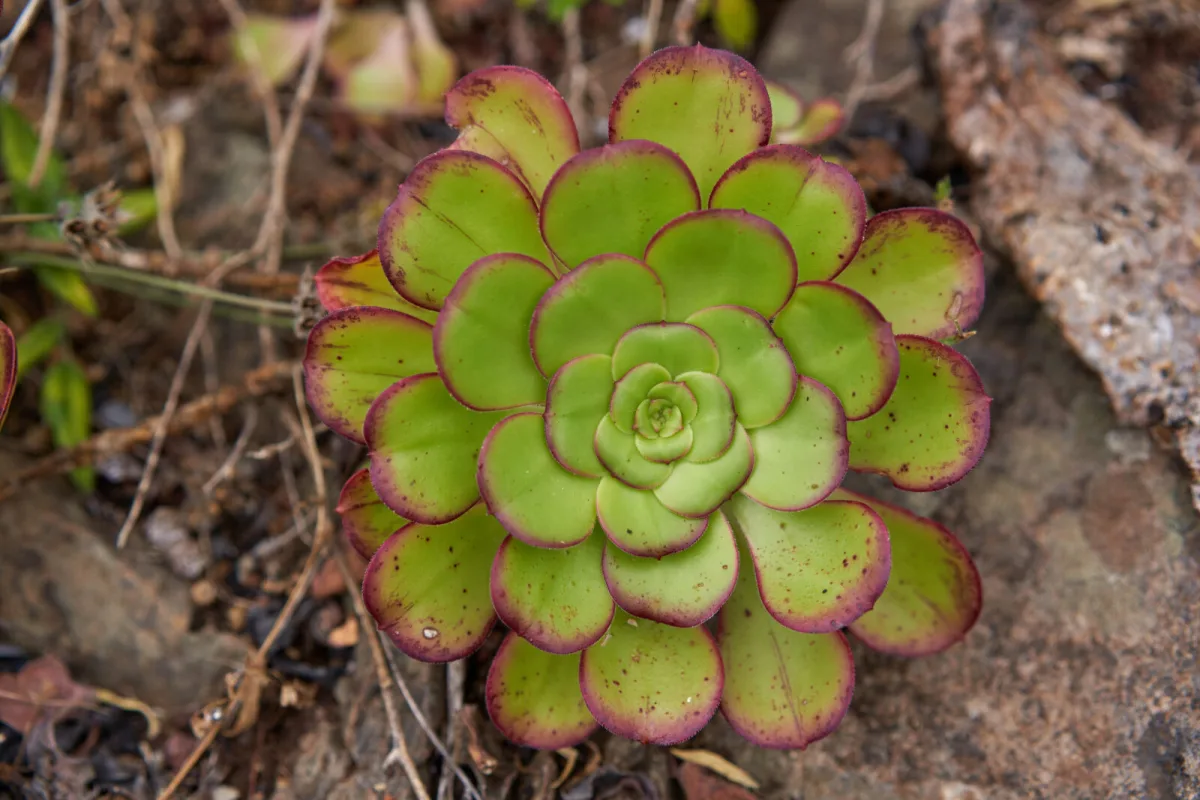
Heading away for a few days and returning to shrivelled, ruined plants can take the shine off any holiday. Yet there are container plantings that can handle a week or even two without regular watering, as long as you set them up properly beforehand. The key is a mix of resilient plants and a few simple tweaks that keep pots looking good even when no one is looking after them.
How to prepare containers to survive without watering
It starts with the right compost mix. Mineral components such as gravel and sand help excess water drain away quickly so roots don’t sit wet and rot. At the same time, it’s worth adding materials that hold moisture for longer, such as coir, green-waste compost or fine wood chip. The result is a mix that won’t suffocate roots, but also won’t dry out in a matter of hours.
Just as important is where you keep your pots while you’re away. Before you leave, group them together and move them to a spot that isn’t in full, direct sun all day. This creates a kinder microclimate with higher humidity and less evaporation from the compost.
Option one: Rock garden plants and succulents for dry conditions
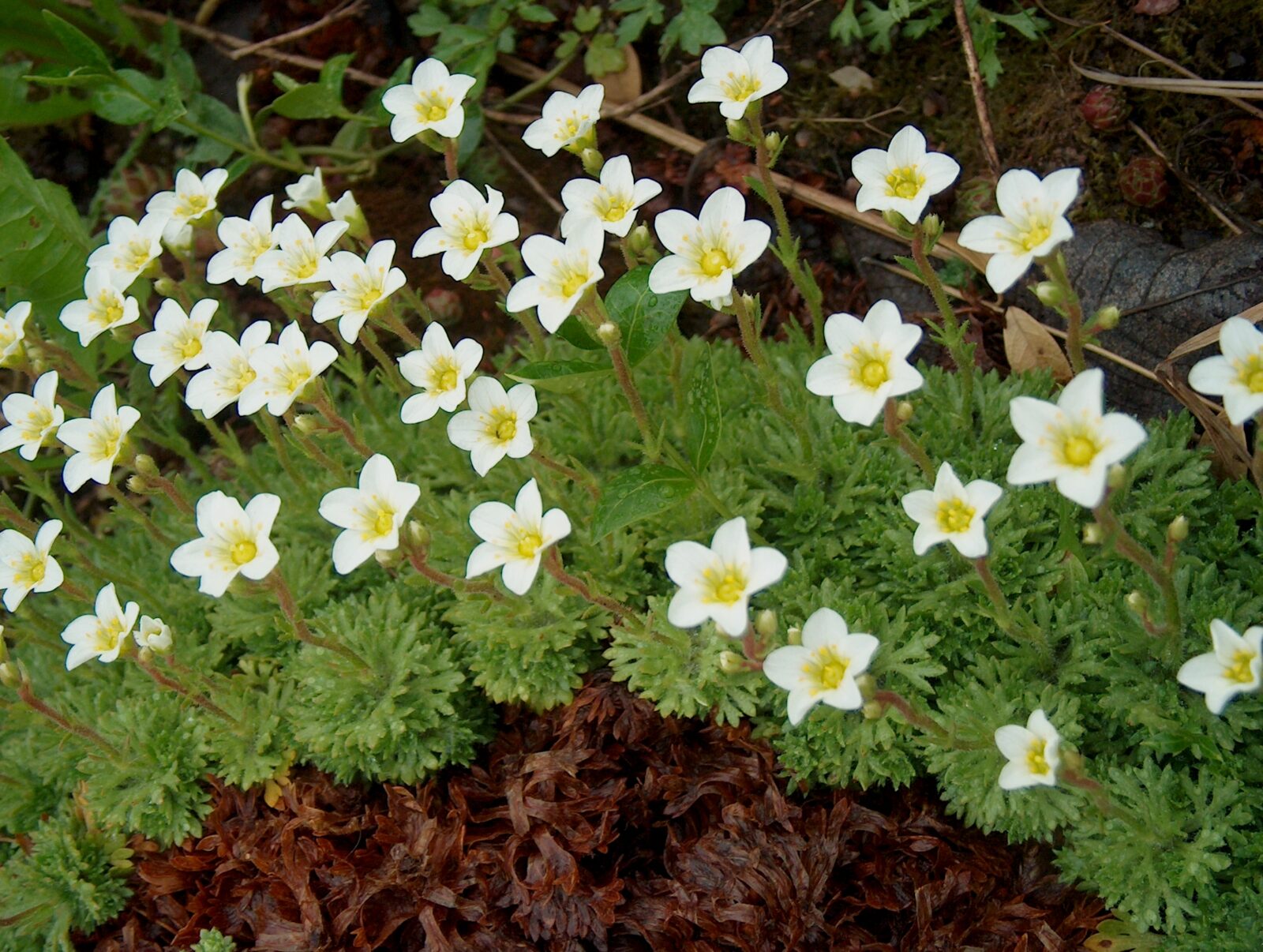
Succulents and rock garden plants are almost ideal for summer containers because they naturally use water sparingly. They cope with heat, wind and shallower pots, which typically hold less moisture. With these plants, overwatering is often more dangerous than drought, so good drainage holes are essential.
Reliable choices for this combination include London pride saxifrage (Saxifraga × urbium), white clover (Trifolium repens) and a mix of different succulents. This kind of planting looks natural, has great texture, and once established needs very little attention.
Tip: Top the compost with a layer of decorative gravel. It helps retain moisture, reduces overheating and cuts water loss through evaporation.
Option two: A Mediterranean feel on the balcony
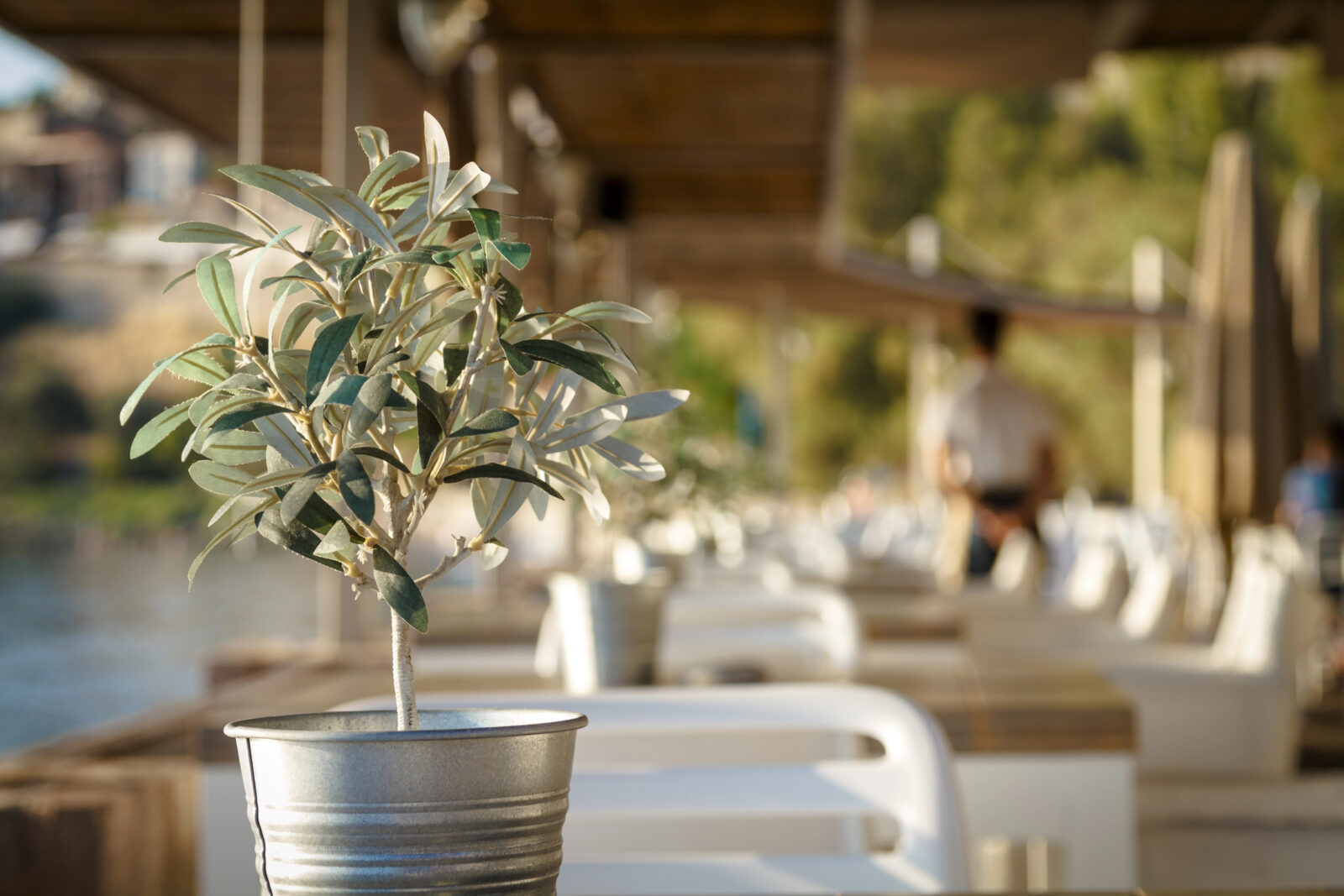
If you want your containers to feel like a seaside holiday, choose plants from regions with long dry spells. A Mediterranean-inspired planting can combine a small tree as the main feature, airy ornamental grasses and long-flowering smaller perennials. Once well rooted, they cope with heat and irregular watering far better than typical bedding plants.
A European olive (Olea europaea) works beautifully alongside Mexican fleabane, also known as Santa Barbara daisy (Erigeron karvinskianus), Salvia ‘Nachtvlinder’ (Salvia × jamensis) and Mexican feather grass
(Stipa tenuissima). Fleabane flowers for a very long time, often from spring right through to autumn, and once established it tolerates drought surprisingly well.
Tip: Before you leave, fill deeper saucers under the pots with water. This creates a simple reservoir that the compost can draw from gradually.
Option three: A tropical look that can take the heat
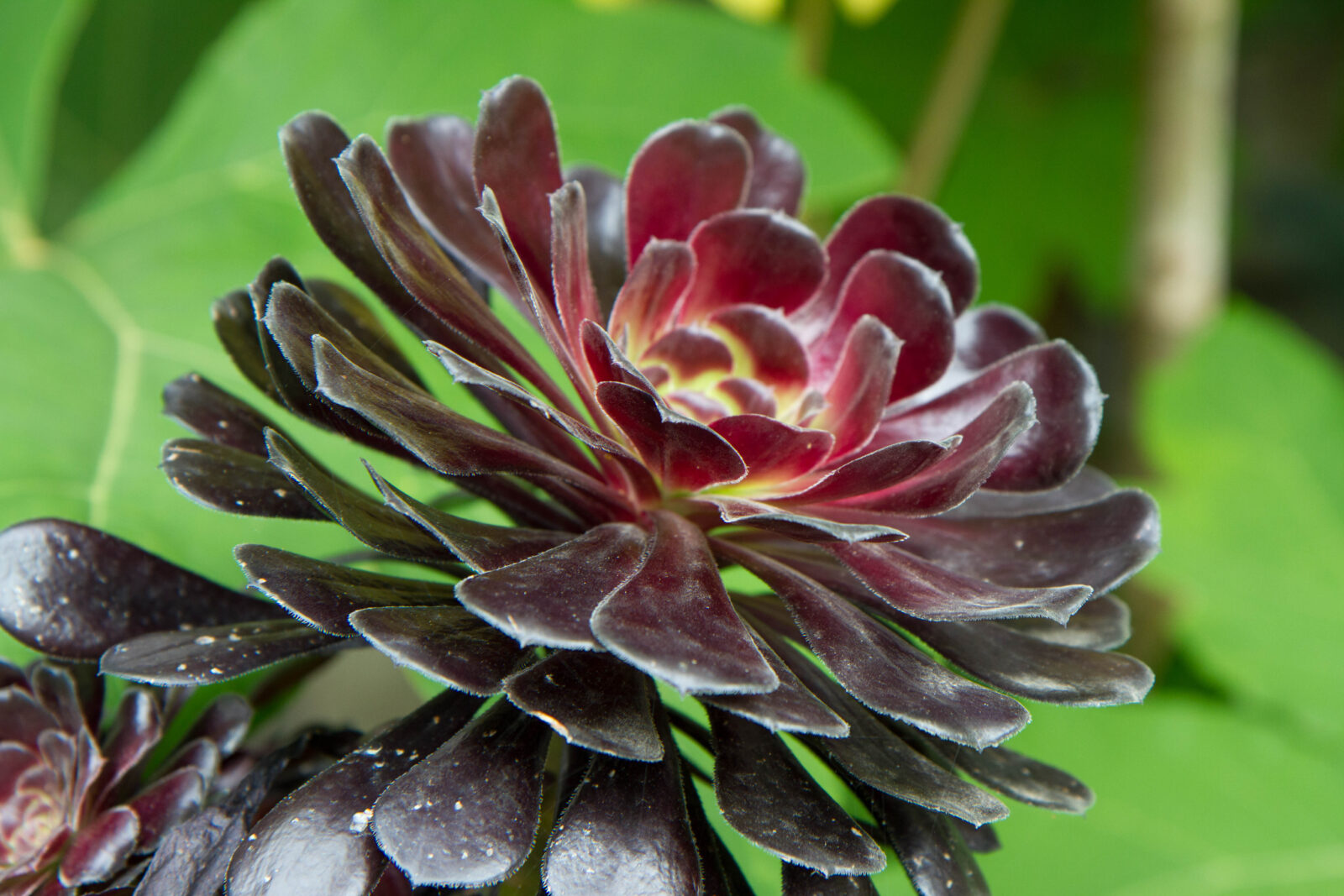
Want a bold, exotic-looking display? Go for a mix of plants with striking foliage and good tolerance of summer temperatures. Particularly effective are plants such as cannas, New Zealand flax, sedums and spurges, which look luxurious even without constant care.
This combination suits aeonium (Aeonium), New Zealand flax (Phormium tenax), Canna ‘Tropicanna Black’ (Canna), spurge (Euphorbia × martinii) and a hybrid sedum (Hylotelephium hybrid). Do keep in mind, though, that canna needs more moisture than the rest of the planting.
Tip: To stop the canna drying out while you’re away, plant it into a separate inner pot without drainage holes. Water will stay around the roots for longer and the risk of it drying out quickly will be much lower.
Key takeaways
A drought-tough summer container isn’t just about picking the right plants, but also about a smart compost mix, drainage and placing pots out of all-day blazing sun. Combine these basics with succulents and rock garden plants, Mediterranean choices or bold, tropical-looking foliage plants, and your containers can cope while you’re away and welcome you home still in good shape.
Source: Záhrada, The Spruce, Pestrazahrada.cz

A lover of nature, gardens, and everything that moves, blooms, or grows. He literally grows everything, from herbs to rare species, and he enjoys caring for animals just as much. In his work, he connects modern technology with tried-and-tested grandmotherly methods and is happy when both paths lead to the same goal.
Related articles
Drought tolerant fruit trees for Czech gardens that handle heat and winter frosts
Warmer summers and longer dry spells are changing what can be grown in Czech gardens. With the right variety and a sunny, sheltered spot, olives, pomegranates and figs can cope with heat, drought and even winter cold.
Thuja hedges are on the way out gardeners are choosing a shrub that shrugs off frost and drought and never looks dull
Thuja may be a long-standing classic, but today’s hedges are increasingly built from more varied shrubs that look better through the seasons. One standout choice is ninebark, prized for its toughness, colour and easy care.
Autumn planted grapevines bud earlier the most common mistake happens before they even go in the ground
Planting grapevines in November can give them a head start in spring, as roots can still establish in warm soil. Success depends mainly on proper planting depth and reliable winter protection.
Comments (0)
Be the first to comment.