
 English
  Polski
  Deutsch
  Nederlands
  Svenska
  Norsk
Norsk  Dansk
Dansk  Français
  Italiano
  Español
  Português
  Slovenčina
  Suomi
Suomi  Gaeilge
 For Sturdy Seedlings, Don’t Skip Pricking Out Tomatoes and Peppers
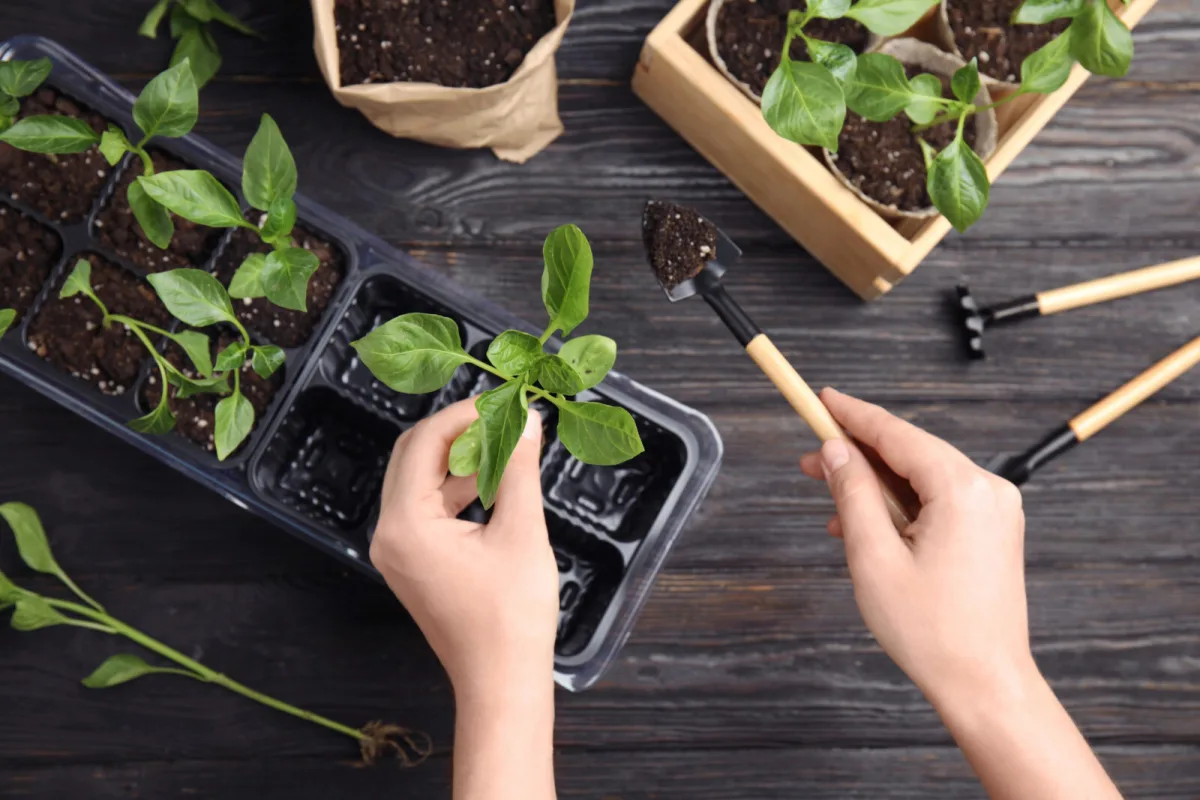
When growing tomatoes and peppers from seed, most attention goes to sowing, warmth and watering. But one step often has a decisive impact on how your seedlings look in a few weeks and how many fruits you’ll eventually harvest. That step is pricking out, meaning timely transplanting young plants into their own pots. It’s not just about convenience—it’s a way to encourage roots, limit competition between seedlings, and keep only the best plants.
What pricking out means and why it matters
Pricking out is the transplanting of tiny seedlings from a seed tray or communal box into individual cups or small pots. At this stage the seedlings already have basic vigour, but they still adapt easily to a new container. Transplanting gives the plants more space and, above all, allows the root system to develop in the right direction.
An important part of pricking out is gently shortening the main root. This “encourages” the plant to produce more side roots and fine root hairs. The result is more compact, tougher seedlings that manage water and nutrients better. At the same time, you can easily spot weak, misshapen or lagging seedlings and keep only the strongest.
When the right moment comes
The best time is when the first true leaves appear. With tomatoes and peppers this is usually about 10 to 14 days after sowing, depending on temperature and light. At this point the seedlings hold their shape, have well-coloured leaves and a sufficiently firm stem, but the roots are not yet tangled together.
If you delay pricking out, the seedlings start competing in the tray for light and nutrients and the root system becomes intertwined. Then more roots tear during transplanting, seedlings recover more slowly and may suffer a noticeable growth check.
How to prick out tomatoes and peppers in practice
First prepare individual cups or small pots and fill them with a quality seed-starting and propagation compost. It should be light and airy so the roots don’t rot and have enough oxygen. Make a hole in each container for the seedling.
Lift the seedlings carefully, ideally using a skewer, dibber or teaspoon. Hold them by the leaves, not the stem, as the stem is easily damaged. The main root is usually shortened by about one third to promote branching. Then place the seedling into the hole and backfill with compost.
With tomatoes, the advantage is that they tolerate deeper planting. You can cover part of the stem, because it will form additional roots and the plant will be more stable. Peppers, on the other hand, are best planted at roughly the same depth as before—just so the leaves sit just above the surface. Finally, gently firm the compost and water with settled, room-temperature water.
Where to put transplanted seedlings and what to watch
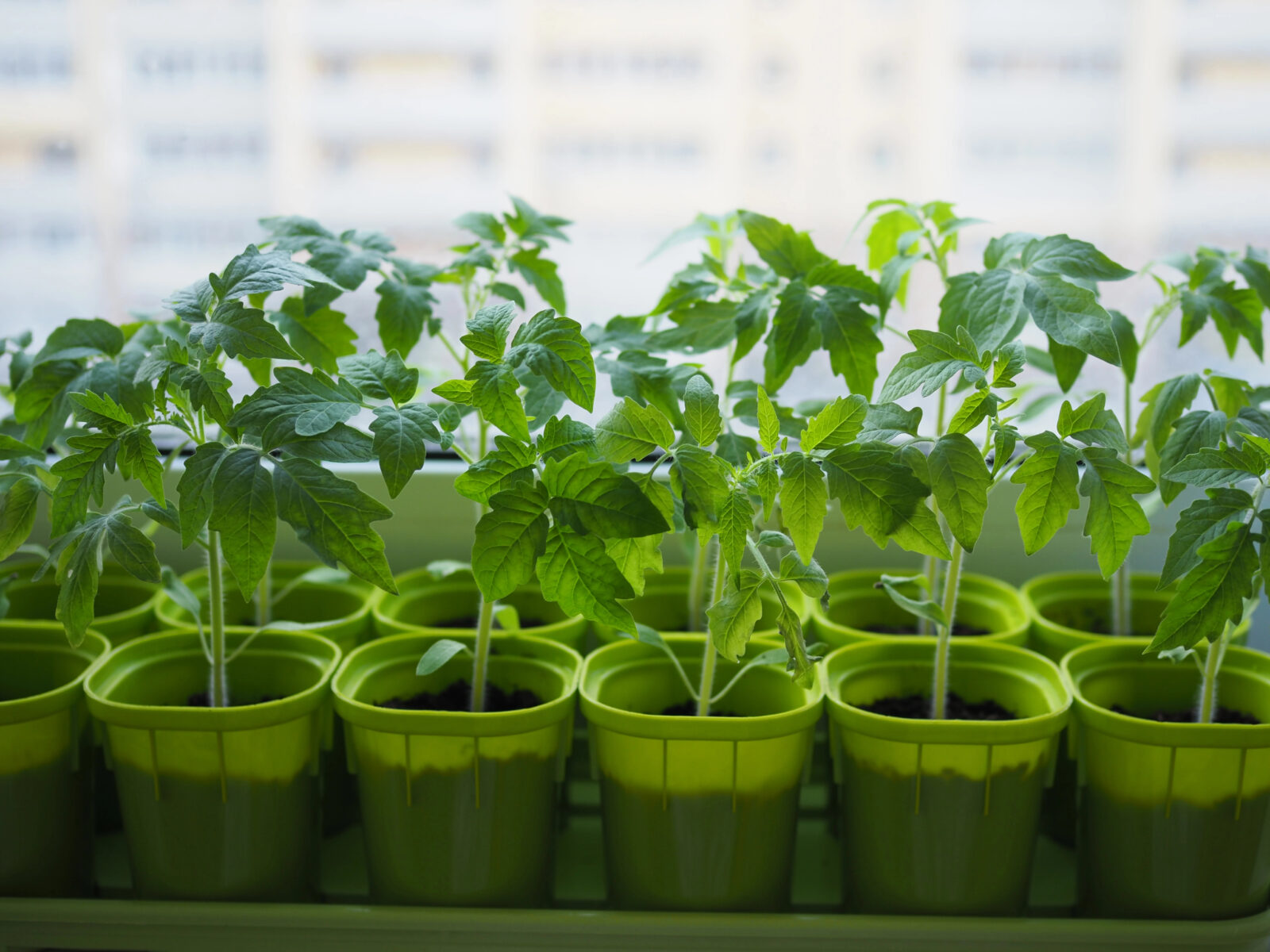
After pricking out, plants need plenty of light. A bright windowsill works well, or supplementary lighting if days are short or the window isn’t enough. The temperature should be around 18 to 22 °C. Too much warmth combined with insufficient light causes seedlings to stretch and develop weak, fragile stems.
Keep both air humidity and compost moisture on the moderate side. Overwatering is a common reason seedlings decline, because in constantly wet compost the roots can’t breathe properly and may rot. After a few days, the seedlings usually recover, strengthen and start putting on growth quickly.
The most common mistakes that reduce success
One of the biggest mistakes is pricking out too late. Overgrown seedlings are hard to lift, the roots tear and plants take longer to recover. Another issue is insufficient light after transplanting. Seedlings then shoot up quickly, weaken, and later set fruit less reliably.
Overwatering is also common. Instead of frequent small doses, it’s better to water sparingly and only when the surface of the compost feels drier to the touch. If you want to reduce the risk of disease, ventilate and don’t overheat the room where the seedlings are kept.
A strong start shows in the harvest
Pricking out may feel like extra work, but in reality it greatly improves seedling quality and therefore the chances of a generous crop. Plants with dense roots handle planting out better, grow away faster and tend to be more resilient to weather swings. If you give this step time and care, it will pay you back during the season with healthy plants and tasty tomatoes and peppers.
Tip: If you have limited space on the windowsill, compressed peat pellets or seedling plug trays can help. They’re usually easier to handle, and planting out into the bed causes less root disturbance.
Source: Přírodní zahrada, Gardenly, Šikulio, Pestrazahrada.cz

A lover of nature, gardens, and everything that moves, blooms, or grows. He literally grows everything, from herbs to rare species, and he enjoys caring for animals just as much. In his work, he connects modern technology with tried-and-tested grandmotherly methods and is happy when both paths lead to the same goal.
Related articles
Comments (0)
Be the first to comment.