
 English
  Polski
  Deutsch
  Nederlands
  Svenska
  Norsk
Norsk  Dansk
Dansk  Français
  Italiano
  Español
  Português
  Slovenčina
  Suomi
Suomi  Gaeilge
 A simple milk feed for cucumbers boosts yields and strengthens plants in summer
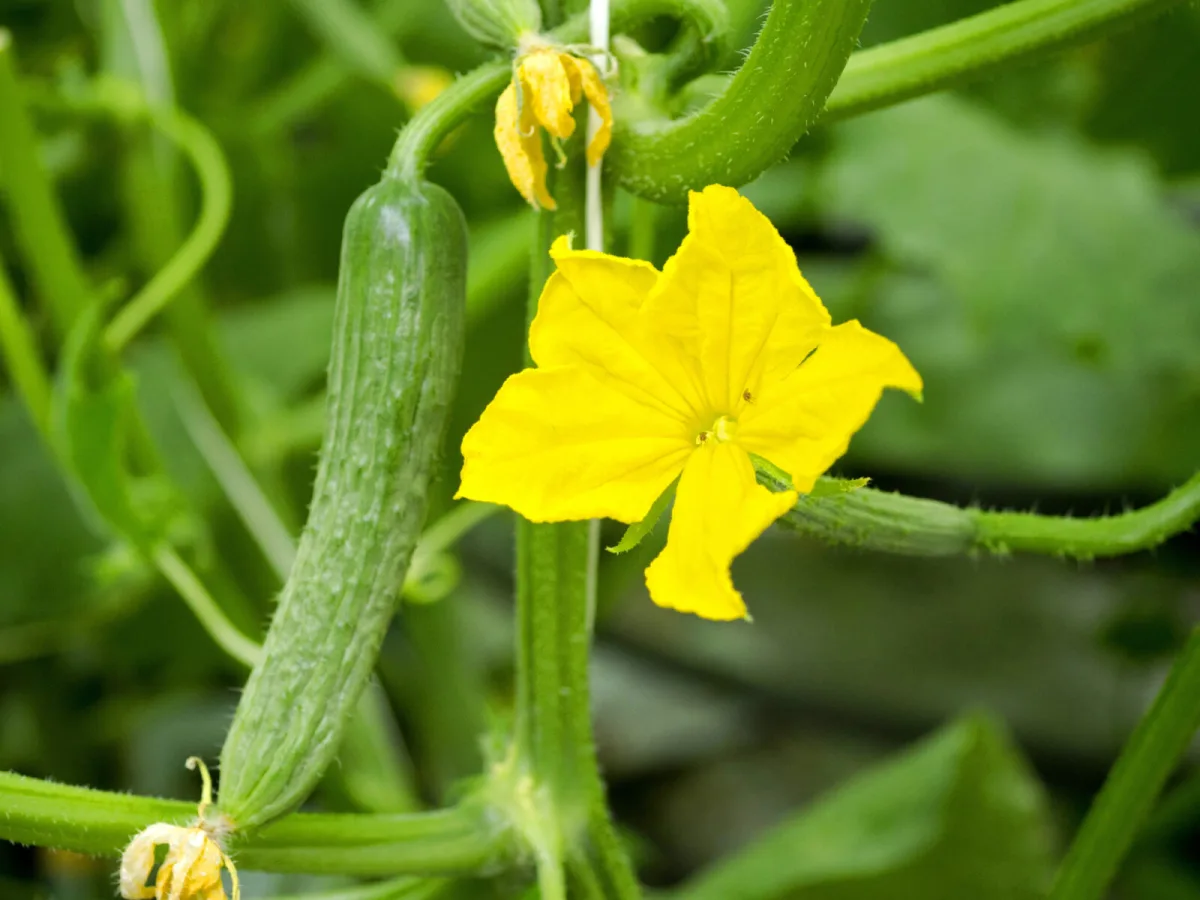
Cucumbers are among the vegetables that need a constant supply of moisture and nutrients. During heatwaves it often happens that plants flower heavily, but new fruits form more slowly. Tiny baby cucumbers can yellow, stop growing, or drop off. It’s not always necessary to reach for expensive fertilizers, because a simple method using ordinary milk has worked well in many gardens for years.
How milk helps plants and the soil
Milk contains substances that can support cucumber health. Particularly important are calcium for stronger plant tissues and better heat tolerance, potassium for fruit set, and phosphorus for root development. Proteins, amino acids, and lactic acid bacteria are also beneficial, helping to support the soil microflora. Healthier soil can hold nutrients better and roots can use them more efficiently, which shows in both growth and productivity.
Which milk to choose and what to avoid
Plain cow’s milk, sour milk, or home-produced unpasteurised milk are all suitable. Flavoured milk drinks and products with sugar, flavourings, or preservatives are not a good choice, as they can unnecessarily burden the soil and may do more harm than good.
Watering a milk solution at the roots
For feeding, a simple dilution is enough: one part milk to nine parts lukewarm water. Before applying, it’s important to water the bed with plain water first so the soil isn’t completely dry. Then pour the solution around the roots, usually about 0.5 to 1 litre per plant depending on plant size and soil moisture. This helps the nutrients spread evenly and the cucumber can take them up more readily.
A gentle milk spray on leaves as protection
Milk can also be used on the foliage as a light protective film. Mix about 0.5 litre of milk with 5 litres of water and pour the solution into a sprayer. Spray the leaves on both sides, ideally early in the morning or in the evening after sunset. Direct sun during application isn’t suitable, because droplets can damage leaves. A thin milk layer can limit the development of some fungal problems, especially powdery mildew.
How often to use milk for it to work
Repeating the milk feed once every 10 to 14 days is fully sufficient. More frequent use isn’t recommended, because an excess of organic matter can upset soil balance and weaken plants. In practice, consistency matters more than heavy doses.
How to tell whether milk is helping your cucumbers
With correct use, you may notice changes within a few days. Plants often have deeper green leaves, flower more, set new fruits better, and cope with hot weather more easily. Overall they look more vigorous and growth is more even.
The most important trick for a longer harvest until late summer
Harvest all full-sized fruits regularly and don’t leave overgrown cucumbers on the plant.
When a cucumber plant is holding large, overripe fruits, it starts sending most of its energy into them and reduces the production of further flowers and new cucumbers. Regular picking is therefore one of the most reliable ways to extend a heavy harvest without unnecessary overfeeding.
Additional principles that will boost yields even more
Water mainly at the roots and not on the leaves, use standing water or rainwater, and keep the soil moist for longer with mulch. Remove damaged or diseased leaves as you go and keep an eye out for pests. When you combine correct watering, regular harvesting, and sensible milk feeding, you’ll give cucumbers the conditions they need to keep setting fruit throughout the summer.
Source: Gardening Know How, To je nápad, Pestrazahrada.cz

A lover of nature, gardens, and everything that moves, blooms, or grows. He literally grows everything, from herbs to rare species, and he enjoys caring for animals just as much. In his work, he connects modern technology with tried-and-tested grandmotherly methods and is happy when both paths lead to the same goal.
Related articles
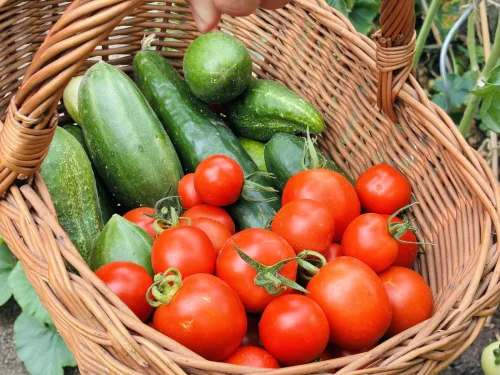
The More Often You Harvest, the Longer Plants Keep Cropping
With fruiting vegetables, frequent picking keeps plants flowering and producing for longer. A few crops, such as aubergines, are tastiest when harvested slightly earlier rather than fully mature.
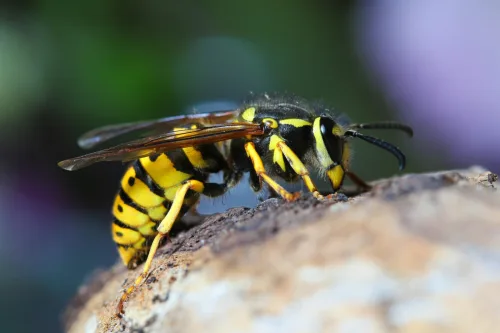
Wasps Aren’t Just a Barbecue Menace They Can Ruin Your Garden Woodwork Too
Weathering isn’t always the main culprit behind damaged outdoor timber. Wasps can scrape fibres from boards and beams surprisingly fast, leaving grooves that soak up water and accelerate decay.

Why hydrangeas wilt in summer even when watered and how to save them fast
Hydrangeas can look limp in hot weather even if you’ve been watering faithfully. The key is to check what’s happening in the root zone, then adjust watering, shade and mulching so the plant can actually use the moisture available.
Comments (0)
Be the first to comment.