
 English
 Polski
 Deutsch
 Nederlands
 Svenska
 Norsk
 Dansk
 Français
 Italiano
 Español
 Português
 Slovenčina
 Suomi
 Gaeilge
Overwintering cacti follows three rules by species a wrong temperature with occasional watering is a trap
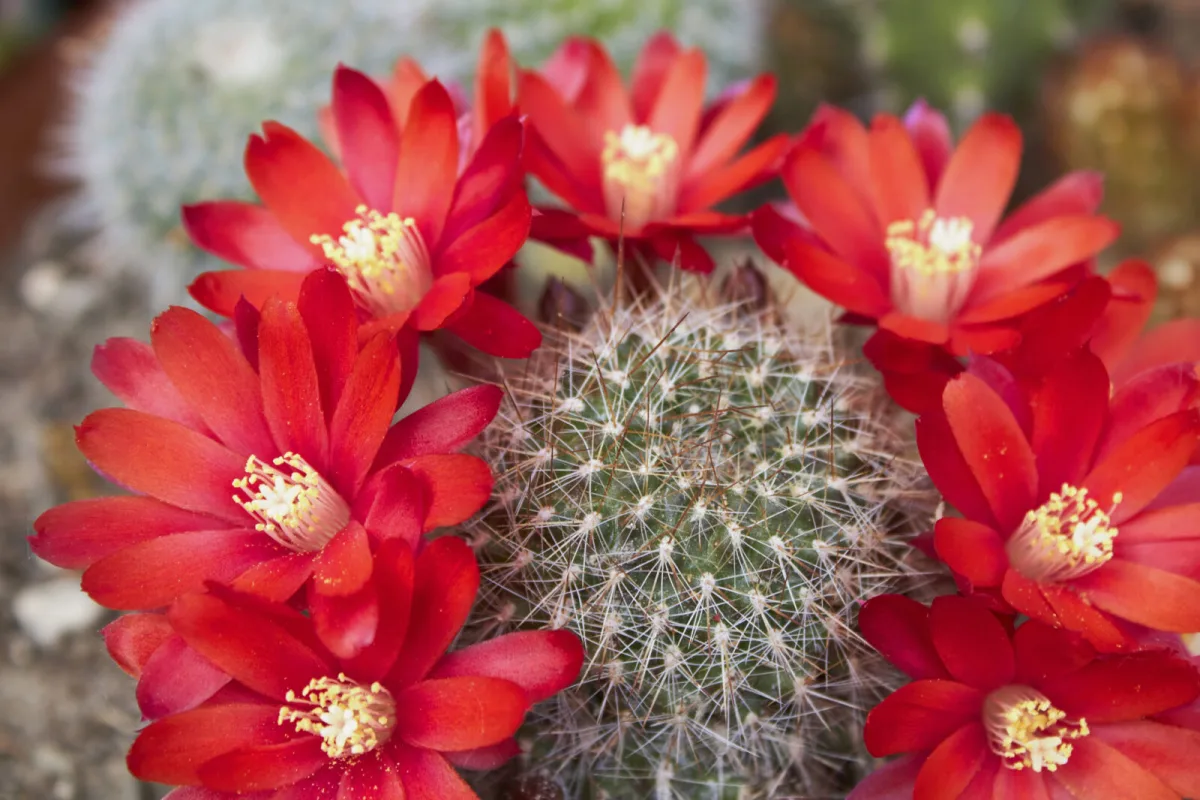
People often associate cacti mainly with scorching sun, sand, and constant heat. But that picture is only part of the truth. During active growth, plenty of sun and high temperatures do suit most species, yet the winter rest period has completely different requirements for many of them. Overwintering is often the deciding factor in whether the plant stays healthy, keeps a good shape, and sets buds for spring.
There is no single universal method for all cacti. Different species come from very different parts of the Americas, from subtropics through the tropics to cooler regions. That’s why they differ mainly in their winter temperature needs and, to a degree, in how much light they require. What most cacti share, on the other hand, is a very limited need for water in the winter months.
Three main groups by winter requirements
For practical growing, it helps to divide cacti into three groups. The first includes cool-growing species that need a winter rest at lower temperatures. The second group is warm-growing cacti that do best overwintering in a warmer room. The third group consists of frost-hardy species that can handle very cold conditions, as long as they are protected from winter wet.
Correctly placing your plant into one of these groups is essential. Mistakes during overwintering show up quickly. A cactus may start to stretch, lose firmness, become deformed, or succumb to diseases and pests.
Cool-growing cacti need dryness and cool conditions
Most commonly grown species fall among the cool-growing cacti. These plants mostly come from subtropical regions where, during the growing season, they get plenty of warmth and occasional heavy rains, while the rest of the year is drier and cooler. In winter, temperatures there can briefly drop very low, but daytime sun quickly warms the environment again.
In the home, they do best with a winter rest around 10 °C. Short fluctuations are usually fine, but long-term overwintering in warm conditions is often a problem for them. From roughly November until early March, these cacti should receive no watering at all. Only with longer days and rising temperatures is it possible to begin watering cautiously.
When kept cool and dry, they are not as demanding about light as they are in summer. Even so, it’s better to overwinter them in a bright place. Some species, especially high-altitude South American cacti, wake very early, so it isn’t suitable to keep them in the dark for long. This applies, for example, to some members of the genera Rebutia or Matucana.
What to avoid with cool-growing species
The worst combination is warm overwintering together with occasional watering. Because of insufficient light, the plant starts to stretch unnaturally, loses its compact form, and weakens. On a cactus exhausted in this way, fungal diseases, bacterial problems, or pests then appear easily, especially mealybugs and spider mites.
Warm-growing cacti can get through winter indoors
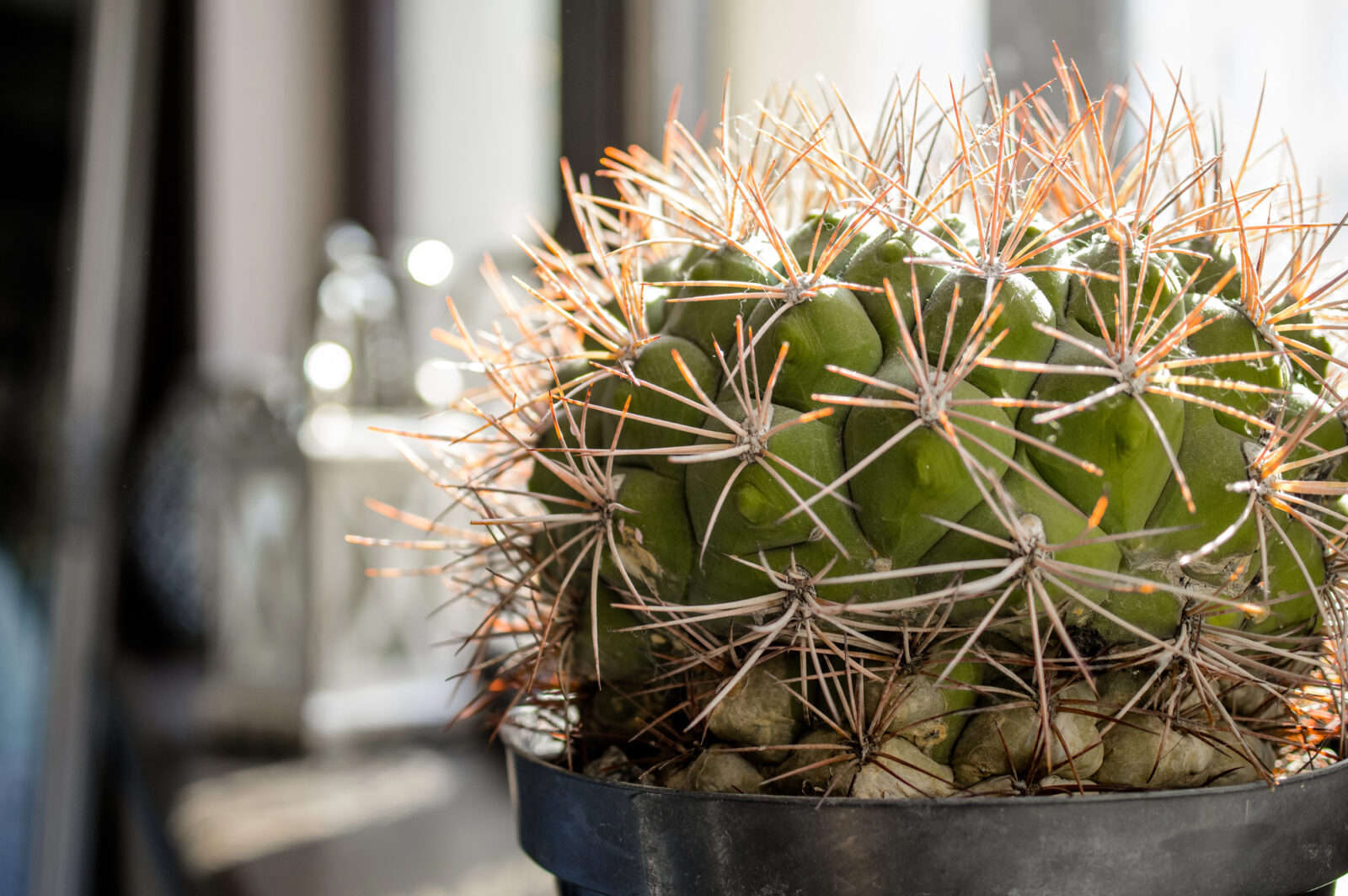
If you don’t have a cool veranda, a cellar window, or an unheated conservatory, you don’t have to give up growing cacti. There are also species that tolerate overwintering at normal room temperature. Typical representatives are the genera Melocactus, Discocactus, or Uebelmannia.
These plants come from tropical regions, and a long-term drop below 18 °C does not suit them. They thrive best at temperatures around 20 to 24 °C. Even in winter, they therefore need a consistently warm spot. Unlike cool-growing species, their winter routine is closer to normal houseplant care, although overwatering is still not advisable.
Melocacti are also very attractive year-round. Mature plants form a conspicuous cephalium on the crown, from which both flowers and fruit emerge. Thanks to this, they look interesting even outside the main season and are a popular choice for growers who want to keep cacti in a warmer interior.
Frost-hardy species for more experienced growers
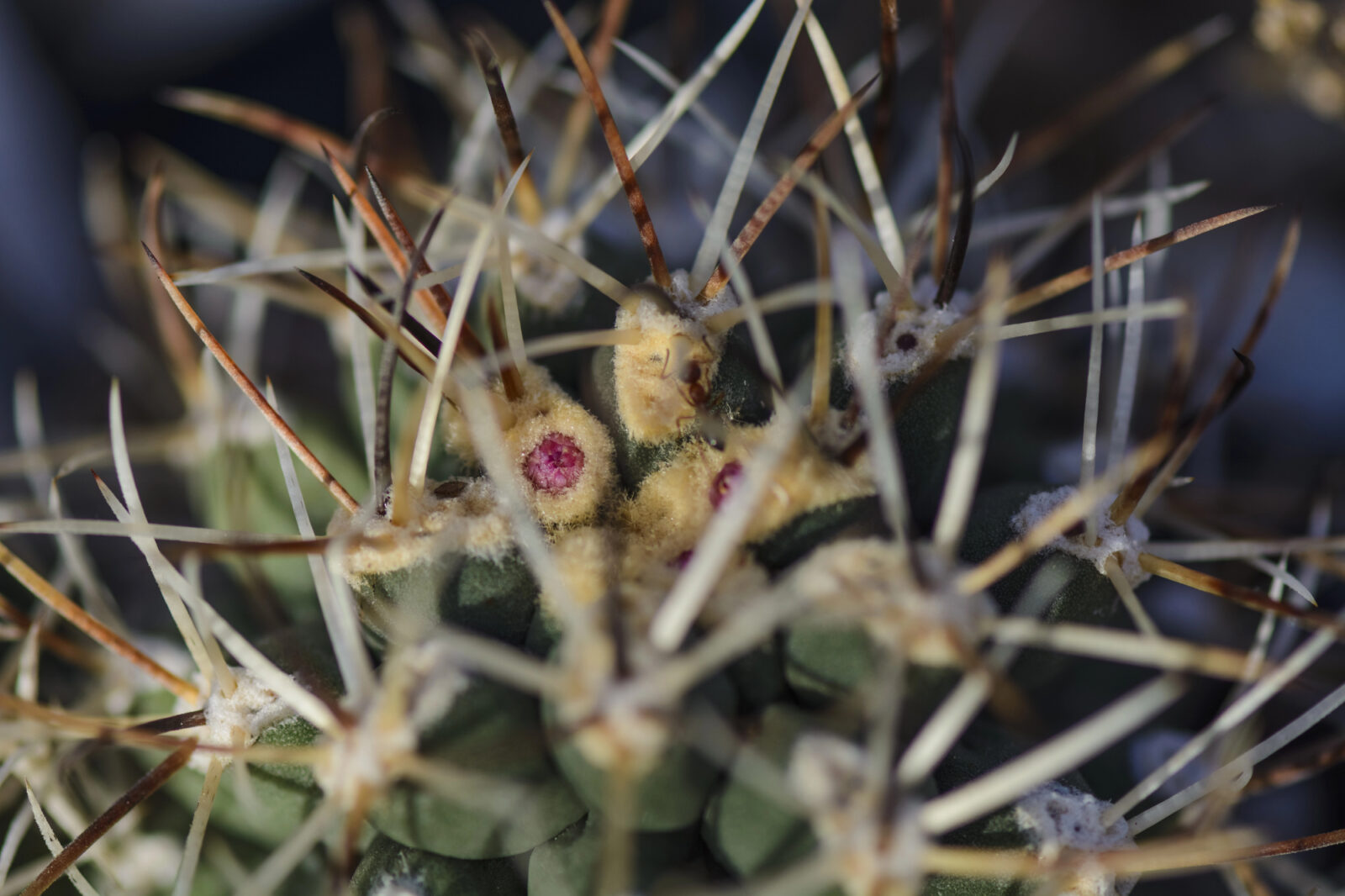
A separate group is made up of frost-hardy cacti. They can survive winter in an unheated greenhouse or cold frame, provided they are protected from rain and snow. This includes some species from the genera Echinocereus, Coryphantha, Pediocactus, or Sclerocactus. With part of them, however, cultivation is more demanding and requires experience.
Even tougher are truly winter-hardy cacti that can be planted outdoors in a bed or rock garden. Most often these are certain North American prickly pears. These species tolerate frost well and, in the right spot, don’t need complicated protection; sometimes a simple cover against winter wet is enough.
Correct overwintering determines health and flowering
Successful overwintering is not just about the plant surviving. It has a direct effect on its appearance, vigor, and willingness to flower. A cactus that gets exactly what it needs in winter wakes in spring in good condition and often forms buds very early. For many species, the winter rest is an essential precondition for abundant flowering.
The most important thing is to know what species you are growing and adjust temperature, light, and watering accordingly. Once you choose the right regime, cacti can handle our winter without major problems and will reward you next season with healthy growth and striking flowers.
Source: The Next Gardener, Cambridge University Botanic Garden, Pestrazahrada.cz

A lover of nature, gardens, and everything that moves, blooms, or grows. He literally grows everything, from herbs to rare species, and he enjoys caring for animals just as much. In his work, he connects modern technology with tried-and-tested grandmotherly methods and is happy when both paths lead to the same goal.
Related articles
Overwintering Geraniums in a Cardboard Box Instead of Pots
If you don’t want to store heavy pots indoors, you can overwinter certain pelargoniums bare-root in a cardboard box. It saves space, but only works with the right plants, cool frost-free conditions, and regular checks.
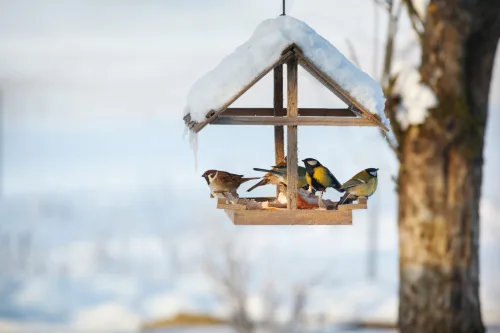
Wild Birds Struggle in Winter A Well Placed Feeder Can Save Lives
Wild birds have a much tougher time finding food in winter than they do in spring and summer. With the right feed, good hygiene and safe placement, your garden feeder can make a real difference to their survival.
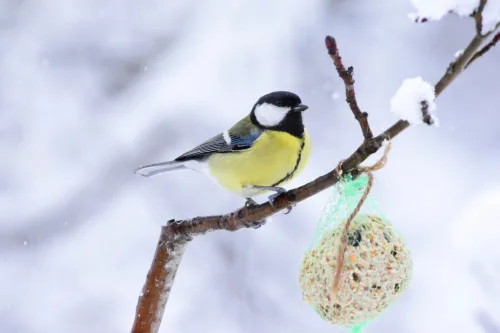
Feeder Full but No Tits in Sight
If your bird feeder stays full while blue tits and great tits keep away, the problem is usually the food you offer and how you serve it. Use high-energy, safe feed and keep the feeder clean to turn your garden into a reliable winter stop.
Comments (0)
Be the first to comment.