
 English
  Polski
  Deutsch
  Nederlands
  Svenska
  Norsk
Norsk  Dansk
Dansk  Français
  Italiano
  Español
  Português
  Slovenčina
  Suomi
Suomi  Gaeilge
 Now Is the Perfect Time to Sow a New Lawn for Dense, Hard-Wearing Turf
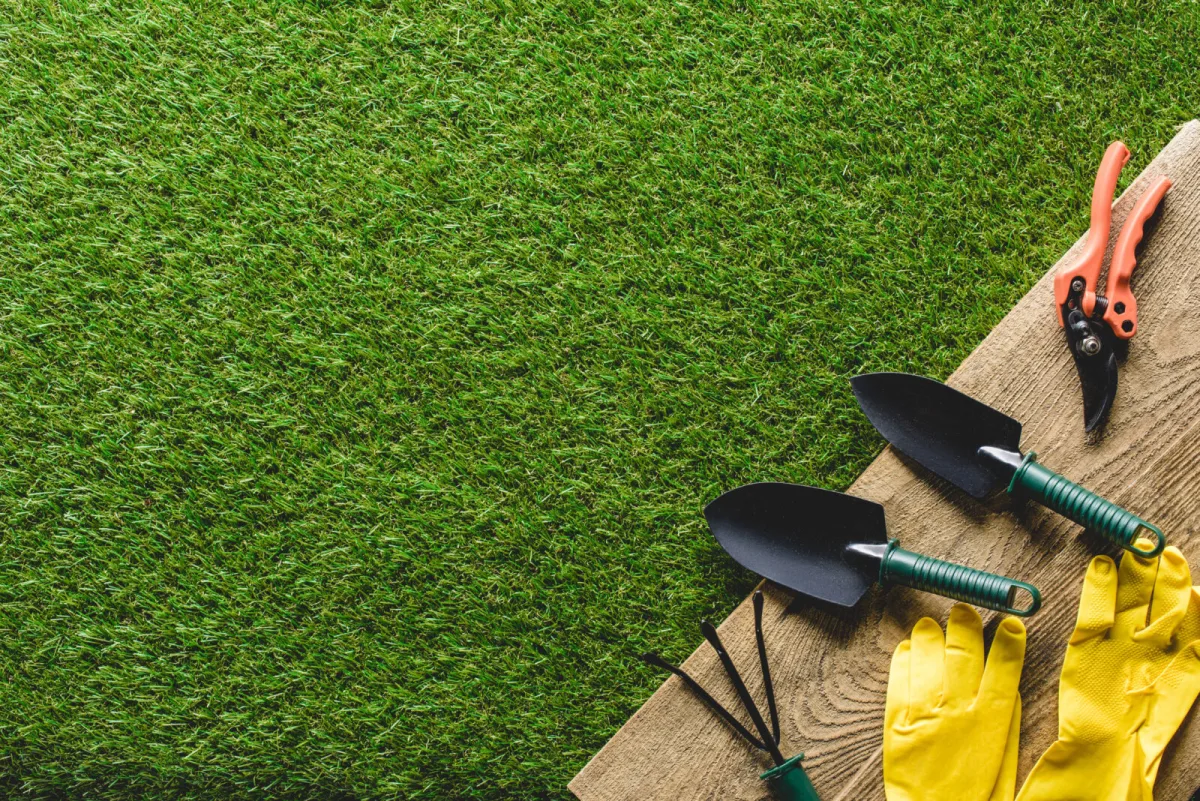
Establishing a lawn from seed is a popular option mainly because it’s cheaper than laying turf, and it also gives you far more choice of mix to suit the conditions in your garden. Seed is easy to transport and can be stored until the weather is right. With turf, by contrast, you need to act quickly because once it’s delivered it gradually loses quality if it isn’t laid straight away. The only real drawback of sowing is that you’ll wait a little longer for a finished look.
The best times to sow are early autumn, roughly from September to November, and then mid-spring, approximately from March to April. At these times the soil is usually warm enough, there’s typically more moisture in the ground, and the weather is neither too cold nor too hot. In good conditions, the first seedlings often appear within seven to ten days.
If you have the choice, autumn sowing generally has the edge. Young plants have time to root before harder frosts arrive, and over winter the root system continues to strengthen. With spring sowing, grass can sometimes establish more slowly because some energy may go into flowering, and summer weather swings can hold it back overall.
Choosing the right grass seed mix for how you use your garden
The result depends heavily on the mix you choose. It’s not only about appearance, but also durability, growth speed and mowing needs. Before buying, decide whether you want a lawn mainly for play and everyday wear, for a more showy finish, or for a shady spot.
All-purpose hard-wearing lawn
For typical family gardens, a mix of tougher species works well and copes with frequent foot traffic, children and pets. This type of lawn usually grows faster and will need regular mowing so it doesn’t become coarse and lose density.
Fine ornamental lawn
If you want a soft, dense sward with a very neat, refined look, choose mixes with fine-leaved grasses. These lawns are generally less tolerant of wear, but on the other hand they can be kept at a lower mowing height and look exceptionally clean. Growth tends to be slower, so mowing may not need to be as frequent, but careful maintenance matters.
Mix for partial shade and shade
In lower-light areas, for example under trees or alongside a fence or hedge, it’s better to choose mixes intended for light to moderate shade. Bear in mind that these lawns are usually not as resistant to heavy wear and need gentler treatment.
Seed quality makes the difference
With lawn seed mixes it’s often true that a low price can mean a poorer result. Cheap seed may contain weed contamination or coarse agricultural grasses that do grow quickly, but then the lawn looks rough and uneven. It pays to choose seed from trusted manufacturers and to read the blend details. If the mix includes ryegrass, it should be turf-type ryegrass, not a forage variety.
Preparing the area is the key to a level, weed-free lawn
If you rush the preparation, you’ll usually end up correcting bumps, thin patches or weeds later on. Ideally, start several weeks before you plan to sow so the soil has time to settle and you can remove freshly germinated weeds more than once.
First, clear the area of perennial weeds that readily return from the roots. It’s best to dig these out carefully, including all underground parts. If the soil is compacted and hard, digging over or using a rotavator to a depth of around 20 cm will help. On light soils that dry out quickly, it’s useful to work in a generous amount of mature compost or well-rotted manure so the ground holds water better.
After cultivating the soil, leave the area to rest for a few days to a few weeks. The longer the better; five to six weeks is often recommended, because the ground will settle and you’ll also see where weeds are still coming up. Then remove them: for small seedlings, light hoeing is enough; for perennials, it’s best to hand-pull any regrowth again.
A crucial step is firming the surface. Walk over the area several times in different directions with short steps so the soil firms evenly. Then rake thoroughly, again from different directions, removing stones and breaking up clods. The aim is a fine, crumbly tilth and the flattest surface possible, because unevenness shows even more once the lawn is established.
If you want to boost early growth, you can incorporate a standard general fertiliser before sowing at roughly 70 g per square metre. Always take the manufacturer’s guidance and your soil condition into account.
How to sow properly for an even sward
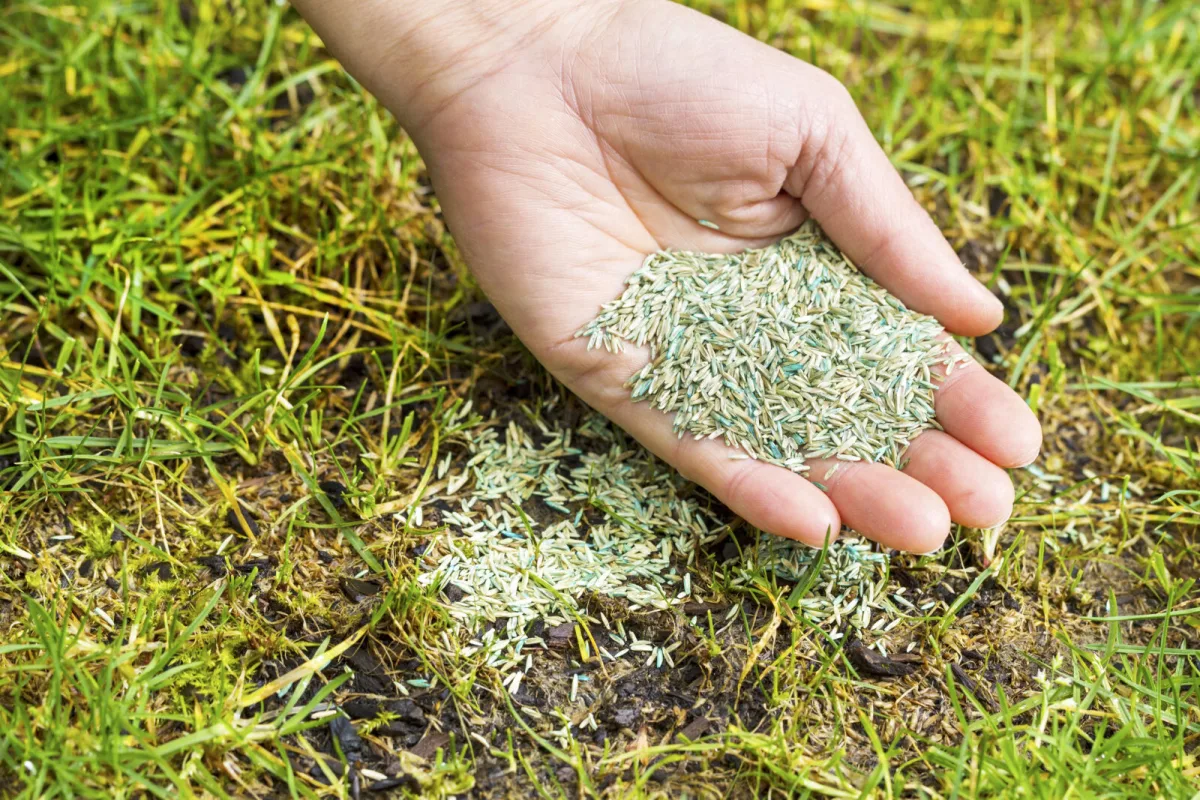
Sowing itself isn’t difficult, but the key is to spread the seed as evenly as possible. First weigh out the amount for your area, because the recommended sowing rate varies by mix and is usually stated on the packet. Then divide the seed into two equal portions.
Sow the first half by walking over the area in parallel strips, scattering the seed evenly. Then sow the second half crosswise, walking at right angles to the first direction. This greatly reduces the risk of stripes and thin patches.
After sowing, lightly rake the surface so most of the seed is just covered with a thin layer of soil. If there’s no rain forecast for a few days, water very gently with a fine spray so the seed isn’t washed out or shifted. In the first days, steady moisture in the top layer of soil is essential.
Freshly sown seed often attracts birds. Covering with horticultural fleece can help; weigh it down at the edges so the wind can’t lift it. As well as preventing pecking, the fleece can keep the soil surface warmer and moister, which improves germination. On larger areas, bird-scarer tape that rustles in the wind is sometimes used too. If you can’t use protection, some gardeners increase the sowing rate to cover losses, but it’s better to focus on prevention and even establishment.
Over the next days, check moisture and water as needed about every few days, always gently, and preferably little and often rather than one heavy soaking.
Caring for a new lawn from first shoots through the first season
The first grass seedlings usually appear within a week to ten days. At this stage, consistent but gentle care is most important. If it isn’t raining, water regularly using a watering can with a rose or a hose with a fine spray. A strong jet could break the surface and wash the seed out.
When the seedlings are about 5 to 7.5 cm tall, it’s worth lightly firming the surface again so the roots knit into the soil and air pockets don’t form. A garden roller is ideal, or the rear roller of a mower if you have one. If you have neither, carefully tread down any raised areas.
Two to three days later comes the first mow. Reduce the growth by only about one third of its height and use the sharpest blades possible so the young grass isn’t torn. A cylinder mower is suitable, and it’s a good idea to avoid pressing the sward down unnecessarily with the roller during the first cuts.
With autumn sowing, you often won’t need to mow again before winter, and the next regular mowing starts in spring. With spring sowing, mowing is usually about once a week depending on growth, gradually lowering the height to the normal setting. In hot periods it’s better to leave the grass a little higher, or reduce mowing for a time, so the lawn copes better with drought.
Weed seedlings often weaken and disappear once you start mowing regularly. However, low-growing perennial weeds are best pulled by hand, as are any coarse clumps of grass that don’t belong in a finer lawn.
Try to keep use of the new lawn to a minimum for about eight months so it can root well and thicken up. A lawn sown in autumn is best used more heavily from around June; with spring sowing it’s better to go easy on it until late autumn. If hollows appear as the soil settles, you can lightly level them in September with a thin layer of sieved compost as a topdressing.
In spring you can also apply a sensible dose of lawn fertiliser so the sward has enough nutrients for dense growth and recovery after winter. If you combine the right sowing time, quality seed, careful soil preparation and gentle aftercare, you’ll end up with a lawn that looks good and stands up to use.
Source: Rhs, The Grass People , Pestrazahrada.cz
Related articles

Drought tolerant fruit trees for Czech gardens that handle heat and winter frosts
Warmer summers and longer dry spells are changing what can be grown in Czech gardens. With the right variety and a sunny, sheltered spot, olives, pomegranates and figs can cope with heat, drought and even winter cold.

Thuja hedges are on the way out gardeners are choosing a shrub that shrugs off frost and drought and never looks dull
Thuja may be a long-standing classic, but today’s hedges are increasingly built from more varied shrubs that look better through the seasons. One standout choice is ninebark, prized for its toughness, colour and easy care.

Autumn planted grapevines bud earlier the most common mistake happens before they even go in the ground
Planting grapevines in November can give them a head start in spring, as roots can still establish in warm soil. Success depends mainly on proper planting depth and reliable winter protection.
Comments (0)
Be the first to comment.