
 English
  Polski
  Deutsch
  Nederlands
  Svenska
  Norsk
Norsk  Dansk
Dansk  Français
  Italiano
  Español
  Português
  Slovenčina
  Suomi
Suomi  Gaeilge
 Natural Tomato Protection from Pests and Better Flavour with Companion Plants
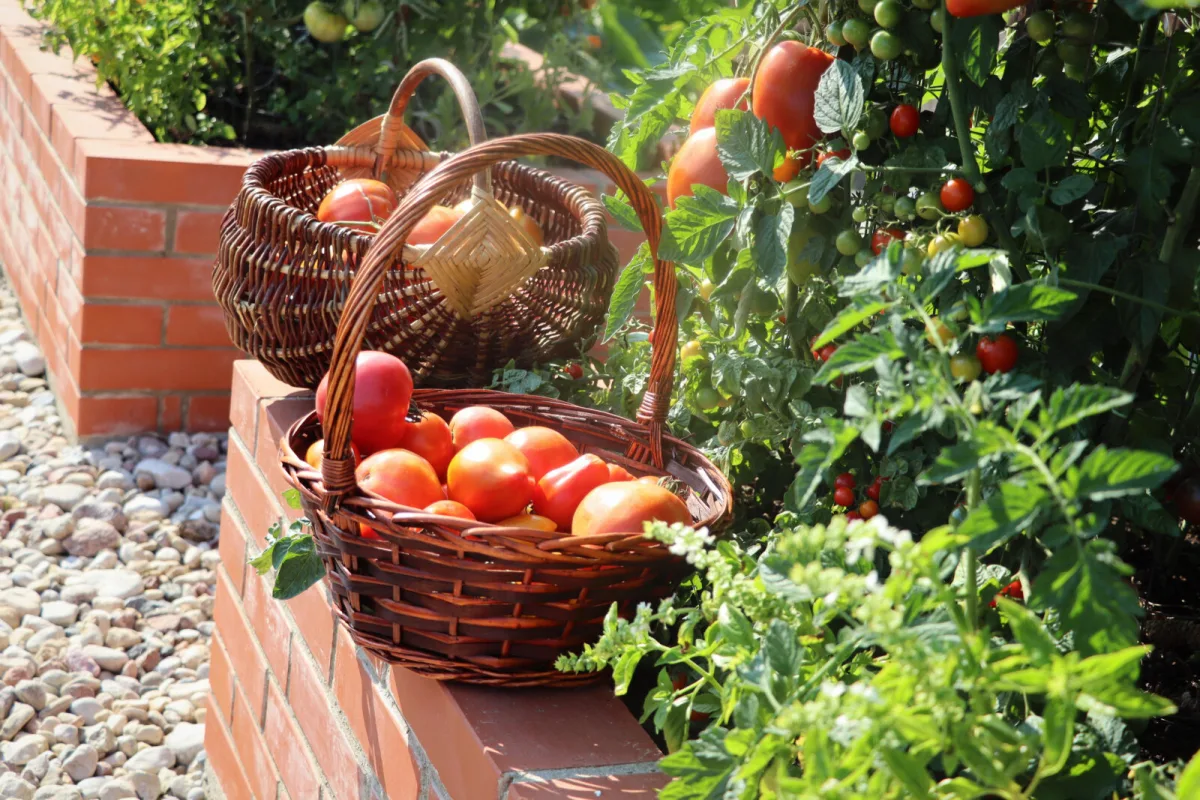
Tomatoes are among the most popular crops for gardens and balconies, but they can also cause growers plenty of headaches. They’re often attacked by sap-sucking pests, weakened by nutrient shortages, and as the season goes on you may also see rot or fungal diseases. Alongside routine care, correct watering and feeding, there’s also a gentle way to help them naturally.
A well-chosen mix of plants near tomatoes can encourage healthy growth, reduce pest pressure, and sometimes even contribute to a more pronounced flavour. It’s not magic, but simple principles: some plants repel insects with their scent, others attract helpful pollinators and pest predators, and others help create a more favourable microclimate in the bed. Among the most practical and easily available helpers are pot marigold (calendula), zinnia and basil.
Pot marigold (calendula) as a protective shield for the roots
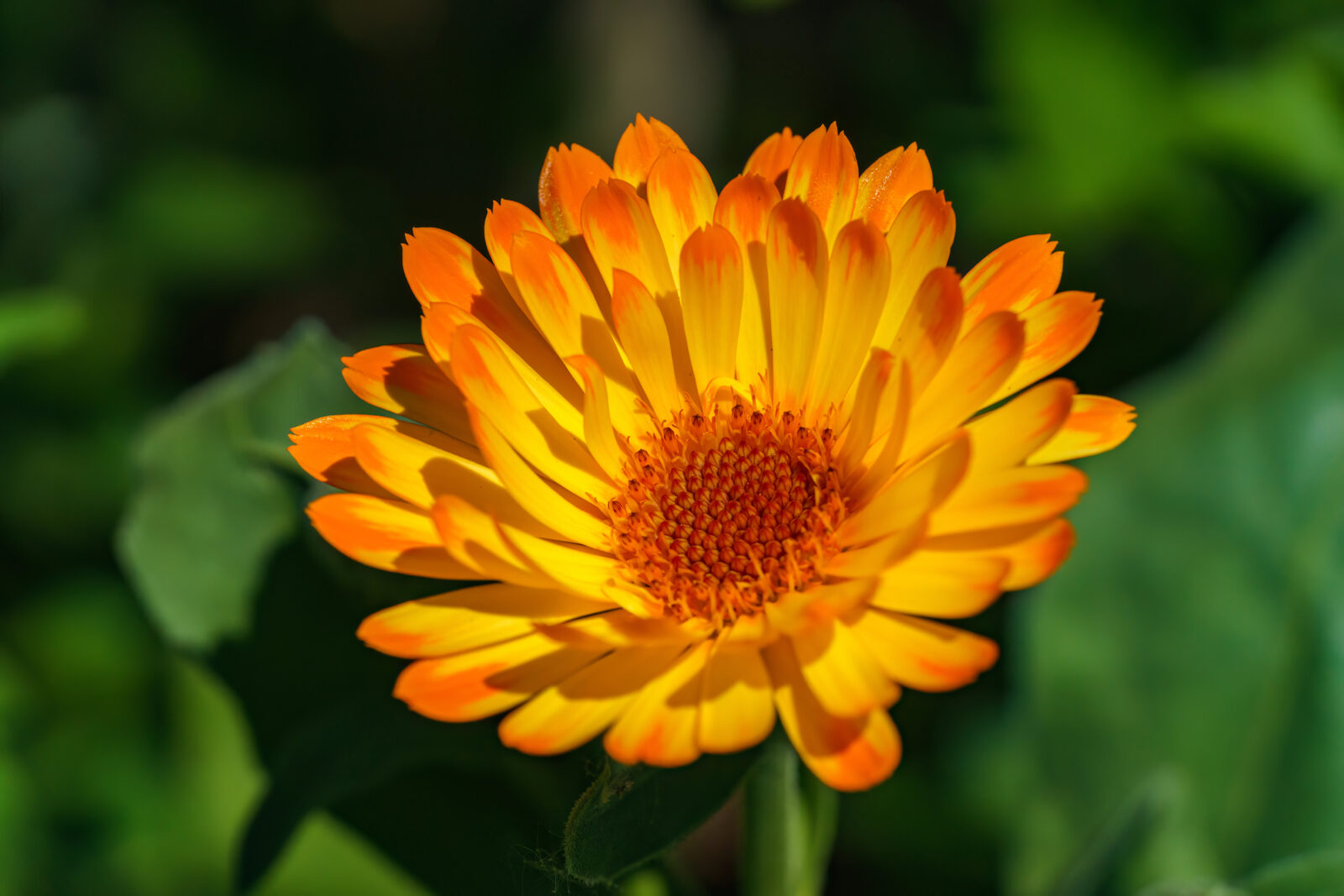
Pot marigold is an undemanding plant you can grow from seed even without much experience. In a bed with tomatoes it has a clear advantage: it helps protect the root system from nematodes, tiny soil pests that can weaken roots or destroy them completely. Calendula releases compounds that are unfavourable to this type of pest, which can reduce their presence around tomatoes.
Another plus is its flowers. They attract useful pollinators such as bees, butterflies and some beneficial wasps. Calendula also has quite a distinctive scent that some pests dislike, so in practice it can help limit whiteflies, aphids and similar unwanted visitors. If you want to combine something useful with something ornamental in the bed, calendula is a reliable choice.
Zinnia as a magnet for pollinators and natural predators
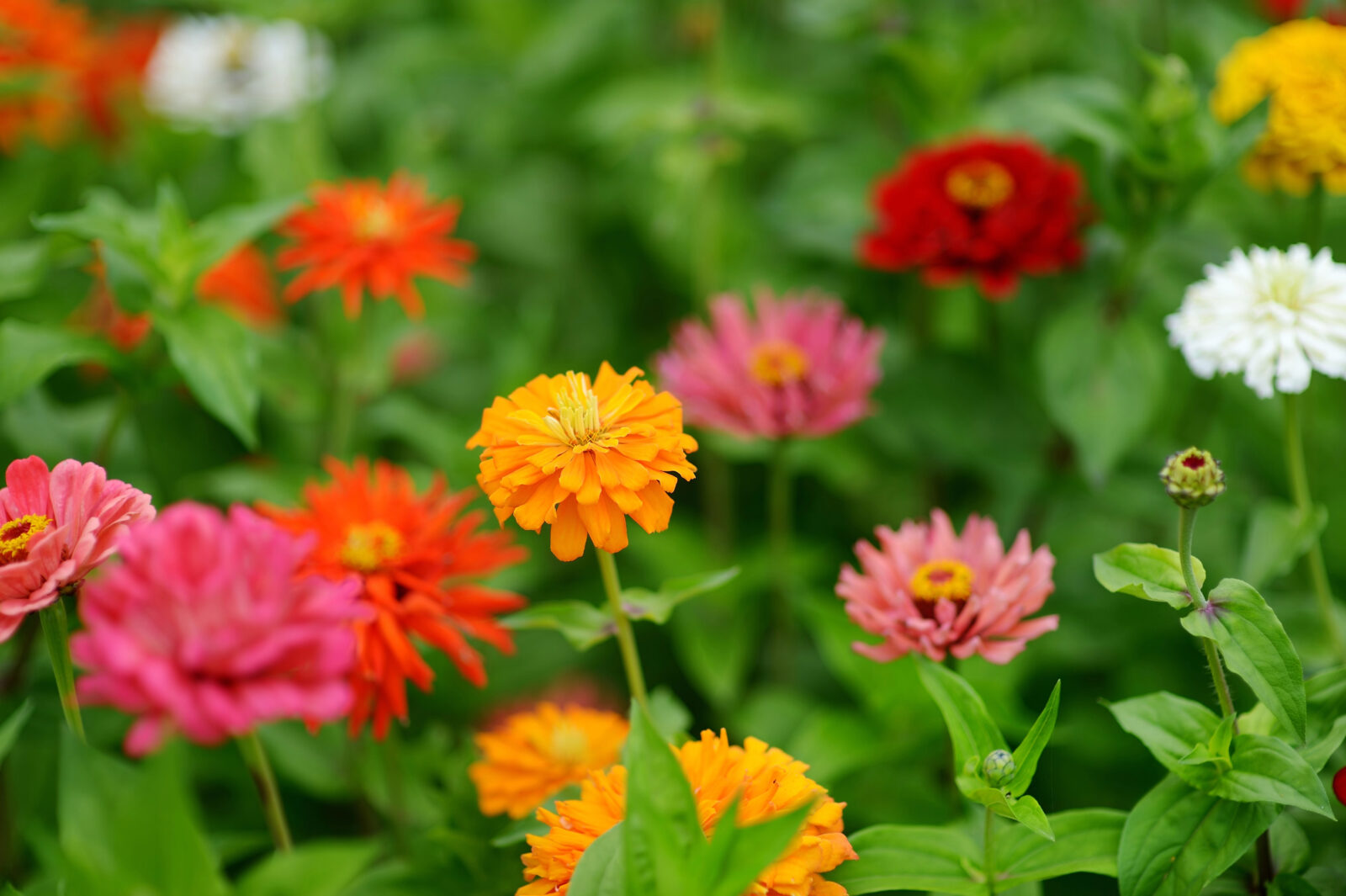
Zinnia is another annual that pairs beautifully with tomatoes. Its main benefit is that it attracts pollinators in large numbers. When the garden is buzzing and insects have plenty to feed on, the whole ecosystem tends to be more stable and crops cope better with small fluctuations and stress. Zinnia also adds a splash of colour that can brighten up an otherwise purely productive bed.
Just as important, zinnia flowers also attract ladybirds. They’re among the best-known beneficial insects because they feed on aphids and mites. Over its lifetime, a single ladybird can consume a huge number of aphids, providing valuable help where pests would otherwise multiply quickly. Zinnias are easy to sow from seed: simply scatter them over the soil surface and cover lightly with a thin layer of compost or fine soil.
An extra practical bonus is aesthetic. Zinnia blooms last well in a vase and can decorate the home all summer, so you benefit from them not only in the bed but indoors too.
Basil as a fragrant partner and a flavour boost
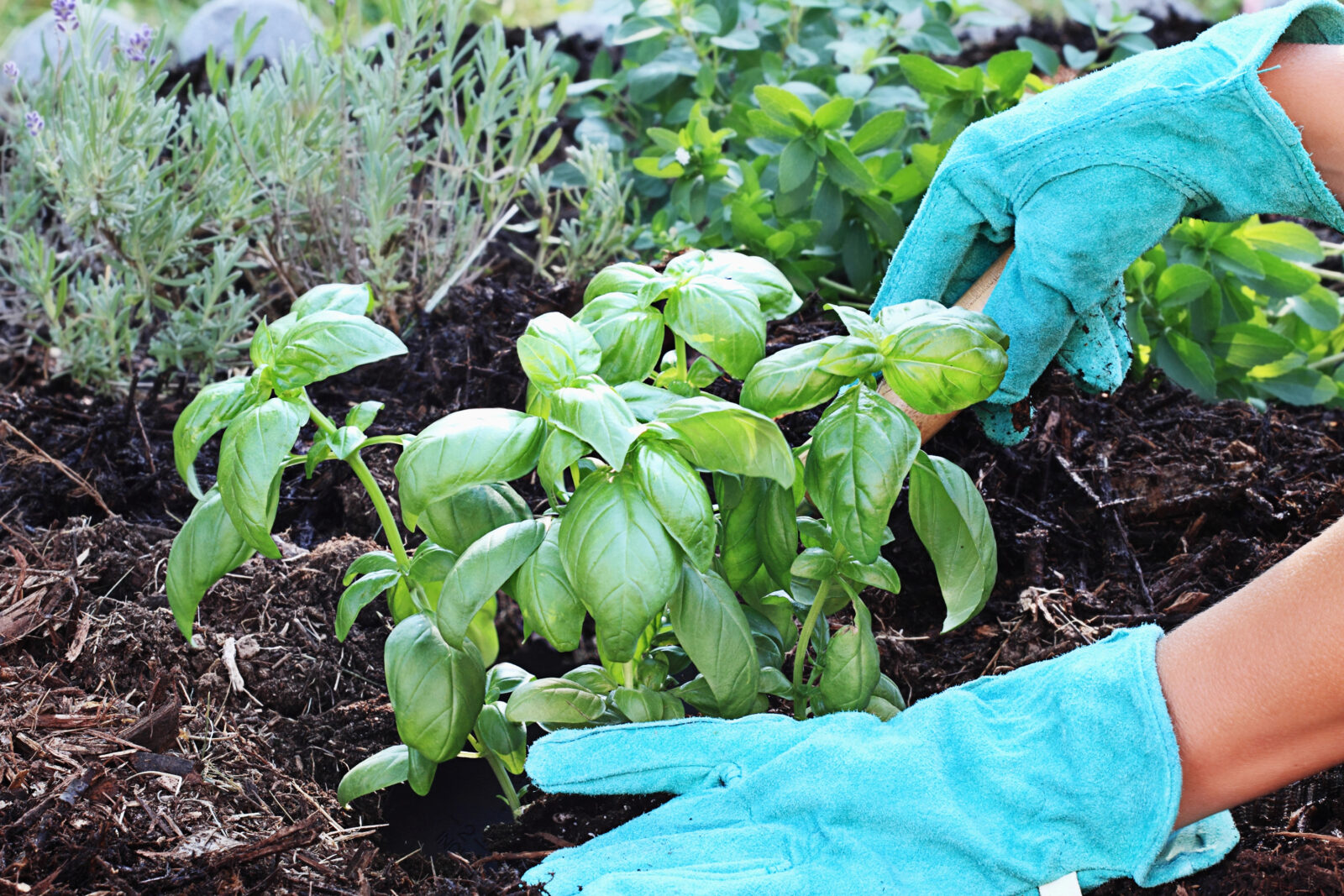
Basil and tomatoes belong together in the kitchen, but they work just as well together in the garden. Basil is an aromatic herb whose scent can help repel some common pests, such as aphids and whiteflies. Planted near tomatoes, it acts as a naturally fragrant barrier and also gives you fresh herbs for cooking.
Interestingly, this duo often helps each other both ways. Tomatoes can provide basil with a touch of light shade, which helps it cope better during hot spells. And as a pleasant side effect, basil grown close to tomatoes is often said to have a positive influence on the flavour of the fruit, giving a fuller, more pronounced taste.
You can sow basil directly in the bed at the time you transplant your tomato plants outdoors. It also does well in containers, so if your tomatoes are in a pot you can add a basil plant alongside them. It usually doesn’t demand extreme nutrient levels, so it won’t unnecessarily deprive tomatoes of soil fertility, while bringing a very practical benefit to the kitchen.
A simple step towards more resilient tomatoes
If you want to grow tomatoes with less reliance on interventions while supporting a natural balance in the garden, the combination of calendula, zinnias and basil is an accessible solution. These plants are easy to raise from seed, they support surrounding garden life, and they can help tomatoes both with pests and with overall vigour. The results often show not only in how the plants look, but also in what matters most: the flavour and quality of your harvest.
Source: DIY Garden Growing Hacks, The Spruce, Pestrazahrada.cz

A lover of nature, gardens, and everything that moves, blooms, or grows. He literally grows everything, from herbs to rare species, and he enjoys caring for animals just as much. In his work, he connects modern technology with tried-and-tested grandmotherly methods and is happy when both paths lead to the same goal.
Related articles
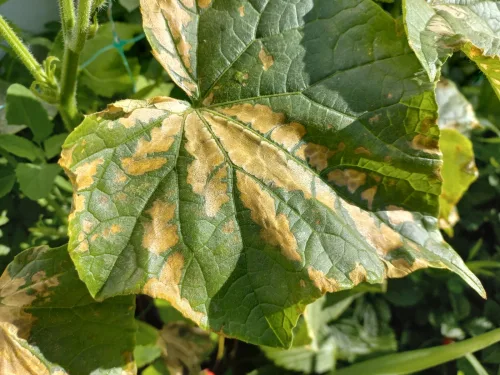
Yellowing cucumber leaves have a clear cause and with the right response plants recover quickly
Cucumber leaves turn pale and yellow when the plant is under stress—most often from watering mistakes, nutrient imbalance, or sudden temperature swings. Spot the pattern early and you can restore growth and protect your harvest fast.
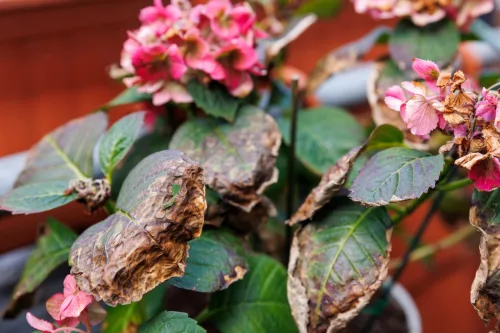
How to Get Browning Hydrangeas Back on Track Without Chemicals
Brown leaf edges or spots on hydrangeas usually point to a simple mismatch in light, watering, or airflow rather than a lost cause. Learn how to read the symptoms and restore your shrub quickly with gentle, practical fixes.
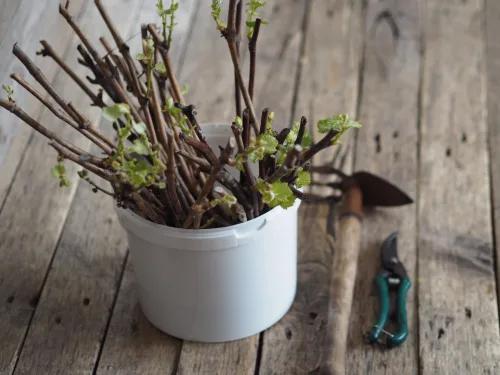
Turn Ground Cinnamon Into a Secret Weapon for Stronger, Tougher Plants
Ground cinnamon isn’t just for baking—it can help protect houseplants and garden plants from mould and fungal issues, support cuttings, and even act as quick first aid for minor wounds. Used lightly, it’s an affordable, gentle, natural add-on to good growing practice.
Comments (0)
Be the first to comment.