
 English
  Polski
  Deutsch
  Nederlands
  Svenska
  Norsk
Norsk  Dansk
Dansk  Français
  Italiano
  Español
  Português
  Slovenčina
  Suomi
Suomi  Gaeilge
 The Most Common Autumn Mistake with Strawberries That Leaves You with Hardly Any Fruit Next Year
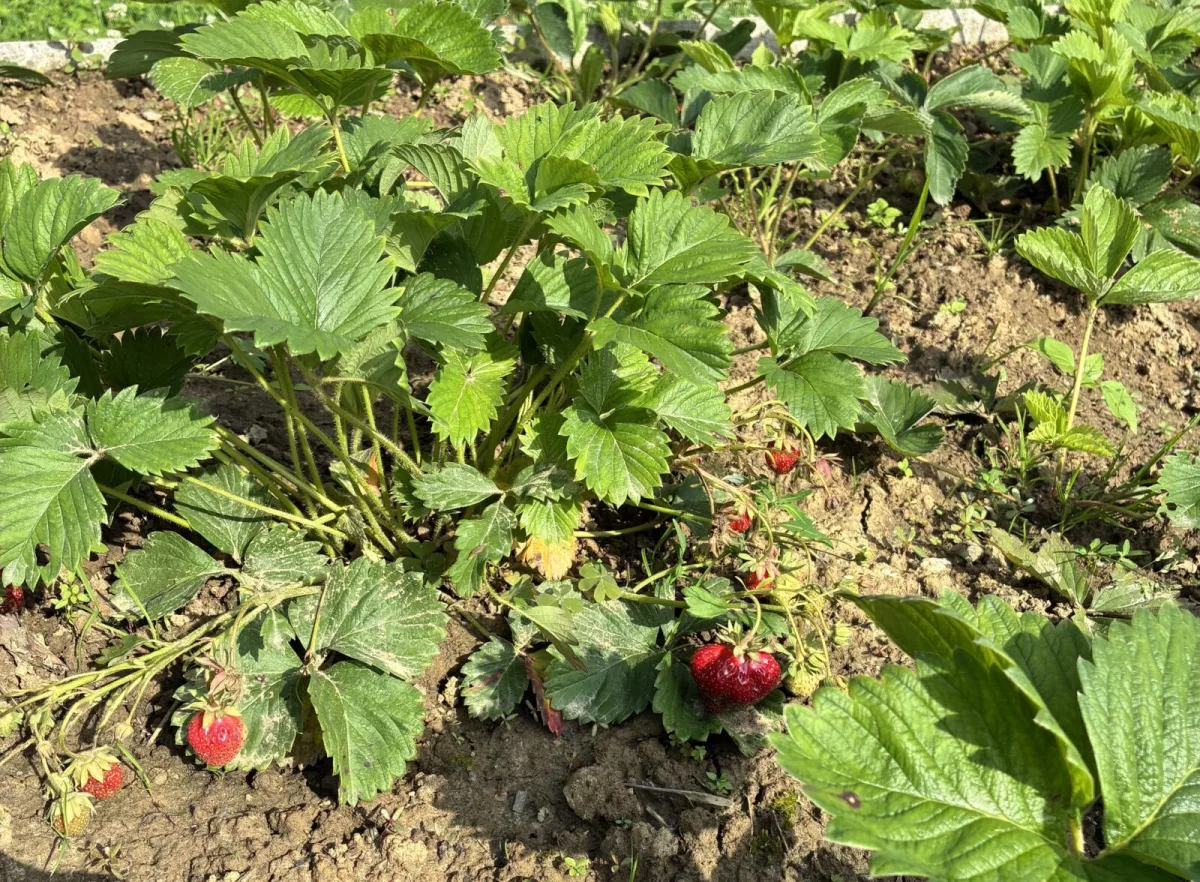
Whether you grow strawberries in open ground, in a raised bed, or in pots, autumn care has a major impact not only on whether the plants survive winter, but also on how they grow and fruit next season. Strawberries are among the easier perennials: once planted, they can deliver a decent crop for several years running without complicated interventions. Even so, many growers repeatedly struggle with one thing: how to prepare them properly for winter so frost doesn’t damage them.
Most varieties are fairly hardy, but in areas with real hard frosts, strawberries benefit from a bit of help. Without protection, the crowns can be damaged, plants can dry out, or they can be killed outright. Just as important, though, is not overdoing care—especially when it comes to cutting back. Incorrect autumn leaf cutting is a common reason for a poor crop the following year.
Autumn pruning is a mistake for strawberries
Cutting back strawberries can make sense because it helps rejuvenate plants and boosts vigour. The key rule, however, is that strawberries should not be mown down or heavily cut back in autumn. This is especially true for once-fruiting (June-bearing) varieties that set the main crop.
There are several reasons. Inside the plant, the foundations of next year’s flower buds are already forming at this time, so removing too much foliage can indirectly reduce next season’s harvest. At the same time, the leaves act as a natural shield, protecting the crown and roots from freezing and sharp temperature swings. In colder regions, an autumn cut-back can mean the plants don’t make it through winter even under a heavy mulch.
The right time to cut back is shortly after the last harvest period in summer. Then strawberries have enough time to regrow, strengthen, and form leaves that will help them overwinter. If you skipped the summer tidy-up, don’t try to make up for it in autumn. The safest approach is to leave the plants alone and focus only on winter protection. Next year, you can cut back right after harvest.
Mulch as the main winter protection for in-ground strawberries
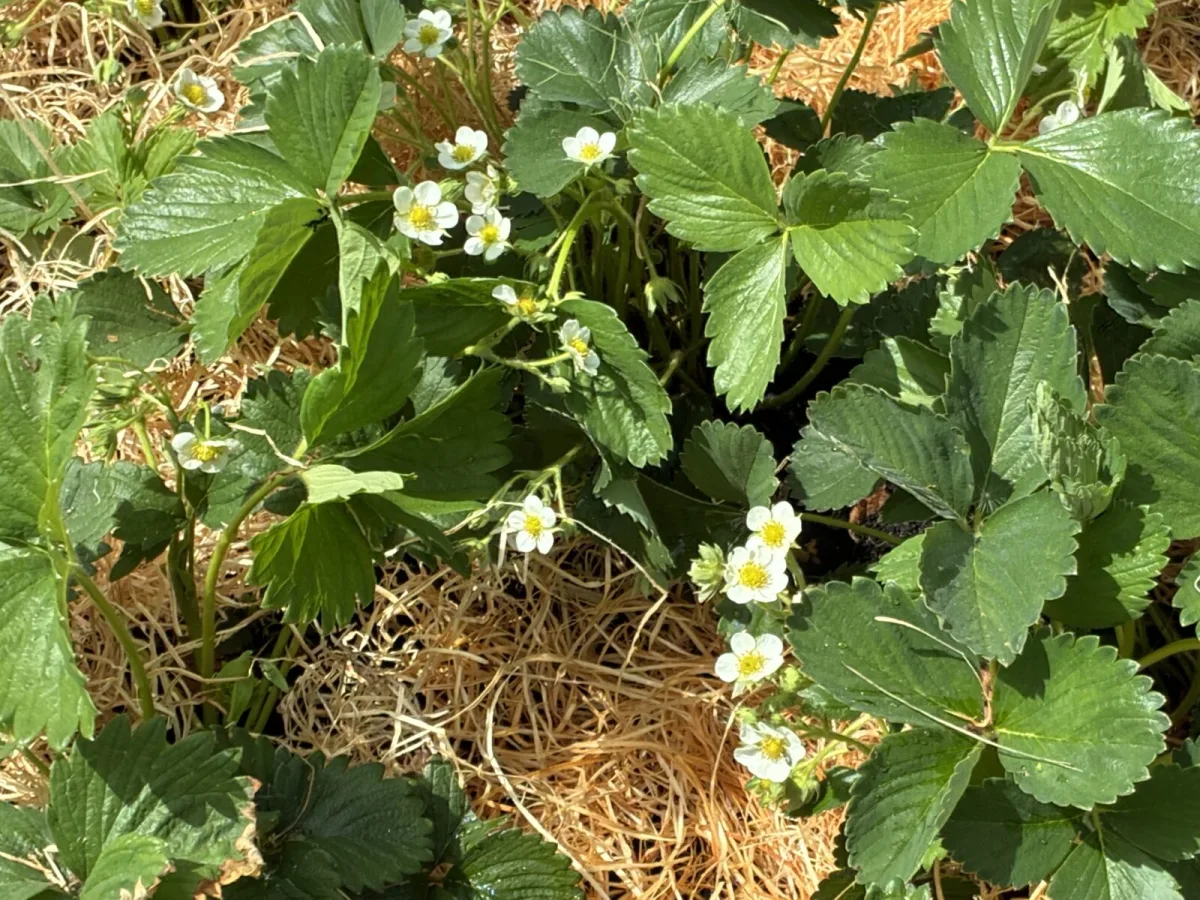
Strawberries in beds and raised beds are best protected with a thick layer of mulch. In late autumn, when plants naturally slow down and the leaves begin to brown, it’s a good idea to cover them with roughly 10 to 15 cm of breathable material. The important thing is that the mulch not only insulates, but also allows airflow and doesn’t hold excessive moisture right against the plants.
A well-chosen mulch also helps by stabilising soil temperature. It prevents repeated thawing and refreezing, which is often worse for strawberries than the cold itself. The aim isn’t to seal plants airtight, but to create a protective “blanket” that softens weather extremes.
Straw as the most reliable option
Among the best materials for winter cover is straw. It insulates the root zone well, holds its shape, yet stays airy enough. It lets a certain amount of moisture through, so plants don’t dry out completely, but they also aren’t sitting in soggy conditions. That combination of breathability and insulation is crucial for strawberries.
Shredded leaves that won’t smother plants
Leaves work very well too, ideally shredded. Whole leaves often mat into an impermeable layer, soak up water, and can suffocate plants. Shredded leaves, by contrast, create a lighter, airier cover. Oak leaves are an interesting option: they break down more slowly and can slightly acidify the soil, which strawberries usually tolerate well.
Pine needles as an add-on, not the only layer
Another option is pine needles, which can also help create a slightly more acidic environment. However, you need to watch the amount, because a thick layer can compress much like whole leaves. They work best mixed with straw or shredded leaves, giving you insulation plus good air circulation.
When to cover strawberries in the bed
Timing is just as important as the material. Ideally, mulch when the plants are genuinely moving into dormancy. You’ll notice older leaves losing colour, and you won’t see fresh, bright-green growth pushing at the crown. If you add mulch too early, warmth and moisture can build up underneath, encouraging rot and disease. If you’re too late, plants may take the first hard frosts without protection.
Strawberries in pots need extra protection
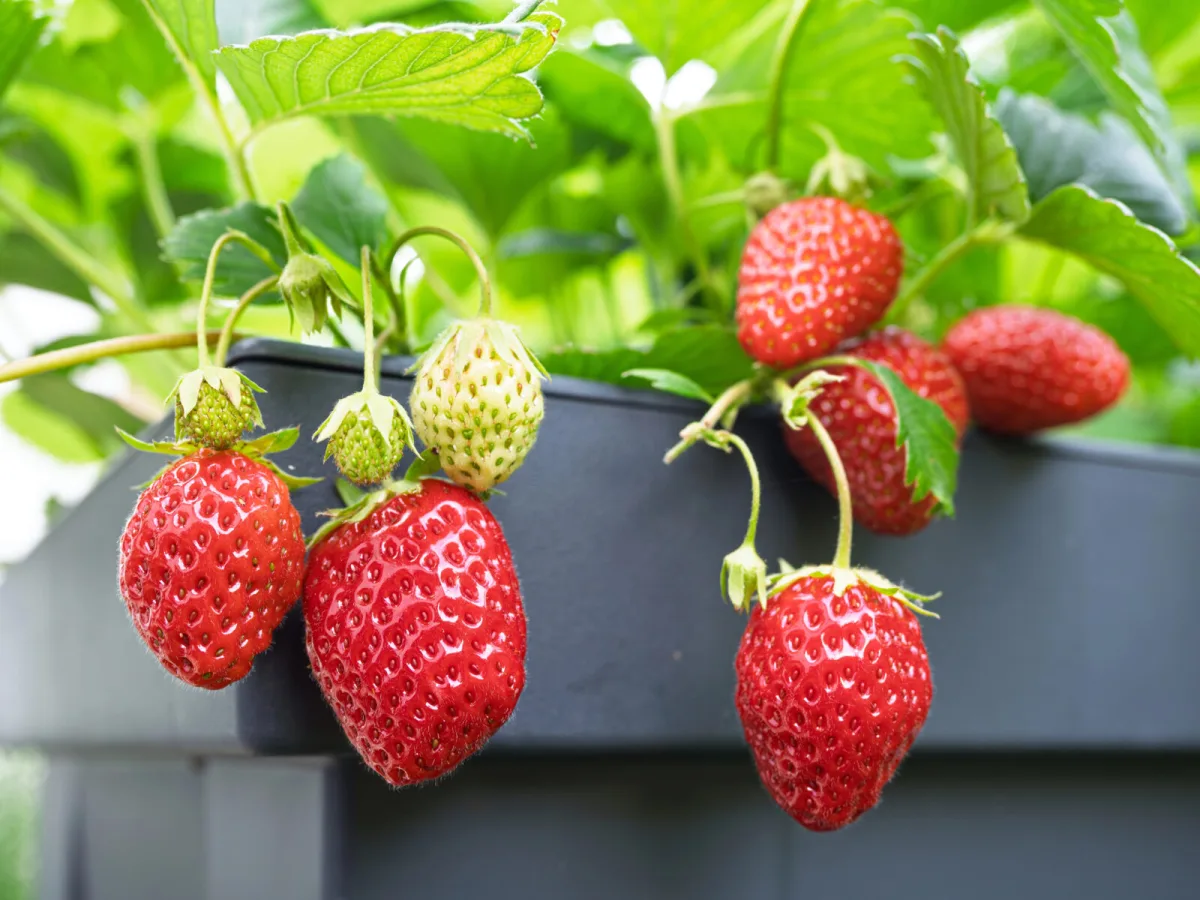
Plants grown in containers are more frost-sensitive than those in the ground because the root ball freezes much faster. Simply covering the surface of the compost usually isn’t enough. Unless you live in a mild-winter area, it’s best to move pots out of direct frost, ideally into a place that stays cool but doesn’t freeze solid.
A cold, unheated basement, garage, shed, or barn is suitable. The goal is to prevent severe freezes and drying winds while avoiding warmth that would wake the plants too early. Potted strawberries shouldn’t be growing through winter—they just need to make it through their dormant period.
Simple ways to insulate pots
Just moving plants into a sheltered spot often isn’t enough, especially during long cold spells. Wrapping pots in hessian and packing the space with straw works well. Both hessian and straw insulate while still breathing, which reduces the risk of sweating and rot. Similarly, you can place the pot inside a larger container and stuff the gap with straw or shredded leaves, creating an insulating layer around the entire root ball.
If you don’t have enough indoor space, you can also sink pots into the ground outdoors and cover the top with a thick layer of straw. Setting the pot into soil greatly slows freezing, because the ground acts as a natural insulator. The mulch then protects the above-ground part just as it does for strawberries grown in a bed.
In winter, keep an eye on moisture even in dormant plants
A common mistake with potted strawberries is letting the compost dry out completely. Even in dormancy, plants need some moisture so roots don’t die back. About once every one to two weeks, check whether the compost feels completely dry and, if needed, water lightly. This isn’t regular in-season watering—just prevention against drying out.
With the arrival of spring, you can remove protective layers gradually and move the pots back outside. Likewise, for bed-grown strawberries, it’s a good idea to pull mulch back in spring so plants don’t become too damp and can sprout easily.
Autumn restraint pays off at summer harvest
Preparing strawberries for autumn comes down to two main things: don’t interfere with the wrong kind of pruning, and give plants the right winter protection. If you leave the leaves as a natural barrier, add breathable mulch at the right time, and in pots prevent both freezing and drying out, you’ll be rewarded with a faster start in spring and a noticeably better crop in summer.
Source: This is my Garden, Almanac , Pestrazahrada.cz
Related articles
Next year you can harvest better if you don’t sow carrots where they won’t thrive
Carrot root fly can ruin carrots, parsley and celery from the inside out, often without obvious warning until harvest. Better site choice, rotation, later sowing and simple physical barriers can dramatically cut damage next season.
How to Propagate Roses from Cuttings at Home and Fill Your Garden with Blooms Almost for Free
Want more roses without paying for new plants? With a few healthy cuttings and a simple plastic-bottle mini greenhouse, you can root new bushes at home in just a few weeks.
Heathers can cope where other plants won’t, but one soil detail decides everything
Heathers and heaths are tough evergreen shrubs that can flower across the seasons when you choose the right types. Success hinges on matching the plant to your soil pH and ensuring free drainage.
Comments (0)
Be the first to comment.