
 English
  Polski
  Deutsch
  Nederlands
  Svenska
  Norsk
Norsk  Dansk
Dansk  Français
  Italiano
  Español
  Português
  Slovenčina
  Suomi
Suomi  Gaeilge
 How to Tame Chickens So They Come When Called and Trust You
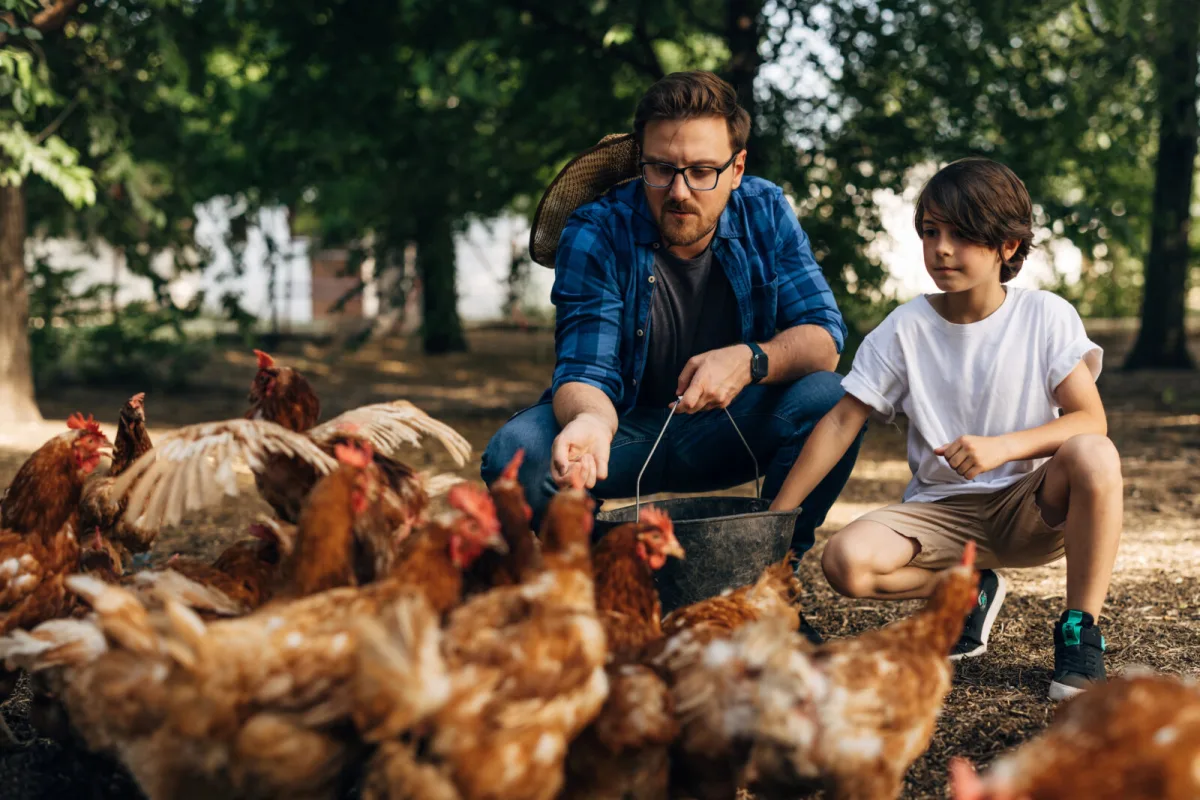
Many people think chickens are mindless creatures that do nothing but scratch for grain and bolt from anything new. In reality, they’re remarkably good at noticing details, remembering repeated situations, and responding to people based on how they’re treated. Taming isn’t magic or a circus trick, it’s simply patient trust-building. If you take it slowly, your hens can learn to come when called, be drawn in by a specific sound, and even take a treat straight from your hand.
The basic rule is simple. Every animal needs time to get used to your voice and your presence. Taming should never be a battle or a chase around the yard. The calmer you are, the faster your chickens will understand you’re not a threat and that it pays to stay close.
How to teach hens to run over when you call
Recall works best when chickens get a clear cue that won’t be confused with everyday chatter by the coop. In practice, that means choosing one way of calling and sticking to it. Once they associate it with a reward, they’ll start responding on their own.
Your voice as a recognisable cue
Chickens remember sounds and voice tones surprisingly well. It helps to speak to them pleasantly so they associate your voice with calm. At the same time, it’s important to use a different tone or a specific “command” for recall that you don’t use in everyday contact. That way, over time they’ll recognise the difference between you simply greeting them and the moment they’re meant to come to you.
A bell and other sounds that don’t get mixed up
Many keepers make things easier with a simple sound, such as ringing a small bell. The advantage is that the sound is identical every time, and chickens learn it quickly. As soon as you ring the bell and offer something tasty at the same time, a strong association forms. They’ll hear the bell and know it’s worth running over.
A reward is the key, chickens need to know they did the right thing
Without a reward, taming drags on or falls apart. When a chicken does what you want, for example comes when called or approaches without hesitation, something pleasant needs to follow immediately. That’s how the right behaviour gets linked with a positive outcome, and it will be repeated.
Small, healthy treats that chickens truly love work best. Sunflower seeds, for instance, or another tiny tidbit that’s easy to offer in small amounts. The important thing is to reward promptly and consistently, so the chicken understands the connection between your cue, its behaviour, and the treat.
Communication strengthens trust and boosts attention
It’s worth talking to your hens, even though they obviously won’t answer like a person. The point is for them to get used to your voice, your footsteps, and your presence. When you come to the coop or into the run, say a few calm words to them. You’ll get their attention and at the same time reduce their wariness.
Over time, you may notice that some chickens start responding in their own way, coming closer, watching you, and waiting for a cue. Those little signs are proof that a bond is forming between you. And that bond is exactly what makes training work without stress.
Practical tips so training doesn’t turn into a battle
Patience determines the outcome
Every chicken has a different temperament. Some are curious and bold, others cautious and easily startled. Expect that getting a reliable recall can take longer than you’d like. A calm approach is faster than pressure, because then the chickens won’t lock in fear.
Train before feeding
Motivation is highest when they’re not completely full. That’s why it pays to start practising before they get their usual ration. Keep a treat in your hand, so they have a clear reason to come closer and stay with you.
Repeat a few times a day
Short but frequent sessions work better than one long lesson. If you repeat the same routine two to three times a day, the chickens will form the habit faster and the cue will stick in their memory.
Don’t rush it right after letting them out of the coop
As soon as you let the chickens out, they’ll first want to explore the run, check their surroundings, and settle into their routine. If you immediately ask something of them, they’ll be distracted and less responsive. Give them time, even two to three hours, and only then start working on recall and rewards.
What taming gives you and why it’s worth it
When you spend time with your hens, they tend to be calmer and more confident. You’ll see the difference in day-to-day keeping, because stress is a burden for them, while a sense of security supports healthier overall function. Tame chickens are easier to handle, simpler to check over, quicker to call to safety, and chores around the coop become much more pleasant.
All it takes is choosing one clear cue, adding consistent rewards, speaking calmly, and not underestimating patience. Then you build trust step by step, until you discover that hens can be surprisingly willing to cooperate.
Source: Morning Chores, Backyard Chickens, Pestrazahrada.cz

A lover of nature, gardens, and everything that moves, blooms, or grows. He literally grows everything, from herbs to rare species, and he enjoys caring for animals just as much. In his work, he connects modern technology with tried-and-tested grandmotherly methods and is happy when both paths lead to the same goal.
Related articles
How to Choose a Chicken Feeder That Keeps Feed Dry, Clean and Pest-Free
A good chicken feeder should keep feed dry, reduce waste, and make access difficult for rats and wild birds. The right design and placement can save money and keep your coop cleaner year-round.
How to Feed Laying Hens So They Stay Healthy, Lay Steady All Year and Produce Strong Shells
A well-balanced diet is the key to healthy hens, strong eggshells and consistent laying. Learn what to feed, what to top up, and what to avoid through the seasons.
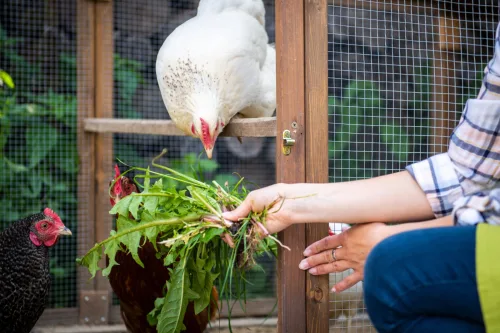
Which vegetables can chickens safely eat every day
Vegetables make a brilliant daily treat for chickens, adding moisture, fibre and valuable vitamins. The key is to use them as a supplement to a balanced complete feed, not a replacement.
Comments (0)
Be the first to comment.