
 English
  Polski
  Deutsch
  Nederlands
  Svenska
  Norsk
Norsk  Dansk
Dansk  Français
  Italiano
  Español
  Português
  Slovenčina
  Suomi
Suomi  Gaeilge
 How Long Do Rabbits Live and How to Help Them Live Longer and Better
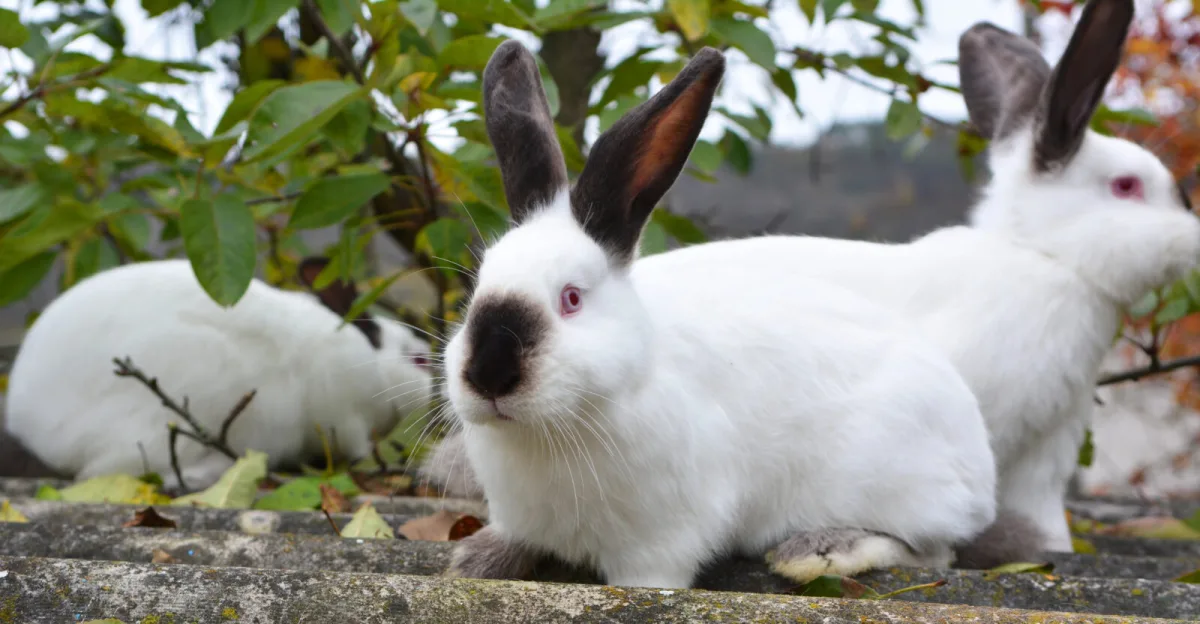
A rabbit may look like a small pet, but for many people it quickly becomes a full-fledged member of the household. So it’s only natural to wonder how long they might stay with you. There isn’t one answer for every rabbit. It depends on whether it’s a dwarf rabbit kept indoors, an outdoor rabbit in a run, or an animal from a production setup. Each type of keeping comes with different conditions, a different level of safety, and often a different purpose, all of which strongly affect lifespan.
Average lifespan by type of keeping
Pet dwarf rabbits most commonly live around 8 to 12 years. With a balanced diet, plenty of movement, a high-quality environment, and regular veterinary care, they can live longer, sometimes around 13 to 14 years. For outdoor rabbits kept for production, the situation is often different. There, lifespan is frequently measured in months, usually 3 to 6, only exceptionally longer for individuals kept for breeding.
There is often a difference between a rabbit living in a flat and one kept outdoors. Indoor living typically protects against sudden temperature swings, draughts, predators, and damp. That doesn’t mean an outdoor rabbit can’t live a long life. If it has a dry, secure, well-designed space, constant access to hay and water, and an owner who provides attentive care, it can reach a good age outdoors as well.
What has the biggest impact on a rabbit’s longevity
Several factors influence lifespan at once. Genetics plays a big role, meaning the quality of the breeding and the animal’s predispositions. Hygiene is just as important, because a dirty environment increases the risk of infections, parasites, and respiratory problems. Nutrition is crucial, as is stress level. Rabbits are sensitive, easily startled, and long-term tension can show up in their health and appetite.
How long does a dwarf rabbit live, and where the most common mistakes happen
Dwarf rabbits are popular mainly for their size and temperament, but they’re also where care mistakes are common. Even a small rabbit needs space and exercise, otherwise it quickly becomes bored and gains weight. A frequent issue is overfeeding, when a rabbit’s cute expression leads to too many treats and oversized portions. Another problem is loneliness. Rabbits are social animals, and long hours without contact with a person or a rabbit companion can be mentally hard on them. When that’s combined with a small cage and no regular time out to roam, it can negatively affect fitness and lifespan.
Diet as the foundation of health
A rabbit needs a diet built mainly around high-quality hay, which should be available at all times. Add fresh water and only a reasonable amount of suitable pellets. Fresh greens can be a pleasant enrichment, but they must be introduced carefully and gradually. A rabbit’s digestion is sensitive, and unsuitable foods can cause serious problems.
A rabbit isn’t an animal that should be fed table scraps. Bread, large amounts of sweet fruit, dairy products, meat, and seasoned foods don’t belong in a rabbit’s bowl. If you want to give your rabbit a treat, it’s safer to rely on the right hay, suitable herbs, and feed made specifically for rabbits.
A vet isn’t only for dogs and cats
Regular veterinary care can extend life and significantly improve its quality. Preventive steps are important, such as vaccinations as recommended by your vet and parasite checks. For some rabbits, neutering also makes sense. Besides preventing unwanted litters, it can help reduce hormone-driven behaviours, limit conflict, and lower the risk of certain health complications. Regular check-ups are just as important, because rabbits often hide pain and a problem may not become obvious until later.
Housing, cleanliness, and daily exercise
The cage or enclosure should be sufficiently spacious, well ventilated, and positioned away from draughts. Clean bedding and regular cleaning reduce the risk of skin issues and inflammation. A rabbit shouldn’t spend the whole day shut in without movement. Daily time to run around in a safe space is important for muscles, joints, and mental wellbeing. When a rabbit is bored, it may become more apathetic, or it may start destroying furnishings and acting restless.
Simple environmental enrichment also helps. Tunnels, safe toys, places to hide, and regular contact with a person or a second rabbit all support wellbeing. A mentally content rabbit is usually more resilient and copes better with minor health ups and downs.
How to tell a rabbit is ageing
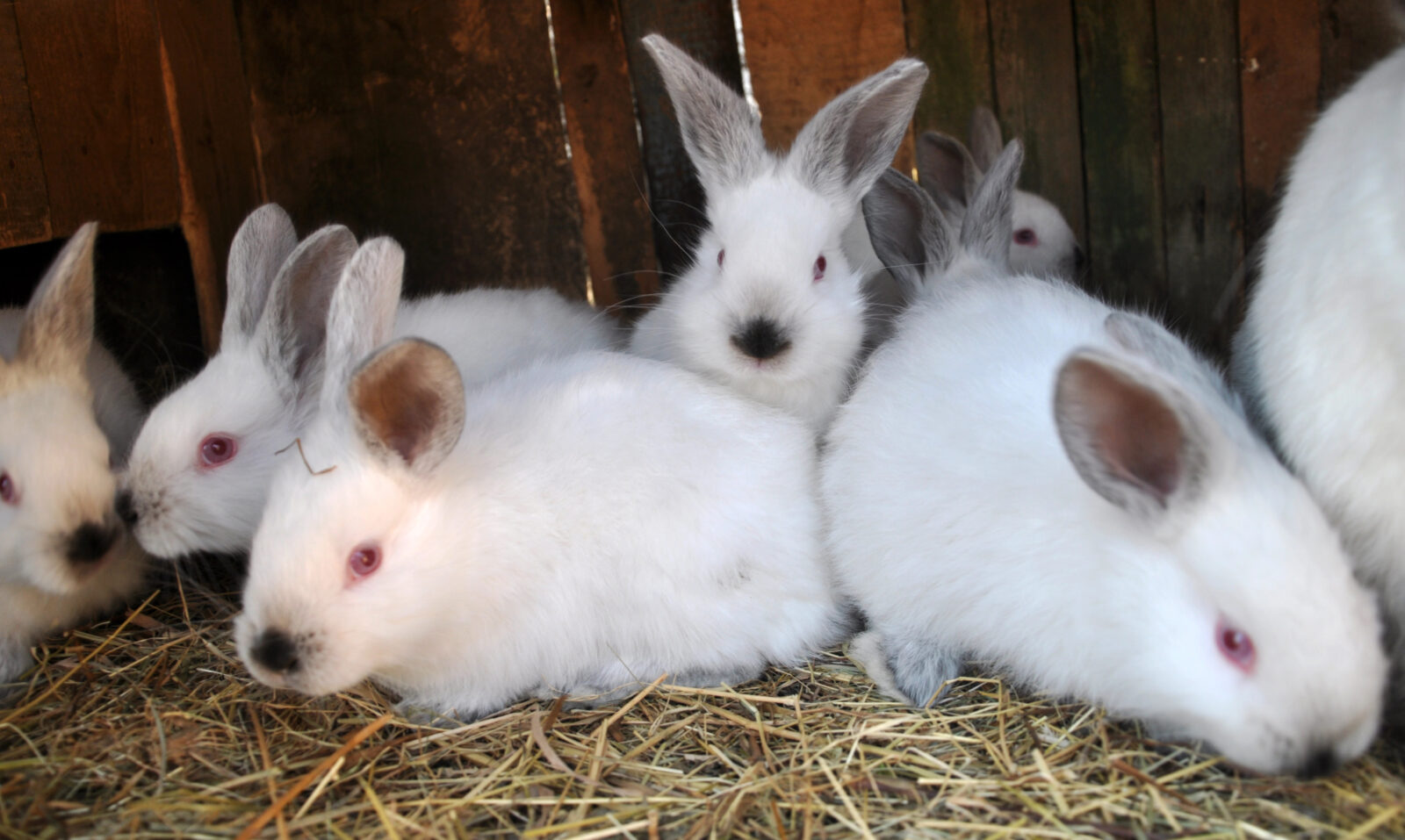
Ageing happens gradually. A rabbit may rest more, jump less, and generally slow down. Sometimes coat quality changes, muscle mass may decline, or weight may fluctuate. Some older rabbits become more sensitive to handling and may seem grumpier, which often relates to comfort or reduced mobility.
As soon as you notice changes, it pays to adjust care. Softer bedding will ease joints, a calmer routine reduces stress, and the diet should be easy to digest and appropriate. An attentive owner is invaluable, because noticing changes in behaviour and appetite often reveals a problem before it becomes serious.
Conclusion: a longer life is built from small everyday things
Rabbits aren’t just cute companions, but sensitive animals that need more than a cage and pellets. Longevity depends on quality hay, a clean and safe environment, regular exercise, preventive veterinary care, and mental wellbeing. When they have all of this, pet rabbits can easily be with you for a full decade and reward you with trust and pleasant day-to-day companionship.
Source: PetMD, Rabbits.org, Pestrazahrada.cz

A lover of nature, gardens, and everything that moves, blooms, or grows. He literally grows everything, from herbs to rare species, and he enjoys caring for animals just as much. In his work, he connects modern technology with tried-and-tested grandmotherly methods and is happy when both paths lead to the same goal.
Related articles
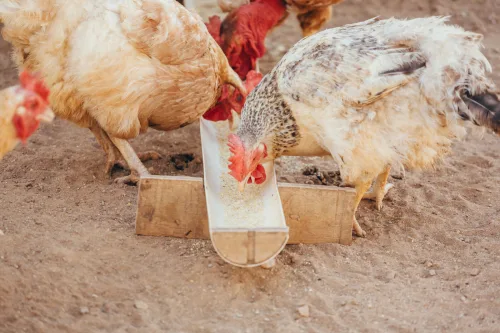
How to Choose a Chicken Feeder That Keeps Feed Dry, Clean and Pest-Free
A good chicken feeder should keep feed dry, reduce waste, and make access difficult for rats and wild birds. The right design and placement can save money and keep your coop cleaner year-round.
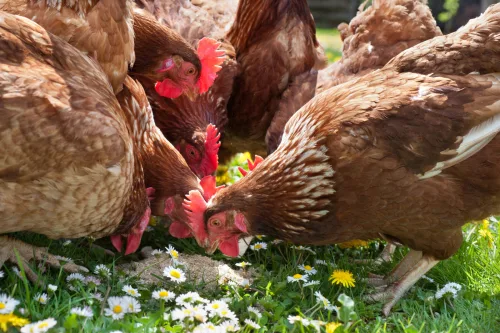
How to Feed Laying Hens So They Stay Healthy, Lay Steady All Year and Produce Strong Shells
A well-balanced diet is the key to healthy hens, strong eggshells and consistent laying. Learn what to feed, what to top up, and what to avoid through the seasons.
Which vegetables can chickens safely eat every day
Vegetables make a brilliant daily treat for chickens, adding moisture, fibre and valuable vitamins. The key is to use them as a supplement to a balanced complete feed, not a replacement.
Comments (0)
Be the first to comment.