
 English
 Polski
 Deutsch
 Nederlands
 Svenska
 Norsk
 Dansk
 Français
 Italiano
 Español
 Português
 Slovenčina
 Suomi
 Gaeilge
How to Prepare Hydrangeas for Winter So They Start Spring Strong, Healthy and Bloom Abundantly
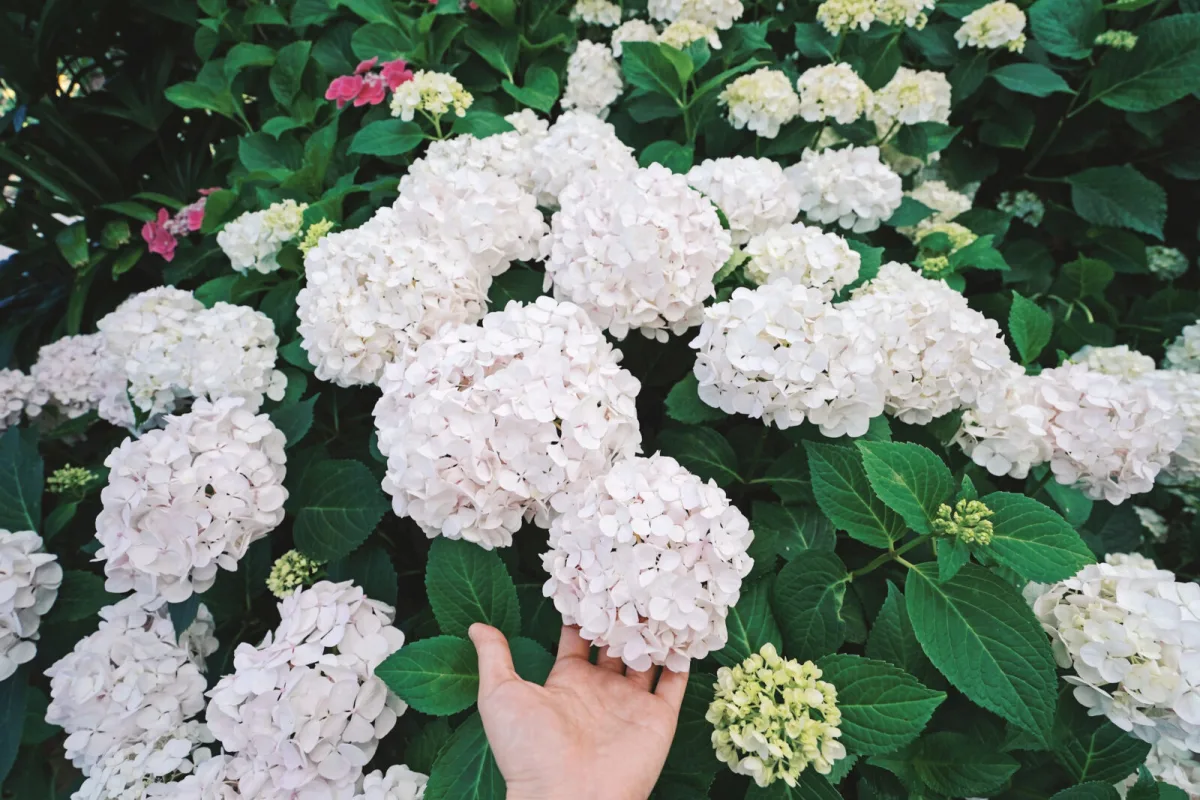
Hydrangeas are among the most popular ornamental shrubs, and they can create a truly striking effect in the garden. That’s exactly why it pays to give them some attention before true winter arrives. Even if they look calm and show no signs of growth right now, processes inside the plant are already underway that will influence the next season. How hydrangeas get through the cold months will later show in their health, vigor, and the number of blooms.
The garden can feel sleepy in autumn and winter, but for hydrangeas this period is very important. If you give them basic protection and do a few simple jobs, you’ll create much better conditions in spring for abundant flowering and overall stronger growth.
Root protection is the foundation
The root zone deserves the most attention. Although hydrangeas are fairly hardy, sharp frosts and temperature swings can harm them, especially if the soil stays unprotected for a long time. A layer of natural material around the shrub can help. Dry leaves, straw, or bark all work well to create an insulating cover.
This layer doesn’t only protect against frost. It also helps retain moisture in the soil and limits sudden freezing and subsequent thawing, which is often harder on plants than steady cold. The roots get much more stable conditions, and the shrub can prepare better for the start of the new growing season.
Branches need protection, but also air
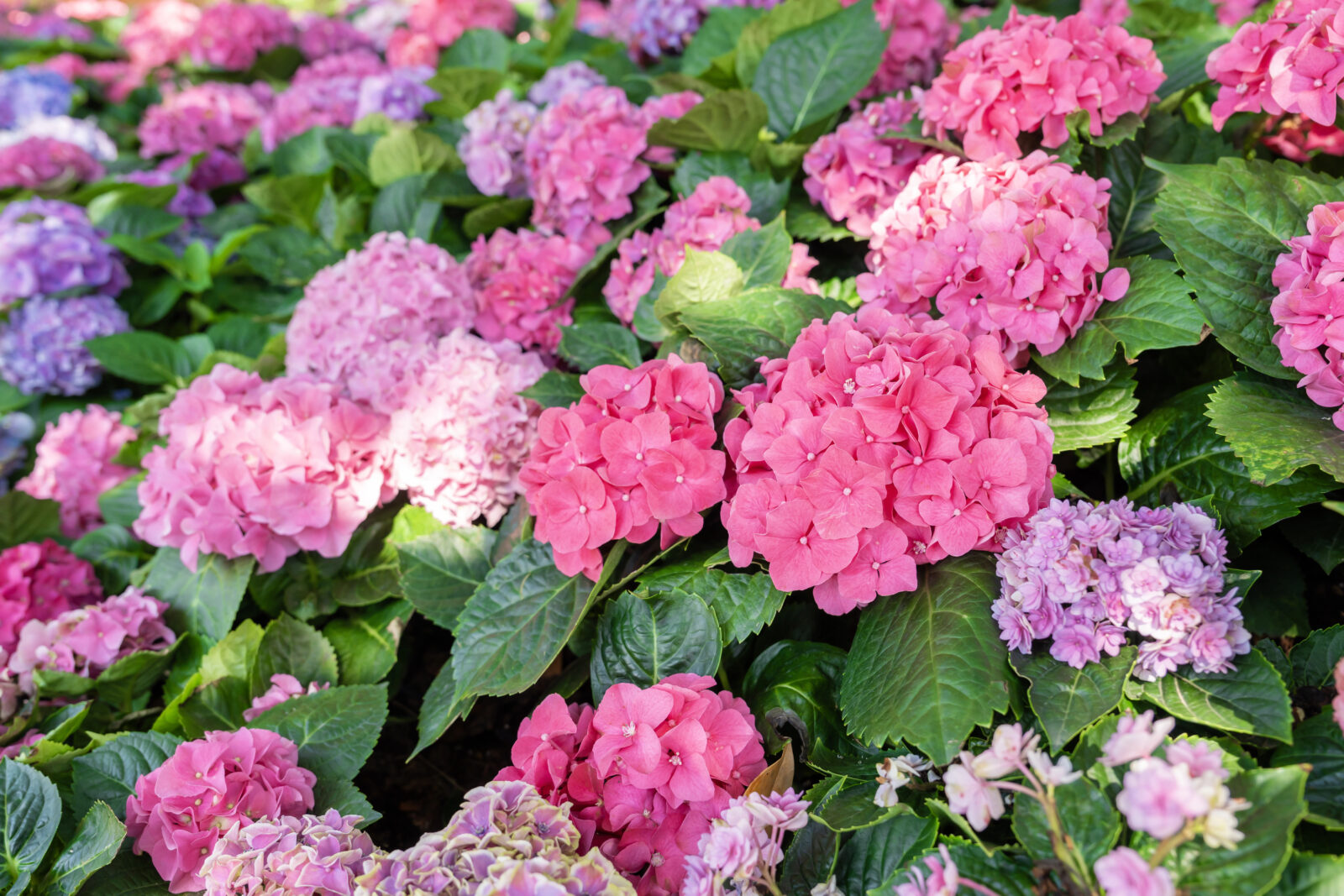
Besides the roots, it’s worth thinking about the above-ground part of the plant as well. Gentle protection of the branches from wind and frost can significantly reduce the risk of damage. A good solution is horticultural fleece or evergreen boughs, loosely wrapped around the shrub. The important thing is that the cover isn’t too tight.
Hydrangeas don’t tolerate being sealed up without airflow. If moisture is trapped inside, mould or rotting can develop on sensitive parts. So it’s best to choose a cover that shields the shrub from the cold but still allows it to breathe. The right balance between insulation and ventilation is often the key to success.
Adjust pruning to the specific type
With hydrangeas, you need to be careful with pruning because not all types are treated the same. Some varieties set flower buds on old wood, and if you cut them back in winter you’ll remove those buds. In that case, it’s better to put the pruners away and leave the shrub uncut.
Other hydrangeas, on the other hand, flower on new growth. With these, you can remove old, weak, or damaged branches during a spell of milder weather. Even then, the rule is to keep the cut sensible and gentle. Cutting back too hard weakens the plant unnecessarily, while a correctly done thinning can benefit it.
Nutrition even during the dormant period
Many gardeners are surprised that even in winter you can support hydrangeas with the right feeding. A fertilizer with a higher proportion of potassium makes the most sense. Potassium helps firm up plant tissues and increases the shrub’s resilience to harsh conditions. The plant then enters spring better prepared.
On the other hand, products with higher nitrogen content are unsuitable. Nitrogen encourages the growth of new, soft shoots, which is undesirable in cold weather. Instead of strengthening the plant, it can lead to weakness and a higher risk of frost damage.
Don’t skip watering entirely
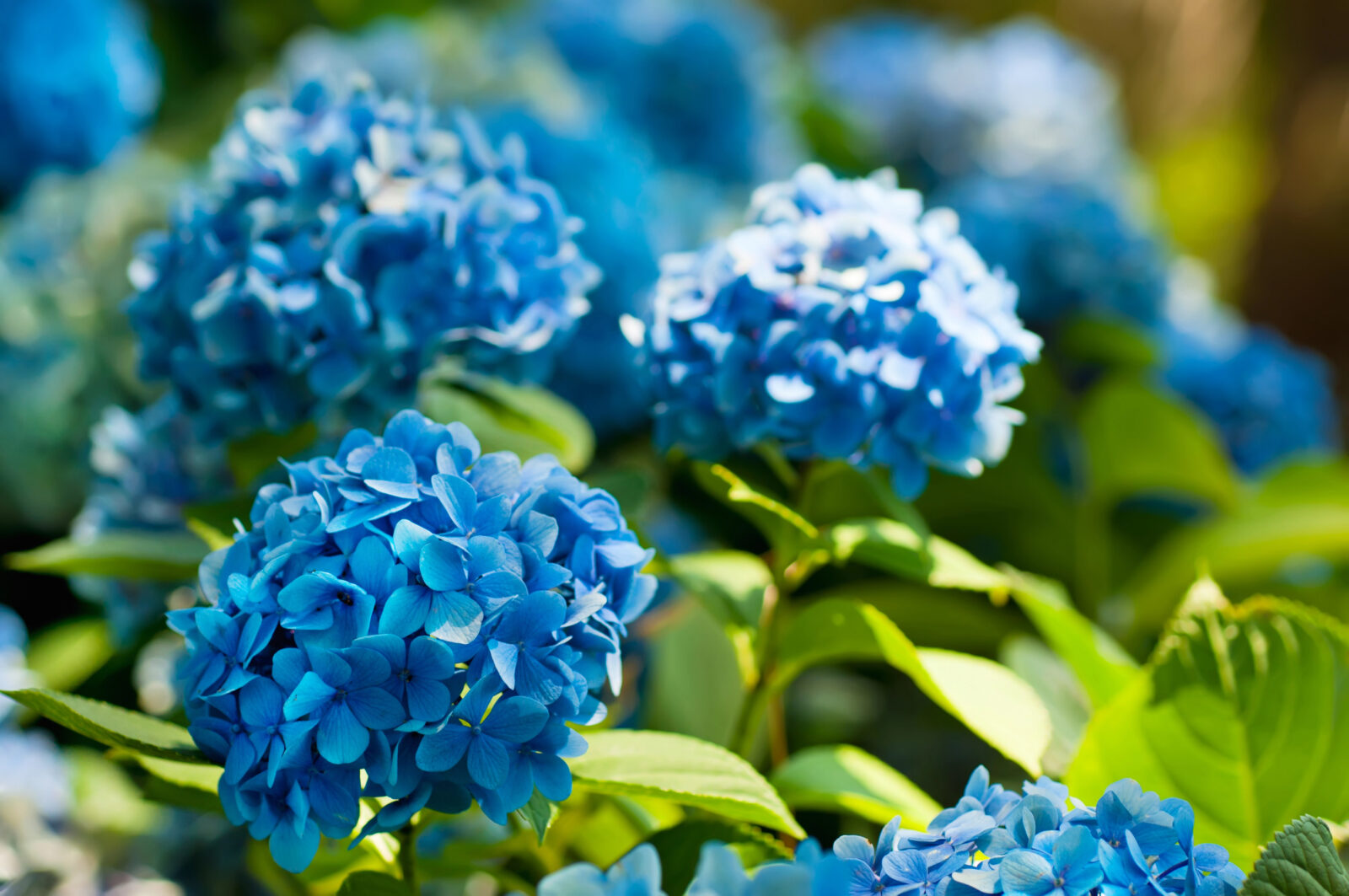
Even though watering is much lighter in winter than during the growing season, hydrangeas shouldn’t be left in bone-dry soil for long periods. If there’s been no rain for a while, there’s no snow cover, and the ground isn’t frozen, the shrub may appreciate a light watering. This helps keep the root ball in better condition.
However, timing matters. Watering during frost isn’t advisable, because the water could freeze in the soil and damage the roots. Sensible caution is important, but completely neglecting moisture isn’t ideal either.
A spring reward for a few simple steps
Hydrangeas can repay careful winter preparation with generous flowering. Shrubs with protected roots, sensibly safeguarded branches, correctly timed pruning, and adequate moisture usually start spring stronger and more reliably. The result is often a healthier look, denser growth, and more showy blooms.
It isn’t complicated or time-consuming care. A few well-considered actions at the right moment are enough, and the garden will reward you next season with a much more impressive display. The winter months often decide whether hydrangeas merely survive or truly show themselves at their best.
Source: Hydrangea, Monrovia, Pestrazahrada.cz

A lover of nature, gardens, and everything that moves, blooms, or grows. He literally grows everything, from herbs to rare species, and he enjoys caring for animals just as much. In his work, he connects modern technology with tried-and-tested grandmotherly methods and is happy when both paths lead to the same goal.
Related articles
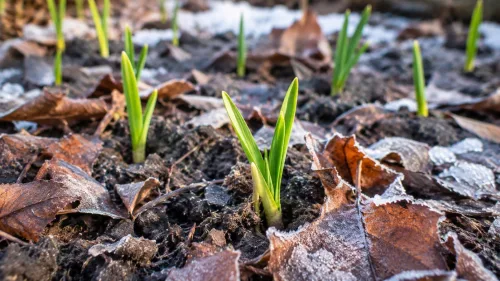
Garlic Sprouting Before Winter Usually Isn’t a Problem but One Well-Meant Tip Can Do Real Damage
Green garlic shoots showing before winter are usually nothing to worry about. Far more important is drainage, planting depth and avoiding misguided “help” like cutting the leaves back.
Healthy Roses Start in Autumn, Collect Fallen Buds and Plan Your First Spring Spray Early
Roses will reward you with stronger growth and better flowering if you start protecting them before problems take hold. Autumn clean-up, timely spring sprays, sensible feeding and deep watering are the keys to hardy, healthy plants.
Why Leave Old Plant Roots in the Bed Instead of Pulling Them Out
Instead of yanking out healthy spent plants, cut them off at soil level and leave the roots to break down in place. It improves soil structure, feeds soil life, and saves time with no downside in most beds.
Comments (0)
Be the first to comment.