
 English
 Polski
 Deutsch
 Nederlands
 Svenska
 Norsk
 Dansk
 Français
 Italiano
 Español
 Português
 Slovenčina
 Suomi
 Gaeilge
Garlic Sprouting Before Winter Usually Isn’t a Problem but One Well-Meant Tip Can Do Real Damage
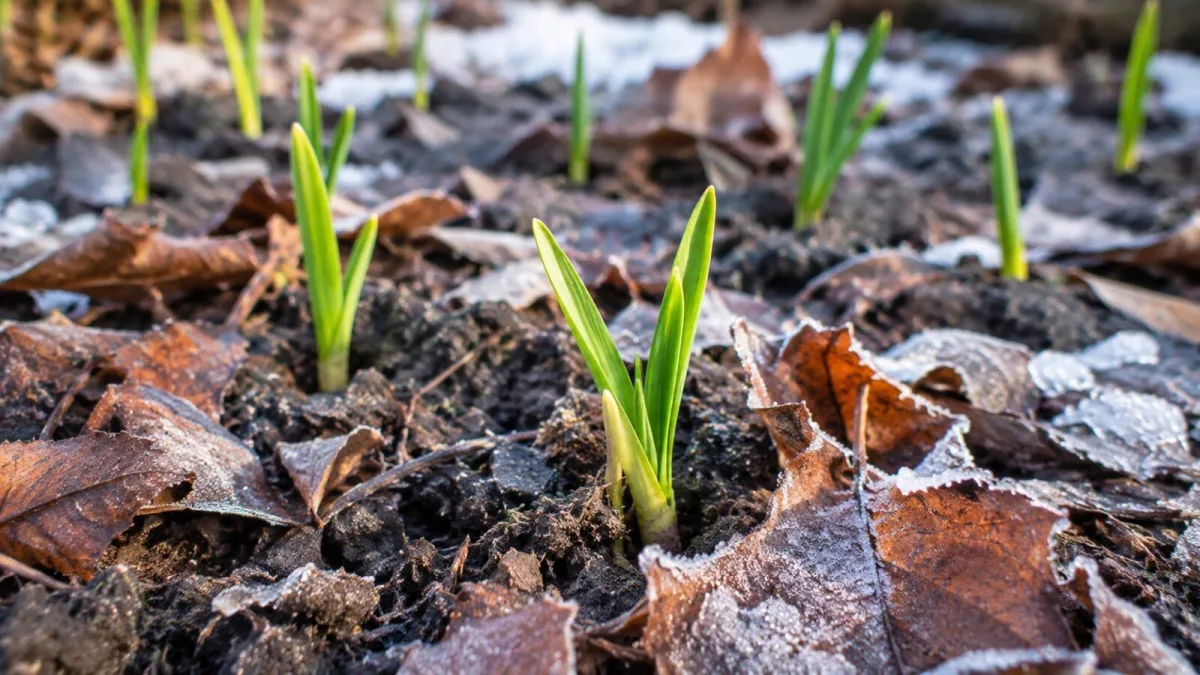
If you planted garlic in autumn and, after a warmer spell, green leaves are already peeking out of the bed, that alone is no reason to panic. Many growers are used to garlic starting into growth in spring, so autumn sprouting can be unsettling. In reality, a brief warm period after planting often encourages top growth, and that doesn’t automatically mean the plant loses its ability to overwinter well.
The key is to watch the condition of the bed and the overall vigour of the plants. If it’s a variety intended for autumn planting and it’s grown under normal conditions, the first light frosts are usually handled without any need to cover.
In normal frosts there’s no need to cover the bed straight away
A mild autumn chill is generally tolerable for garlic. Even if a harder frost damages the leaves, it doesn’t have to mean the whole plant is lost. What matters most is that the underground part stays healthy. If the clove and root system come through unharmed, garlic will restart growth again in spring.
Damaged leaves can weaken the plant and, in some cases, this can show up as a smaller crop, but sprouting before winter doesn’t automatically mean you need to intervene immediately. Often it’s better to wait and watch how things develop.
First check the soil and the planting
Before you decide on any protection, look at the state of the bed. After rain, water shouldn’t be sitting there for long. Waterlogged soil doesn’t suit garlic, and a heavy or wet cover layer would slow drying even more. It’s long-lasting damp that can be a bigger winter risk than a short spell of frost.
Also check whether rain or wind has exposed any planted cloves. If some soil has washed away and the cloves are too shallow, gently pull soil back over them. Leave the green leaves above the surface. Shallow-planted garlic is more prone to winter damage than garlic with a proper layer of soil over it.
When the bed drains well, the cloves remain covered and the plants look healthy, there’s usually nothing more to do than keep an eye on the crop as the season progresses.
When protection does make sense
An extra cover is worth considering when severe or prolonged “bare frosts” are expected, meaning frost without a protective snow cover. More exposed, windy sites are riskier, because the soil freezes through faster. In that situation, on a well-drained bed, a lightly spread layer of clean straw can help by reducing sharp temperature swings in the soil.
The layer should stay airy and must not be compacted. It’s a bad idea to cover garlic with matted, wet leaves, which hold excess moisture and can form an airless layer. If snow arrives, it provides natural and very effective insulation for garlic, so further measures are often unnecessary.
Don’t cut or shorten the leaves
You may sometimes hear advice to remove sprouted leaves before winter to make garlic hardier. In practice, that doesn’t help the plant. Green leaves are useful to garlic because, in suitable weather, they continue to function and help produce substances needed for growth. Cutting them off weakens the plant for no good reason.
Repeatedly trimming the leaves can also negatively affect the development of the future bulb. Don’t confuse this with the later removal of flowering scapes on hardneck garlic, which is done during the growing season for a different reason. If leaf tips dry out after frost, don’t take it as a sign of failure. What matters is whether the garlic continues growing once temperatures rise again.
What to do in spring
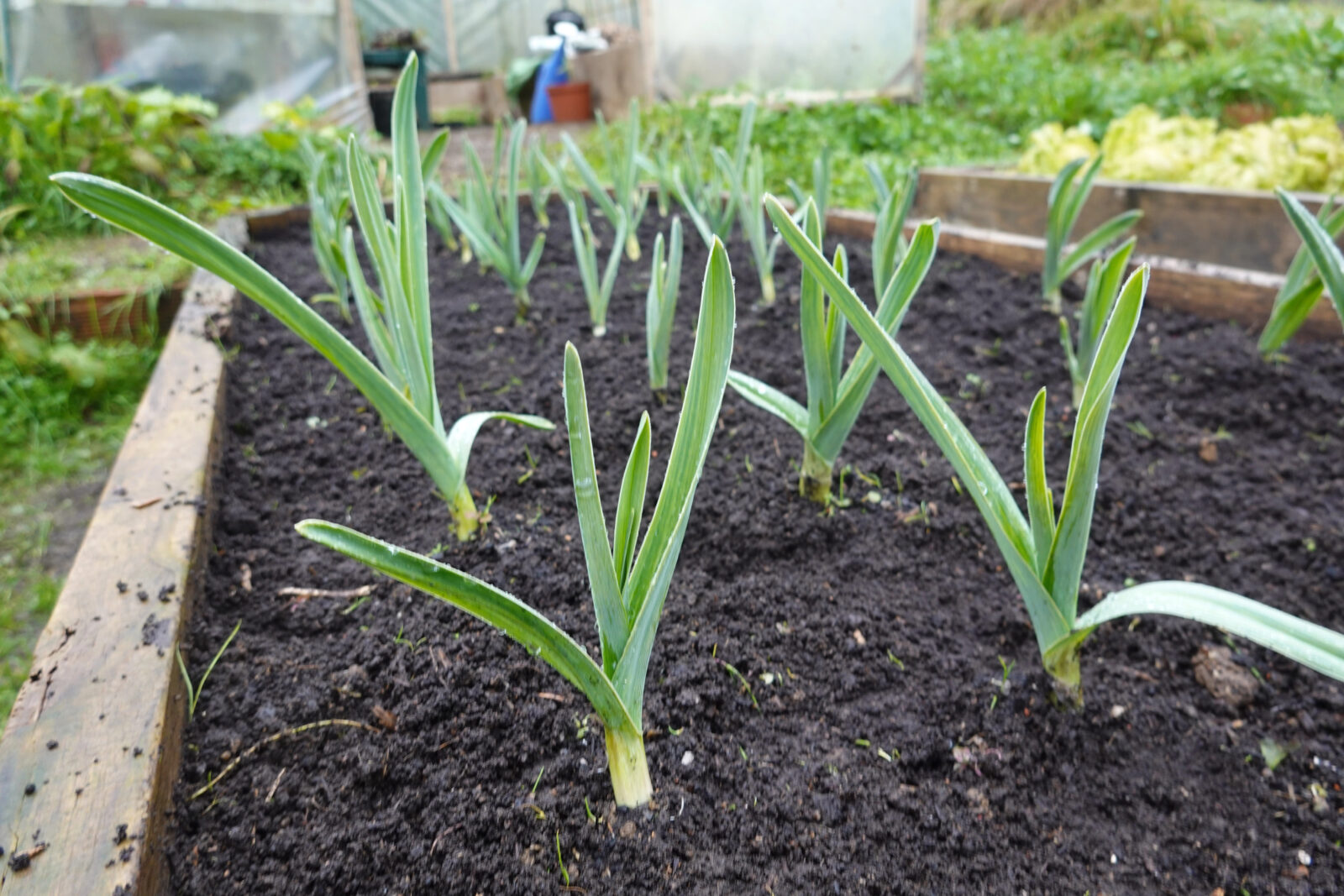
After winter, watch how the plants resume growth. As soon as they start producing new leaves, a nitrogen feed may be helpful, depending on the nutrient reserves in your soil. Most often this is done during March, and later in colder areas. Only fertilise when the soil isn’t frozen or waterlogged.
Yellowing or dried leaf tips don’t automatically mean a nutrient deficiency. After winter it may simply be frost damage. Yellowing of older leaves is sometimes also linked to the fact that in cold, wet soil garlic can’t take up nitrogen well, even when there’s plenty available. That’s why it’s worth watching the new leaves in particular. If, after warming, they’re green and healthy, there’s no reason to increase fertiliser just because the older tips are damaged.
The most important thing is to stay calm and check regularly
Autumn sprouting in garlic is more common than you might think, and in most cases it doesn’t require immediate action. Much more important than rushing to cover is assessing bed drainage, planting depth and the likely weather pattern. If extreme bare frosts aren’t forecast and the plants are in suitable conditions, they will usually cope on their own. Unnecessary interventions can sometimes cause more trouble than the frost itself.
Source: Záhrada, RHS, The Spruce, Pestrazahrada.cz

A lover of nature, gardens, and everything that moves, blooms, or grows. He literally grows everything, from herbs to rare species, and he enjoys caring for animals just as much. In his work, he connects modern technology with tried-and-tested grandmotherly methods and is happy when both paths lead to the same goal.
Related articles
Healthy Roses Start in Autumn, Collect Fallen Buds and Plan Your First Spring Spray Early
Roses will reward you with stronger growth and better flowering if you start protecting them before problems take hold. Autumn clean-up, timely spring sprays, sensible feeding and deep watering are the keys to hardy, healthy plants.
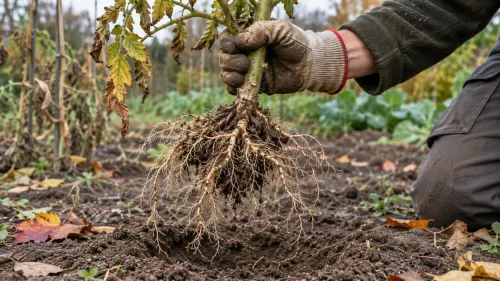
Why Leave Old Plant Roots in the Bed Instead of Pulling Them Out
Instead of yanking out healthy spent plants, cut them off at soil level and leave the roots to break down in place. It improves soil structure, feeds soil life, and saves time with no downside in most beds.
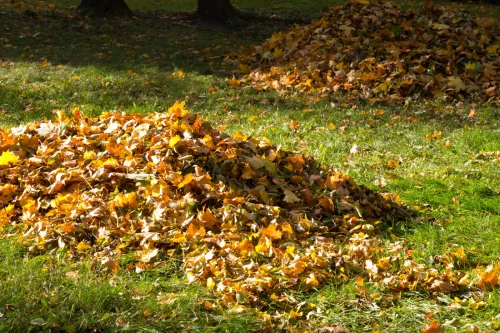
Experienced gardeners don’t throw leaves away and use them in six smart ways
Fallen leaves are a valuable, free resource that feeds soil life, improves structure, and protects plants. Use them as mulch, compost, leaf mould, lawn feed, winter insulation, and wildlife habitat.
Comments (0)
Be the first to comment.