
 English
 Polski
 Deutsch
 Nederlands
 Svenska
 Norsk
 Dansk
 Français
 Italiano
 Español
 Português
 Slovenčina
 Suomi
 Gaeilge
Do You Think the Garden Is Quiet in December This Needs Doing Before the Frost Hits
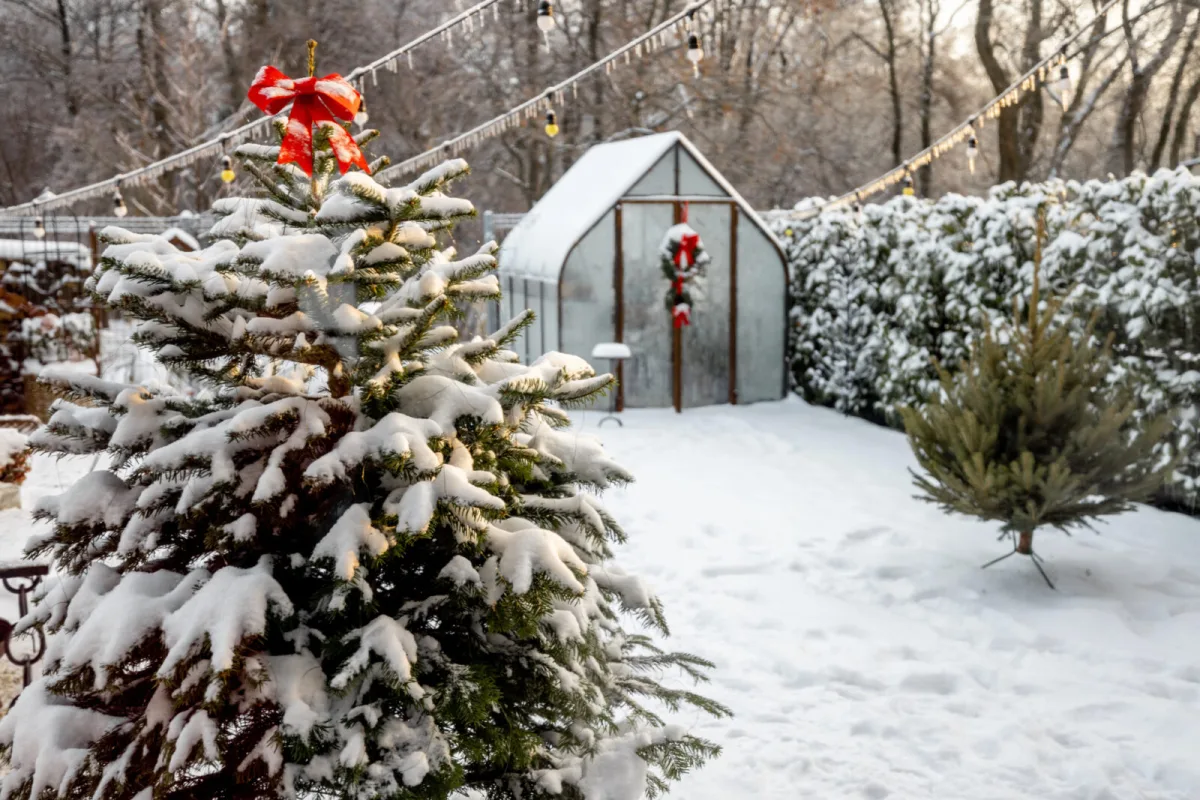
December is usually quieter in the garden than spring and summer, yet there is still plenty to do. Right now it pays to focus on protecting plants from frost, tidying beds, caring for woody plants, and planning for the next season. If you can get some of these tasks done before severe frosts arrive, your garden will repay you in spring with healthier growth and fewer problems.
Caring for the ornamental garden in winter
In December, the ornamental parts of the garden mainly need protection and a watchful eye. It’s best to move terracotta pots under cover, or at least wrap them with protective material, so they don’t crack in hard frost. Shift container-grown plants to a sheltered spot out of the wind, because their roots are exposed to cold far more than plants growing in the ground.
More tender shrubs and climbers can be protected with a layer of straw or bracken heaped around the base. In borders, keep raking up fallen leaves, as slugs and other pests often overwinter beneath them. December is also a good time to plant bare-root roses, deciduous shrubs and ornamental trees, provided the soil isn’t frozen.
With roses, it’s worth hanging a bird feeder close to the plants. Birds come for food and, at the same time, help reduce overwintering pests. You can begin pruning climbing roses now and continue through to February. Overgrown hedges and shrubs can also be renovated more firmly during the dormant season.
Stored bulbs and tubers deserve regular checks too. As soon as you see any sign of rot, remove the affected ones so the problem doesn’t spread. Winter is also ideal for gathering evergreen sprigs, colourful berries and seasonal flowers for winter arrangements.
Fragrant shrubs and a winter feel by the house
The entrance to your home can be lifted with container-grown shrubs that flower or scent the air even in cold weather. Good choices include witch hazel, Sarcococca and daphne. Positioned by the door, they create a welcoming winter scene and bring fragrance to a time when the garden usually offers very little scent in December.
Fruit and vegetable garden jobs in December
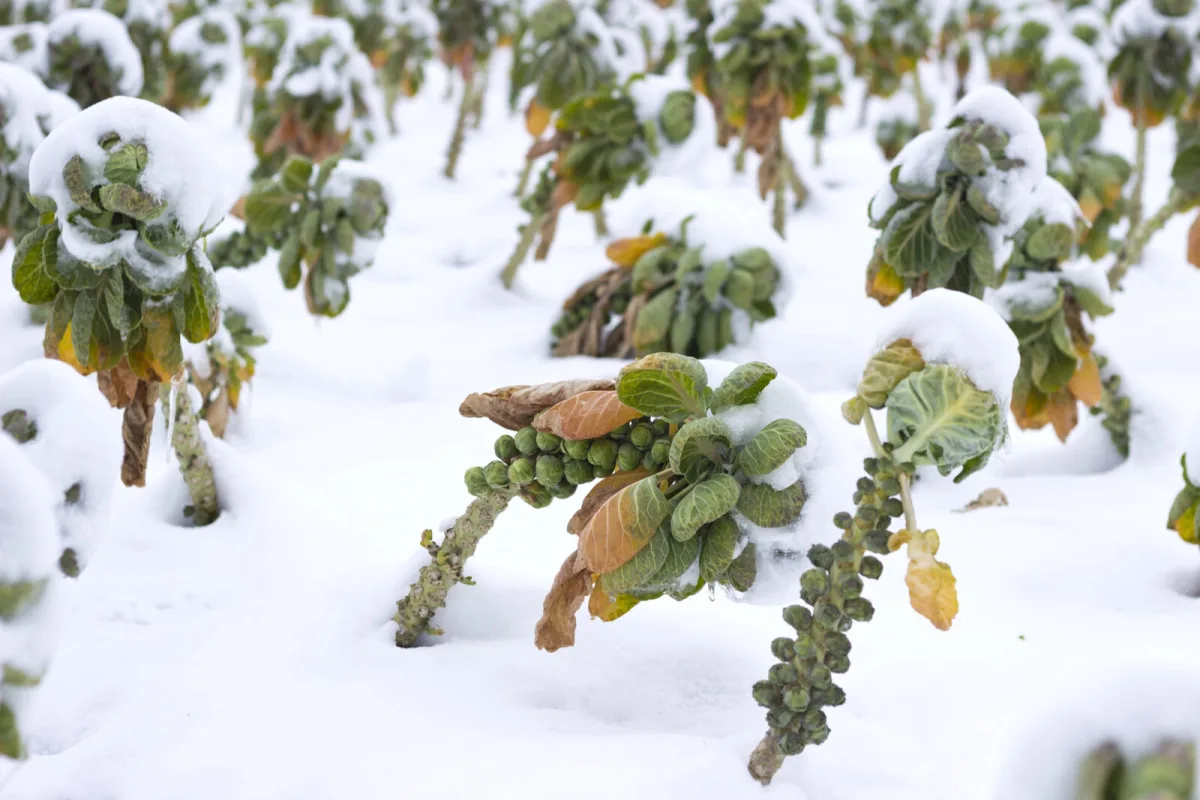
In the productive garden it’s important to finish tidying, while also protecting any crops still standing. Parsnips benefit from a layer of straw around the crowns, as it helps prevent the soil from freezing solid and makes harvesting easier. Brassicas such as kale or winter cabbage should be protected with netting against pigeons, which can do serious damage in winter.
Remove yellowing or damaged leaves from brassicas regularly. This limits the spread of fungal diseases such as mildew. Brussels sprouts are best tied to a stake in windy weather, and earthing up soil around the stem helps prevent the plants rocking loose or toppling.
December is a good time to plant blackberries and young fruit trees. Where space is limited, trained forms such as cordons, fans or espaliers make excellent sense. Larger apples and pears can be pruned in winter to maintain good shape and improve cropping. Once currants are fully dormant, you can also prune blackcurrants and remove roughly a quarter of the oldest shoots.
After harvesting, clear beds of old plants and leftover stems and foliage, but only compost healthy material. Raspberries and blackberries benefit from weeding, a mulch of compost and tying in new canes to the wires. Overgrown clumps of rhubarb can be lifted, divided, and the healthy outer sections replanted into soil enriched with well-rotted manure.
Grapevines are best pruned during dormancy. Side shoots are shortened to one or two buds from the main framework. Alongside these practical tasks, now is also the ideal time to plan next season and order seeds.
What to do in the greenhouse during the colder months
In December the greenhouse often serves mainly as winter storage and a protected space for more tender plants. The essentials are to keep it tidy, reasonably dry, and to monitor temperatures. A thermometer that records minimum and maximum values is very helpful, as it lets you quickly see whether your heating is working as it should.
Water sparingly, because excess moisture encourages disease. On plants overwintering in the greenhouse, remove dead leaves and faded flowers regularly. Also check for pests, especially red spider mites, and act promptly if you spot them.
Pinch out the tips of autumn-sown sweet peas so they branch out better. Deadhead greenhouse azaleas regularly, keep them watered, and place them in a cooler spot away from heat sources to prolong flowering. Water cyclamen from below and keep removing spent parts to keep plants clean.
If you are forcing hyacinths in the greenhouse, you can move them into the house gradually to a bright, cooler position where they will flower. Rhubarb can be forced by potting up part of a crown and covering it with a large container or a dark cover, producing early, tender stems. Dormancy is also the right time for a winter thin-out of greenhouse vines.
December greenhouse work isn’t about doing lots of jobs, but about regular checks and the right conditions, so plants get through winter without losses.
Houseplants and care during the heating season
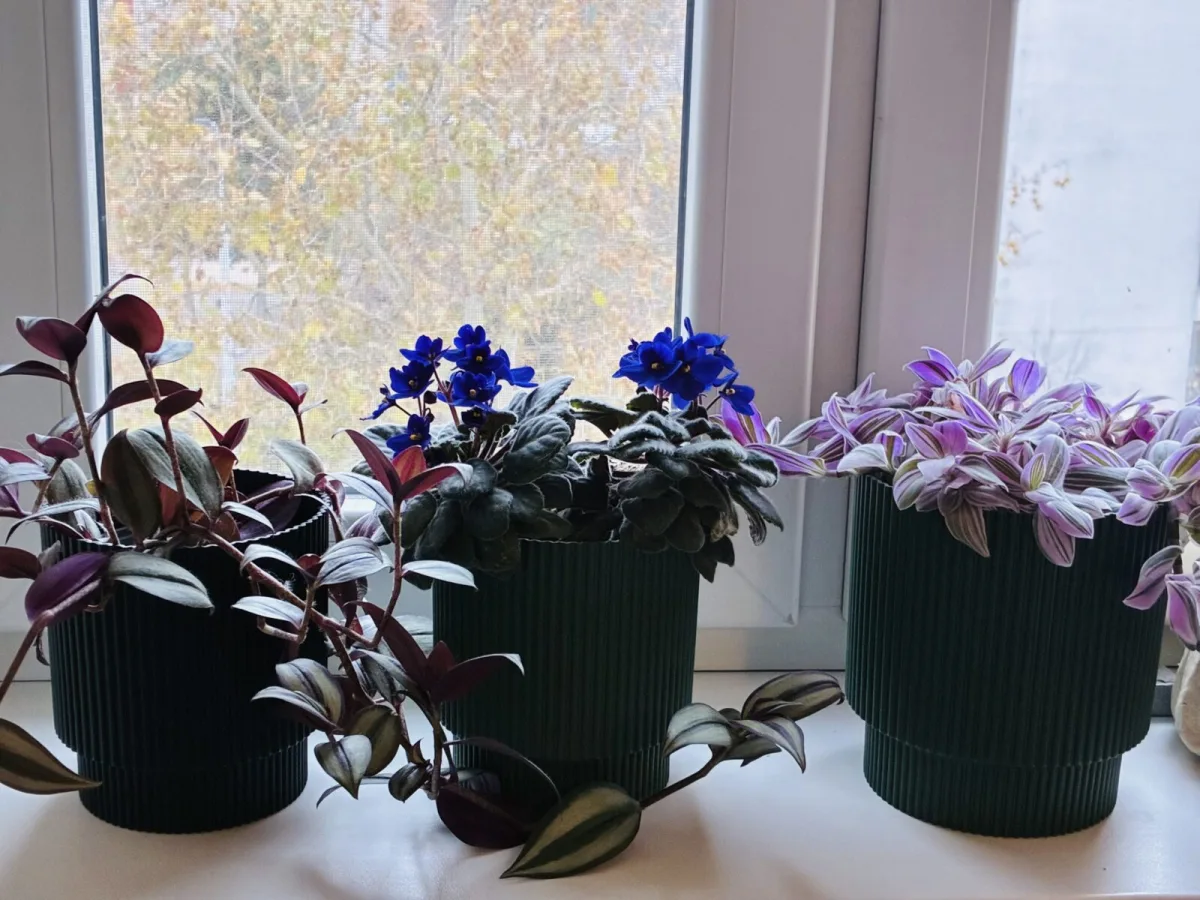
Houseplants also need a different routine in winter than they do during the year. Central heating often leaves them struggling with dry air, so they benefit from higher humidity. Watering, on the other hand, should usually be reduced, and avoid leaving plants overnight on very cold windowsills.
In winter months, give houseplants as much light as possible. Moving them to a sunnier window helps especially with plants that suffer in short days. Large-leaved plants benefit from a shower or a rinse in the bath to remove dust build-up. For dust-prone plants such as snake plants, wipe the leaves regularly.
After flowering, moth orchids can be repotted if they have outgrown their pot. Move any houseplants that are pot-bound or badly root-filled into larger containers as well. December is also suitable for propagation from leaf cuttings, for example African violets, begonias or some succulents.
You can plant amaryllis bulbs into pots, and with the right care they will flower over the festive period. Regularly check for pests too, including aphids, scale insects, thrips and mealybugs. Early detection is especially important indoors, because infestations spread very quickly.
Winter garden maintenance and preparation for the next season
In December, don’t forget overall garden maintenance either. Bird baths need topping up with fresh water daily during frosts. Store hoses, watering cans, sprayers and other irrigation equipment indoors so water inside doesn’t freeze and crack the materials.
Remove fallen leaves and debris from ponds, but before composting leave them on the edge for a short time so small aquatic creatures can crawl back. If you buy your Christmas tree early, keep it outside in a sheltered spot in a container of water. Check tree ties and supports too, so they can withstand winter winds.
A practical job is to tidy the shed, clean tools and put everything in order. It’s also worth ordering well-rotted manure or mushroom compost, which you can dig into the soil over winter or use as mulch. It’s likewise a good time to order summer bulbs, such as lilies and gladioli, so you’re ready in good time for spring.
December is a month of protection, checking, and thoughtful preparation. Anyone who gives the garden attention now will make the start of the new growing season much easier.
Source: Gardener’s World, RHS, Pestrazahrada.cz

A nurse by profession, she is passionate about healthy living, nature, and everything that benefits both people and the world around them. In her free time, she enjoys gardening, cooking, sewing, and caring for her family. In her articles, she loves combining professional expertise with practical experience from the garden and everyday life.
Related articles
Buying a Potted Christmas Tree Thinking It’s Greener Often a Mistake the Tree Won’t Survive
Choosing a Christmas tree can make a real difference—but many common assumptions are wrong. Cut trees aren’t always the worst option, while “potted” trees often fail if they weren’t genuinely container-grown.
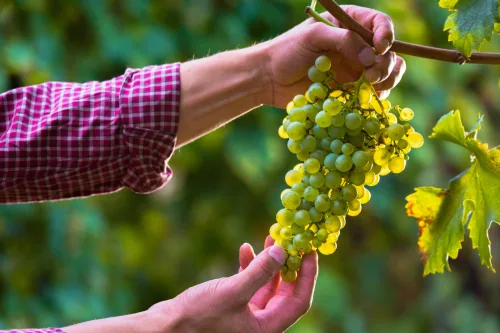
Propagating Grapevines Has Three Rules Most Cuttings Die in Winter Due to a Preventable Mistake
The best time to take grapevine cuttings is after leaf fall and before hard frosts, when one-year wood is fully ripened. Most losses happen in winter storage, where temperature swings, dryness, or excess damp quickly ruin otherwise good material.
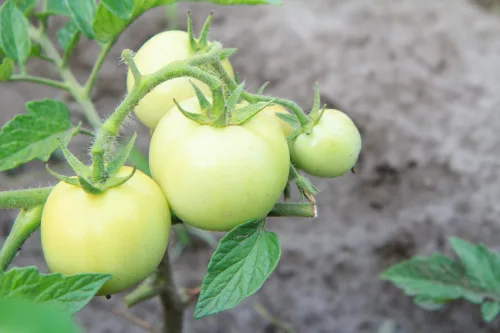
Not all green tomatoes will ripen. Experienced growers know which to pick and which to leave
As the tomato season winds down, it pays to judge green fruit by maturity and the forecast rather than the calendar. Size, skin colour and a quick seed check will tell you what can finish ripening indoors and what won’t.
Comments (0)
Be the first to comment.