
 English
 Polski
 Deutsch
 Nederlands
 Svenska
 Norsk
 Dansk
 Français
 Italiano
 Español
 Português
 Slovenčina
 Suomi
 Gaeilge
Buying a Potted Christmas Tree Thinking It’s Greener Often a Mistake the Tree Won’t Survive
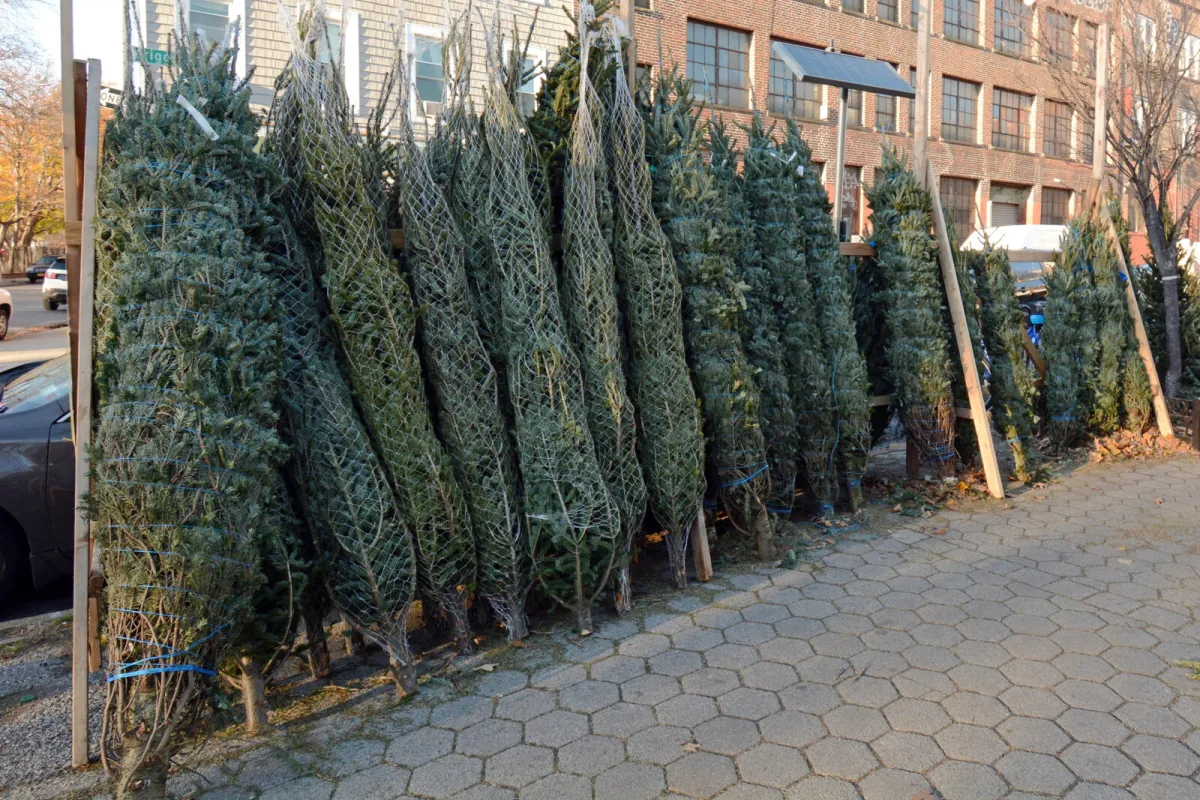
Choosing a Christmas tree has a bigger impact than it might seem. Over the holidays, there’s a tree in almost every home, and that’s exactly why a more thoughtful decision can bring a noticeable benefit for nature. But a lot of misinformation circulates around this traditional part of Christmas. Cut trees are often criticised unnecessarily, while potted trees are viewed far too optimistically.
If you want to be more sustainable, it pays to focus mainly on where the tree comes from, how it was grown, and what will happen to it after the holidays. Artificial trees don’t really fit into that equation. They’re plastic products that have to be manufactured, transported long distances, and eventually disposed of after years of use. A more environmentally friendly route usually leads elsewhere.
A cut tree doesn’t have to be a problem
A cut tree doesn’t automatically mean an unsustainable choice. One good option is trees taken from local woodland thinning. In young woodland, seedlings are planted more densely so they grow straight and form a quality stand. As they grow, though, some trees must be removed so the rest have enough space. Those thinnings can make excellent Christmas trees.
Another suitable option is trees from local growers who raise them specifically on plantations. These sites aren’t dead zones; they often function much like young woodland. They can provide shelter for small wildlife and perches for birds. It makes sense to prioritise local growers and look for FSC certification, which points to more sensitive management of the landscape and wildlife.
The most responsible option is usually a locally produced cut tree, ideally from a grower with FSC certification.
By contrast, trees imported from far away have a higher transport footprint and are often much longer from the time they were cut. In DIY and garden superstores, you’ll often find trees from abroad that have had a long journey. That’s another reason to ask about origin and choose local whenever possible.
A potted tree only makes sense if it was truly container-grown
A container tree can be a sustainable option, but only under certain conditions. It must have been grown in a pot from a young age, not dug out of the ground shortly before sale and shoved into a container. That kind of tree usually won’t survive, and the pot becomes nothing more than an awkward substitute for a stand.
Acclimatisation is also crucial. You can’t move a tree straight from winter outdoors into a heated living room without risk. It needs to adjust gradually to higher temperatures, ideally over several weeks. The return outdoors after the holidays should be just as careful. A transition through a garage, porch, or a cooler hallway can help.
After Christmas, it’s a good idea to protect the container, for example with hessian, and in dry weather don’t forget to water. If you have a garden, you can then plant the tree into the ground. Otherwise, you can keep it in a pot and gradually move it into a larger container. This way it can serve for several seasons before it gets too big.
Tree rental and growing your own in the garden
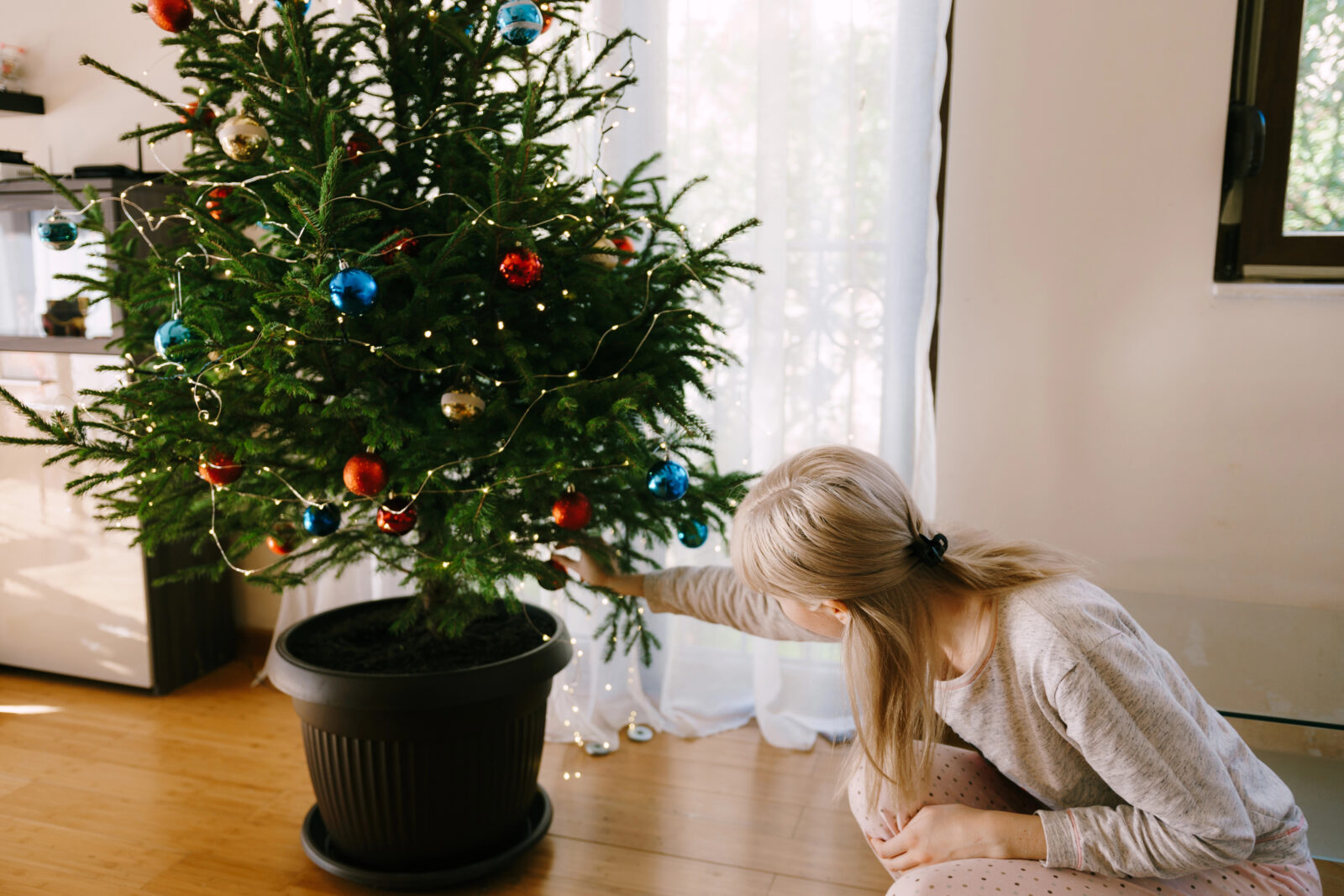
An interesting solution is Christmas tree rental. The advantage is that you typically get a tree already prepared for indoor conditions, and after the holidays the provider takes care of it. For a household that doesn’t want the responsibility of aftercare, this can be a very practical route.
If you have a garden, you can even grow your own trees. Planting a few spruce, fir, or pine seedlings lets you choose a tree for future years as they mature. Until they’re big enough, they’ll add structure to the garden and also provide shelter for birds and small wildlife.
Another lovely option is a single outdoor tree that stays in place and is decorated outside. If, alongside lights, you hang apples, nuts, or fat balls, you’ll also create a small winter feeding spot for birds.
If you don’t want a whole tree, branches are enough
Not everyone needs a full tree at home. Conifer branches can be completely sufficient. Two larger pine branches can be tied into a simple shape and hung on the wall. Spruce or fir sprigs can also be used to create a 3D decoration that resembles a tree.
This option uses less material, takes up less space, and still keeps the scent and atmosphere of Christmas. For smaller flats or households that want to celebrate more simply, it’s a very good solution.
Origin and an honest seller are what matter
The most sustainable tree doesn’t have to be the most expensive—or the one that only looks the part. What matters is knowing where it came from, how it was grown, and whether it has a real chance of living on after the holidays. If you choose a locally grown cut tree from a responsible grower, a properly container-grown potted tree, or even just a branch-based decoration, you can enjoy festive greenery with a lighter footprint and without unnecessary illusions.
Source: Capital Gardens, Pestrá zahrada, Pestrazahrada.cz

A lover of nature, gardens, and everything that moves, blooms, or grows. He literally grows everything, from herbs to rare species, and he enjoys caring for animals just as much. In his work, he connects modern technology with tried-and-tested grandmotherly methods and is happy when both paths lead to the same goal.
Related articles
Do You Think the Garden Is Quiet in December This Needs Doing Before the Frost Hits
December may feel calmer in the garden, but there are still key jobs to tackle before hard frosts arrive. Focus on protecting plants, tidying beds, checking stored bulbs and tubers, and planning for the season ahead.
Propagating Grapevines Has Three Rules Most Cuttings Die in Winter Due to a Preventable Mistake
The best time to take grapevine cuttings is after leaf fall and before hard frosts, when one-year wood is fully ripened. Most losses happen in winter storage, where temperature swings, dryness, or excess damp quickly ruin otherwise good material.
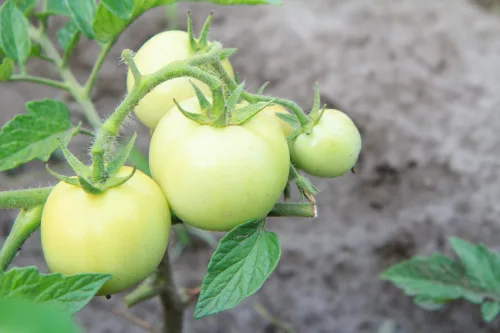
Not all green tomatoes will ripen. Experienced growers know which to pick and which to leave
As the tomato season winds down, it pays to judge green fruit by maturity and the forecast rather than the calendar. Size, skin colour and a quick seed check will tell you what can finish ripening indoors and what won’t.
Comments (0)
Be the first to comment.