
 English
 Polski
 Deutsch
 Nederlands
 Svenska
 Norsk
 Dansk
 Français
 Italiano
 Español
 Português
 Slovenčina
 Suomi
 Gaeilge
This shrub is better than thuja and will screen you from the neighbours all year round
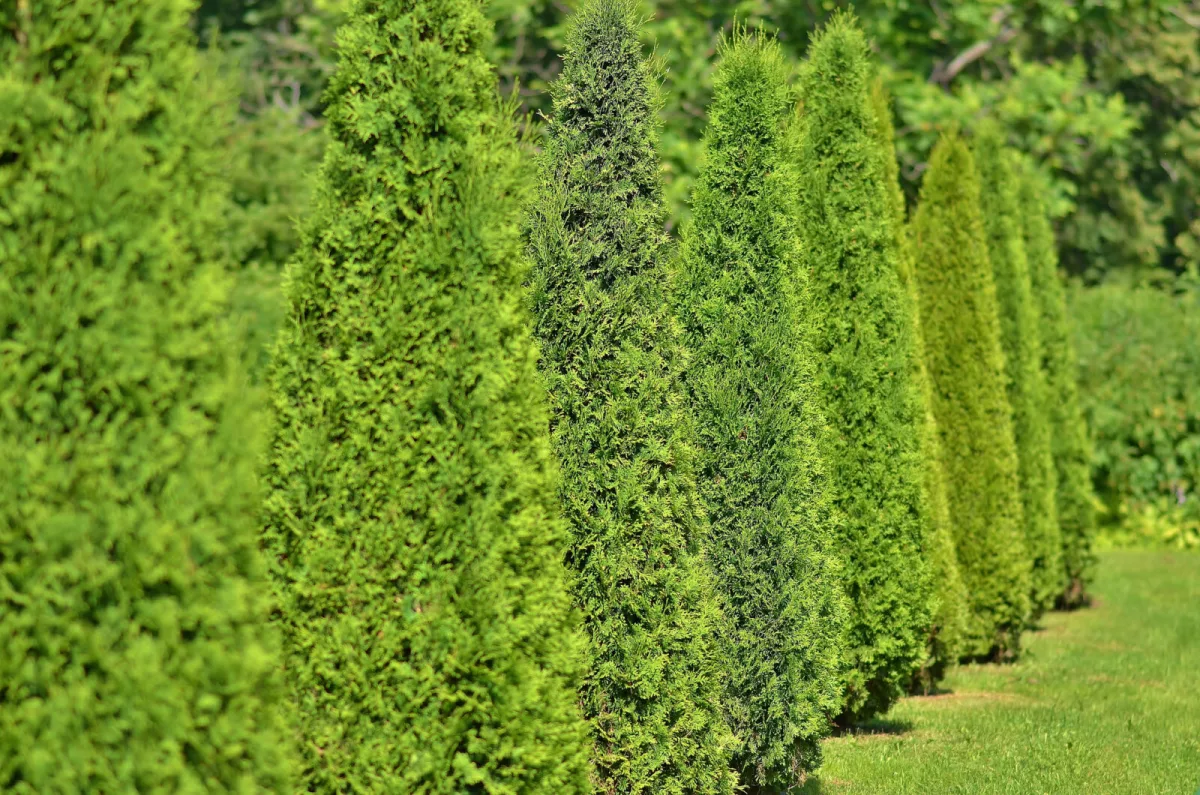
If you’re looking for a woody plant that will create a natural screen from the neighbours while looking far more interesting than the usual thujas, Oregon grape is well worth considering. This evergreen shrub is valued for its ornamental looks, longevity and low-maintenance nature. It works as a striking specimen, but also as a dense hedge that decorates the garden in every season.
Oregon grape comes from North America and does very well in our conditions. It typically grows to around one to two metres tall. Given the right site, it can thrive for many years, gradually forming a lush, well-grown and impressive planting.
Ornamental all year
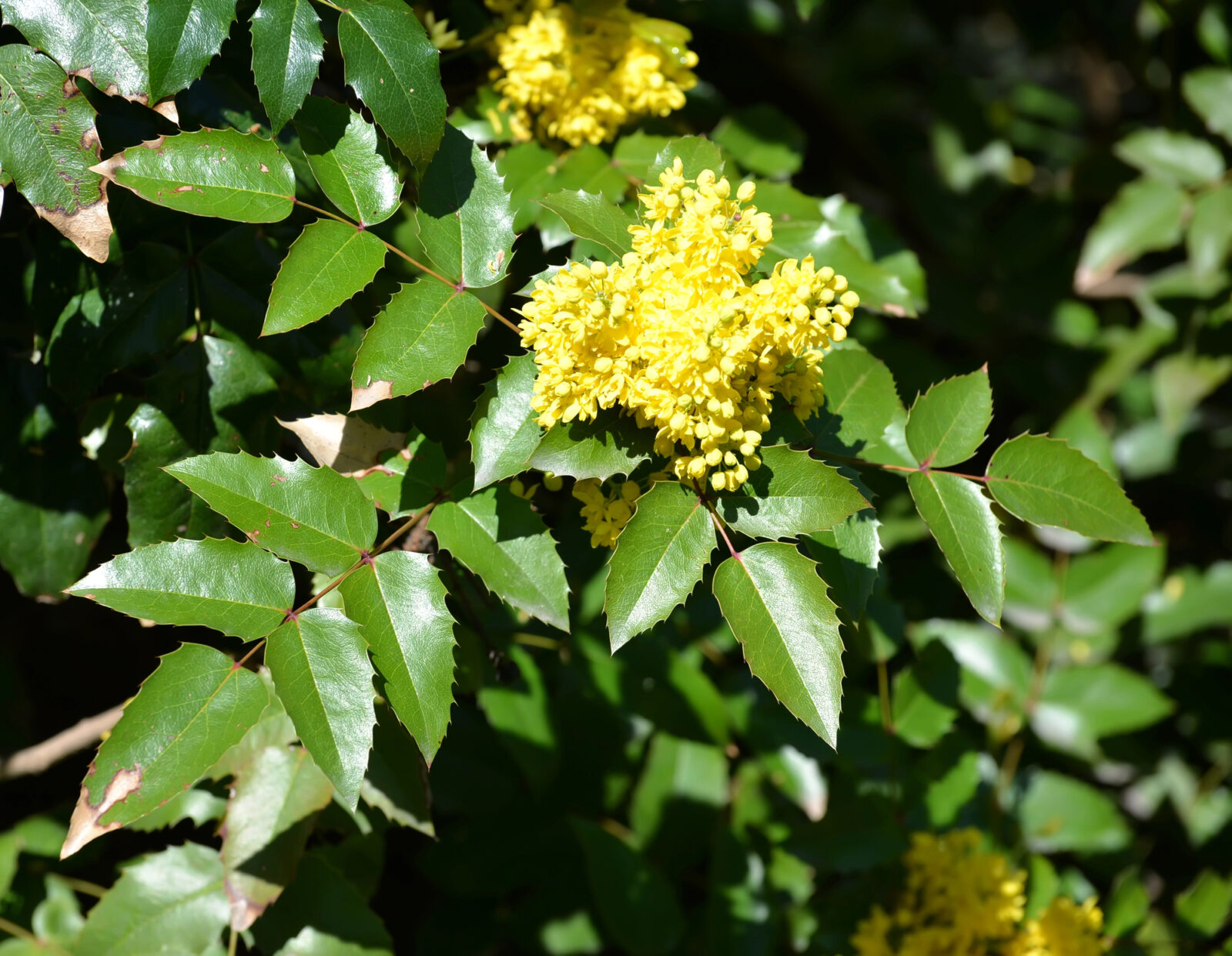
One of Oregon grape’s greatest strengths is its foliage. The leaves are compound, leathery, dark green and glossy, with fine spines along the edges reminiscent of holly. That is exactly what gives the shrub its elegant, slightly exotic look. In the colder part of the year the leaves also take on bronze and purple tones, so the plant doesn’t lose its charm even in winter.
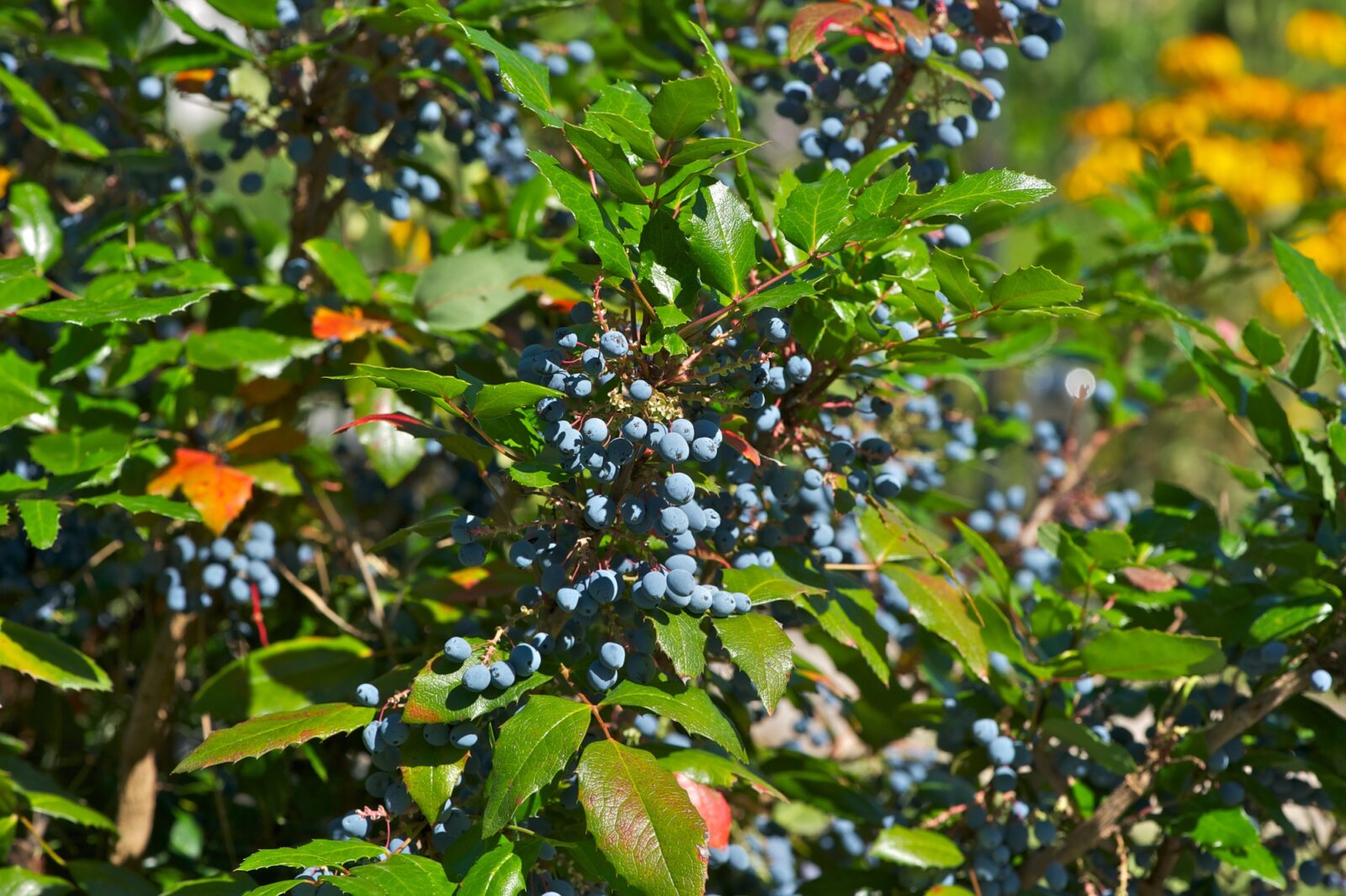
In spring, Oregon grape lights up with showy yellow flowers. They usually appear from April to May and are borne in generous, raceme-like clusters. Besides their vivid colour, they also have a pleasant scent that attracts bees, butterflies and other beneficial insects. After flowering, dark berries form in shades of blue to almost black; they are ornamental and also attractive to birds.
The site it likes best
Oregon grape grows best in partial shade or shade. The ideal spot is one where it won’t be exposed to harsh summer sun all day. Direct, strong rays can scorch the foliage, especially in periods of high temperatures. In light shade, by contrast, it keeps a good appearance and grows without unnecessary stress.
The right soil is important too. It does best in humus-rich, evenly moist, well-drained ground. Soil pH should be slightly acidic to neutral, or it can cope with some lime. The key is that water must not sit around the roots, as waterlogging doesn’t suit the plant.
Watering, feeding and routine care
Young shrubs need more regular watering after planting so they root in well. Older, established plants are generally tougher and need extra water mainly during prolonged dry spells. It’s best to keep the soil evenly moist, not waterlogged.
Oregon grape isn’t demanding when it comes to feeding. Usually, one application at the start of the growing season is enough. A fertiliser with a higher proportion of phosphorus and potassium is suitable, supporting roots and more abundant flowering. Well-rotted compost also works well and improves soil structure at the same time.
Pruning, propagation and hardiness
Regular pruning isn’t necessary for Oregon grape. It’s usually enough to remove dead, damaged or overly protruding branches to keep the shrub looking tidy. If a more substantial cut-back is needed, the best time is after flowering. In summer, the plant can be propagated from cuttings, a practical way to raise more plants for a hedge.
A big advantage is its frost hardiness. Oregon grape copes well with winter and is one of the most reliable shrubs for Czech gardens. It’s also fairly resistant to diseases and pests. Only occasionally can aphids or whiteflies appear, which can be dealt with using commonly available products.
Fruits and roots with useful properties
Oregon grape berries are quite tart, but they do have their uses. They contain vitamins A and C as well as pectin, a soluble fibre associated with a beneficial effect on cholesterol levels and blood sugar. They also provide antioxidants that support the body’s natural defences.
The fruits have traditionally been linked with support during colds, flu or excessive mucus production. Their use is also mentioned for certain skin problems. In the kitchen, they can be made into jams, compotes and even homemade wine. The root is also interesting: it contains berberine, a compound known for its antibacterial and anti-inflammatory effects.
Why choose Oregon grape over thujas
Oregon grape (Mahonia aquifolium) combines practicality with beauty. It provides privacy, stays green in winter, flowers generously, sets decorative fruits and doesn’t require complicated care. Unlike monotonous conifers, it brings change, colour and life into the garden. That’s why it can be an excellent choice for anyone who wants not only to screen the garden from its surroundings, but also to make it truly ornamental.
Source: RHS, Promesse de fleurs , České stavby, Pestrazahrada.cz

A lover of nature, gardens, and everything that moves, blooms, or grows. He literally grows everything, from herbs to rare species, and he enjoys caring for animals just as much. In his work, he connects modern technology with tried-and-tested grandmotherly methods and is happy when both paths lead to the same goal.
Related articles

A Simple Kitchen Trick to Keep Frying Oil Under Control Safely
Hot oil spitting is usually caused by moisture on the pan or in your ingredients. A clean piece of eggshell added to cold oil can help reduce splattering and make frying safer and tidier.

Invasive raccoons are spreading fast in the Czech Republic
Raccoons are no longer a rarity in the Czech Republic and are increasingly turning up in towns and around homes. Wildlife experts warn that their spread brings serious ecological damage and health risks, including dangerous parasites.

You don’t need expensive anti-wrinkle creams
Rice, best known as a kitchen staple, has long been used in traditional skincare for a softer, brighter-looking complexion. This simple homemade rice cream can help support suppleness and smooth the look of fine lines with regular use.
Comments (0)
Be the first to comment.