
 English
 Polski
 Deutsch
 Nederlands
 Svenska
 Norsk
 Dansk
 Français
 Italiano
 Español
 Português
 Slovenčina
 Suomi
 Gaeilge
You have an unused spot in your garden where herbs would almost grow themselves and most growers overlook it
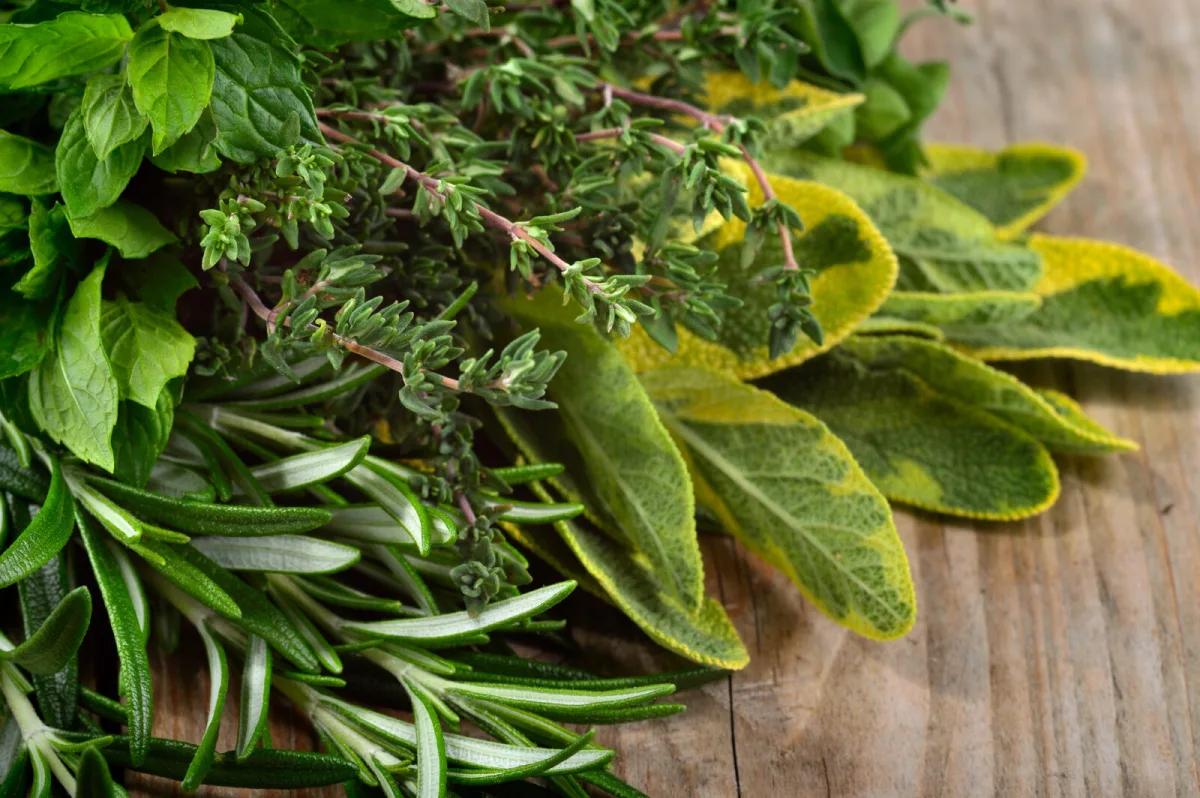
Herbs are a great choice for experienced growers and complete beginners alike. They don’t take up much room, grow quickly, smell wonderful, and you can use them in the kitchen almost every day. What’s more, they suit nearly any setting, from a small pot on a balcony to the edges of raised beds. If you want more enjoyment and more practical value from your garden, herbs are a simple and highly effective step.
Their biggest advantage is accessibility. All you have to do is step outside, snip a few stems, and within moments you have fresh flavour for soup, salads, roast vegetables, or homemade tea. Compared with shop-bought herbs, freshly picked ones are usually more aromatic, more fragrant, and fuller in taste.
Why herbs make so much sense in the garden
Easy growing, even for newcomers
Many herbs cope well with less-than-ideal conditions. They don’t demand constant attention and will forgive the occasional mistake with watering or placement. That’s why they’re often recommended as the first plants for anyone just getting into gardening. Often, regular picking is enough, and the plant will keep getting stronger and bushier.
Limited space isn’t a barrier
Herbs adapt to the space you give them. They can grow in a small pot, a window box on the terrace, or tucked into corners of vegetable beds. They’re excellent for filling edges and gaps between larger plants. That’s how even a small area can become a varied, practical planting.
More diversity means a healthier garden
Plant diversity benefits the whole garden. When you add different herb species instead of sticking to a uniform planting, you support a more balanced environment. Each species brings a different structure, scent, colour, and flowering time, helping create a livelier, more resilient garden space.
Fragrance that lifts your mood
Rosemary, lavender, thyme, or lemon balm can perfume the area with just a light touch. Herbs aren’t only useful on the plate, they’re also a natural source of delightful scent. Time in the garden becomes even more pleasant, and a daily harvest turns into a small ritual.
They don’t need sun all day
Although most herbs prefer more light, quite a few will still grow in a spot that only gets sun for part of the day. If you have a corner with roughly four to six hours of light, you can still grow a decent supply of herbs. Just bear in mind that in less sunny conditions they’ll grow a bit more slowly.
They’re beautiful in their own right
Herbs can be very ornamental. The fine foliage of dill, the silvery surface of sage, trailing rosemary, or a dense carpet of thyme add interesting texture and natural charm. It’s an easy way to combine usefulness with aesthetics, which is an ideal pairing in any garden.
Herb flowers attract pollinators
If you allow some herbs to flower, you’ll be rewarded with more activity from bees, butterflies, and other beneficial insects. Basil, dill, parsley, chives, or lemon balm can become valuable food sources for pollinators. That benefits not just the herbs themselves, but the whole garden.
Harvest again and again
One of the best things about herbs is repeated harvesting. Most species thrive when they’re regularly trimmed. Cutting just above a point where leaves emerge encourages branching and the production of new shoots. Instead of a leggy plant, you’ll get a denser, more productive clump.
Fresh flavour is incomparable
The difference between a herb you’ve just snipped and a bunch from the shop is often huge. Homegrown herbs have a more intense aroma and a stronger flavour. They can turn even a simple meal into something far more interesting, and the “garden to plate” way of cooking suddenly feels very achievable.
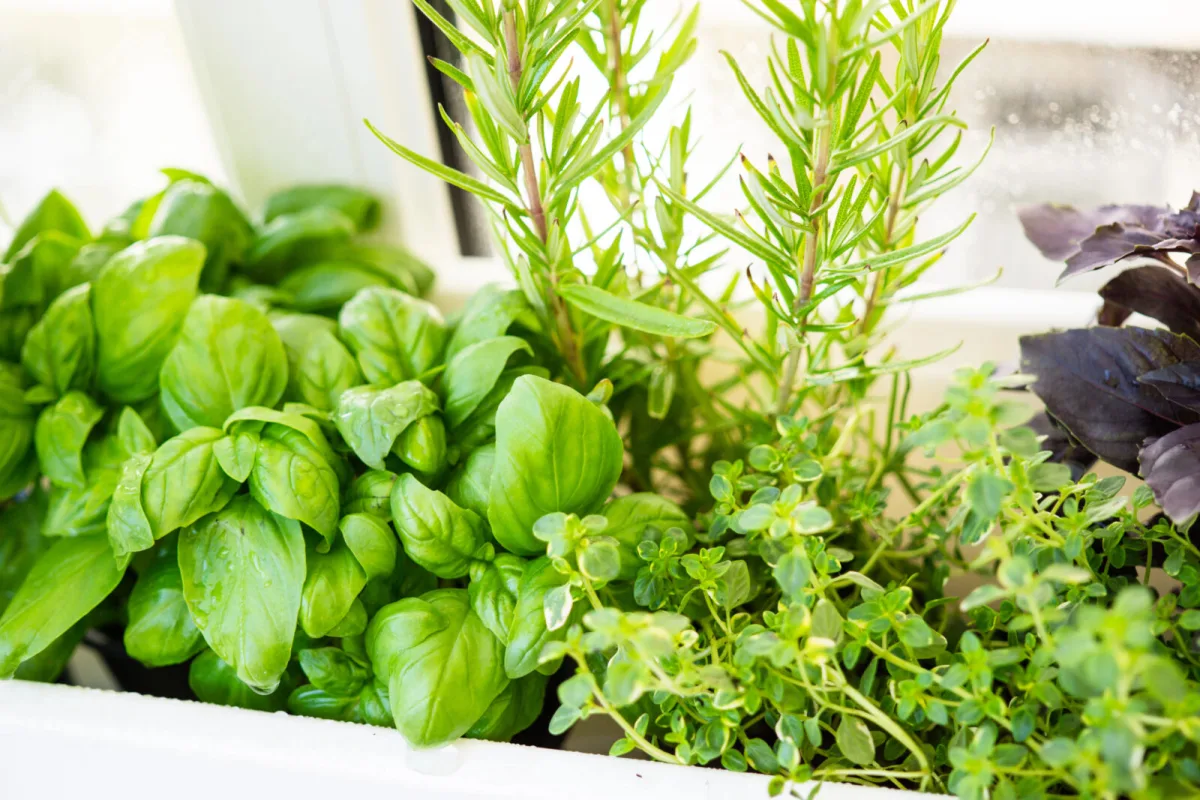
How to find more space for herbs
Pots and containers as the simplest solution
If you don’t want to start with a big project, grow herbs in containers. The pot should be deep enough, at least around 15 cm, and have good drainage. In smaller containers, compost dries out faster, so you’ll need to check watering more regularly. The advantage is flexibility and the option to move plants to suit the light.
Incorporating them into a pollinator bed
If you have a flower bed or a more naturalistic planting area, herbs fit in beautifully. Species that flower or readily bolt can serve as a magnet for beneficial insects. This combination brings not only beauty but also greater biodiversity.
Using the corners and edges of raised beds
Raised beds often hide unused space around the perimeter. That’s exactly where you can plant herbs without getting in the way of larger vegetables in the middle. A mix of upright herbs with trailing ones works especially well, softening the bed’s edges and visually enlivening the space.
A dedicated herb bed or trough
If you want to take things further, you can create a separate spot dedicated solely to herbs. A small movable bed or a larger planter trough lets you gather more varieties in one place and manage space more efficiently. The benefits are clarity, easier harvesting, and a strong decorative effect.
Popular herbs worth trying
Highly rewarding choices include rosemary, chives, parsley, lavender, chamomile, coriander, thyme, and basil. Rosemary charms with its scent and also works well as a trailing plant. Chives are excellent for beginners, and their flowers are edible. Parsley can be used fresh and also preserved for winter. Lavender delights with both fragrance and appearance. Chamomile is great for drying for teas. Coriander offers not only leaves but also seeds, used as the spice coriander. Thyme forms low, dense growth, and basil is indispensable in summer cooking.
An interesting option is also marigold, valued not only for its looks but also for its edible flowers and traditional uses. Some herbs are perennial, while others are grown more as seasonal plants, so it’s worth choosing based on your conditions and on what you actually use in the kitchen.
Regular harvesting is part of success
It’s best to cut herbs little and often throughout the season. Frequent harvesting encourages growth and helps prevent plants from shooting up too much. You can use the cut stems straight away in the kitchen, dry them, or freeze them. That way you’ll keep the garden’s aroma and flavour for the colder part of the year too.
Herbs are a small investment with a big effect. They bring flavour, fragrance, beauty, and life to any garden, no matter how large.
Why you should start as soon as possible
The great thing about herbs is that you don’t need a large plot or years of experience. A few pots, a spare edge of a bed, or a brighter spot by the house is enough. Your reward will be an easily accessible fresh harvest, more diversity in the garden, and more enjoyment from every meal you cook. So if you’re wondering what to add to enrich your garden, herbs are one of the most practical and most enjoyable options.
Source: Gardenary, RHS , Pestrazahrada.cz

A nurse by profession, she is passionate about healthy living, nature, and everything that benefits both people and the world around them. In her free time, she enjoys gardening, cooking, sewing, and caring for her family. In her articles, she loves combining professional expertise with practical experience from the garden and everyday life.
Related articles
Missed pruning your roses in autumn It’s fine experts recommend a different timing
Rose pruning has a big impact on plant health, vigour, and flowering. If you didn’t cut back in autumn, late winter into early spring is usually the best and safest window.
Grow a Stunning Hibiscus from an Ordinary Seed with a Few Simple Tricks
Growing hibiscus from seed takes patience, but the reward is a strong, vigorous plant with standout blooms. Start indoors with warmth and gentle handling, then harden off and plant out when frost has passed.
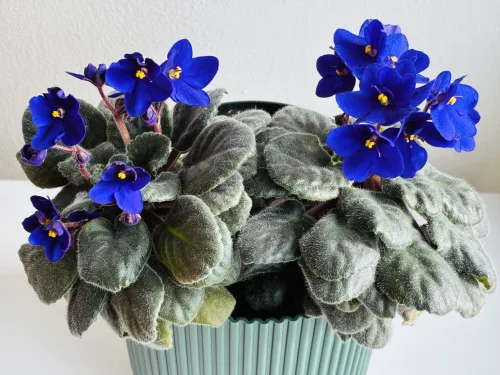
African violets can flower almost year-round with a few simple care rules
African violets are compact houseplants that can bloom for months on end when given the right light, watering routine, and potting mix. Follow a few straightforward care principles and they may flower almost continuously through most of the year.
Comments (0)
Be the first to comment.