
 English
 Polski
 Deutsch
 Nederlands
 Svenska
 Norsk
 Dansk
 Français
 Italiano
 Español
 Português
 Slovenčina
 Suomi
 Gaeilge
Insomnia is affecting more and more people and natural support can bring calmer evenings and deeper sleep

Trouble falling asleep and poor-quality sleep are now experienced by a huge number of people. Insomnia is gradually becoming a common side effect of modern life, as the body is affected by long-term stress, mental overload, and constant contact with screens. Phones, computers, and other electronics emit blue light, which disrupts the natural body clock and makes it harder for the body to switch into rest mode.
That is exactly why more and more people are returning to natural approaches, which can be gentler than reaching straight for sleeping pills. Alongside limiting technology before bed, traditional herbs that have been used for generations to calm the nerves and support sleep can also help.
Herbs that help calm the body and mind
Medicinal plants are valued for their milder onset and their ability to gradually bring a sense of wellbeing. In general, lighter infusions are recommended during the day and a stronger brew or more robust tea in the evening to prepare the body for the night. It is also important to watch how your body responds and, if you take any medication, to consider possible interactions.
Lemongrass as a very gentle option

Lemongrass is among the herbs with a mild calming effect. It does not hit hard; instead, it gradually releases tension and helps settle a restless mind. Because of this gentle nature, it is often described as a suitable choice even for pregnant women. If someone is not dealing with a severe form of insomnia, a regular cup in the morning and another in the evening can bring noticeable relief.
Lavender as a trusted classic
Lavender is one of the best-known plants associated with relaxation. Its distinctive scent creates a sense of calm, and lavender tea can help you mentally unwind after a demanding day. The advantage is that it does not have to be used only as a drink. Lavender sachets by the bed or aromatherapy can also work well, creating a pleasant atmosphere in the bedroom for falling asleep.
Catnip with a noticeable effect on falling asleep
Catnip may not be the most fragrant herb, but it is highly valued when it comes to supporting sleep. Its tea tends to be mild in taste yet effective. It is often recommended to drink it about half an hour before going to bed. However, caution is needed, because this herb should not be combined with conventional sleeping medication without prior consultation with a professional.
Milk thistle is not only for the liver
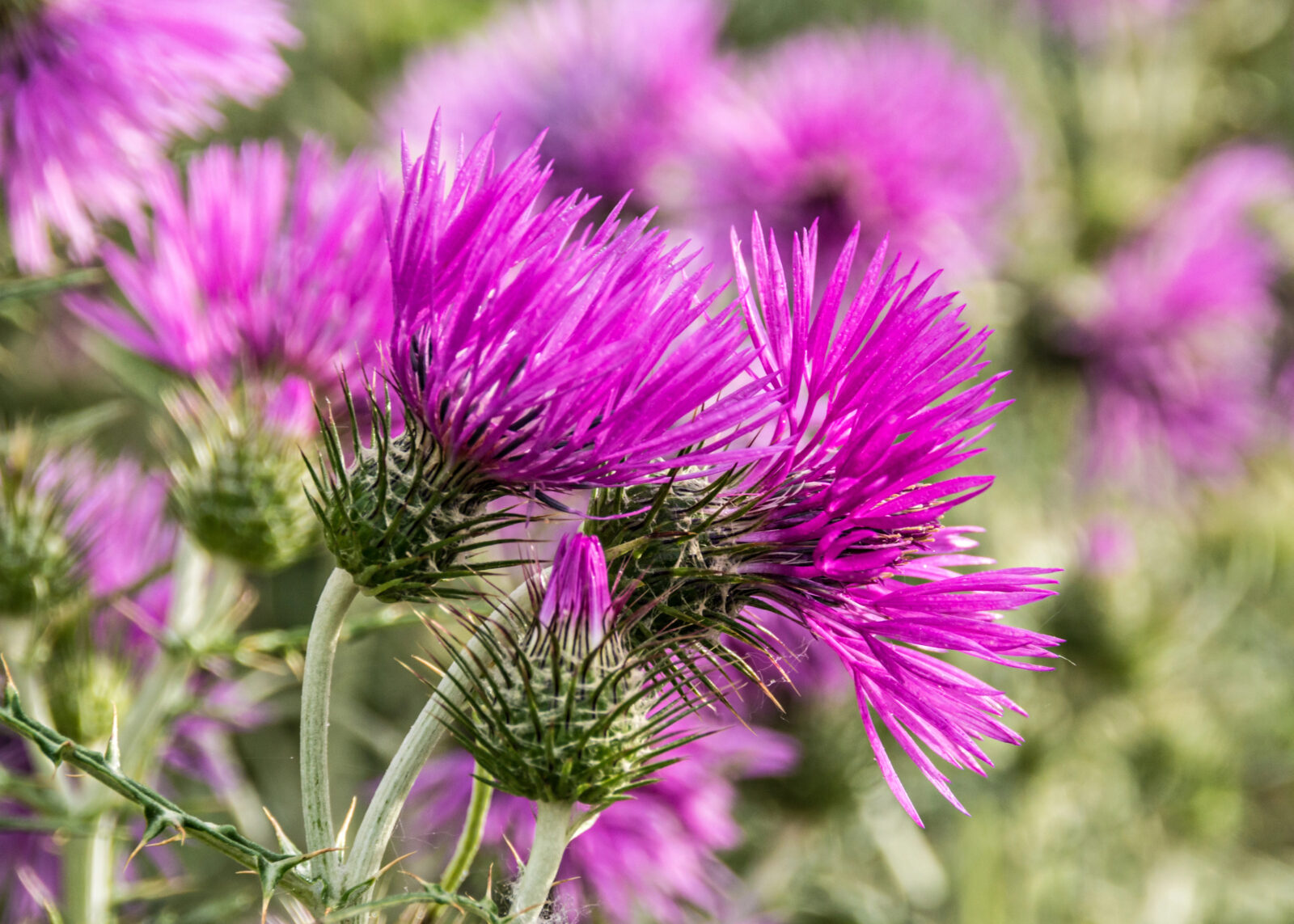
Most people associate milk thistle mainly with liver support, but its benefits may be broader. It helps stabilise mood, increases resilience to stress, and in that way indirectly supports better-quality sleep. With this herb, it is sensible to stick to reasonable dosing and to take a break after roughly six weeks of use. If someone takes other medicines, they should discuss the combination with their doctor first.
Hops as a strong natural sedative
Hops are known for their calming, almost hypnotic effect on the nervous system. In the past, it was said that people harvesting and drying hops would easily become drowsy, which captures the plant’s strength well. That is why hop cones are a common ingredient in blends intended for an evening drink before sleep.
Simple evening habits that can work
Herbs are not the only route to better sleep. Sometimes even small changes help, because they give the body a clear signal that rest time is approaching. Warm feet, for example, encourage blood vessels to dilate, and the body then shifts more easily into sleep mode. Even ordinary socks can help some people fall asleep faster.
A reliable method can also be controlled breathing. The well-known 4 7 8 technique involves inhaling for four seconds, holding the breath for seven, and exhaling slowly for eight seconds. A few repetitions can calm both heart rate and nervous tension. A light evening snack of two kiwifruit may also be helpful, as they contain compounds that support falling asleep and deeper sleep. A traditional home trick is a bay leaf under the pillow, which is credited with an anti-stress effect.
Bedroom temperature matters more than it seems
Many people overlook the fact that poor sleep can be linked to an unsuitable room environment. If the bedroom is too warm or, conversely, too cold, the brain has to focus on regulating body temperature and deep sleep is disrupted. Specialists therefore recommend keeping the temperature roughly between 16 and 20 °C, ideally around 18 °C. These conditions tend to be the most favourable for night-time rest.
Houseplants that support a better sleep-friendly indoor climate
Alongside herbs, you can also make use of common houseplants. They do not replace treatment for insomnia, but they can improve air quality and create a calmer environment for rest. Even that can have a surprisingly positive effect on falling asleep.
Aloe vera and cleaner air
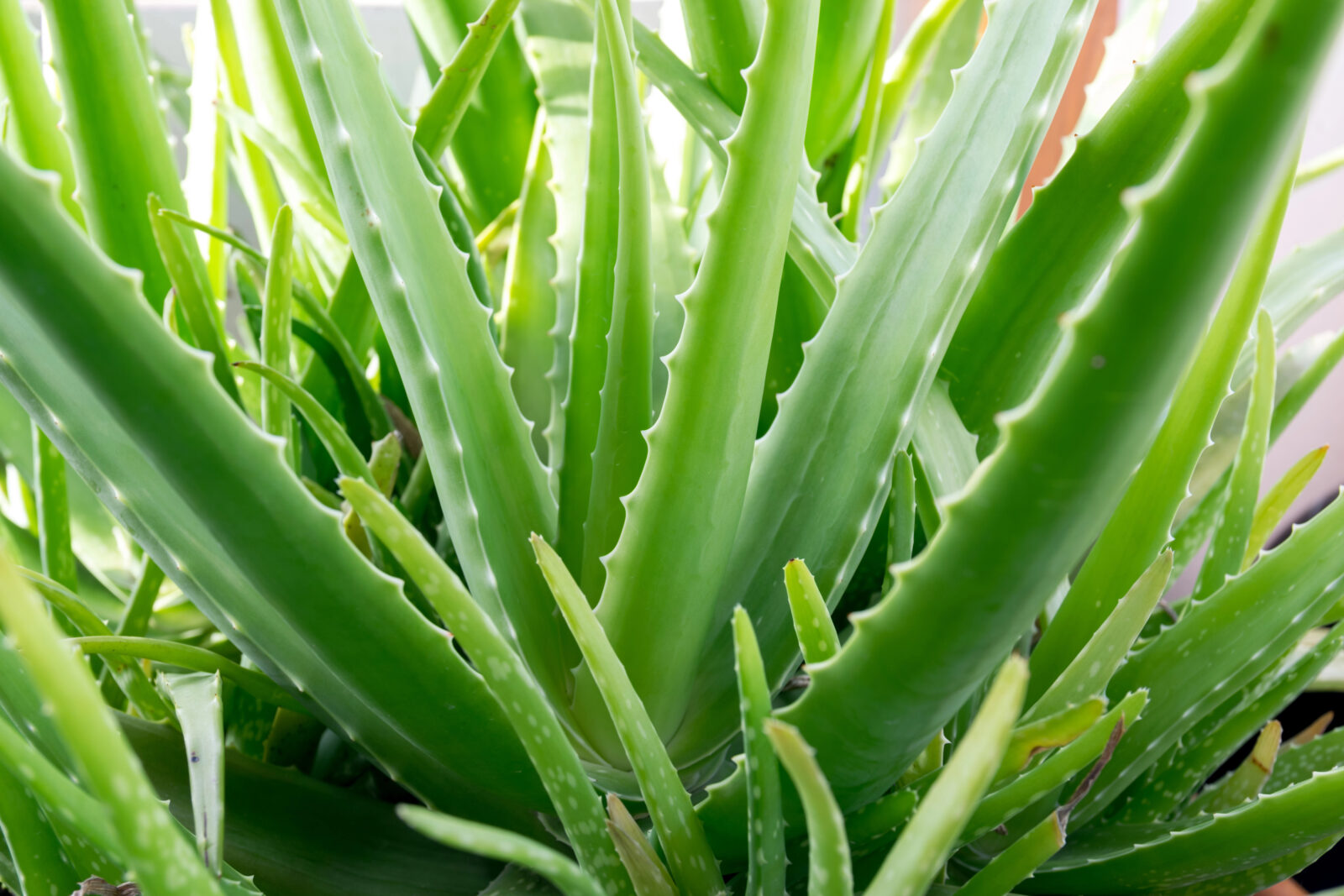
Aloe vera helps clean indoor air and reduce certain allergens. When it is easier to breathe in a room, the body relaxes more readily and night-time rest tends to be better.
Jasmine for fragrance and calm
Jasmine is popular for its distinctive fragrance, which may ease anxiety and contribute to better sleep. At the same time, strong scent is not pleasant for everyone, so it is better to place the plant where it is not too close to the bed.
Snake plant and ivy as bedroom helpers
The snake plant is valued for its ability to filter unwanted substances from the air and improve the room environment. Ivy is similarly useful and is among the well-known plants used for air cleaning. Better air can then make it easier to fall asleep and contribute to calmer nights.
Nature can be effective support when insomnia strikes
If sleep problems persist, it is worth focusing not only on falling asleep itself, but also on overall evening habits and the surrounding environment. Well-chosen herbs, a cooler bedroom, reducing screens, and small calming rituals can work together to create conditions in which the body and mind switch into rest mode more easily.
Natural remedies may not work instantly like strong medication, but they often offer a gentler, more sustainable path to calmer sleep.
However, if insomnia keeps returning over the long term or significantly interferes with everyday functioning, it is always sensible to speak to a doctor as well. Nature can help a great deal, but it achieves the best results when it is part of an overall healthy routine.
Source: Time, NHS, HealthLine, Kdy Zasadit, Moje Bylinky, Pestrazahrada.cz

A lover of nature, gardens, and everything that moves, blooms, or grows. He literally grows everything, from herbs to rare species, and he enjoys caring for animals just as much. In his work, he connects modern technology with tried-and-tested grandmotherly methods and is happy when both paths lead to the same goal.
Related articles

This shrub is better than thuja and will screen you from the neighbours all year round
If you want a natural privacy screen that looks far more interesting than standard thujas, Oregon grape is a superb choice. This evergreen shrub is decorative in every season, long-lived and easy to grow.

A Simple Kitchen Trick to Keep Frying Oil Under Control Safely
Hot oil spitting is usually caused by moisture on the pan or in your ingredients. A clean piece of eggshell added to cold oil can help reduce splattering and make frying safer and tidier.

Invasive raccoons are spreading fast in the Czech Republic
Raccoons are no longer a rarity in the Czech Republic and are increasingly turning up in towns and around homes. Wildlife experts warn that their spread brings serious ecological damage and health risks, including dangerous parasites.
Comments (0)
Be the first to comment.