
 English
 Polski
 Deutsch
 Nederlands
 Svenska
 Norsk
 Dansk
 Français
 Italiano
 Español
 Português
 Slovenčina
 Suomi
 Gaeilge
Grow a Stunning Hibiscus from an Ordinary Seed with a Few Simple Tricks
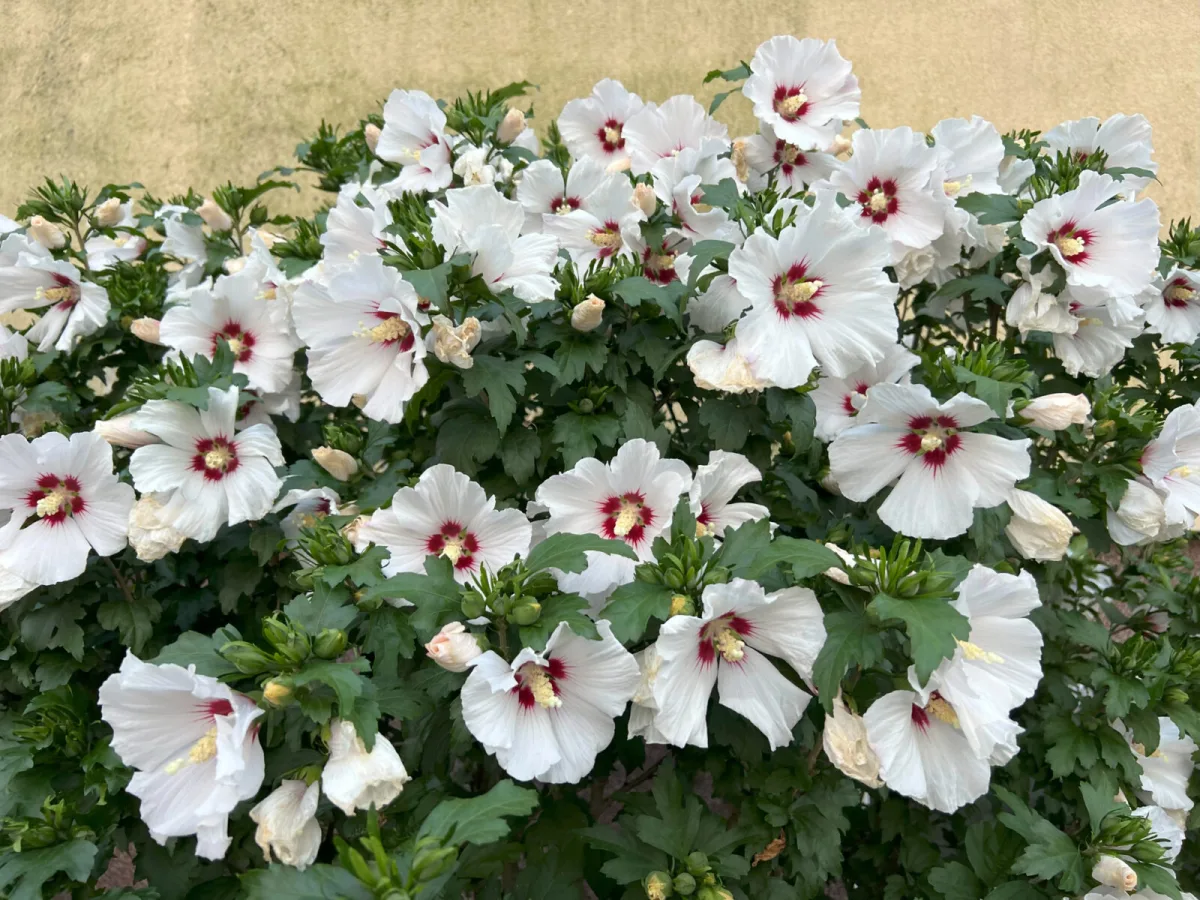
Hibiscus is one of those bold, flowering plants that can instantly brighten up a garden, patio, or even a room indoors. There are many species and types with different sizes, flower shapes, and colours, so almost every grower can find one to suit. If you want to raise this plant from the very beginning, starting from seed, you’ll need to allow for a bit of patience. The payoff is often a sturdy, beautiful plant that becomes an eye-catching feature wherever it grows.
Growing hibiscus from seed isn’t difficult, but it does require the right approach. The key steps are starting it indoors, providing consistent warmth, handling young seedlings carefully, and then giving the plant proper care after transplanting.
The best-known types of hibiscus
The hibiscus genus includes a large number of species, but growers most often come across three main groups. Each has slightly different needs and suits different conditions.
Hardy hibiscus
This type is well suited to cooler regions because it tolerates lower temperatures well. In nature, it grows mainly in moist sites, such as marshy areas or near water. Its flowers can be relatively small, but on some plants they can also reach very impressive sizes. Overall height can range from compact forms to truly substantial specimens.
Rose of Sharon
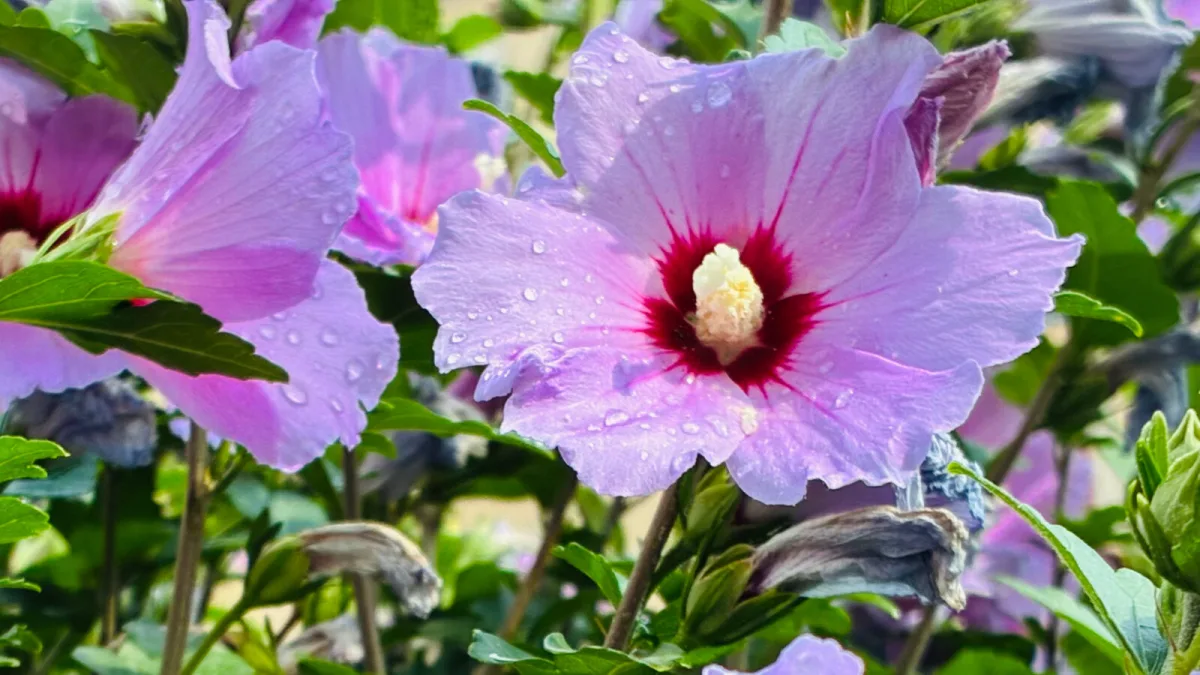
Rose of Sharon is a popular flowering shrub commonly planted in gardens. It has smaller leaves and flowers than some other types, yet it still looks highly ornamental. It also copes well with temperatures below freezing. It does best in a bright position, but it will also thrive in light partial shade. The soil should be free-draining and slightly on the acidic side.
Tropical hibiscus
Tropical types love warmth and are best suited to areas with milder climates, or as portable container plants. They flower from summer into autumn and, in hot, dry weather, they need regular watering. They can grow quite tall and produce large, showy blooms, which are one of their greatest strengths.
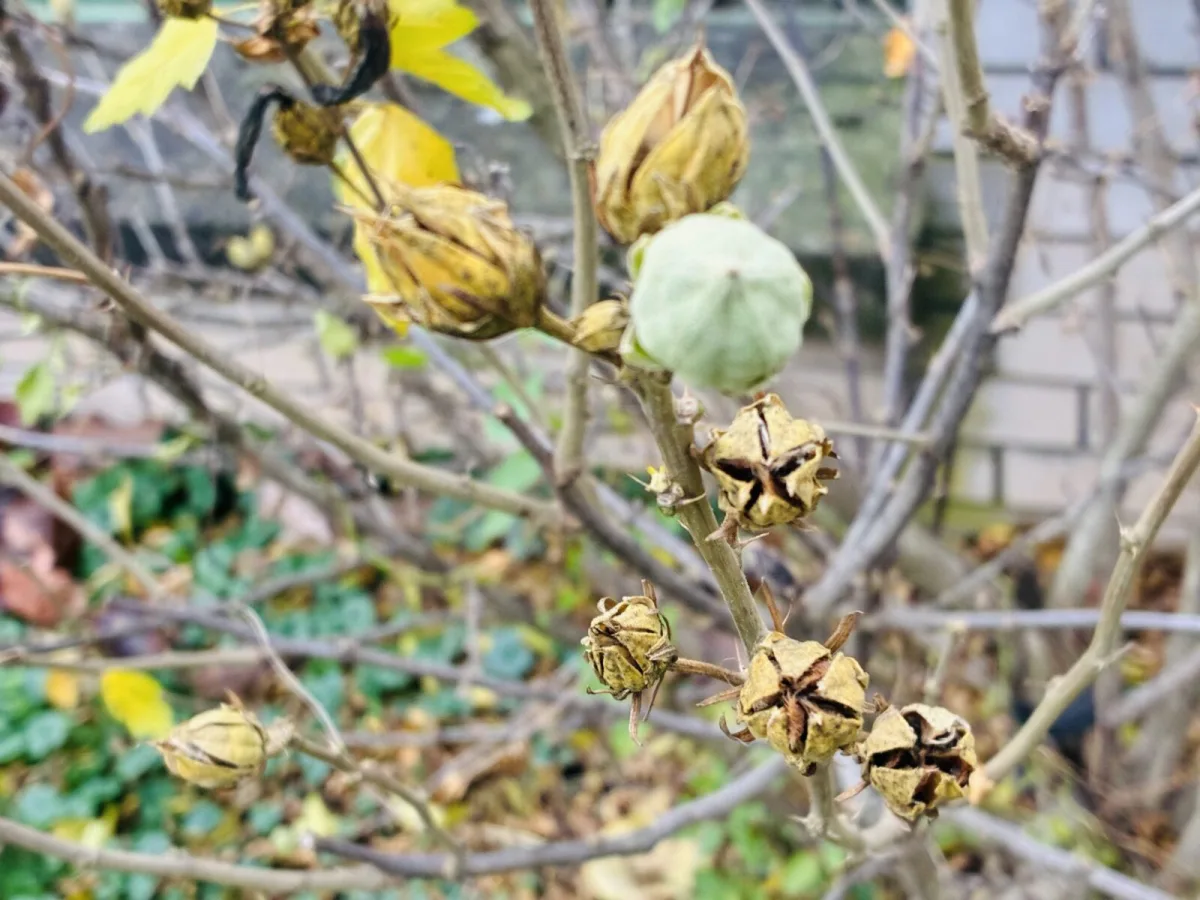
How to sow hibiscus from seed
Pre-sprouting indoors
Hibiscus seeds germinate relatively slowly, so it’s best to start sowing indoors about two to three months before the last spring frosts. The hard seed coat is worth lightly nicking, for example by gently cutting into the rounder end. This helps moisture get inside more easily and usually speeds up germination. Then soak the seeds in room-temperature water for a few hours.
Sowing into a container
Use a seed-starting compost or a light mix intended for young plants. Sow the seeds only shallowly, roughly a few millimetres deep. Place the container somewhere warm and bright. Warmth is crucial for hibiscus, because without it germination can slow down significantly. When conditions are right, the first seedlings usually appear within two to three weeks.
As the young plants grow, they need potting on into larger pots so their roots have enough room. At this stage, take care because the young stems are very fragile and easily damaged.
Hardening off before planting out
Once the seedlings have several true leaves and there’s no longer any risk of frost outdoors, it’s time to harden them off gradually. This means taking the plants outside for just a few hours a day at first, so they can adjust to sun, wind, and temperature swings. This step matters, because a sudden move from indoor conditions to the outdoors can weaken young hibiscus plants.
Transplanting to its final position
Plant hibiscus in its final spot in a sufficiently large hole that accommodates the entire root ball. It’s a good idea to loosen the soil deeper and wider so the roots can grow through it easily. Set the plant so the top of the root ball sits level with the surrounding soil. Backfill partway, water thoroughly, and only then fill in the rest of the soil. The root ball should not be covered with an extra layer of soil, as the plant may struggle to breathe and can weaken.
How to care for hibiscus properly
Hibiscus care can vary depending on the exact type, but some principles are universal. If you give the plant the right conditions, it will reward you with strong growth and abundant flowering.
Keeping moisture in and mulching
Once the plant has established, it’s a good idea to mulch around it. Mulch helps retain moisture in the soil, reduces drying out, and also lowers the risk of soil splashing and washing away during rain or watering. Hibiscus usually doesn’t need daily watering, but during the growing season the soil should stay consistently and moderately moist.
Watering through the season
The most important thing is to water regularly according to the weather and how the soil feels. Under normal conditions, a deep watering once a week is often enough, but in hot spells you may need to check more frequently. Tropical types tend to be more sensitive to water shortage than tougher garden forms.
Removing spent flowers
Once blooms fade, it’s best to remove them as you go. That way the plant won’t waste energy on seed production and can put more into forming new buds. Regular deadheading also keeps the plant looking tidy throughout the season.
Pruning and plant health
Hibiscus also benefits from regular pruning, though it shouldn’t be too severe. Usually it’s enough to shorten shoots by about a third and keep points where new growth can break. This improves airflow and lets more light into the centre of the plant. It can also help reduce pests such as aphids, whitefly, spider mites, and other small insects that weaken leaves and flowers.
Feeding for vigorous growth
Even though some hibiscus plants can cope with less-than-ideal conditions, regular feeding significantly boosts their vigour. Choose a fertiliser higher in nitrogen and potassium, with a lower phosphorus content. During active growth, you can feed as often as once a month. A healthy, well-nourished plant has a better chance of continuing to grow strongly into the next season.
Protecting young plants
Shortly after transplanting, young hibiscus plants are still sensitive to strong wind and rough weather. Their stems aren’t sturdy enough yet, so it helps to give them a sheltered position at first or a light support. Once they thicken up and root in well, they handle outdoor conditions much better.
Hibiscus grown from seed mainly needs warmth, time, and gentle care in the first few weeks. Once established, it can become a long-lasting and very striking feature in both the garden and the home.
Patience brings standout blooms
Growing hibiscus from seed is ideal for anyone who wants to raise a plant from the very beginning and doesn’t mind a slower start. The essentials are preparing the seed correctly, providing plenty of warmth, and not pushing seedlings too hard after they sprout. Once they gain strength and you transplant them into the right spot, the routine is mainly regular watering, feeding, and keeping the plant in good condition. The result can be abundant blooms and a decorative plant that naturally draws attention.
Source: Master Class, Gardening Know How, Pestrazahrada.cz

A nurse by profession, she is passionate about healthy living, nature, and everything that benefits both people and the world around them. In her free time, she enjoys gardening, cooking, sewing, and caring for her family. In her articles, she loves combining professional expertise with practical experience from the garden and everyday life.
Related articles
African violets can flower almost year-round with a few simple care rules
African violets are compact houseplants that can bloom for months on end when given the right light, watering routine, and potting mix. Follow a few straightforward care principles and they may flower almost continuously through most of the year.

Eucalyptus can be quite demanding, the right pruning and care are the key to healthy growth
Eucalyptus can make a striking specimen, screen or neatly maintained shrub, but it only thrives when pruned at the right time and in the right way. Learn when to cut, how to shape it, and how to care for it afterwards so it stays strong and long-lived.
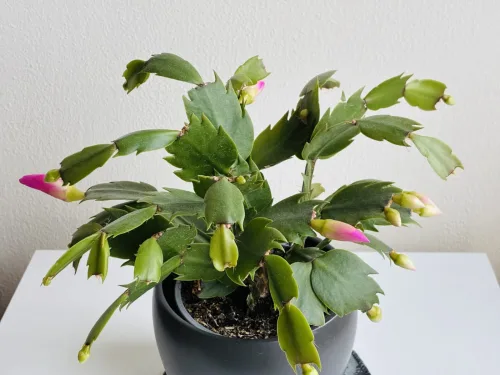
How to Get a Christmas Cactus to Bloom Right on Time for the Holidays
A Christmas cactus will only flower on schedule if it gets the right cues well in advance. Cool temperatures, long uninterrupted darkness, and plenty of bright light through the year make all the difference.
Comments (0)
Be the first to comment.