
 English
  Polski
  Deutsch
  Nederlands
  Svenska
  Norsk
Norsk  Dansk
Dansk  Français
  Italiano
  Español
  Português
  Slovenčina
  Suomi
Suomi  Gaeilge
 How to Manage Deep Litter in a Chicken Coop and Get Excellent Garden Fertiliser
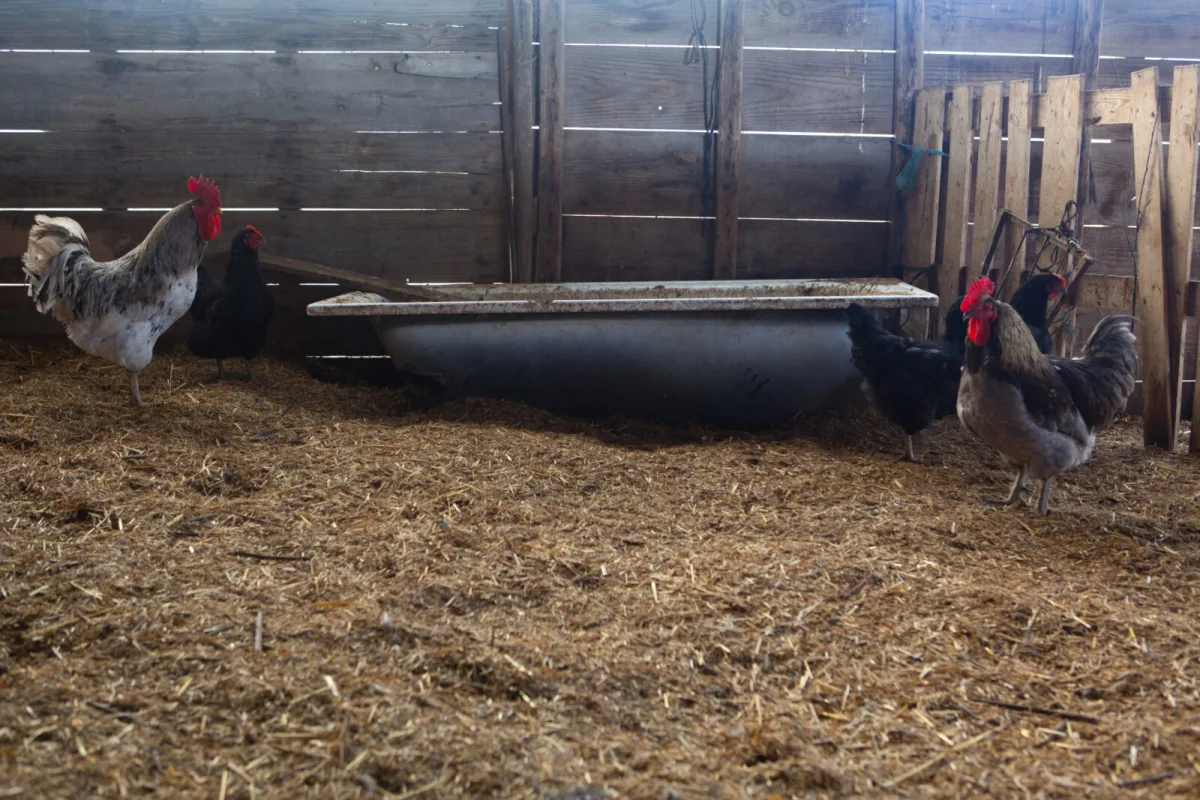
The deep-litter method is a simple but well-thought-out way to keep the coop cleaner with less effort, especially through winter. Instead of frequent clean-outs, you allow bedding and droppings to build up gradually. Inside the coop, a natural breakdown process takes place, similar to composting. The result is a nutrient-rich mix that, once matured, can be used in the garden.
A pleasant bonus is warmth. As the material breaks down, it releases gentle heat that helps keep the coop temperature more stable. It’s not a substitute for safe housing and proper ventilation, but in practice it often means better comfort for the flock without needing heat lamps.
How to set up the method properly in autumn
The best time to start is before hard frosts arrive. On the coop floor, lay roughly 8 to 10 cm of clean, dry bedding. You can use leaves, straw, or wood shavings, with shavings being popular for their good absorbency and easy handling.
As soon as the surface starts to get dirty and droppings build up, add another layer about once a week. The key is to keep the material more dry and fluffy rather than compacted. Regular turning once or twice a week helps, or you can let the hens do some of the work by scattering a little grain into the bedding now and then and letting them scratch.
Turning and ventilation are the foundation of success
For the mix to break down, it needs oxygen. If hard clumps form, break them up with a rake or fork. In a well-managed deep litter, the material gradually turns into a darker, more crumbly mass and shouldn’t smell unpleasant.
Winter ventilation is just as important. The coop must remove moisture and fumes without creating a draught on the birds. Proper airflow helps limit odour and reduces the risk of respiratory problems.
Most common problems and quick fixes
Ammonia smell in the coop
A strong, sharp smell usually means the mix is too wet or doesn’t have enough dry bedding.
The first step is to add more dry material. If the bedding still isn’t absorbing well, a small amount of soil mixed into the layers can help. At the same time, check that the litter is being turned enough and that the coop is ventilating properly.
The bedding isn’t breaking down
Composting works best when the carbon and nitrogen components are in balance. Bedding is the so-called “brown” component, while droppings are the “green” component rich in nitrogen. If manure builds up quickly and there isn’t enough dry material, the mix can heat up, become sticky, and start to smell. The solution is to add more bedding and turn more often so air can get in.
When the mix is ready for the garden
Chicken manure is considered “hot” because it contains a lot of nitrogen. If you apply it too fresh, it can damage plants. A usable mix should be well broken down, without a sharp smell and without visible fresh deposits of droppings.
If you’re unsure, let the material mature further in a separate heap or add it to a normal compost pile. A practical check is also a simple seed test in a pot, using only a small amount of this mix. If the seed doesn’t germinate, the material is still too strong and needs more time.
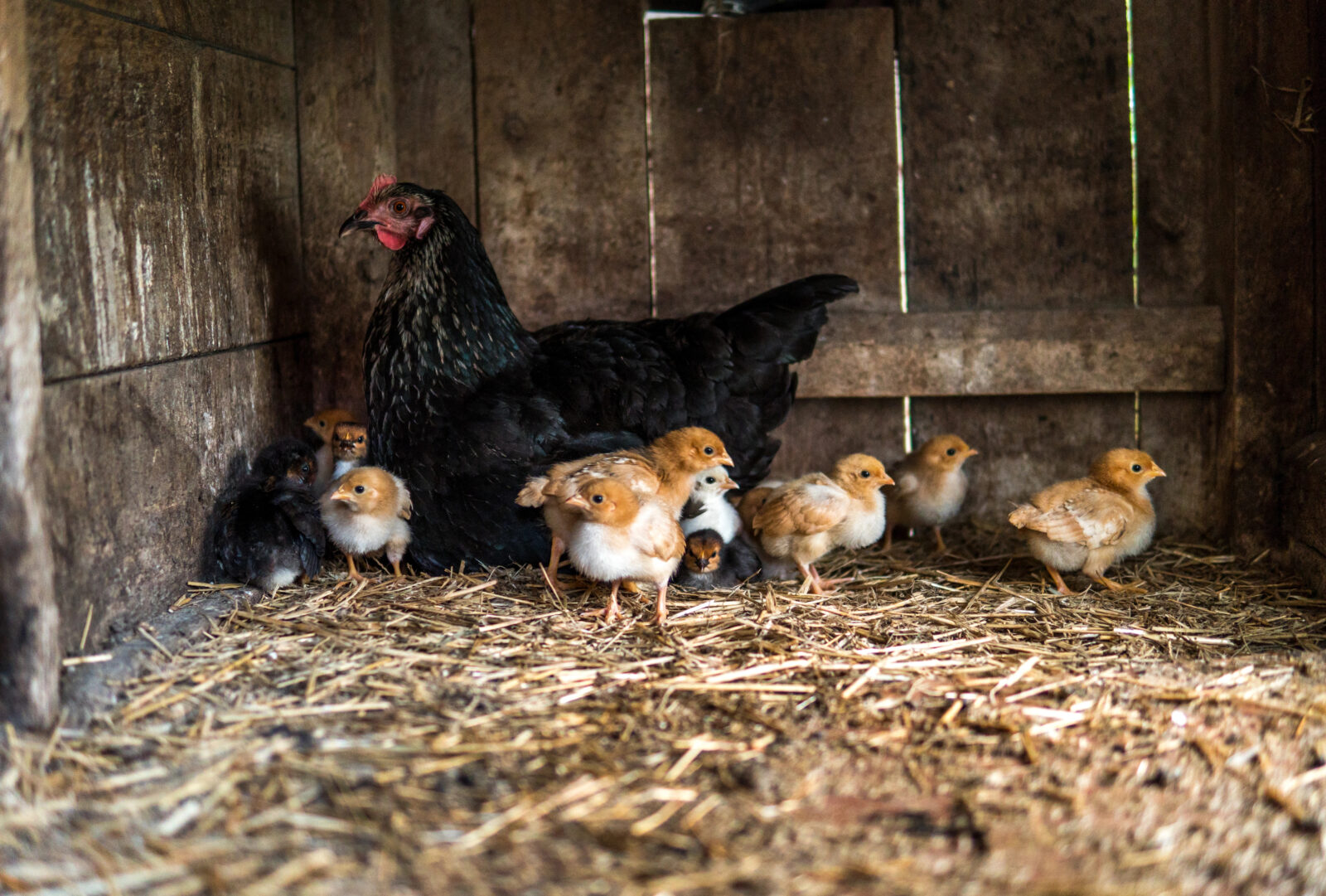
How to use deep litter in garden beds
There are several options, and the best choice depends on how mature the mix is. If it isn’t fully finished, it’s safer to let it complete in a composter first and only add it to beds later. If it’s well broken down, you can work it directly into the soil.
A common approach is to spread a thinner layer over the soil surface and lightly incorporate it. Autumn is often ideal, because over winter the material has extra time to stabilise, and in spring the bed is ready for planting without the risk of root burn.
An interesting alternative is to bury the mix in a trench or hole within the bed and then plant around it. Roots gradually draw nutrients without coming into direct contact with overly concentrated material.
What the soil and the flock both gain
Composted bedding adds organic matter to beds, supports soil life, and improves the soil’s ability to hold water. It also supplies key nutrients, especially nitrogen, phosphorus, and potassium—the same trio commonly found in general-purpose garden fertilisers. Chicken manure is often richer in these nutrients than many other types of manure.
In practice, that means more fertile, more biologically active soil, and often less pressure from certain undesirable microorganisms, because a well-functioning soil biota can suppress problematic pathogens.
When to clean out the coop, and why not to leave the floor completely bare
From time to time, the coop needs a thorough clean-out, because over winter the layer can easily build up to several tens of centimetres. Most often this is done in early spring or autumn, when the work is most practical in terms of weather and garden plans.
However, it’s best not to leave the floor completely empty. A small base layer of older material helps inoculate the new bedding with the necessary microorganisms, so the breakdown process starts again faster and more reliably.
Summary for a quick decision
Deep litter reduces work in the coop, improves winter comfort thanks to heat from decomposition, and at the same time creates valuable material for the garden. If you keep an eye on having enough dry bedding, regular turning, and good ventilation, you’ll have a system that works long-term and benefits both the hens and the soil.
Source: Morning Chores, Dine a Choock, Pestrazahrada.cz

A lover of nature, gardens, and everything that moves, blooms, or grows. He literally grows everything, from herbs to rare species, and he enjoys caring for animals just as much. In his work, he connects modern technology with tried-and-tested grandmotherly methods and is happy when both paths lead to the same goal.
Related articles
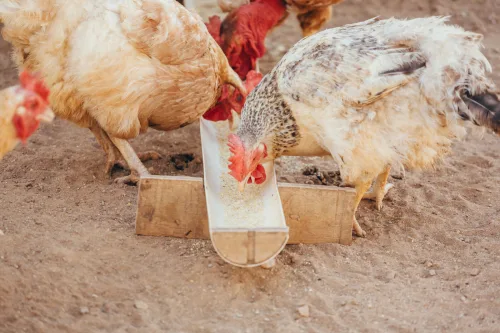
How to Choose a Chicken Feeder That Keeps Feed Dry, Clean and Pest-Free
A good chicken feeder should keep feed dry, reduce waste, and make access difficult for rats and wild birds. The right design and placement can save money and keep your coop cleaner year-round.
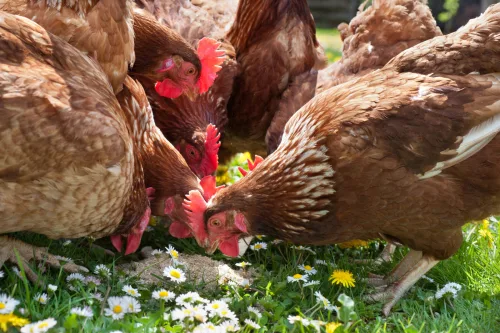
How to Feed Laying Hens So They Stay Healthy, Lay Steady All Year and Produce Strong Shells
A well-balanced diet is the key to healthy hens, strong eggshells and consistent laying. Learn what to feed, what to top up, and what to avoid through the seasons.
Which vegetables can chickens safely eat every day
Vegetables make a brilliant daily treat for chickens, adding moisture, fibre and valuable vitamins. The key is to use them as a supplement to a balanced complete feed, not a replacement.
Comments (0)
Be the first to comment.