
 English
  Polski
  Deutsch
  Nederlands
  Svenska
  Norsk
Norsk  Dansk
Dansk  Français
  Italiano
  Español
  Português
  Slovenčina
  Suomi
Suomi  Gaeilge
 How to Lift Spring Bulbs After Flowering for Healthier Bulbs and Better Bloom
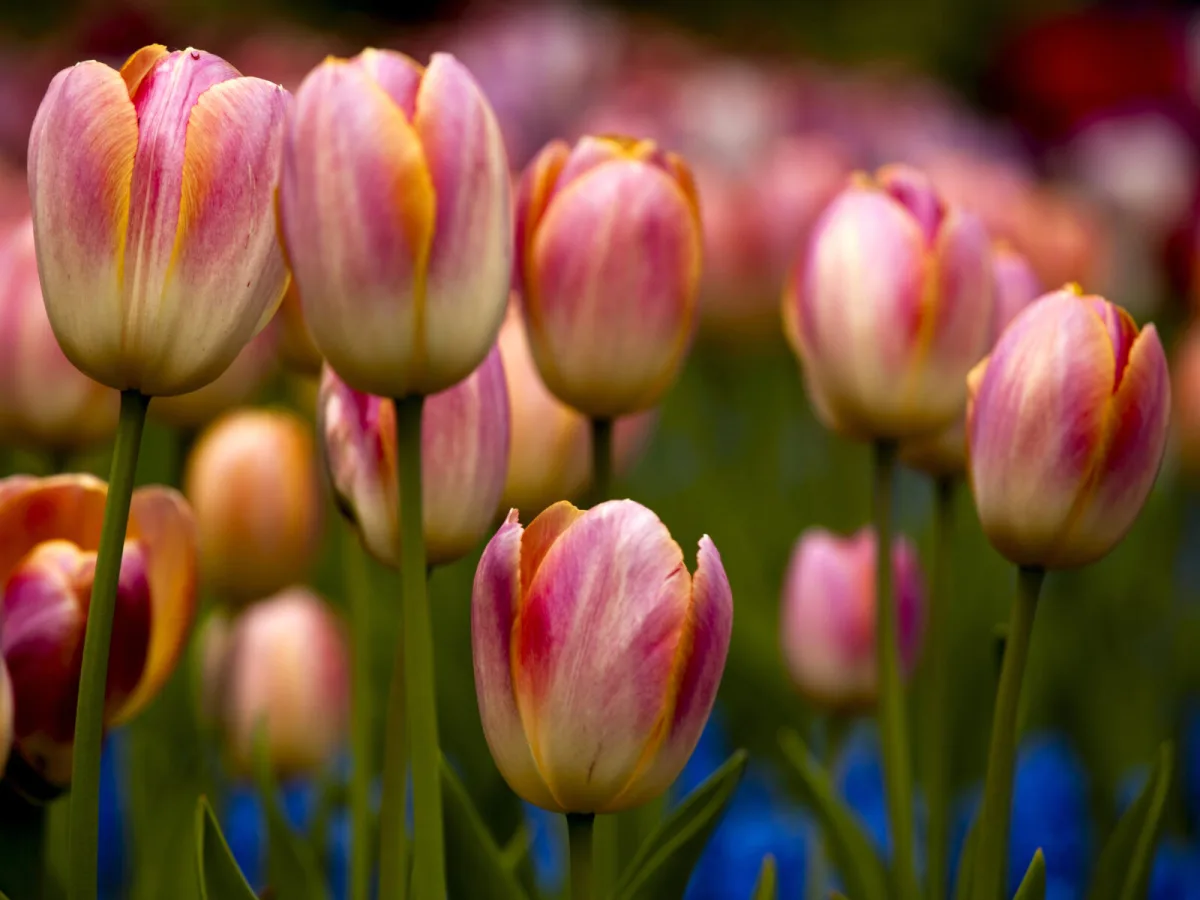
Tulips, daffodils, summer snowflakes and snowdrops may finish flowering as early as spring, but that doesn’t mean the care is over. The ideal time to lift the bulbs is when the foliage naturally dies back and begins to yellow. That’s when stored nutrients move from the leaves back into the bulb, and the plant builds reserves for the next season. If you lift at the right moment, you’ll end up with firmer, more vigorous bulbs that re-root more easily and are more likely to flower well.
At the same time, it pays not to leave it too late. If early summer turns out cool and rainy, some bulbs can become active again and start producing roots. In that situation, it’s often wiser to leave them in place and postpone lifting until the following year so the plant isn’t unnecessarily weakened.
Why it’s worth lifting bulbs now and then
Many early-flowering types can grow in the same spot for several years, yet for a number of bulbs, regular lifting, sorting and replanting pays off in the long run. This is especially true for tulips, which tend to work their way deeper into the soil over time. After a few years they can easily end up more than ten centimetres lower than where they started, which makes them harder to find and can hinder growth.
With large-flowered modern tulip cultivars and often daffodils too, the nutrients in the surrounding soil can be depleted more quickly. By the second or third year the plants may weaken and flowering is usually poorer. With hyacinths, the most reliable route to regular flowering is often considered annual lifting and replanting, so they don’t gradually fade away and lose strength.
How to mark the planting spot and avoid damaging bulbs
A common mistake is waiting until the foliage has completely dried up. Once the leaves disappear, it can be difficult to pinpoint exactly where the bulbs are. It’s practical to mark the spot while the leaves are still green and easy to see. Once the foliage has died back, you’ll know exactly where to dig, and you’ll greatly reduce the risk of slicing into a bulb or missing it altogether.
When lifting, it’s safer to push the spade in deeper than the original planting depth. Tulips in particular may be much deeper in the soil than you’d expect. Careful lifting matters because damaged bulbs store reserves poorly and are more prone to rot.
Cleaning and sorting after lifting
After lifting, brush off excess soil and sort bulbs by size and condition. Strong, firm bulbs are the most valuable for future growing because they typically produce more flowers and cope better with the stress of transplanting. Soft, damaged or suspicious bulbs should be discarded so problems don’t spread through the whole planting. Sorting also helps you plan replanting so plants have enough space and don’t exhaust themselves in overcrowded clumps.
Storage by species is what decides success
Summer snowflakes and snowdrops can’t stand drying out
Summer snowflakes and snowdrops have delicate, thin protective scales, so they lose moisture quickly. After lifting, protect them from drying out, keep them in a cooler, more humid environment, and ideally replant as soon as possible. Long storage in dry conditions is risky for them and often shows up as weaker growth or poor establishment.
Tulips, daffodils and hyacinths tolerate drier storage
Tulips, daffodils and hyacinths have a tougher outer skin, so they cope much better with short-term summer storage in drier conditions. A dry place at roughly 15 to 20 °C generally suits them, where they can remain until autumn planting. Even so, it only makes sense to store bulbs that are healthy, undamaged and properly mature.
Autumn planting and soil temperature as natural protection
The planting date also strongly affects bulb health. As prevention against certain soil-borne diseases, it works well to plant only once soil temperature drops below 10 °C. In cooler soil, some pathogens are less active, and bulbs still have time to form roots before winter without unnecessary disease pressure.
Unusually coloured tulips may indicate a virus
If stripes or blotches appear on tulips that were originally a single colour and the flower suddenly looks variegated, it may be a viral disease. These blooms can look attractive, but it isn’t an intentional colour variation. It’s also worth knowing that such viruses often don’t dramatically reduce bulb size or flowering, but it’s sensible to keep an eye on the situation and handle suspected material carefully.
Why daffodils sometimes don’t flower and what to do
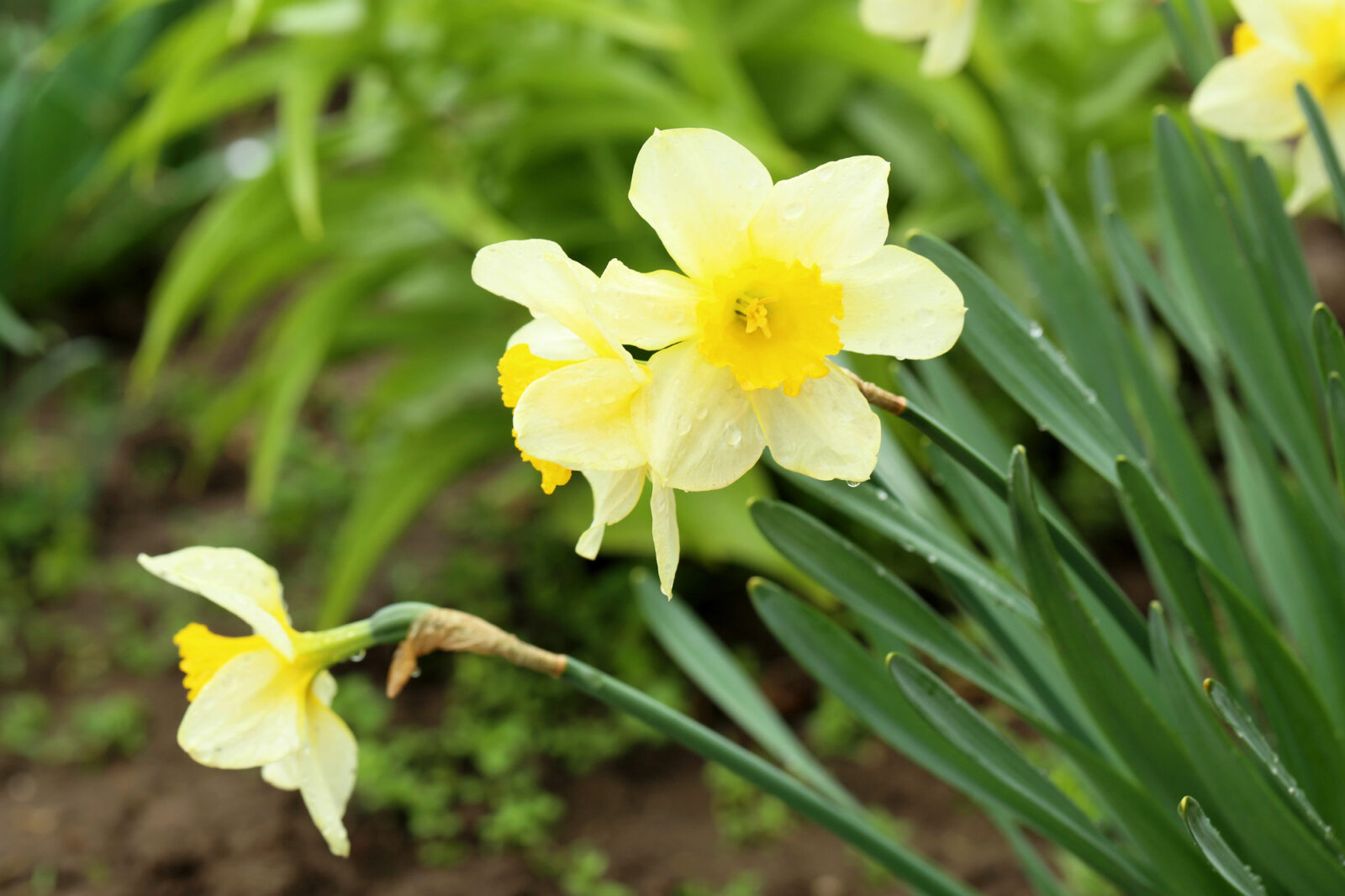
Some daffodil varieties are well suited to being left in place to naturalise, for example in a lawn. But it isn’t universally true. When daffodils form bulbs that look healthy but flowers don’t appear, the culprit may be the narcissus bulb fly. It occurs in both a larger and smaller form, and its larvae damage the centre of the bulb, the part from which the flower stem develops. From the outside, a bulb can look fine for a long time, yet the following season no bloom comes.
But the cause can also be much simpler. Bulbs often stay in one spot for too long, multiply into dense clumps, and the individual bulbs gradually become smaller. Weaker bulbs then don’t have enough reserves to produce flowers. In tulips this is typical, because reliable flowering mainly comes from strong bulbs that can produce more than two leaves. Dividing, replanting, and replenishing both space and nutrients helps plants regain strength and set more flowers again in the years ahead.
Practical advice to finish
When lifting bulbs, it’s best to work calmly and thoughtfully. Wait until the leaves have transferred their reserves back into the bulb, but mark the spot before the foliage dies back so lifting is accurate and gentle. At the same time, don’t postpone the job unnecessarily long, because in a cool, wet summer bulbs may wake up and start rooting. If they are already producing new roots, it’s usually better to leave them in the ground until the next year and support them with feeding, for example with a balanced granular or liquid fertiliser, so they have something to draw on and don’t weaken needlessly.
Source: Gardenary, The Spruce, Pestrazahrada.cz

A lover of nature, gardens, and everything that moves, blooms, or grows. He literally grows everything, from herbs to rare species, and he enjoys caring for animals just as much. In his work, he connects modern technology with tried-and-tested grandmotherly methods and is happy when both paths lead to the same goal.
Related articles
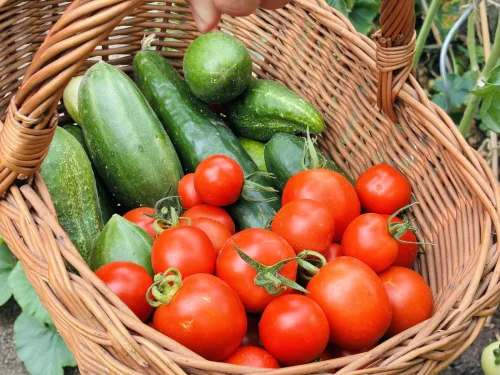
The More Often You Harvest, the Longer Plants Keep Cropping
With fruiting vegetables, frequent picking keeps plants flowering and producing for longer. A few crops, such as aubergines, are tastiest when harvested slightly earlier rather than fully mature.
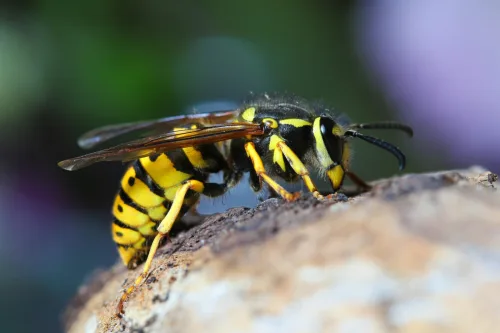
Wasps Aren’t Just a Barbecue Menace They Can Ruin Your Garden Woodwork Too
Weathering isn’t always the main culprit behind damaged outdoor timber. Wasps can scrape fibres from boards and beams surprisingly fast, leaving grooves that soak up water and accelerate decay.
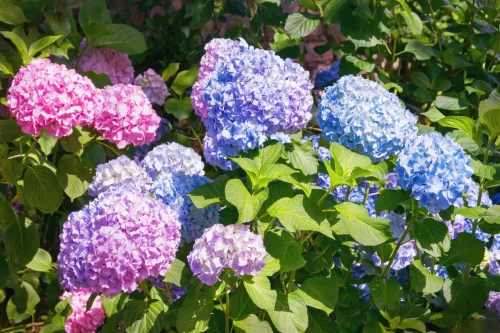
Why hydrangeas wilt in summer even when watered and how to save them fast
Hydrangeas can look limp in hot weather even if you’ve been watering faithfully. The key is to check what’s happening in the root zone, then adjust watering, shade and mulching so the plant can actually use the moisture available.
Comments (0)
Be the first to comment.