
 English
 Polski
 Deutsch
 Nederlands
 Svenska
 Norsk
 Dansk
 Français
 Italiano
 Español
 Português
 Slovenčina
 Suomi
 Gaeilge
Brown Tips on Monstera Leaves Reveal the Winter Problem Plaguing Most Homes
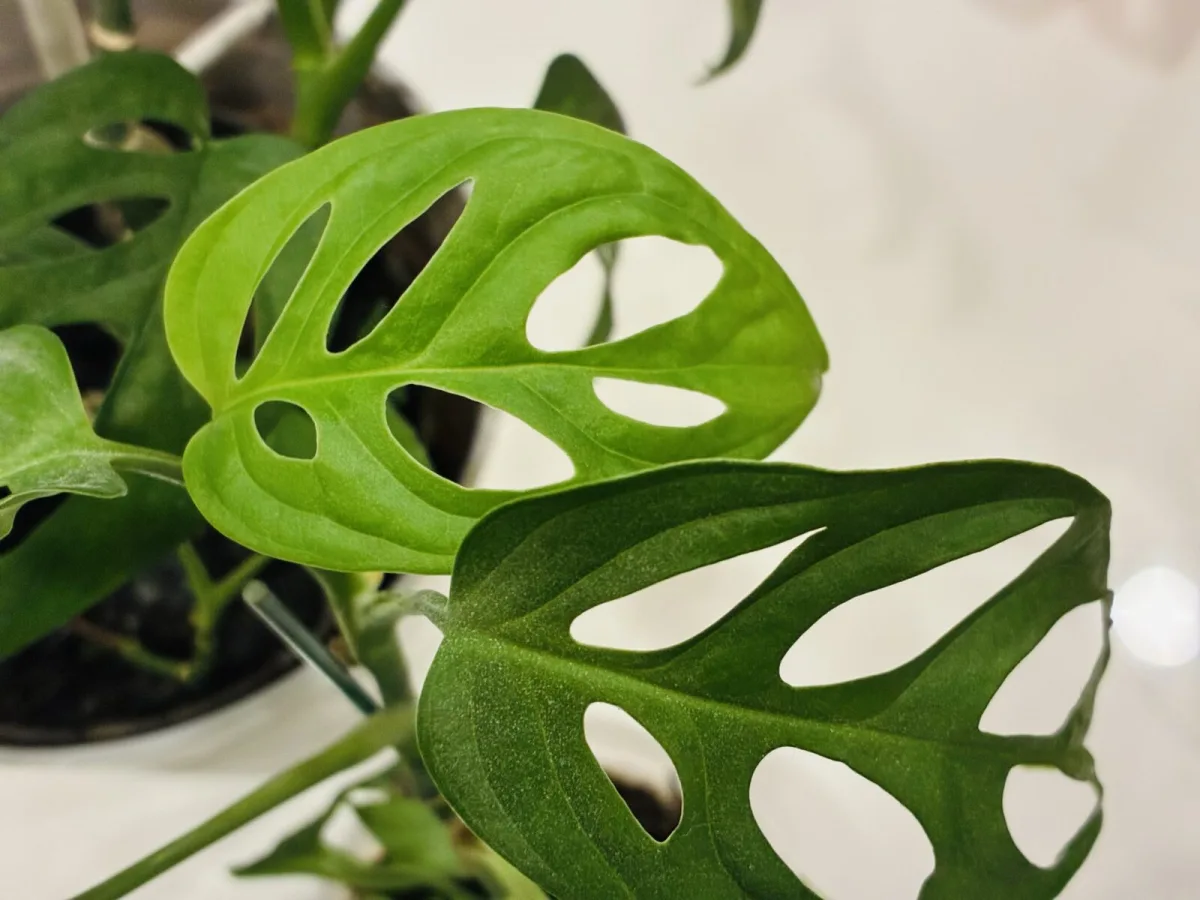
Monstera adansonii, known as Monkey Leaf, is one of those standout houseplants that has become popular for its perforated leaves and exotic look. It comes from the tropical regions of Central and South America, where it naturally grows in rainforests and along rivers. In those habitats it enjoys humid air, humus-rich soil and a slightly acidic environment, which is a good clue to the conditions it will appreciate at home, too.
Unlike some of the larger monstera types, this form is more compact, so it suits smaller flats and rooms beautifully. Even so, it keeps the classic vine-like character and, with good care, produces long shoots that will climb a support or trail from a pot.
What the plant looks like and what makes it special
The greatest feature of this monstera is undoubtedly its leaves. They are smaller than those of the classic large monsteras, commonly reaching around 30 cm across, and they develop striking holes within the leaf blade. These openings usually don’t extend all the way to the edge, which is what sets Monkey Leaf apart from other types.
The plant has a climbing to trailing habit. Given a support, it will grow more upright and look fuller. Without support it’s ideal for hanging pots, where the stems cascade elegantly. In ideal conditions it may even produce white flowers wrapped in a spathe, but even without blooms it’s an exceptionally decorative houseplant.
Where to place your monstera
Monkey Leaf needs the brightest spot you can give it, but it can’t tolerate harsh, direct sun. It does best in bright, indirect light. It will survive for a while in a shadier corner, but growth will be slower and the leaves won’t look as good.
Temperature matters too. This plant is happiest year-round at roughly 18 to 29 °C. Cold below 10 °C can damage it, so don’t leave it in draughts or right up against a cold window. In summer you can move it outdoors, but only to a sheltered spot away from direct midday sun.
The right potting mix and repotting
For healthy growth, a light, airy, free-draining mix with a higher humus content is essential. A compost-based houseplant mix works well when improved with material that helps excess water drain away, such as clay pebbles (LECA). A slightly acidic pH helps mimic tropical forest conditions.
Repotting is usually needed about once every three years, or when roots are growing out of the bottom of the pot and the plant stops taking up water well. Spring is the best time. The new pot should be only a little larger than the original, around 5 cm wider in diameter. It’s a good idea to add a drainage layer of clay pebbles to the bottom to help prevent waterlogging. After repotting, water thoroughly and return the plant to its original place. It’s best to skip feeding for a few weeks.
Practical tip: a larger pot will encourage stronger growth, while a smaller pot helps keep the plant more compact.
Watering and everyday care
Monstera adansonii isn’t a demanding houseplant, but it reacts quickly to watering mistakes. It doesn’t tolerate long-term waterlogging or bone-dry compost. The best approach is to let most of the root ball dry out between waterings, then water thoroughly so excess runs out through the drainage holes.
If the plant is growing well, it also needs regular nutrients. During active growth, feeding about once a week with a fertiliser for leafy houseplants is beneficial. In winter, feeding once a month is usually enough.
Pruning and shaping
Regular pruning isn’t necessary, but it can help create a denser, neater plant. If a shoot becomes too long or spoils the shape, you can cut it back without any trouble. The cut pieces are also useful for propagation. Aerial roots should not be removed, though. When they reach the compost, it’s better to guide them into the potting mix, where they help the plant take up moisture and nutrients.
Air humidity and brown leaf tips
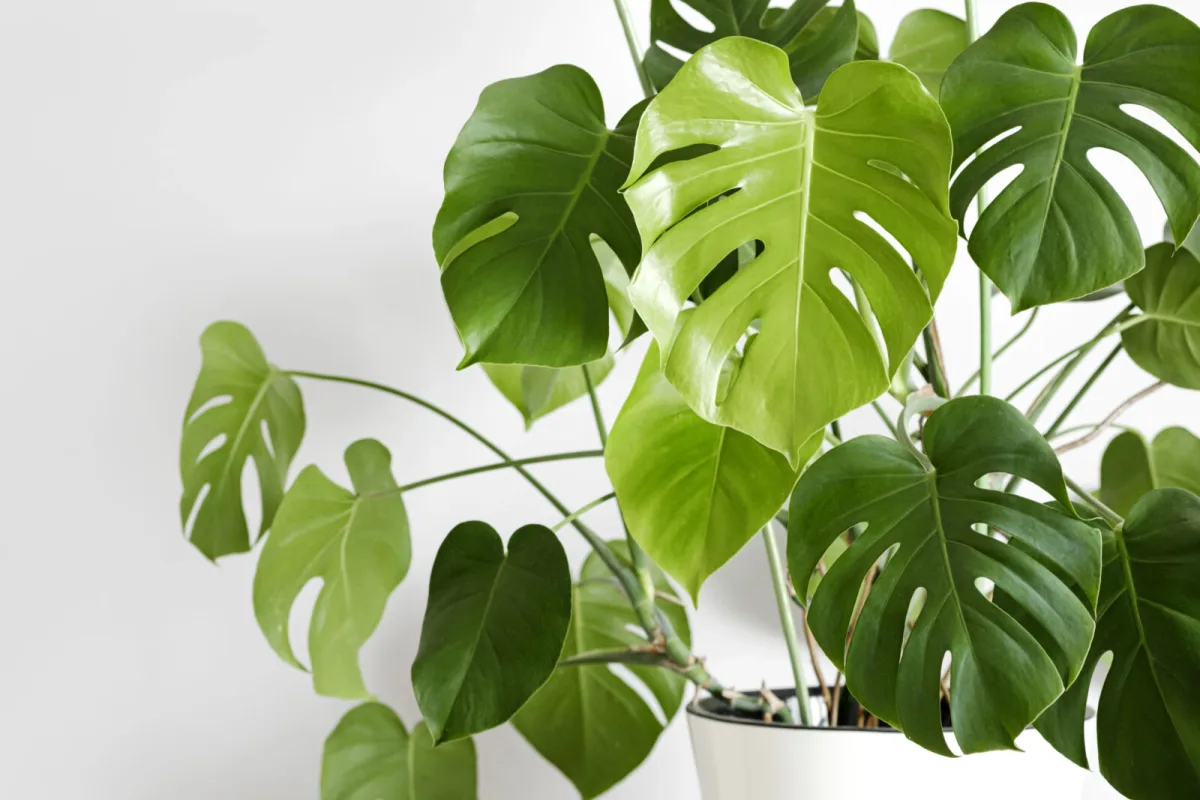
In winter, the problem is often dry air, which commonly shows up as brown tips on the leaves. Regular misting can help, ideally at least once a week. Another option is to stand the pot on a tray of pebbles and water, making sure the base of the pot isn’t sitting directly in water. As the water evaporates, it increases humidity in the plant’s immediate surroundings.
A bathroom or kitchen can be an excellent location, as the air tends to be naturally more humid. If there’s also enough light, your monstera can thrive there.
How to propagate Monkey Leaf
Propagating this monstera is fairly easy, which is why it’s popular with beginners. Most often, stem cuttings about 15 to 20 cm long are used; they must have at least one node and ideally a leaf. The node is exactly where the plant forms new roots.
You can plant the cutting into a moist mix of fine compost and a smaller proportion of sand. The node should be below the surface, while the leaf remains above the compost. The second option is rooting in water. It’s best to change the water regularly, about twice a week. Once the cutting starts to grow and has developed enough roots, it can be potted up into a standard mix.
Home propagation isn’t just a way to get more plants for free. It’s also a lovely way to swap your home-grown young monsteras with friends or expand your own indoor jungle.
What to watch out for
Important warning: all parts of this plant are toxic. It must be kept out of reach of small children and pets. Take care when pruning and repotting too, as the sap can cause skin irritation in more sensitive people.
If you provide bright light without harsh sun, sensible watering, an airy potting mix and higher humidity, it will reward you with fast growth and leaves that instantly draw the eye. Monkey Leaf is a brilliant choice for anyone who wants a tropical feel indoors without complicated care.
Source: Plantura Magazine, RHS , Pestrazahrada.cz

A nurse by profession, she is passionate about healthy living, nature, and everything that benefits both people and the world around them. In her free time, she enjoys gardening, cooking, sewing, and caring for her family. In her articles, she loves combining professional expertise with practical experience from the garden and everyday life.
Related articles
How to Grow a Heavy Tomato Harvest Every Year in Twelve Simple Steps
A reliable tomato crop comes down to a handful of proven habits repeated through the season. Follow these 12 steps—from sowing and spacing to watering and picking—to harvest healthier plants and more fruit every year.
Why Isn’t Your Poinsettia Turning Colour
Poinsettias can be kept for another season, but poor handling in the cold and too much light in autumn often stop the bracts from colouring up. Learn how to choose a healthy plant, care for it through winter, and trigger colour again next year.
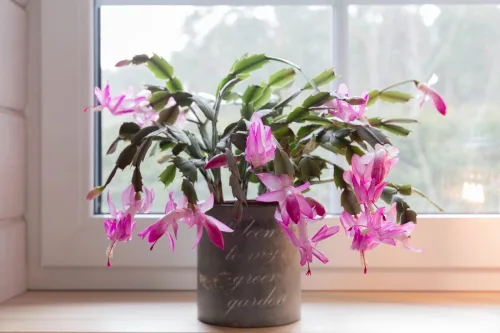
How to Prepare a Christmas Cactus in November for Spectacular Winter Blooms
November is the key month for setting buds on a Christmas cactus. With long, uninterrupted nights, cooler temperatures, and steady watering, you can encourage reliable winter flowering.
Comments (0)
Be the first to comment.