
 English
 Polski
 Deutsch
 Nederlands
 Svenska
 Norsk
 Dansk
 Français
 Italiano
 Español
 Português
 Slovenčina
 Suomi
 Gaeilge
How to Cut Heating Bills Without Freezing at Home
As frosty days arrive, many households start asking the same question: how do you keep a flat or house comfortably warm without energy bills putting unnecessary strain on the family budget? The good news is that saving on heating doesn’t have to mean shivering. Often, just a few simple changes, the right radiator settings, and reducing the places where precious heat escapes can make a big difference.
Save on heating, yes, but not at the expense of your health
In winter, it’s important to think not only about energy costs, but above all about health. Spending long periods in a cold environment can increase health risks, especially for older people, young children, and those with chronic illnesses. Low temperatures can worsen respiratory and cardiovascular conditions and contribute to other health complications.
In living areas, it’s generally recommended to keep the temperature roughly between 20 and 22 °C; bedrooms can be a little cooler. For healthy adults, a lower temperature may be acceptable, but it shouldn’t drop below 18 °C for long periods, particularly where more vulnerable people are concerned.
If it isn’t possible to heat the home to the ideal temperature, layering up helps: warm socks, jumpers, or blankets. It’s also important to move regularly, eat properly, and drink enough fluids.
During severe frosts, don’t forget older relatives and neighbours. A quick visit or phone call can reveal that their home is too cold, they’re running low on medication, or they need help with shopping.
Stop heat loss around windows and doors
One of the easiest ways to cut heating costs is to prevent unnecessary heat loss. Older windows, draughty doors, or gaps around frames can be the cause of uncomfortable cold air movement.
Self-adhesive draught-proofing strips, door thresholds with brush seals, or textile draught excluders can help. These are relatively inexpensive measures that you can often do without a tradesperson.
Curtains and blinds also play a big role. On sunny winter days, it’s worth leaving them open so the sun can naturally warm the interior. In the evening, drawing heavier curtains helps reduce the chill coming off the windows.
Just be careful with curtains that hang over radiators. They can block heat from circulating into the room and reduce heating efficiency.
It’s important not to block ventilation vents, especially in homes with gas appliances or other equipment that needs an air supply. Saving energy must never compromise safety.
The right room temperatures can save you money
Many households heat every room to the same temperature, even though it isn’t necessary. You need a different temperature in the living room than in the bedroom, and another again in the hallway.
As a rough guide, you can use the following:
-
Living room: 20–22 °C
-
Bedroom: 17–19 °C, depending on health and comfort
-
Kitchen: 18–20 °C
-
Bathroom: 22–24 °C when in use
-
Hallway: about 15–18 °C, as long as it doesn’t create damp problems
These figures are only indicative. In households with small children, older people, or anyone who is unwell, you’ll need to adjust temperatures to their needs.
Dropping the temperature by just one degree can, depending on the building type and heating system, save several percent. There’s no need to heat the whole flat to 24 °C if everyone feels comfortable at a lower temperature.
At the same time, it’s not a good idea to let unused rooms go completely cold for long periods. Temperatures that are too low can encourage condensation and mould.
Thermostatic radiator valves and smart thermostats help control consumption
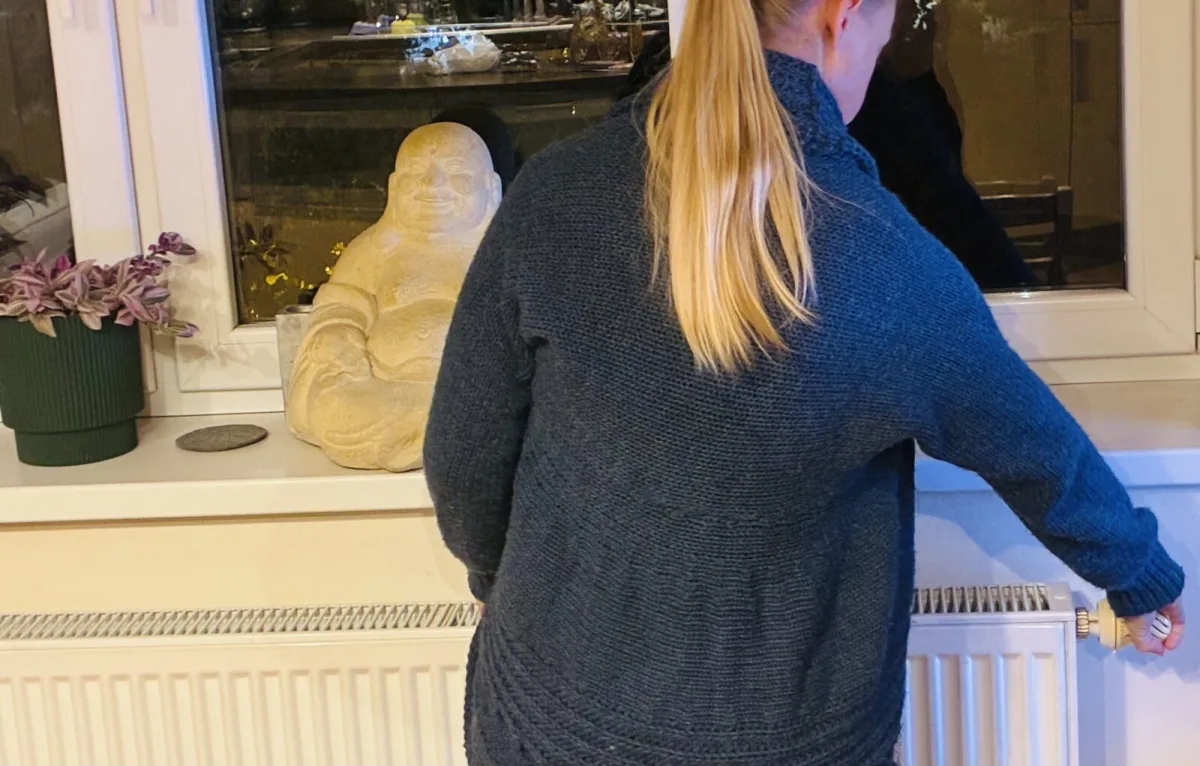
If your radiators have thermostatic valves, it’s worth learning how to use them properly. They allow you to regulate temperature room by room and prevent unnecessary overheating.
More modern homes can use programmable or smart thermostats. These can automatically lower the temperature, for example while everyone is at work or school, and raise it again before you return.
Whether it’s better to maintain a steady temperature or reduce heating while you’re out depends on the type of building and heating system. An older, poorly insulated house with radiators behaves differently from a new build with underfloor heating or a heat pump.
With condensing gas boilers, correctly setting the flow temperature can improve efficiency. However, settings must be tailored to the specific system and the manufacturer’s recommendations.
Don’t cover radiators with furniture or long curtains
A large sofa pushed right in front of a radiator, or a cupboard covering a heater, can seriously reduce how well heat spreads through the room.
Radiators need enough clear space around them. If they’re boxed in by furniture, some of the heat builds up behind it and the room may warm up more slowly.
For radiators on uninsulated external walls, special reflective foil can help in some cases. Its benefit depends on the wall construction and how well it’s installed.
It’s also worth checking that radiators are heating properly. If the top is cold and the bottom is warm, they may need bleeding. In apartment blocks with central heating, follow the building manager’s instructions.
Vent briefly and thoroughly, not with a window left on the latch all day
A common winter mistake is leaving a window slightly open for long periods. The constant heat loss then has to be replaced by the heating system.
More effective is short, intensive ventilation several times a day, ideally by opening windows wide. How long to air depends on outdoor temperature, humidity, and room size. In freezing weather, a few minutes can be enough.
Regular ventilation helps remove moisture from cooking, showering, or drying laundry. If humidity lingers indoors, water can condense on cold walls and mould can gradually develop.
In homes with mechanical ventilation, follow the operating recommendations for the system.
Use electric fan heaters sensibly
An electric fan heater can be a practical solution if you need to raise the temperature briefly in just one room. But it doesn’t automatically mean lower costs.
A typical 2,000-watt fan heater uses 2 kWh of electricity when running for an hour at full power. At a price of 6 CZK per kWh, one hour costs about 12 CZK. A few hours a day can quickly become a noticeable expense.
A fan heater must stand securely, at a safe distance from curtains, furniture, and other flammable materials. It should be plugged directly into a suitable socket, not into an overloaded extension lead. Never dry clothes on it and never leave it unattended.
With gas heaters, boilers, and other combustion appliances, regular servicing, proper ventilation, and a working carbon monoxide detector are essential.
Never use a gas hob, oven, or outdoor barbecue to heat your home. There’s a risk of fire and poisoning from dangerous fumes.
Warm clothing and small changes improve comfort
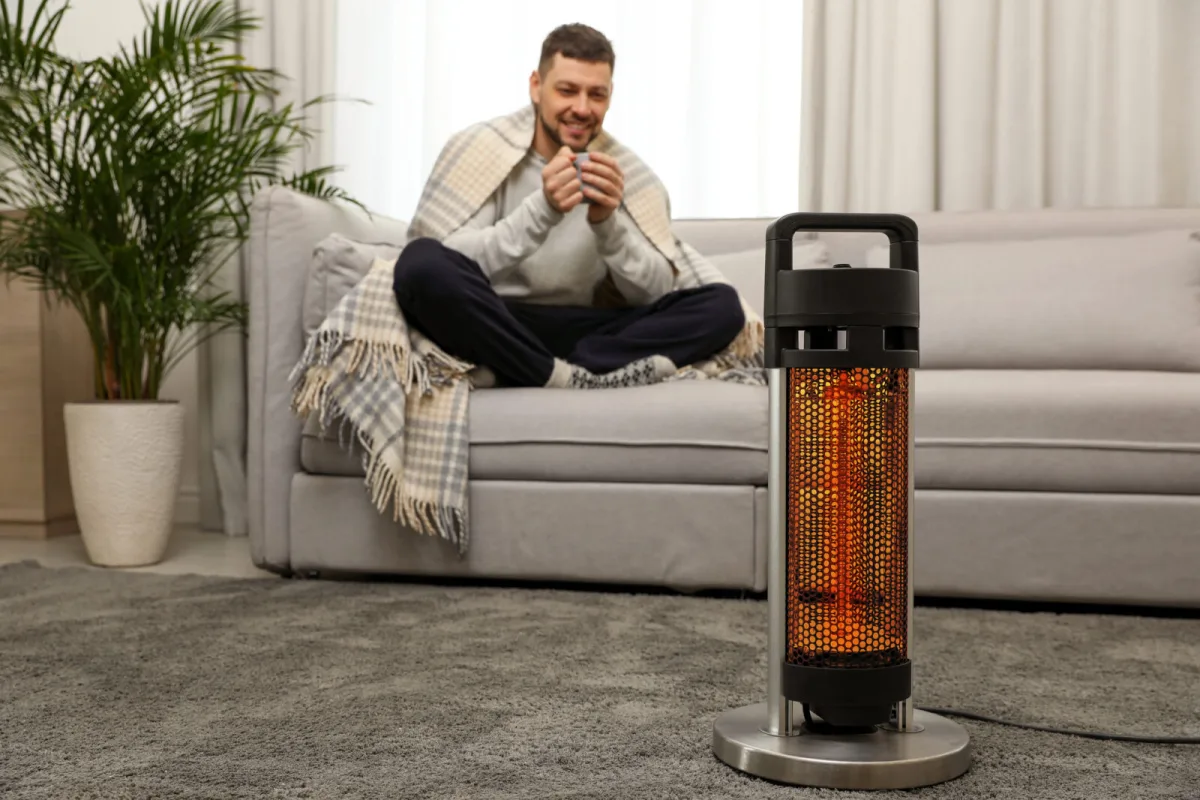
Feeling warm doesn’t depend only on air temperature. The right clothing and a few interior tweaks can make a big difference too.
Rugs and floor runners help on cold floors, especially in older flats with uninsulated floors. If you sit for long periods at a computer or watching TV, it pays to have a blanket and warm socks within reach.
Electric heated throws or heat pads can also be useful. However, you must follow the manufacturer’s instructions, check the condition of power leads, and never use damaged products.
You can also save in the kitchen and bathroom
Energy bills aren’t just about heating. A significant share of household consumption comes from water heating, cooking, laundry, and running appliances.
When cooking, it helps to use lids, match pot size to the hob, and heat only as much water as you need. For smaller portions, a microwave or an air fryer may be more efficient than a large electric oven.
It’s best to run the washing machine and dishwasher with an appropriate load and use eco programmes. For normally soiled laundry, washing at 30 °C can be enough, as long as the fabric type and hygiene requirements allow it.
Significant savings also come from shorter showers, a water-saving shower head, and fixing dripping taps.
Households on a dual-rate electricity tariff can shift some usage into the off-peak period. Check the exact times with your distributor.
Where to ask for help paying energy bills in the Czech Republic
If a household is no longer managing payments for electricity, gas, or heating, it shouldn’t put the situation off. The first step is to contact the energy supplier and try to agree on an individual solution.
Some suppliers allow repayment plans or an adjustment of advance payments. However, there is no automatic entitlement to this and it depends on your specific circumstances.
Support may also be available through the Labour Office of the Czech Republic. In the Czech social support system, there are benefits that, if legal conditions are met, can help low-income households cover basic living needs and housing costs.
In exceptional situations, emergency assistance may also be an option. The Labour Office decides on this based on the specific circumstances and legal conditions.
People in difficult financial situations can also contact the social department of their local council, citizens’ advice centres, or non-profit organisations such as Caritas Czech Republic.
Long-term reductions in a home’s energy demand can also be supported by grant programmes aimed at insulation, window replacement, and heating modernisation. Current conditions are best checked on the official website of the New Green Savings Programme.
The biggest savings come from combining several measures
Winter energy bills don’t have to be as high as they first seem. Sometimes replacing window seals is enough; other times it’s correct thermostat settings, moving furniture away from the radiator, or changing how you ventilate.
The most important thing is to look for savings that won’t compromise residents’ health or safety. The aim isn’t to keep your home as cold as possible, but to use the heat you produce as efficiently as possible. Even small measures can make a welcome difference to the household budget over the whole heating season.
Source: MPSV, UP ČR, Nová zelená úsporám, MPO, SZU, SFZP, BBC, Pestrazahrada.cz

A nurse by profession, she is passionate about healthy living, nature, and everything that benefits both people and the world around them. In her free time, she enjoys gardening, cooking, sewing, and caring for her family. In her articles, she loves combining professional expertise with practical experience from the garden and everyday life.
Related articles
A Tried and Tested Method for Hens That Helps Maintain Egg Production Through Winter
As the days shorten and temperatures drop, hens often lay fewer eggs. This traditional three-ingredient routine can help support vitality, digestion and overall resilience when the flock is under more strain.

Garden hoses can be troublesome after winter, check yours before turning on the water
Before you start spring watering, give your garden hose, fittings and outdoor tap a quick check. A few minutes now can prevent leaks, pressure drops and water damage later.
Comments (0)
Be the first to comment.