
 English
  Polski
  Deutsch
  Nederlands
  Svenska
  Norsk
Norsk  Dansk
Dansk  Français
  Italiano
  Español
  Português
  Slovenčina
  Suomi
Suomi  Gaeilge
 Garden hoses can be troublesome after winter, check yours before turning on the water
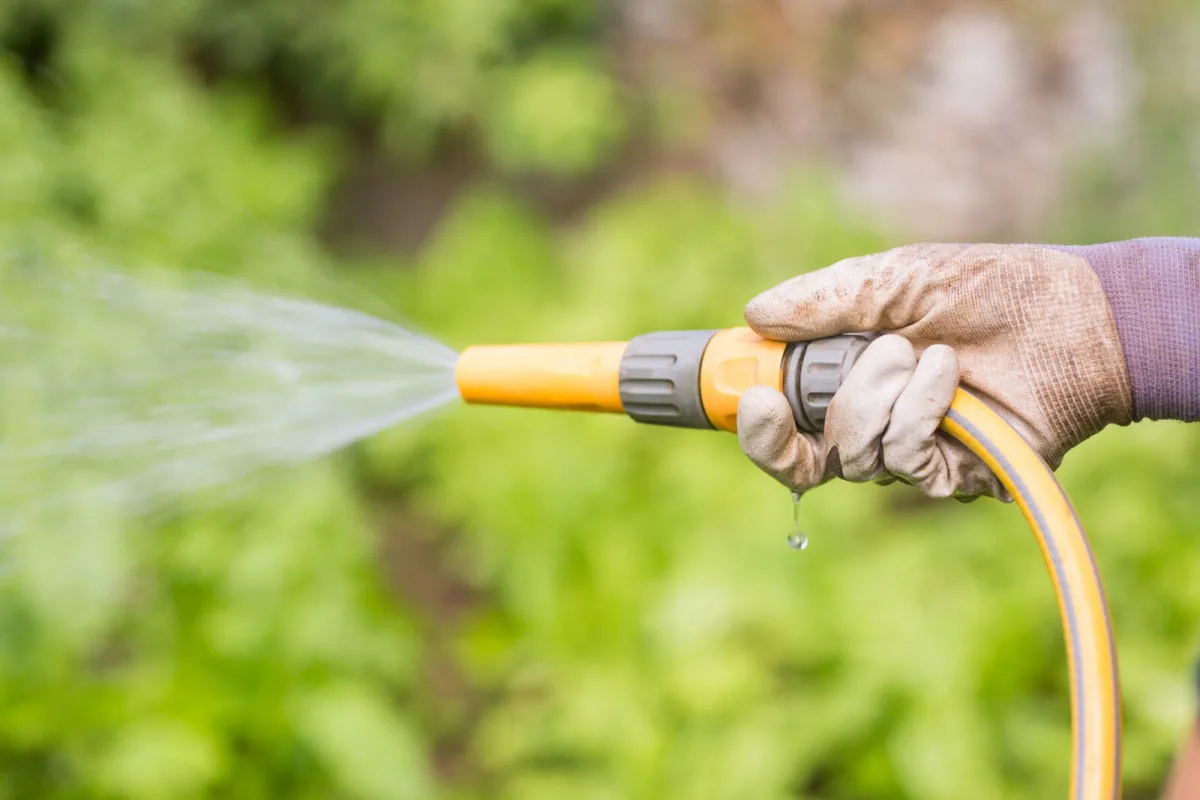
With the arrival of spring, most people get back to watering beds, washing the patio or filling rain barrels. Garden hoses and outdoor taps are put back to work after months of sitting idle. Right now is the best time to inspect your hose, even if it seemed fine at the end of summer. Winter can cause damage that only shows up the moment you turn the water back on.
Even small leaks or hairline cracks can, over time, lead to unnecessary water waste, reduced pressure and, in the worst case, damp structures, waterlogged ground around the house or damage to connected pipework. The check takes just a few minutes, but it can save you from unpleasant repairs in the middle of the season.
The most common problems that appear after winter
According to experts, typical spring issues are often the result of frost and long-term exposure to the elements. Cracks in outdoor water outlets are common, as are worn washers in connections or small leaks that aren’t visible at first glance and only show up once the system is pressurised. Weak or fluctuating pressure can also be linked to mineral deposits, blocked nozzles or gradual internal wear of the hose.
Materials age, too. Sunlight, temperature swings, moisture and mechanical stress gradually weaken the hose itself as well as quick-connect couplings and threaded fittings. The result is dripping, hissing at connections, deformed ends or poorer flow, which in season shows up as less effective watering and higher water use.
What to check before you turn on the water for the first time
Before you connect the hose and start watering, run your hands along its length and look for cracks, scuffs, thin spots or bulges that can indicate a weakened wall. Pay special attention to the sections near the ends, because that’s where the material is most stressed by bending and tightening.
Also check the outdoor tap and the connection. Warning signs include rust, green staining, obvious corrosion, damaged threads or a wobbly joint. The washers in quick-connect fittings and hose ends should be flexible and uncracked. If they look hardened or misshapen, water will leak under pressure even through an otherwise well-tightened connection.
How to test the hose safely
Turn the water on slowly. Watch for any drips, wet patches or a fine spray. Pay attention to pressure as well. If the stream is weak, intermittent or the pressure changes without an obvious reason, the issue may be in the hose, the connections, the nozzle, or possibly at the outdoor outlet itself.
After turning the water off, check whether the system continues to drip for a while. A brief run-off of leftover water can be normal, but prolonged dripping or a wet spot at the tap and fittings is a sign something isn’t sealing and it’s worth addressing before you start using the hose every day.
Which repairs you can do at home and when to call a professional
Many small faults can be fixed yourself. Often it’s enough to tighten connections, replace a worn washer, clean a clogged nozzle or swap out a damaged quick-connect coupling. If the hose is cracked in several places, has weakened walls or has clearly become brittle after winter, it’s usually more practical to replace it than to keep patching it.
It’s worth calling a professional when leaks keep returning even after replacing washers, when pressure fluctuates over the long term, or when you suspect internal damage, a cracked outdoor outlet or problems with pipework in the wall. Especially after hard frosts, a fault can be hidden inside and only reveal itself with longer use. Putting it off may mean gradual water damage to nearby structures.
How to prevent damage next winter
The key prevention is to winterise outdoor water lines. Before temperatures drop, disconnect the hose and drain it completely. Any remaining water can freeze, expand and cause the hose to split or damage the connected pipework. Ideally, store the hose somewhere it won’t be exposed to frost or sunlight, and keep it laid so it can drain freely.
At the same time, it’s worth shutting off the outdoor water supply if your installation allows, draining the irrigation system and protecting exposed sections of pipe with suitable insulation. These steps significantly reduce the risk of frost damage, and in spring it’s usually enough to reconnect the hose, check the fittings and you can start watering with confidence.
Source: BHG, Gardenly, Pestrazahrada.cz

A lover of nature, gardens, and everything that moves, blooms, or grows. He literally grows everything, from herbs to rare species, and he enjoys caring for animals just as much. In his work, he connects modern technology with tried-and-tested grandmotherly methods and is happy when both paths lead to the same goal.
Comments (0)
Be the first to comment.