
 English
  Polski
  Deutsch
  Nederlands
  Svenska
  Norsk
Norsk  Dansk
Dansk  Français
  Italiano
  Español
  Português
  Slovenčina
  Suomi
Suomi  Gaeilge
 Homemade Aronia Liqueur as a Fragrant Store of Vitamins for Winter
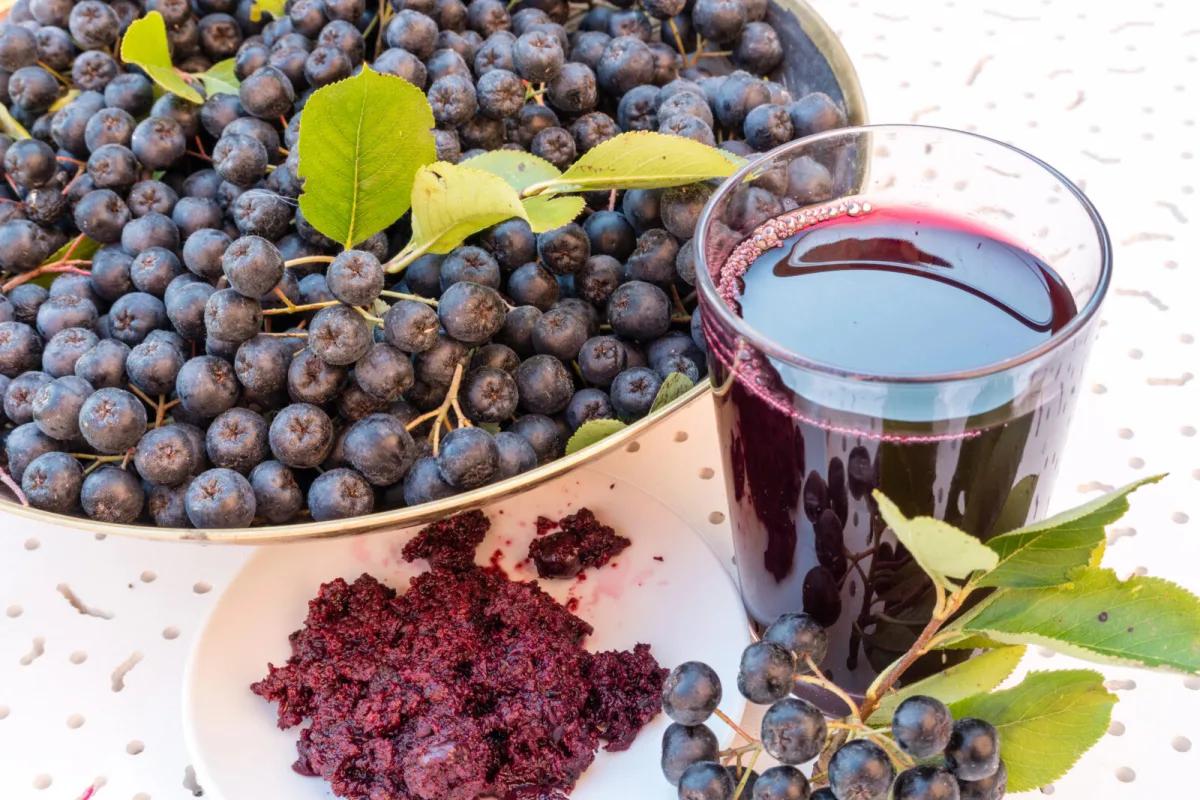
Black chokeberry, also known as aronia, is one of those fruits you often notice only when the shrub is laden with dark berries at the end of summer and the leaves begin to turn vivid colours. Anyone who grows it usually knows it’s not just ornamental. Aronia is valued for the compounds that support the body, which is why it’s also ideal for homemade preserving. One of the most rewarding options is a liqueur, which is simple to make and, thanks to the alcohol, keeps for many months.
Why it’s worth making liqueur instead of jam
Aronia has a characteristically tart, astringent flavour that can remain very pronounced in some jams or jellies. That’s often the reason these preserves sometimes lose out at home to other, sweeter marmalades. In a liqueur, however, the astringency rounds out pleasantly, the aroma opens up, and the result is a drink that’s best sipped in small glasses while also serving as a practical winter standby.
The principle of preparation and why nothing is baked or cooked
The heart of the recipe is long steeping. The whole process takes roughly two months, but the hands-on work is minimal. The advantage is that the fruit is processed mostly cold, so there’s no unwanted loss of heat-sensitive compounds. The only regular task is to stir the mixture in the jar so the sugar dissolves more easily and the aromatic components are released evenly.
Ingredients you’ll need
The base is ripe aronia berries, sugar, water, and alcohol. The alcohol can be a smooth neutral spirit or rum, or a combination, depending on how pronounced you want the flavour. To balance the sweetness, a small amount of citric acid is often added as well. The amount of sugar can be adjusted; it commonly ranges from about 0.5 kg to 1 kg for the stated volume, depending on how sweet you like your liqueur.
Approximate ratios for making it at home
A practical, time-tested ratio is about 1 litre or 1 kilogram of aronia to 1 litre of alcohol. Then add a sugar syrup made from 1 litre of water and roughly 1 kilogram of sugar, or slightly less. If you’re working with rum, plan on about 700 ml, and you can top up with more to taste. Citric acid is added in a small amount, for example 1/2 teaspoon per litre of water.
Step-by-step method
First stage: steeping in alcohol
Rinse the berries and let them drain well. Then lightly crush them to break the skins so the juice releases more easily. Put the fruit into a large clean jar or bottle, pour over the alcohol, seal, and leave to stand for about 14 days. Gently stir the contents daily or carefully shake the container.
Second stage: with the sweet syrup
After two weeks, prepare a sugar syrup by boiling the water with the sugar. If you’re using citric acid, add it to the water as it comes to the boil or shortly afterwards. Let the syrup cool completely, and only then pour it into the steeped aronia. Seal again and leave for another roughly 14 days, again stirring daily.
Straining, bottling, and resting
Once the steeping is finished, strain the liqueur through fine muslin or a fine-mesh sieve so it’s clear and free of pulp. Then pour it into clean bottles and store in a cooler, darker place. The flavour often softens further with a short rest.
What aronia liqueur offers in winter
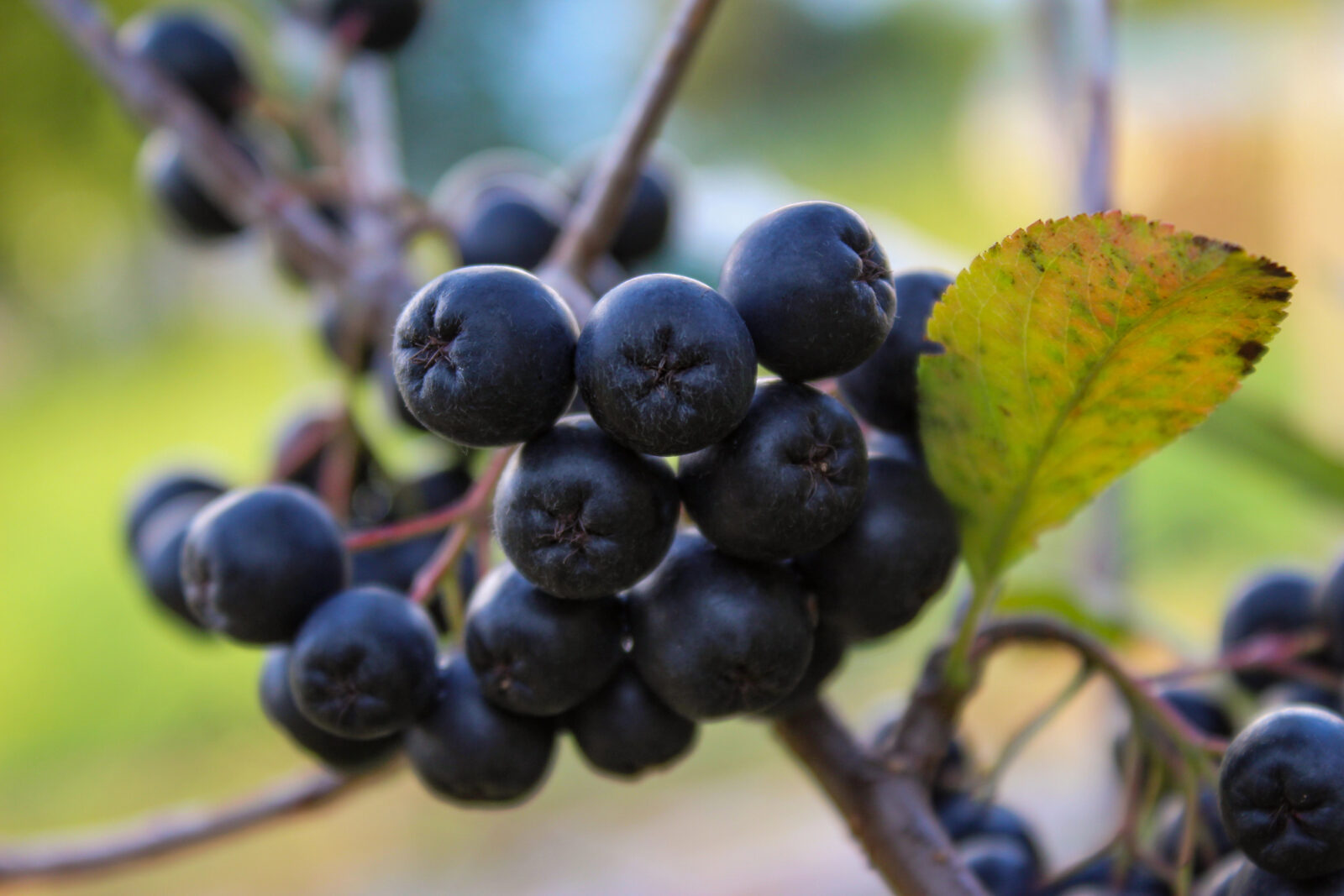
In the cold season, it’s nice to have something on hand that brings back a hint of summer while also giving the body a lift. Aronia is most often associated with its vitamin C content and rutin, which is frequently mentioned in connection with blood vessels. It also naturally contains minerals such as iron, iodine, fluoride, or manganese. Of course, the liqueur is alcoholic, so moderation is important, but a small glass can be a pleasant addition to winter evenings.
What to watch out for at harvest
Just before they fully ripen, the fruit can have one unexpected competitor. Starlings spot the dark berries easily and sometimes manage to “harvest” almost the entire shrub in a short time. If you know birds visit your garden, it’s worth using protective netting during ripening, often in the second half of August. That way you’ll have enough berries to make your liqueur, and the work you put into growing the plant won’t be wasted.
A quick practical summary
All you need to do is wash the aronia, lightly crush it, steep it in alcohol, then add the cooled sweet syrup and give it time. Daily stirring is a small effort that pays back in full flavour and balanced sweetness.
Source: Métis Foodiés, Aronia recipes, Levandule Petržílka, Pestrazahrada.cz

A lover of nature, gardens, and everything that moves, blooms, or grows. He literally grows everything, from herbs to rare species, and he enjoys caring for animals just as much. In his work, he connects modern technology with tried-and-tested grandmotherly methods and is happy when both paths lead to the same goal.
Related articles
Why the Tree That Feeds a Family for Generations Is Disappearing from Czech Gardens
The English walnut used to be a staple of larger gardens and farmyards, valued for its nutritious nuts and many practical uses. With the right site and variety, it remains one of the most rewarding long-lived trees you can plant.

How to Get Rid of Mice and Rats in the House, Loft and Garden Effectively
Mice and rats don’t leave quietly—scratching sounds, droppings and gnaw marks are clear warnings. A lasting solution comes down to three steps: block entry points, remove food sources, then use traps or professional control.
Two Mistakes When Harvesting Onions Can Cut Your Supply by Months
With good growing and the right handling, onions can turn into a near year-round pantry staple. These simple harvest and curing steps determine whether they keep for weeks or for months.
Comments (0)
Be the first to comment.