
 English
  Polski
  Deutsch
  Nederlands
  Svenska
  Norsk
Norsk  Dansk
Dansk  Français
  Italiano
  Español
  Português
  Slovenčina
  Suomi
Suomi  Gaeilge
 Geraniums in Heat Need Precise Watering to Keep Them From Wilting or Waterlogging
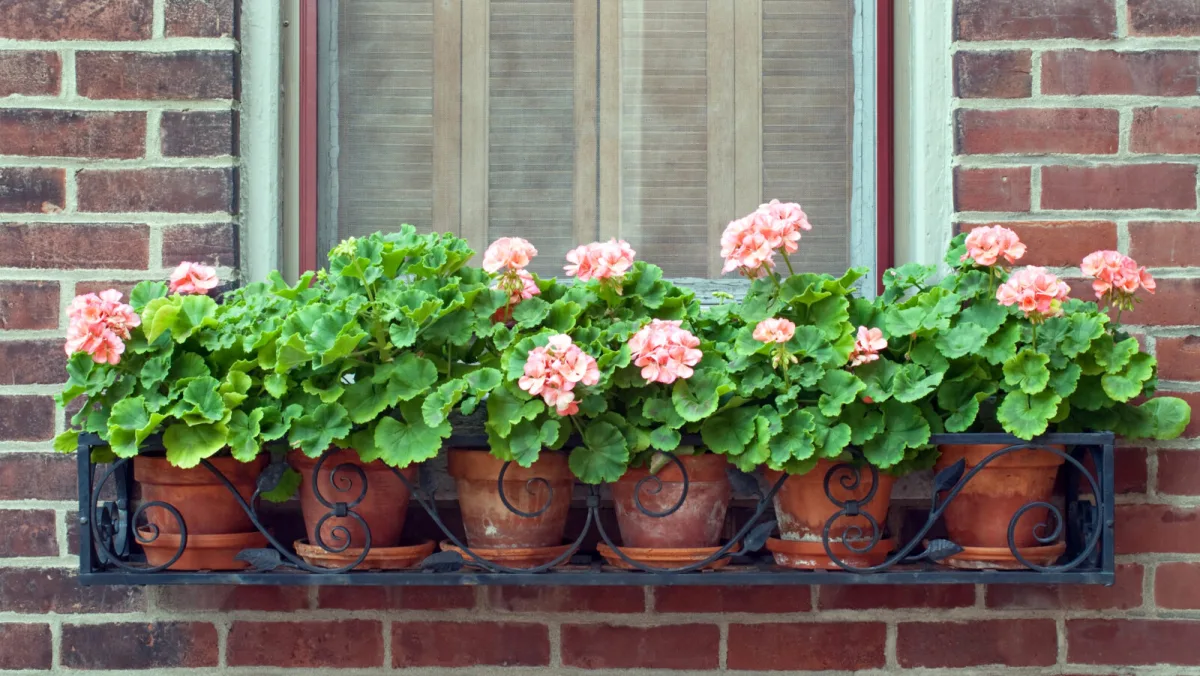
Geraniums are a staple on windowsills, balconies, and in patio containers. With their vivid colours and long flowering season, they can brighten up an entire home. But summer often brings the toughest test: high temperatures, fast-drying compost, and at the same time the risk of overwatering. Geraniums don’t tolerate prolonged drought, but they also hate constantly wet roots. Get the watering right and they’ll reward you with masses of blooms and sturdy leaves even on scorching days.
Start right at planting time
When planting, it’s important that the roots are thoroughly watered in. A generous first watering helps the plant settle quickly and kick-start growth. Once the geranium has established, it’s best to switch to a more moderate routine and adjust watering to current conditions. In heat and full sun, it will need more water than on cooler days or in shade. The goal is to keep the compost moist, but never waterlogged.
A simple finger test reveals the right moment
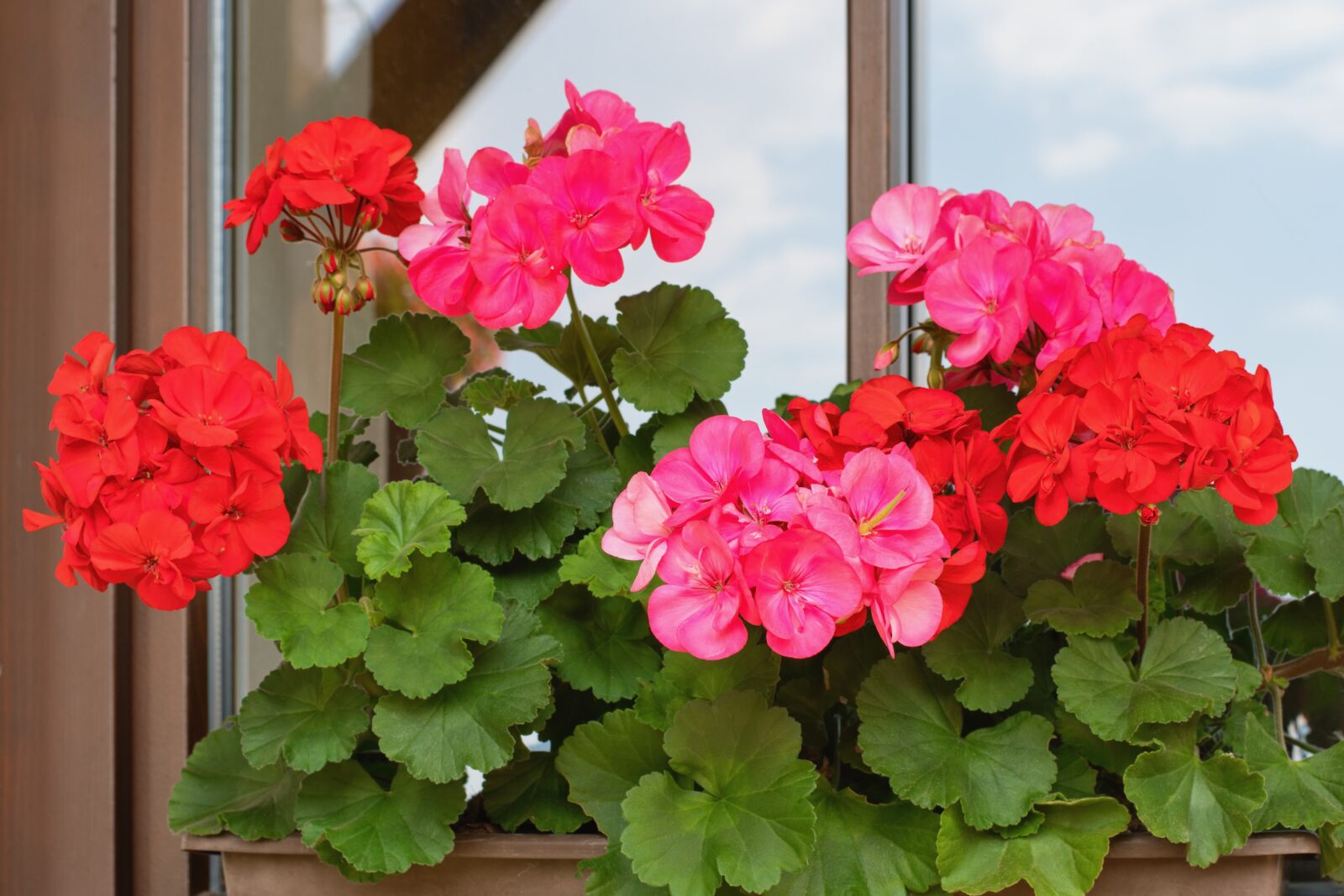
The most common mistake is watering by the calendar instead of by the condition of the soil. Geraniums do best when the top layer of compost is allowed to dry slightly between waterings. Overwatering is particularly risky in window boxes, where excess water has nowhere to go, and it can lead to root rot or fungal diseases.
A reliable guide is the finger test. If the compost is dry to a depth of about 2–3 cm, it’s time to water. If that layer still feels noticeably damp, it pays to wait another day.
When to water so the plant benefits and the leaves don’t suffer
The best time to water is early morning or evening. At these times temperatures are lower and water doesn’t evaporate as quickly, so more of it reaches the roots and the plant can use it efficiently. It also reduces the risk of sun damage to foliage, because droplets on the surface can act like tiny lenses in strong light.
Aim the water directly at the compost around the roots, not over the leaves and flowers. Checking drainage is just as important: containers should be able to shed excess water so roots aren’t left sitting in wet conditions for long periods.
Window boxes and pots dry out faster than garden beds
Geraniums grown in containers need more attention in summer than those planted in the ground. A smaller volume of compost warms up and dries out much faster, especially on a sunny balcony. In practice this often means watering roughly every two to three days, sometimes more often if it’s windy and temperatures stay high for long stretches. But the true deciding factor is always the actual condition of the compost, not a fixed interval.
A protective top layer on the surface can also help, slowing evaporation and reducing root overheating. The compost then holds moisture for longer and the plant copes better with weather swings.
Feeding supports flowers and boosts resilience
In hot weather, it’s not just about water, but also whether the plant has the resources to produce flowers. Fertilisers with a higher proportion of phosphorus and potassium typically encourage flowering and help geraniums handle stress from high temperatures. During the growing season, feeding about once every two weeks works well, ideally alongside watering so nutrients distribute evenly through the compost.
Too much nitrogen, on the other hand, mainly pushes leafy growth. The plant may look lush, but it flowers less and is often more sensitive to drought and sudden weather changes.
Adapt watering to the weather and watch water quality
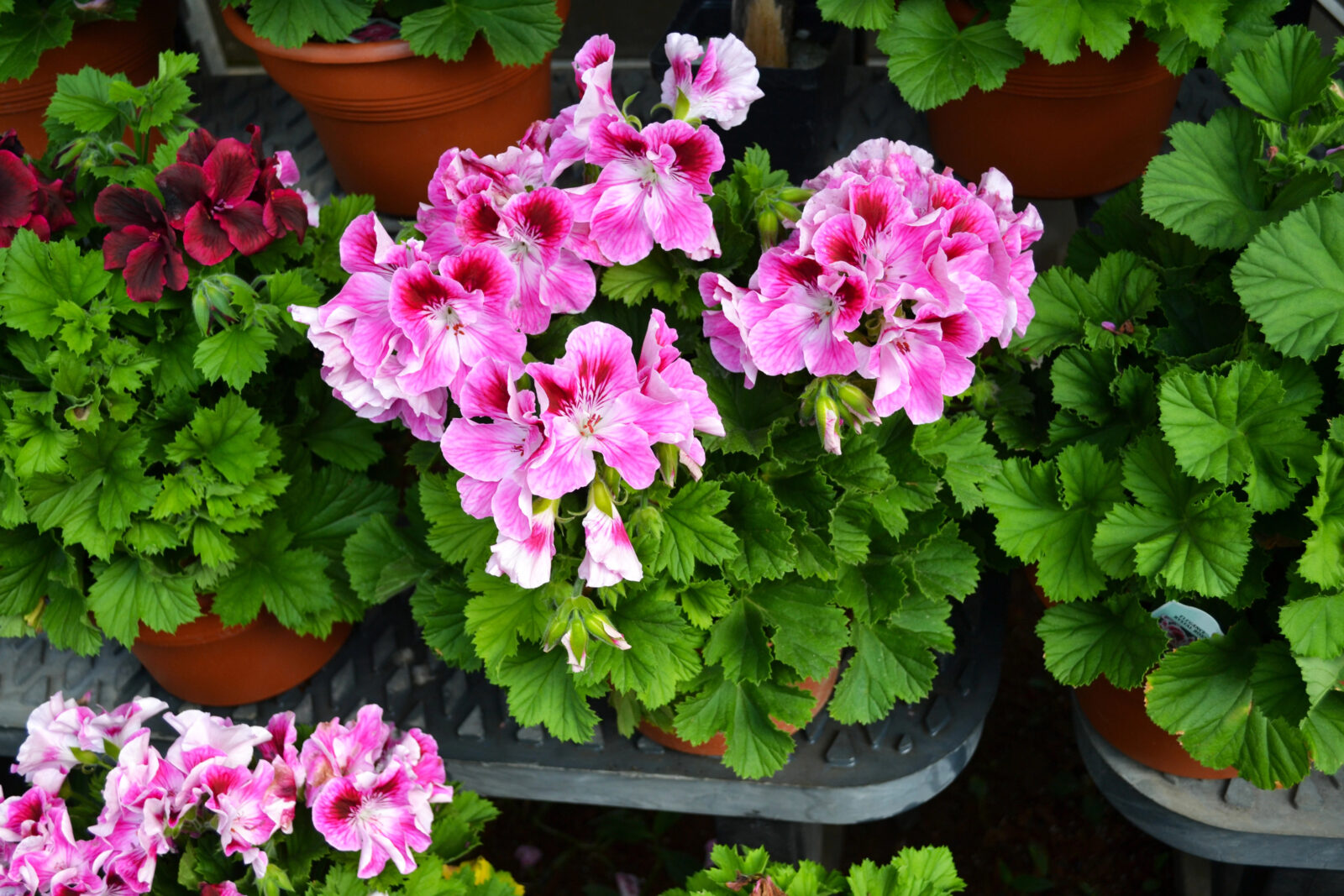
It’s worth watching the forecast and adjusting your watering accordingly. If heavier rain is expected, it’s better to cut back so the compost doesn’t become unnecessarily saturated. During prolonged dry spells, check moisture more often and respond before the geraniums start to droop.
The water itself matters too. If you have the option, rainwater is excellent for geraniums because it’s usually softer and doesn’t contain as many minerals as tap water. Plants generally take it up more readily, which is especially noticeable with regular summer watering.
It’s not complicated rules, but regular checking
Caring for geraniums in summer heat isn’t difficult when you stick to a few reliable basics. Check compost moisture, water in the morning or evening, and direct water to the roots. With containers, expect faster drying and give plants a balanced feed that supports flowering. If you also respond to the current weather, your geraniums will stay in good condition and keep blooming even when other plants struggle in the heat.
Source: Epic Gardening, My Geranius, Pestrazahrada.cz

A lover of nature, gardens, and everything that moves, blooms, or grows. He literally grows everything, from herbs to rare species, and he enjoys caring for animals just as much. In his work, he connects modern technology with tried-and-tested grandmotherly methods and is happy when both paths lead to the same goal.
Related articles
The More Often You Harvest, the Longer Plants Keep Cropping
With fruiting vegetables, frequent picking keeps plants flowering and producing for longer. A few crops, such as aubergines, are tastiest when harvested slightly earlier rather than fully mature.
Wasps Aren’t Just a Barbecue Menace They Can Ruin Your Garden Woodwork Too
Weathering isn’t always the main culprit behind damaged outdoor timber. Wasps can scrape fibres from boards and beams surprisingly fast, leaving grooves that soak up water and accelerate decay.
Why hydrangeas wilt in summer even when watered and how to save them fast
Hydrangeas can look limp in hot weather even if you’ve been watering faithfully. The key is to check what’s happening in the root zone, then adjust watering, shade and mulching so the plant can actually use the moisture available.
Comments (0)
Be the first to comment.