
 English
  Polski
  Deutsch
  Nederlands
  Svenska
  Norsk
Norsk  Dansk
Dansk  Français
  Italiano
  Español
  Português
  Slovenčina
  Suomi
Suomi  Gaeilge
 Geraniums Bloom Even in December With the Right Spot Indoors and a Small Additive in the Water
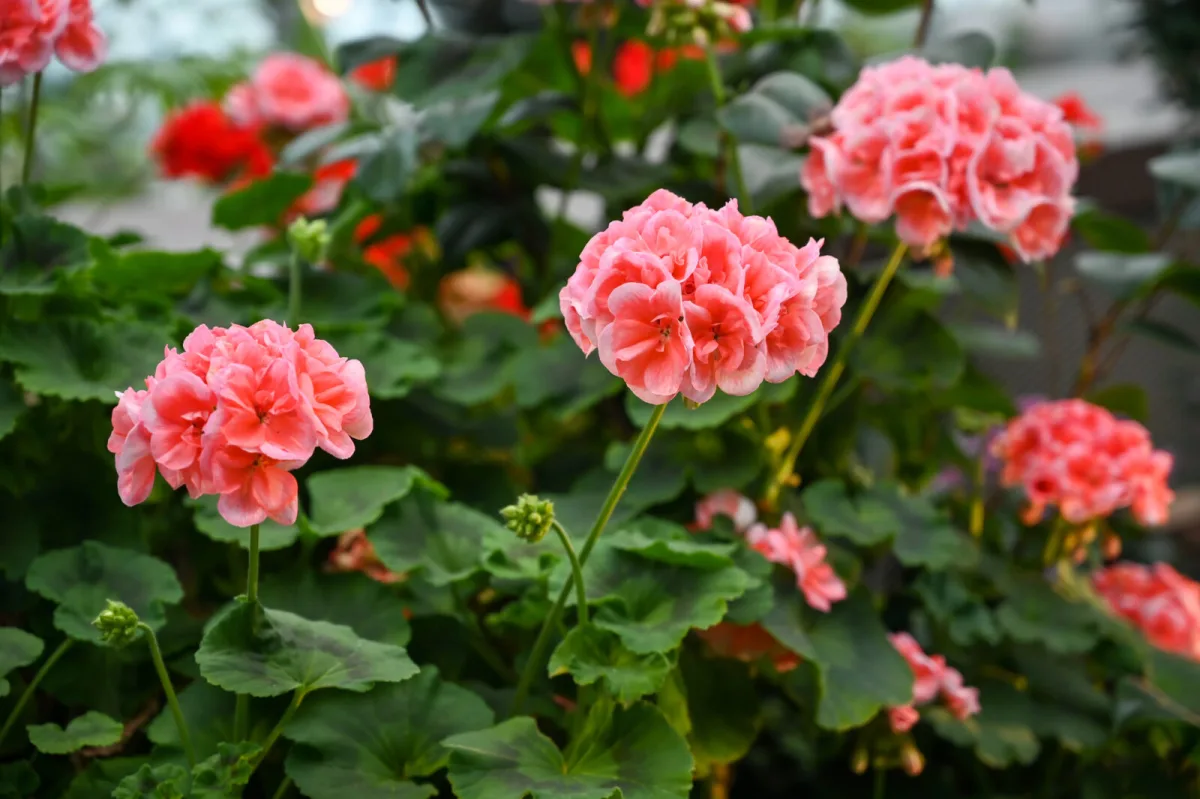
Many growers wonder in autumn what to do with geraniums once the season is over. One gardener shared a simple method that keeps her plants looking good for a very long time, often right through to December, and means she doesn’t have to buy new young plants in spring. She says she has used this approach for several years, and it has consistently proved reliable.
She mainly grows classic zonal geraniums (Pelargoniums), because trailing varieties never performed as well for her as she’d hoped. When the first frosts are on the way, she doesn’t put the plants straight into the cellar like most people do. First, she brings them into the flat, specifically onto the kitchen windowsill. There they get plenty of light as well as warmth from the radiator.
Flowering right to the end of the year
The original plan was simple: keep the geraniums indoors only until they finished flowering, and only then store them for winter. To her surprise, the plants didn’t start to decline; instead they kept setting buds and continued to bloom. That meant she enjoyed flowers far longer than she expected.
Now and then she added a small amount of sugar to the watering water, a tip from a relative. In her experience, this little trick helped the plants stay fresh and flowering for several more weeks. The geraniums remained a feature indoors right through December.
How to store plants for the winter
Once the flowers started to fade for good, she took the geraniums out of their containers and gently shook some of the compost off the roots. Then she wrapped them in newspaper and packed them into cardboard boxes. In previous years she hardly pruned them at all, but this year she shortened longer shoots so the plants would fit comfortably into the boxes.
Prepared this way, the geraniums go into the cellar, where it’s dark and dry. Those are the conditions that suit them over winter. At the end of March she unwraps them again, removes any dry leaves, and pots them up in fresh compost. Even when they come out of the paper, tiny new leaves are often visible; once moved into the light, they quickly strengthen and take on a rich colour.
Spring care after overwintering
After repotting, it’s best not to overwater geraniums at first. Once they re-root and start growing again, you can gradually begin feeding. The plants then pick up speed quickly and soon flower profusely. That’s exactly why you can enjoy geraniums for most of the year without having to buy new ones each spring.
An important part of spring maintenance is removing all dried and browned leaves. If you don’t want the plant to get too tall and leggy, it pays to cut it back. Leave a few strong lower shoots and trim off the longer top growth. The plant will usually stay lower, become bushier, and look neater.
New plants from old shoots
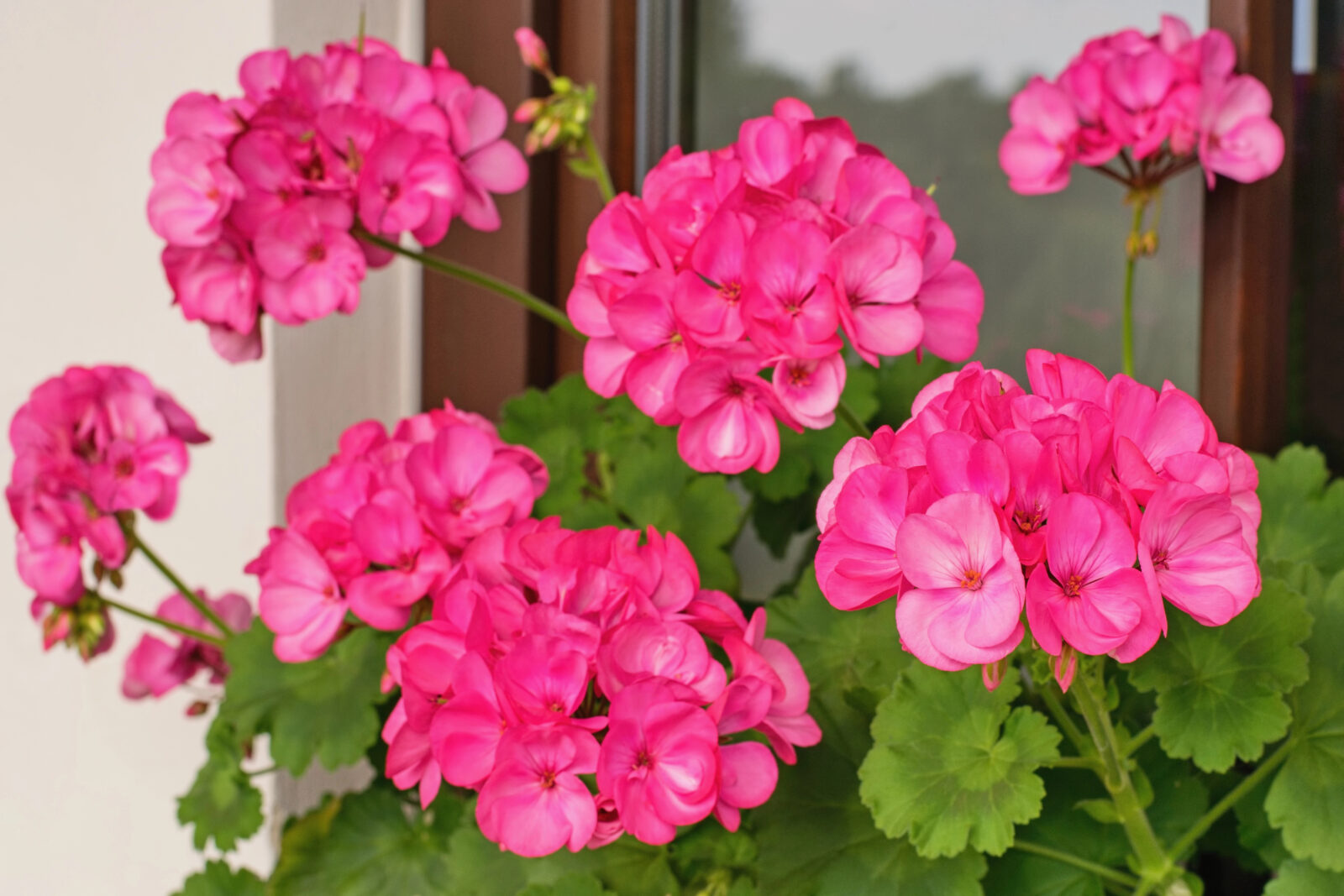
There’s no need to throw away the cut-off pieces. On the contrary, they can be used as the starting point for new young geraniums. If a cutting has two to three healthy shoots, it’s suitable for rooting. Moisten the base first, then dip it into rooting hormone to encourage better root formation.
For propagation, a light compost is ideal, and you can mix in a little perlite. The pot should be deeper rather than shallow. It helps to make planting holes in advance, for example with a pencil, so the rooting hormone isn’t rubbed off the end of the cutting as you insert it. After planting, firm the compost and water well. Choose only healthy, mature shoots.
When to put geraniums outside
After their spring wake-up, you can gradually harden plants off by ventilating more often. But they should go outside only once there’s no risk of frost, usually at the beginning of May. With the right care, they’ll reward you with vigorous growth and a mass of flowers.
Just a few simple steps and you can enjoy the same geraniums for several seasons in a row, without buying new plants every year.
Source: To je nápad, The Spruce, Gardenia, Pestrazahrada.cz

A lover of nature, gardens, and everything that moves, blooms, or grows. He literally grows everything, from herbs to rare species, and he enjoys caring for animals just as much. In his work, he connects modern technology with tried-and-tested grandmotherly methods and is happy when both paths lead to the same goal.
Related articles
Don’t Cover Strawberry Plants Too Early Experienced Growers Wait for a Signal from the Leaves
Strawberries need a period of winter chill, but their crowns must be protected from deep freezing, thawing cycles and drought. Time your clean-up, feeding and mulching correctly so plants come through winter strong and crop well in spring.
Christmas Cactus Can Bloom All Winter and Set New Buds with a Simple Grower Trick
A Christmas cactus can flower for weeks and keep forming fresh buds through winter when it gets the right care and a gentle boost of nutrition. These simple homemade feeds can help encourage blooming without expensive products.
Peonies can be transplanted and September is the ideal time, but one mistake will cost you flowers
Peonies can be divided and transplanted successfully, and early autumn is the best window. The key is planting depth—set buds too deep and you’ll get foliage with few or no blooms.
Comments (0)
Be the first to comment.