
 English
  Polski
  Deutsch
  Nederlands
  Svenska
  Norsk
Norsk  Dansk
Dansk  Français
  Italiano
  Español
  Português
  Slovenčina
  Suomi
Suomi  Gaeilge
 Fruit Bushes and Trees That Thrive in Containers
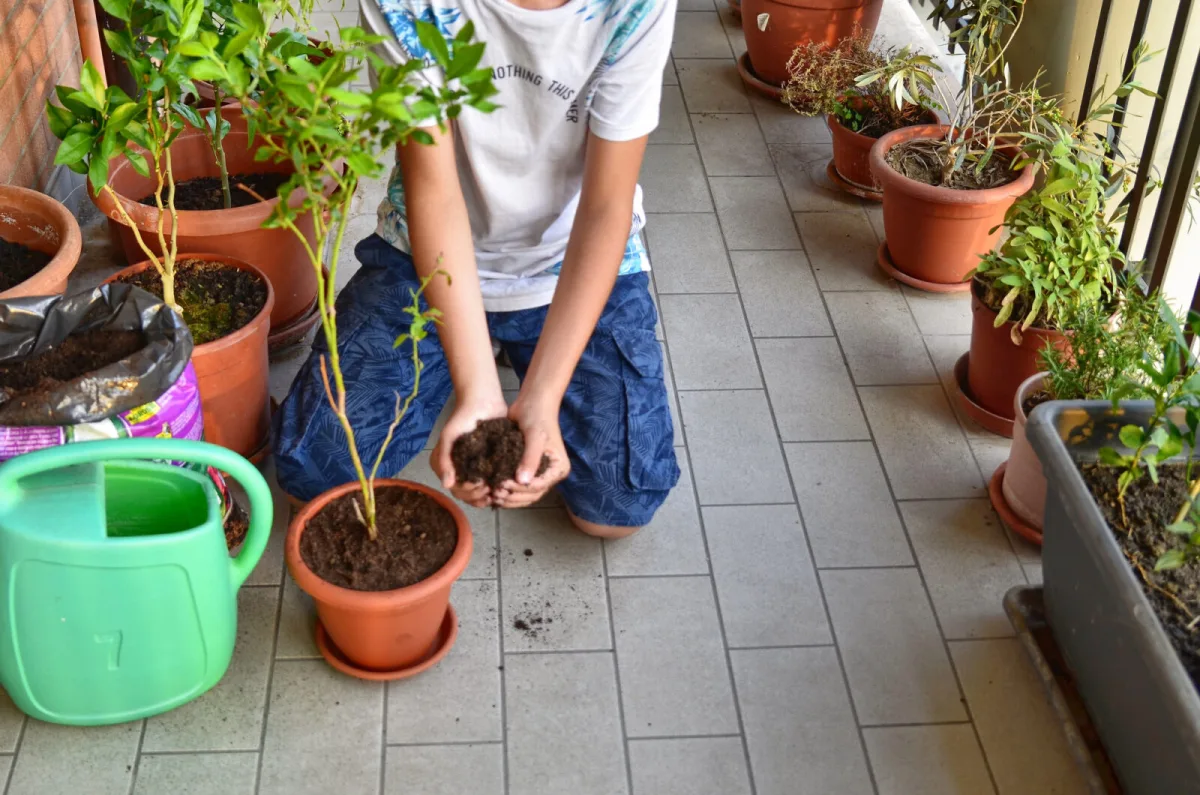
Growing fruit in pots is a practical solution for a balcony, patio and even a small garden where there’s no room for a traditional orchard. Trees and shrubs in containers naturally stay smaller, so they’re easier to manage with pruning, simpler to protect from bad weather and, if needed, can be moved. With the right choice of variety, rootstock and growing method, you can successfully harvest apples, pears, cherries, plums, blueberries, figs and grapevines in containers.
It’s important to remember that a container limits root space, so watering and feeding needs are higher than when growing in open ground. But if you can keep up with regular care, you’ll be rewarded with a surprisingly abundant crop even in city conditions.
What you can grow in containers and how to handle pollination
In a pot, tree fruit, bush fruit and climbers can all do well. Blueberries, figs and vines are especially rewarding because they don’t require rootstocks and, given good conditions, crop reliably. With apples, pears, cherries and plums, it’s essential to choose a less vigorous rootstock and also think through pollination.
Some varieties are self-fertile and don’t need a second tree (often cherries such as Lapins or Stella, most figs, and some peaches and apricots). With apples and pears, by contrast, it’s common to need a second variety from the same or a neighbouring pollination group for a good crop. The key point is that pollination only works within the same species—an apple pollinates an apple, not a pear. If you’re growing a tree in a conservatory or greenhouse, hand pollination with a soft brush may be necessary, transferring pollen between flowers.
Choosing the right rootstock determines size and yield
With many fruit trees, it’s not only the variety that matters, but also the rootstock it’s grafted onto. The rootstock determines vigour, how quickly the tree comes into fruit, and whether it will stay happy long-term in a container. When buying, look for a label in the format variety plus rootstock (for example, apple ‘Discovery’ on M9).
For containers, less vigorous rootstocks are usually chosen: for apples, M9 or M26 are often recommended; for pears, quince rootstocks such as Quince C; for cherries, Colt or Gisela 5; and for plums, peaches or nectarines, Pixy or St Julien A. Blueberries, figs, vines and olive trees typically don’t need a rootstock, but variety choice and siting still have a major impact on the result.
Which pot to choose and when to plant
With containers, the rule is simple: the more stable and spacious, the better. Terracotta pots are heavy and hold the canopy steady in wind; plastic is lighter and easier to move. For most fruit trees, containers around 45 to 50 cm in diameter work well; for shrubs they can be smaller, and for vigorous species larger. Drainage holes are essential, because waterlogged roots are more common in pots than drought.
You can plant almost year-round as long as the ground isn’t frozen and you have a suitable compost mix, but spring is most advantageous because roots quickly grow into their new environment. At planting time, it helps to cover drainage holes with pieces of broken pot to stop compost washing out while still allowing water to drain. Use a high-quality compost for woody plants in containers; traditionally, a heavier John Innes No 3-style mix works well, or a good all-purpose compost lightened with about a third perlite or coarse sand. You can incorporate slow-release fertiliser into the mix, or later feed with liquid fertilisers higher in potassium, similar to tomato feed.
Watering, feeding and overwintering without unnecessary losses
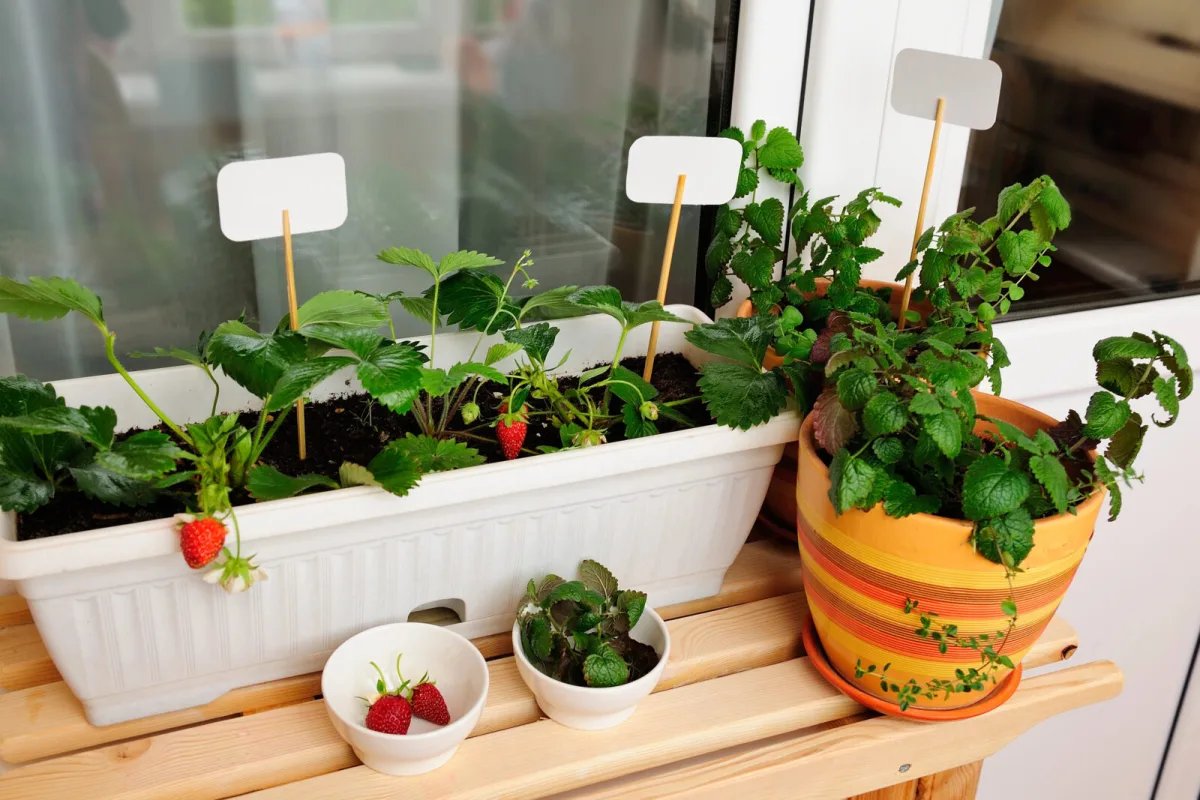
The most common cause of failure is irregular watering. In summer, container-grown fruit needs thorough watering, but it’s best to let the surface of the compost dry slightly between waterings. The pot mustn’t sit in water for long periods, but the compost mustn’t dry out completely either—otherwise the tree may drop fruit before it ripens, and the leaves will start to crisp from the edges.
Leave most hardy species outside over winter, because they need a dormant period. More sensitive trees, especially peaches and apricots, can be protected from autumn to late winter with a simple rain shelter. This reduces the risk of peach leaf curl or other fungal diseases encouraged by cold, wet weather and splashing water.
Repotting, root pruning and why not to pot on “into something huge”
In a container, roots gradually circle and the plant becomes pot-bound. That’s why, after leaf fall—usually once a year or every other year—it’s a good idea to repot into fresh compost. Once the plant is in its final container, you can keep it there without constantly upsizing by gently root pruning: remove roughly a third of the old compost, shorten the outer roots and top up with a fresh mix. In between, it’s worth replacing at least the top layer of compost each spring.
A common mistake is so-called “overpotting”: an oversized container with wet compost holds too much water, roots suffer, and the tree declines—even though it looks as if it has plenty of space.
Pruning and training: the same rules apply in a pot
In principle, pruning container-grown fruit isn’t different from pruning in open ground. It depends on the species, the training form and the age of the tree. With apples and pears, winter pruning is often combined for building the framework with summer pruning to maintain shape and encourage fruiting. With plums and cherries, it’s important to prune cautiously and at the right time to reduce the risk of infection. In small spaces, wall-trained forms such as a espalier or fan are excellent, saving space and improving light exposure.
Most common problems and prevention
Alongside drought stress, fruit can suffer from species-specific diseases, such as scab and canker in apples, bacterial canker in cherries, brown rot in stone fruit, peach leaf curl or silver leaf. The foundation of prevention is an airy canopy, plenty of sun, sensible watering, hygienic pruning and prompt removal of infected parts. Containers also help because you have the plant “under control” and are more likely to notice changes on leaves or fruit early.
A practical take-away for a successful harvest
If you want an easy start, consider blueberries in a generously sized pot in a sunny spot, or a self-fertile cherry or fig. Once you’re confident with watering and feeding, you can add an apple or pear on an appropriate rootstock and plan a suitable pollination partner. With a little care, a “mini orchard” in pots becomes not only a source of fruit, but also a standout feature of the patio—flowering in spring and rewarding you with a harvest in summer and autumn.
Source: RHS, The Spruce , Pestrazahrada.cz
Related articles
Next year you can harvest better if you don’t sow carrots where they won’t thrive
Carrot root fly can ruin carrots, parsley and celery from the inside out, often without obvious warning until harvest. Better site choice, rotation, later sowing and simple physical barriers can dramatically cut damage next season.
How to Propagate Roses from Cuttings at Home and Fill Your Garden with Blooms Almost for Free
Want more roses without paying for new plants? With a few healthy cuttings and a simple plastic-bottle mini greenhouse, you can root new bushes at home in just a few weeks.
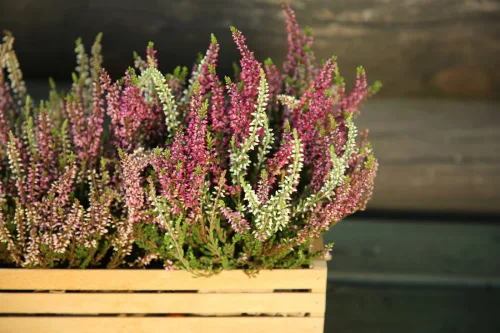
Heathers can cope where other plants won’t, but one soil detail decides everything
Heathers and heaths are tough evergreen shrubs that can flower across the seasons when you choose the right types. Success hinges on matching the plant to your soil pH and ensuring free drainage.
Comments (0)
Be the first to comment.