
 English
  Polski
  Deutsch
  Nederlands
  Svenska
  Norsk
Norsk  Dansk
Dansk  Français
  Italiano
  Español
  Português
  Slovenčina
  Suomi
Suomi  Gaeilge
 Frosts Have Passed, It’s Time to Plant Freesias That Will Fragrance the Whole Garden
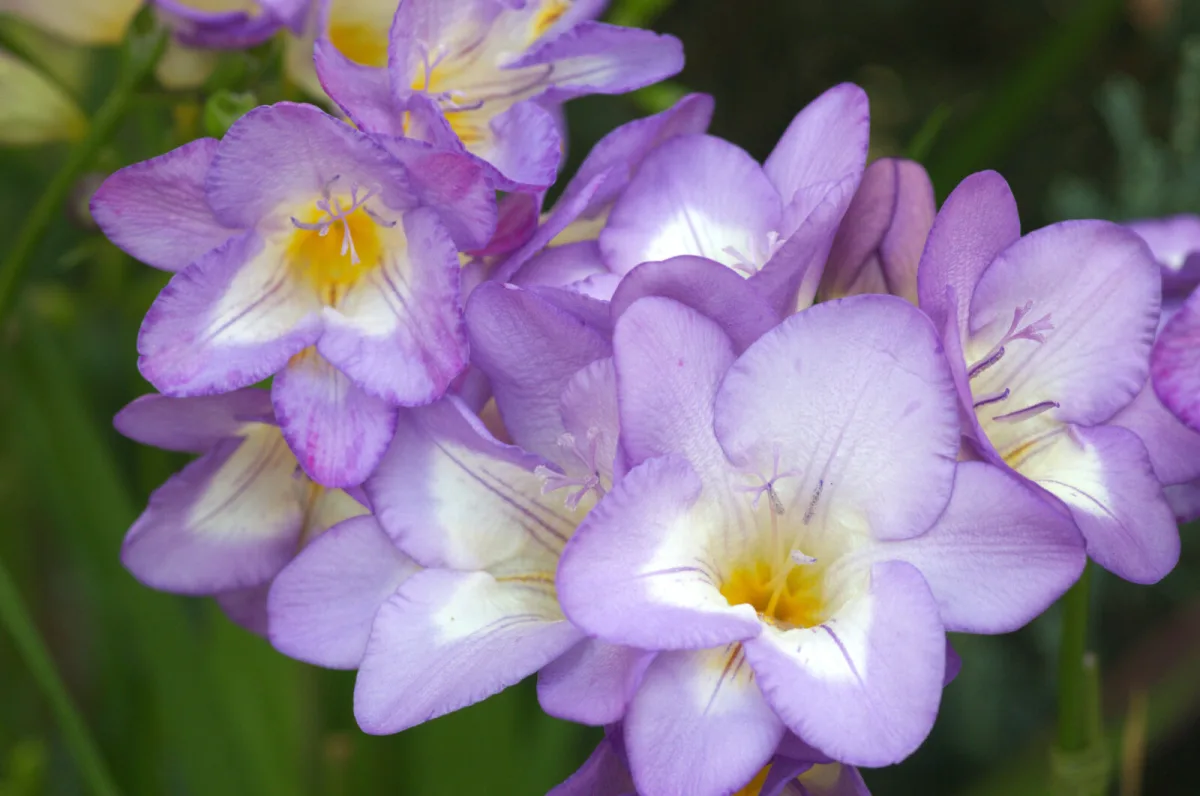
Freesias are among the flowers people associate with a strong fragrance and elegant blooms. Although we often see them in florist bouquets almost year-round, they can also be grown successfully outdoors in the garden. The key is to choose healthy corms and not underestimate the importance of planting at the right time. This plant comes from Africa, and its origins explain why it needs warmth, sun and well-drained soil.
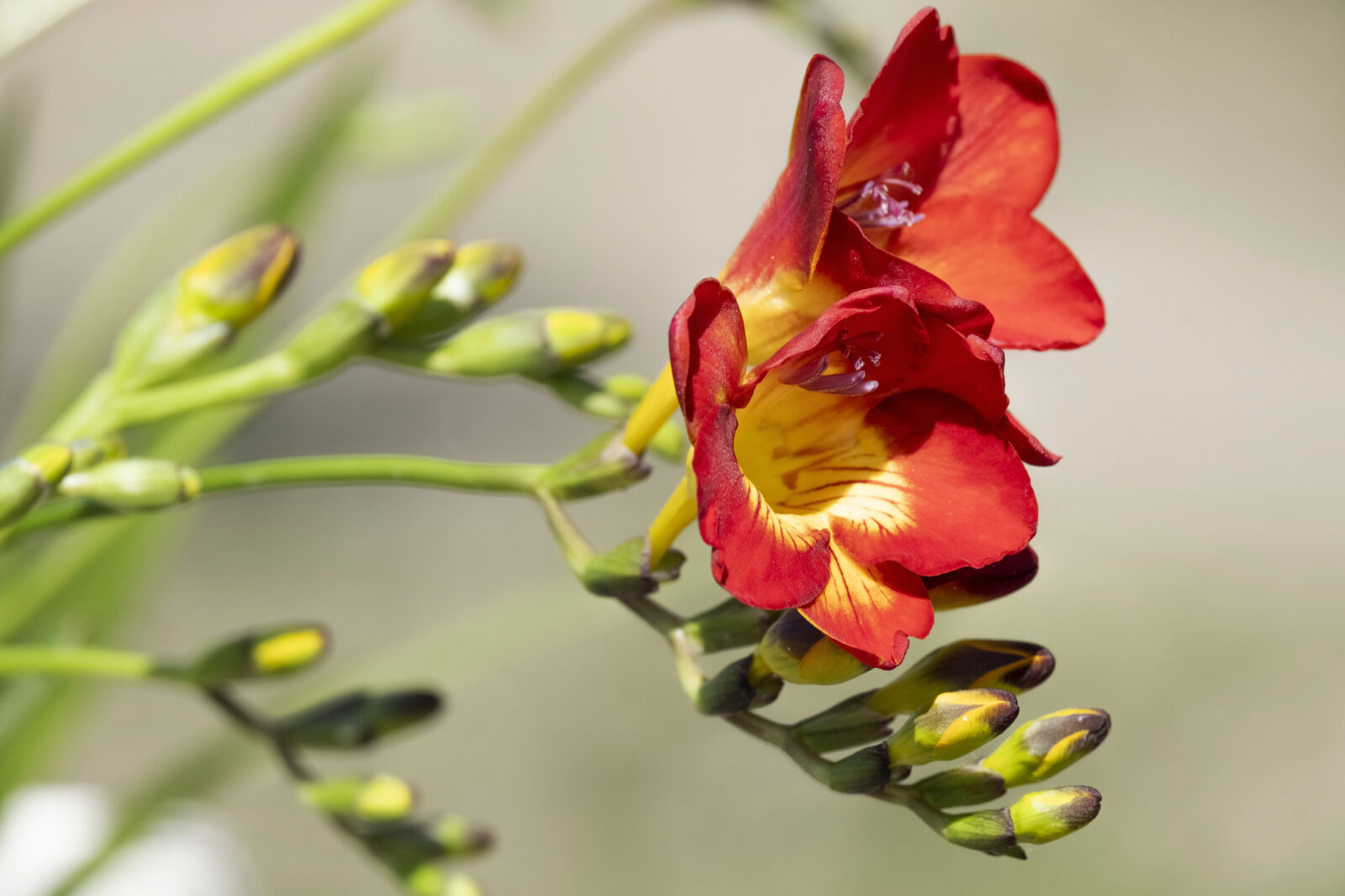
Most commonly grown is the hybrid freesia Freesia × hybrida, which produces sword-shaped leaves and flowering stems rising from an underground corm. The flowers appear in many colours, from yellow through pink and purple to white, and can be single or double. In the garden it can look both delicate and striking at the same time, depending on which cultivars you choose and how you group them in the border.
When to plant
There’s no need to rush with outdoor planting. Corms should go in only once there’s no risk of frost returning. In our conditions, this usually means late April to early May. Planting too early into cold soil can weaken the corms, slow initial growth, or lead to chill damage, which then shows up as poorer flowering.
Where to give freesias their best conditions
Freesias like a sunny position where they’ll get plenty of light during the day. They also need soil that is good quality and fertile, but above all free-draining. If the soil holds water, the risk of rot increases. During active growth it’s important to keep the soil evenly moist, but not constantly wet. Light, regular watering is usually more reliable than occasional heavy soaking.
The best results come from sun, free-draining soil and steady but moderate moisture.
How to plant corms step by step
Prepare the soil without overfeeding
Before you start planting, it pays to clear the area of weeds and loosen the soil thoroughly. Ideally the soil should be friable, lightly moist and crumbly. It’s not a good idea to overdo fertiliser right before planting, because soil that’s too rich can do more harm than good for some bulbs and cormous plants. If you need to improve the structure, mixing in a good-quality garden compost or planting mix will help.
Choosing corms and the right planting depth
For planting, choose corms that are firm, undamaged and a good size. Set them into the soil about 5 cm deep, with the growing point facing upwards. It’s practical to plant in small groups or in rows, as freesias stand out better in the bed and care is easier to manage.
Spacing and backfilling
Leave about 10 cm between individual corms so they have enough room to grow and air can move more freely between plants. After placing the corms, backfill the holes with loose soil, gently firm the surface, and mark the planting spot. Marking is especially useful in spring, when the border changes quickly and it’s easy to forget exactly where the corms are.
Watering after planting and feeding during growth
In the first days after planting, moisture is crucial for quick rooting. Water regularly so the soil doesn’t dry out, but avoid water sitting around the corms. Once the plants produce leaves, you can support them with feeding, typically once a week with a liquid fertiliser. This usually results in stronger stems and more abundant flowering, especially where the soil is on the light side.
After-flowering care and safe overwintering
When freesias finish flowering, gradually reduce watering. This lowers the risk of the corms rotting in the ground. Don’t remove the leaves immediately after flowering; let them die back naturally and dry off. This allows the plant to replenish reserves in the corm and prepare better for its dormant period.
Because freesias are not fully frost-hardy, at the end of the season you need to lift the corms every year. Store the cleaned corms somewhere dry until the following spring, when you can plant them again. Correct storage is often decisive in whether the plants will be just as vigorous the next season and flower freely again.
Source: RHS, Gardenly, Záhrada, Pestrazahrada.cz

A lover of nature, gardens, and everything that moves, blooms, or grows. He literally grows everything, from herbs to rare species, and he enjoys caring for animals just as much. In his work, he connects modern technology with tried-and-tested grandmotherly methods and is happy when both paths lead to the same goal.
Related articles
The Christmas Amaryllis That Can Bloom for Years but Most People Throw It Away After Flowering
Hippeastrum is a spectacular winter-blooming bulb that, with the right care, will flower again year after year. Learn how to plant it correctly, look after it after flowering, and bring it into dormancy so it reliably reblooms.
How to Grow Winter Garlic for a Much Bigger Harvest
Autumn planting is the key to strong, healthy winter garlic, but the details make all the difference. With the right timing, bed choice, seed-clove treatment and a simple bicarbonate trick, you can noticeably boost yield.
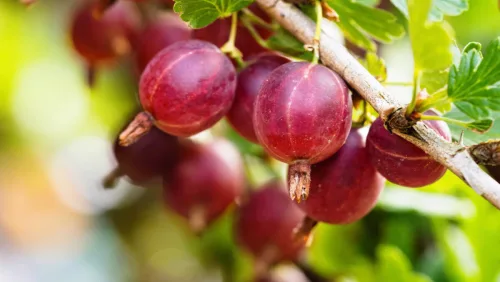
A tree or shrub planted properly in autumn can outpace spring stock and improve fruiting
Many fruit trees and soft-fruit shrubs establish better when planted in autumn, because roots keep growing while the top is dormant. Done well, this head start means stronger spring growth, less watering, and a healthier first year.
Comments (0)
Be the first to comment.