
 English
  Polski
  Deutsch
  Nederlands
  Svenska
  Norsk
Norsk  Dansk
Dansk  Français
  Italiano
  Español
  Português
  Slovenčina
  Suomi
Suomi  Gaeilge
 The Hidden Drawback of Raised Beds Can Cost You Time and Money
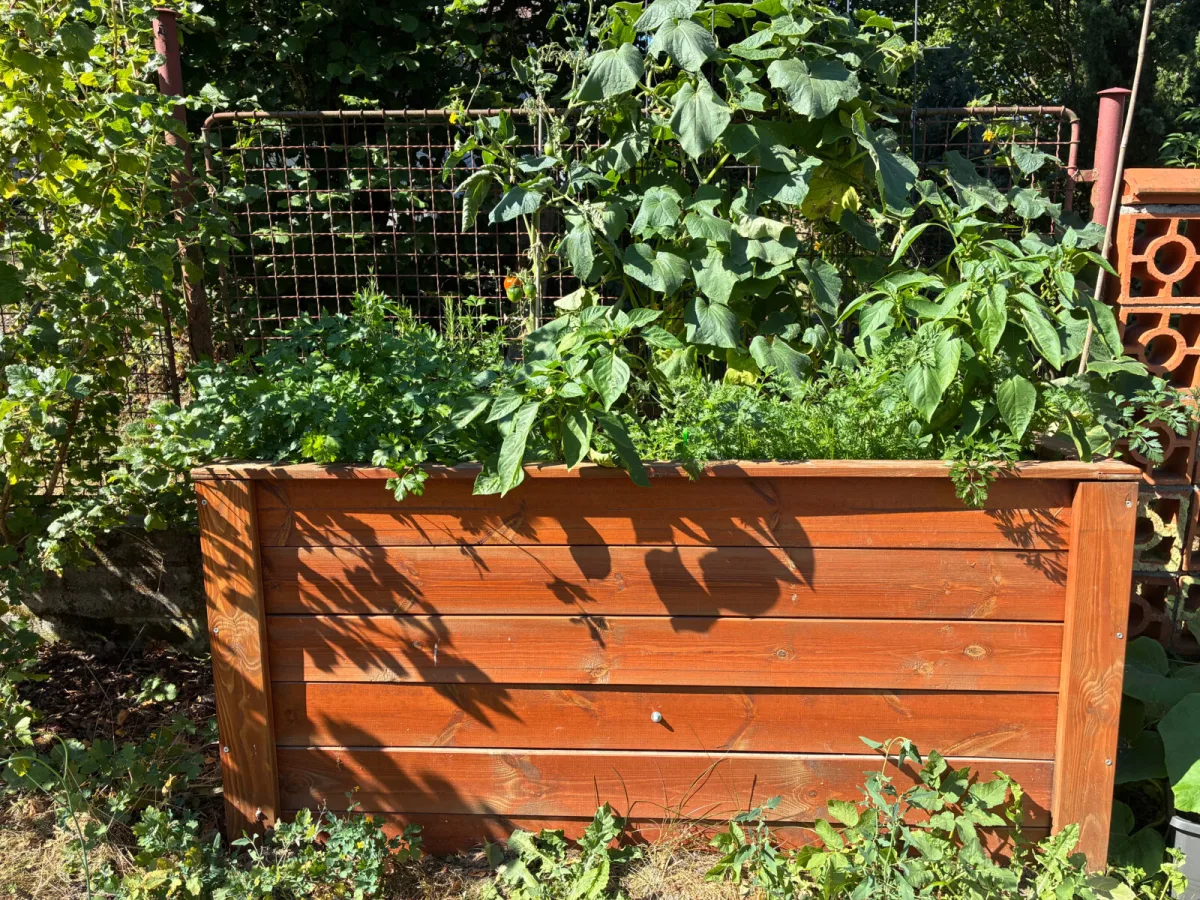
Raised beds look neat, orderly, and often become the focal point of a productive garden. They let you grow vegetables and herbs even where the native soil is stony, heavy clay, or otherwise difficult. At the same time, they are not a no-work, no-cost solution. Before you start building, it pays to consider whether their benefits will truly help you—and whether you’re ready for their specific demands.
Key benefits of raised beds
More comfortable work and less strain on your back
The most commonly cited advantage is ergonomics. When sowing, weeding, and harvesting, you don’t have to bend as much—something people with stiff backs appreciate, including seniors. It’s not only the height that matters, but also the bed’s width. If it’s too wide, you won’t comfortably reach the middle and you’ll be tempted to step into it, which compacts the soil and damages its structure.
Custom soil tailored to your crops
A major advantage is the ability to fill the bed with a mix of quality soil, compost, and organic matter to suit what you want to grow. That makes it easier to influence nutrient levels, aeration, and the soil’s ability to hold moisture. In practice, this gives a better start to crops that are sensitive to heavy or poor soil, and provides more control over what their roots are growing in.
Warms up faster in spring and gets the season going earlier
Soil in a raised structure generally warms up sooner than the surrounding ground, so you can get started a little earlier. After rain, the bed is usually workable sooner as well, and if it’s built properly, water won’t sit in it for long. If you add a simple cover—such as a tunnel or a frost cover—you can extend the season even further.
Less weeding and a cleaner garden layout
Newly delivered soil typically contains fewer weed seeds, and a smaller growing area is easier to keep on top of. Raised beds also clearly separate the growing space from the paths, so it’s easier to walk around the garden even after rain, without trampling muddy ground.
Suitable for smaller spaces too
They often fit where traditional in-ground beds make little sense—for example, in smaller gardens, courtyards, or on hard surfaces. You can plan the planting very intensively, but spacing has to be watched. Overcrowded plantings compete for light and nutrients and reduce airflow, increasing the risk of disease.
When a raised bed really pays off
It makes the most sense if you have poor soil, want to reduce physical strain, or need to clearly separate growing areas from the rest of the garden. It’s also useful where normal digging and soil cultivation would be difficult. On the other hand, it’s less appealing for gardeners with a large area of good soil who don’t want to deal with more frequent watering, topping up the growing mix, or gradual repairs to the structure.
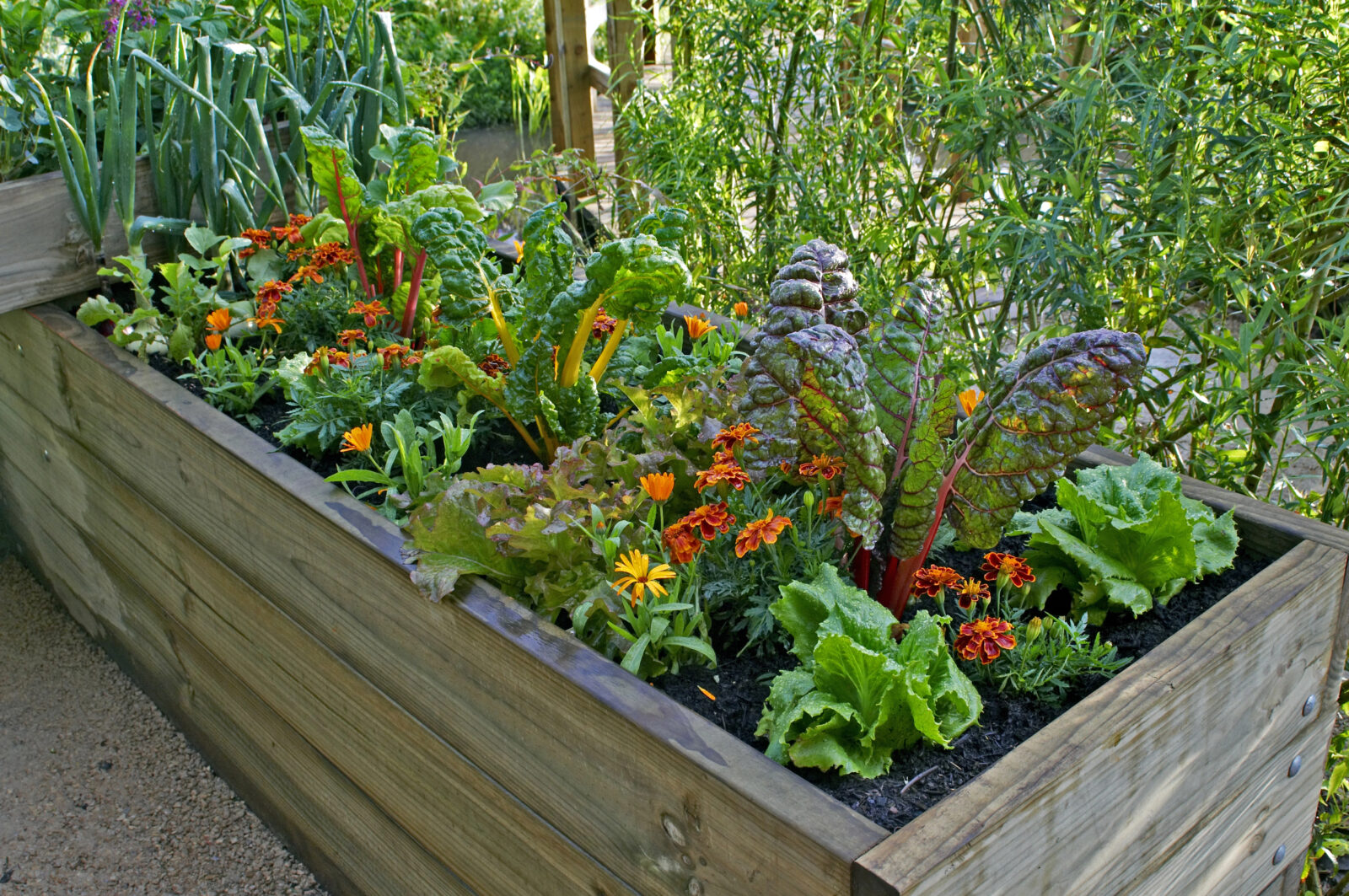
Drawbacks you need to factor in
Higher upfront cost
While an in-ground bed can be created largely by improving the existing soil, with a raised bed you pay for both the structure and the fill. The cost increases with size, the material used, and whether you build it yourself or buy a ready-made kit. Besides timber, metal, brick, or stone, a major expense is the large volume of soil, compost, and other organic layers.
Dries out faster in summer
What’s an advantage in spring can become a problem in hot weather. A raised bed loses moisture from the surface and often through the side walls, so it typically needs watering more often than in-ground beds. The biggest swings happen in small, shallow structures. Mulch, drip irrigation, and a good volume of quality soil help, but moisture still needs to be checked regularly.
The fill settles and shrinks over time
Organic material in the lower layers breaks down over time and loses volume, so the soil level can drop noticeably after one or more seasons. You’ll need to keep topping up with compost or soil. Decomposition does release nutrients and heat at first, but that effect doesn’t last, and the bed won’t manage without additional feeding.
The structure doesn’t last forever
Timber looks natural, but in contact with damp soil it gradually deteriorates—fastest near the bottom and on the inner faces. Metal is often more durable, but it can heat up intensely in the sun. Stone or brick can last a long time, but construction is more labor-intensive, and once built, the bed is nearly impossible to move.
Not every crop is equally suited to it
Vegetables, herbs, and lower-growing crops generally do best. With tall plants, supports can be tricky, and harvesting from an overly high bed may not be comfortable. The space may also be unsuitable for vigorous cucurbits or perennials with extensive root systems. When planning, think about the plant’s final size—not just the size of the seedling.
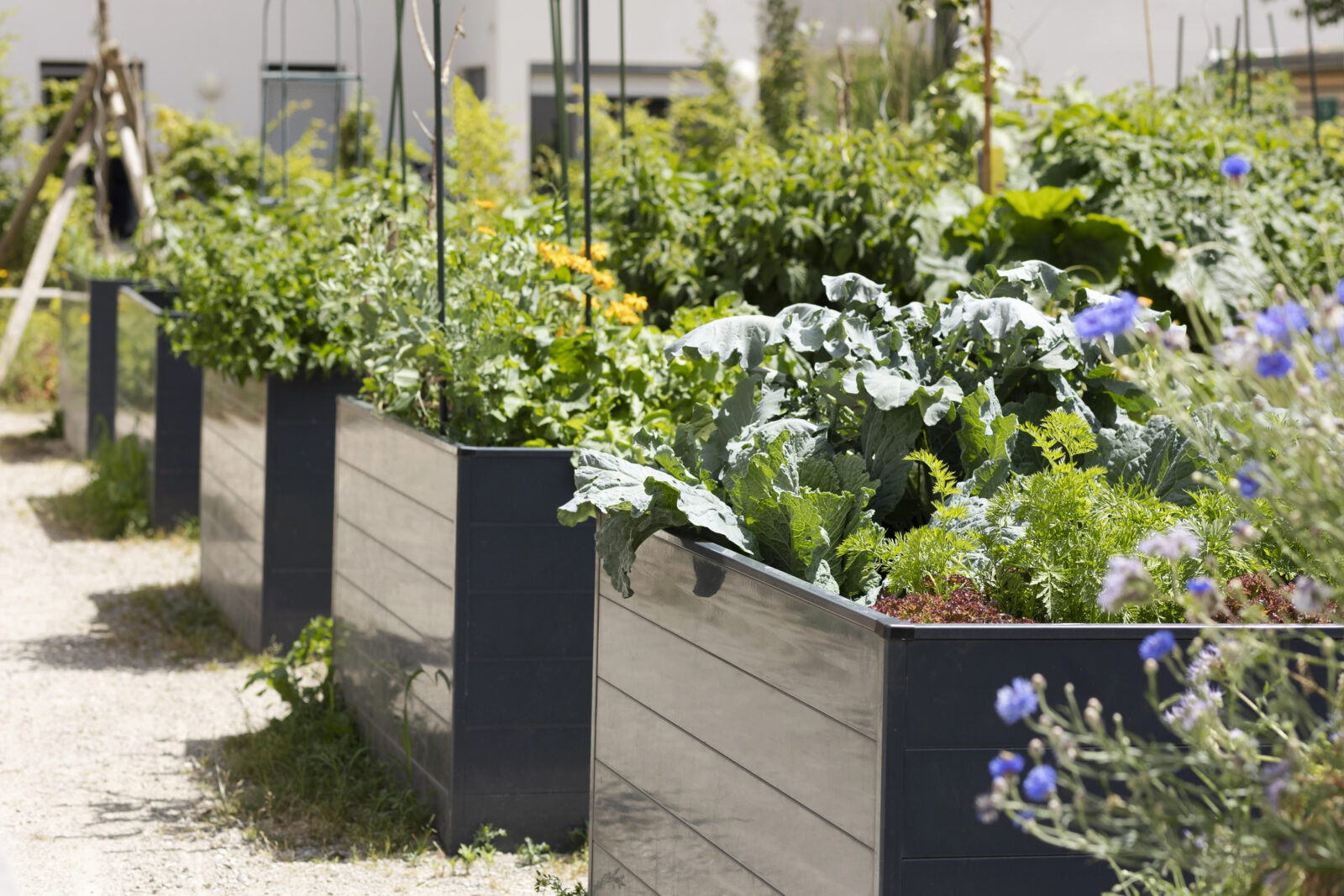
Pests and overheating edges as commonly overlooked risks
Simply raising the bed doesn’t guarantee protection from pests. Voles can get in from below if the base isn’t secured with sturdy wire mesh. Slugs can climb the sides, and in dense plantings they easily find hiding places. With metal or dark walls, you also need to account for overheating along the bed edges, which in extreme heat can damage sensitive roots—especially if the bed is shallow and under-watered.
The verdict and practical advice before you build
A raised bed is a helpful tool, but it’s not a low-maintenance shortcut to a bigger harvest.
Success still depends on light, water, nutrients, and consistent care. Before you build, think through the location, dimensions, suitable materials, and how you’ll water. If you tailor both the structure and the fill to your garden conditions and the crops you want to grow, a raised bed can save your time and your back for years. But if you expect it to take care of itself, it may bring more hassle than enjoyment.
Source: Gardening Know How, GrowVeg, Zahrádkár, Pestrazahrada.cz

A lover of nature, gardens, and everything that moves, blooms, or grows. He literally grows everything, from herbs to rare species, and he enjoys caring for animals just as much. In his work, he connects modern technology with tried-and-tested grandmotherly methods and is happy when both paths lead to the same goal.
Related articles
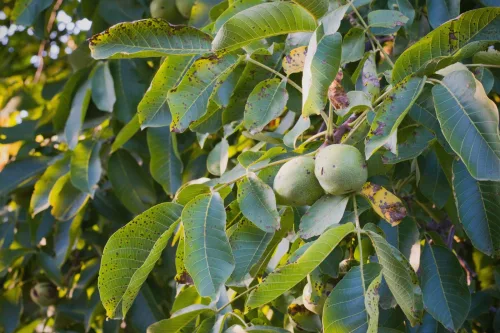
Why the Tree That Feeds a Family for Generations Is Disappearing from Czech Gardens
The English walnut used to be a staple of larger gardens and farmyards, valued for its nutritious nuts and many practical uses. With the right site and variety, it remains one of the most rewarding long-lived trees you can plant.

How to Get Rid of Mice and Rats in the House, Loft and Garden Effectively
Mice and rats don’t leave quietly—scratching sounds, droppings and gnaw marks are clear warnings. A lasting solution comes down to three steps: block entry points, remove food sources, then use traps or professional control.
Two Mistakes When Harvesting Onions Can Cut Your Supply by Months
With good growing and the right handling, onions can turn into a near year-round pantry staple. These simple harvest and curing steps determine whether they keep for weeks or for months.
Comments (0)
Be the first to comment.