
 English
  Polski
  Deutsch
  Nederlands
  Svenska
  Norsk
Norsk  Dansk
Dansk  Français
  Italiano
  Español
  Português
  Slovenčina
  Suomi
Suomi  Gaeilge
 Smart Ways to Turn Your Garden into a Mosquito Free Haven

Many people accept mosquitoes as an unavoidable part of warm evenings. Yet you can set up your garden so it’s far less appealing to them. It’s not just about last-minute sprays and citronella candles, but mainly about prevention and small changes that, over time, reduce both the number of bites and the overall amount of insects around your seating area.
The key is understanding what attracts mosquitoes—and what they can’t stand. Strong scents from certain plants, moving air, natural predators and well-chosen lighting can all help. Absolutely crucial is removing the places where they can breed. The following five steps can be combined to create a garden where the family feels more comfortable even at the height of mosquito season.
Plant aromatic plants mosquitoes avoid
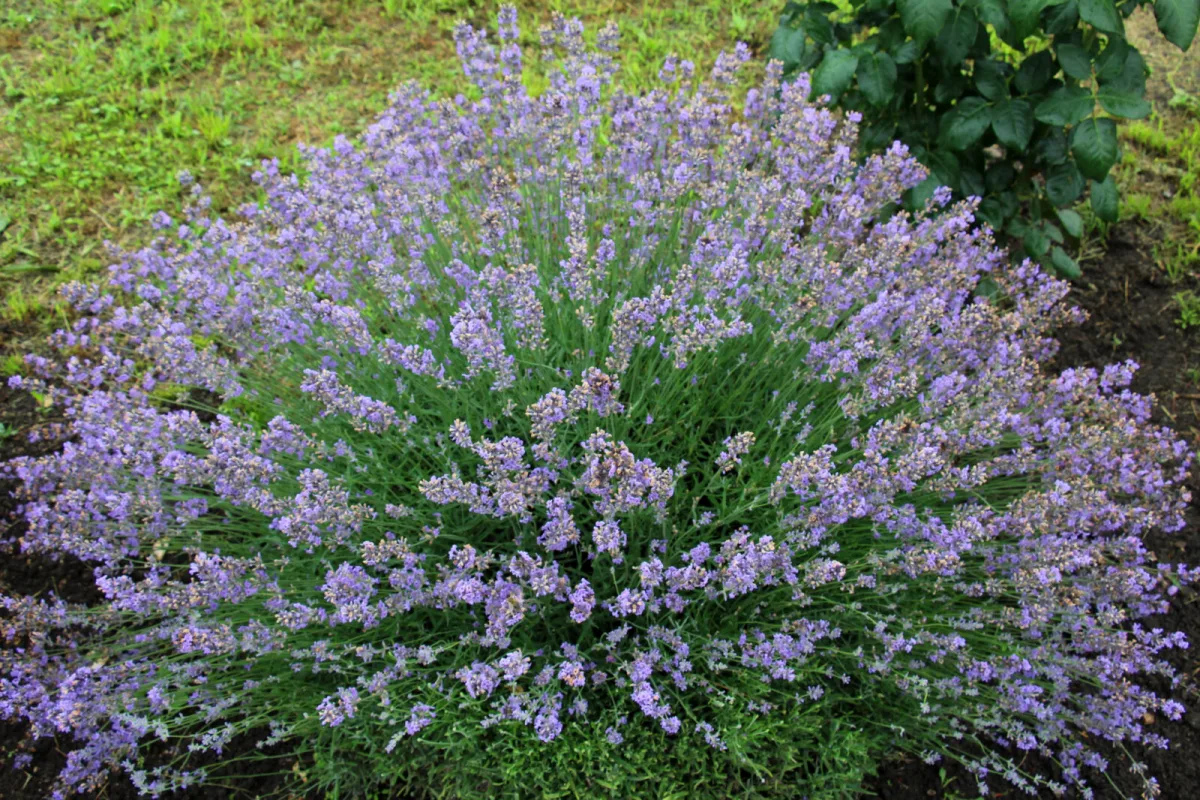
One of the most accessible approaches is to use the fact that mosquitoes have extremely sensitive scent receptors. Certain intense aromas can confuse them and encourage them to steer clear of an area. Great choices include lavender, lemon balm, rosemary, basil and mint. The bonus is that, alongside their repelling effect, they add colour and structure to the garden—and in many cases provide useful culinary herbs too.
Placement matters as well. Scent is released most when leaves lightly brush clothing or when the plant is gently rubbed as you walk past. That’s why it’s practical to group these plants in pots or beds around the patio, by garden doors, around seating areas or near an outdoor dining table. You’ll create a naturally fragrant barrier exactly where you need it most.
Use a fan to create airflow
A fan isn’t just a helper on hot days. It works surprisingly well against mosquitoes because they are weak fliers and stronger airflow makes it difficult for them to land and orient themselves. The breeze also disrupts their ability to track human scent, which is how they usually home in on a host.
The most effective setup is to place a small fan roughly at table height and aim it across the seating area. A lower position often makes more sense, because mosquitoes tend to fly lower than people assume. A steady airflow creates a zone around chairs and benches that they simply don’t like entering—even without chemical repellents.
Encourage wildlife and attract mosquito predators
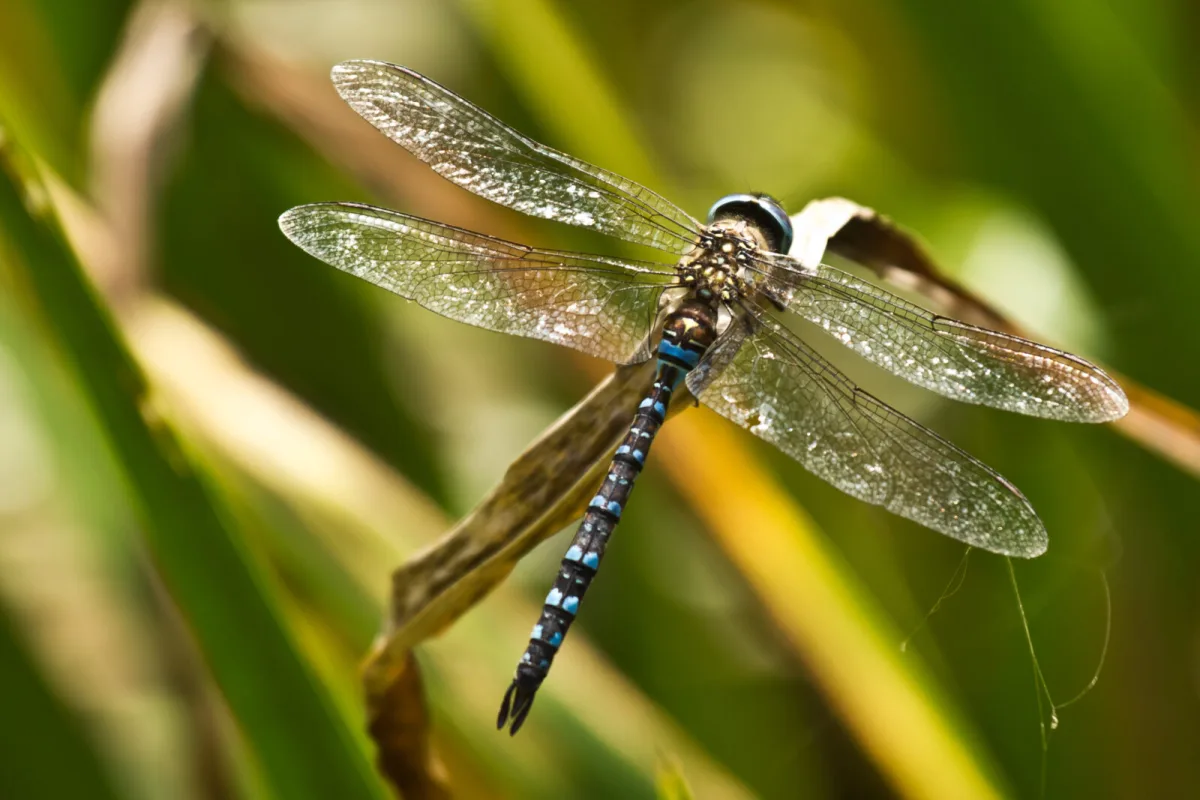
A highly effective long-term approach is to make your garden a place where animals that naturally hunt mosquitoes can thrive. These include bats, birds, dragonflies and frogs. If you provide the right conditions, they can steadily reduce flying insects nearby—and with them, the number of mosquitoes bothering you.
Native flowering plants help, as do shelters and bird boxes or dedicated bat boxes. With bats, the benefit can be significant, as they can consume large numbers of small insects in a single night. It makes sense to mount a bat box high up, ideally in a quieter spot with a clear flight path. It’s fair to expect it may take time for bats to find it and start using it, but that’s exactly what makes this one of the few genuinely long-term natural solutions.
If you’re considering a water feature, it’s worth thinking about water movement. A pond with circulation or aeration can be excellent for biodiversity, while stagnant water is an open invitation for mosquitoes to breed.
Check your outdoor lighting—it can attract mosquitoes too
Few people realise that the type of light in the garden affects how many insects gather around the house in the evening. Mosquitoes and other small insects are more often drawn to cooler-toned light, which is easier for them to see. So if you have white or cool LED lighting near seating areas, it can mean more unwanted visitors.
For a more pleasant evening atmosphere and less interest from insects, it’s worth choosing warm-toned lighting. In practice, that means a more yellow shade with a lower colour temperature, roughly in the 2200K to 2700K range. This kind of light feels cosy, is less harsh, and is less attractive to insects—something you’ll appreciate most during longer evenings outdoors.
Remove standing water, because it’s a mosquito nursery
The most important step is to eliminate places where mosquitoes can breed. They only need a surprisingly small amount of water to lay eggs—often just what’s in a plant saucer or a forgotten bucket. That’s why it’s worth regularly checking rainwater containers, watering cans, garden toys, plant saucers, barrels, and even small dips where water collects after rain.
If you have a bird bath, change the water often—ideally every two to three days. This reduces the chance mosquitoes will have time to start a new generation, while keeping a safe water source for birds and other helpful garden visitors. Even a little water movement can help, such as a small solar-powered fountain, because running or disturbed water is far less suitable for mosquitoes than a still surface.
How to make it all work together for the whole summer
The best results come from combining several measures. Aromatic plants around the patio create a first line of defence, a fan boosts comfort while you sit, warm lighting reduces evening insect swarms, and encouraging predators can gradually improve the situation across the whole garden. Add consistent checks and removal of standing water, and you’ll significantly reduce not only annoying bites, but also the overall number of mosquitoes around your home.
Source: Ideal Home, Ireceptar , Pestrazahrada.cz
Related articles

Yellowing cucumber leaves have a clear cause and with the right response plants recover quickly
Cucumber leaves turn pale and yellow when the plant is under stress—most often from watering mistakes, nutrient imbalance, or sudden temperature swings. Spot the pattern early and you can restore growth and protect your harvest fast.
How to Get Browning Hydrangeas Back on Track Without Chemicals
Brown leaf edges or spots on hydrangeas usually point to a simple mismatch in light, watering, or airflow rather than a lost cause. Learn how to read the symptoms and restore your shrub quickly with gentle, practical fixes.
Turn Ground Cinnamon Into a Secret Weapon for Stronger, Tougher Plants
Ground cinnamon isn’t just for baking—it can help protect houseplants and garden plants from mould and fungal issues, support cuttings, and even act as quick first aid for minor wounds. Used lightly, it’s an affordable, gentle, natural add-on to good growing practice.
Comments (0)
Be the first to comment.