
 English
  Polski
  Deutsch
  Nederlands
  Svenska
  Norsk
Norsk  Dansk
Dansk  Français
  Italiano
  Español
  Português
  Slovenčina
  Suomi
Suomi  Gaeilge
 Highly Poisonous Plants in Gardens and Woodlands That Put Children at Risk
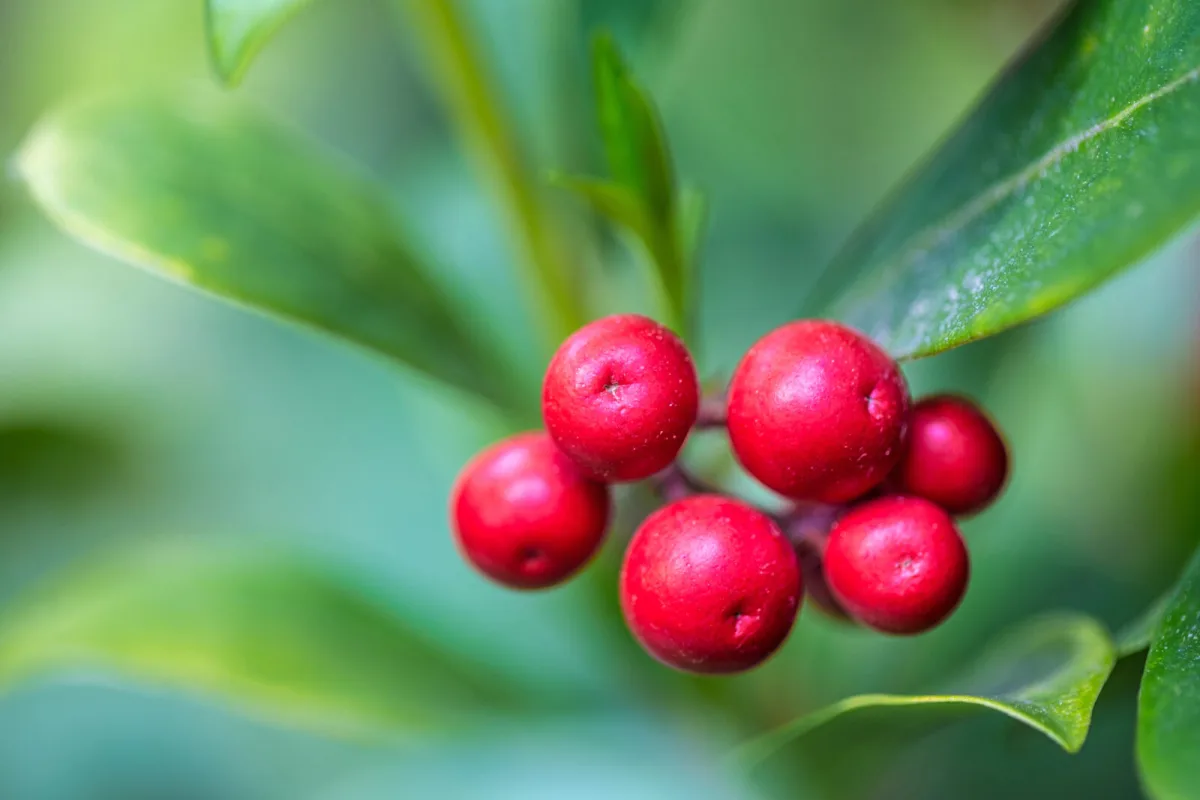
In recent years, we’ve seen plant-related poisonings discussed more and more often. The greatest risk comes when children confuse safe woodland berries with poisonous ones. The most vulnerable are young children roughly between two and nine years old, because exploring flavours is natural for them and they often ignore warning signs. The highest number of cases tends to occur during the summer holidays, when families spend more time outdoors on trips and in the woods. That’s exactly where you may come across species that can look unremarkable at first glance, or even tempting.
But the danger doesn’t only lurk in the forest. Some poisonous plants are also grown in gardens as ornamentals, or they self-seed and spread into nearby areas. That’s why it helps to know what the most troublesome species look like, where they turn up, and how poisoning may show itself.
Black henbane, also known as devil’s eye
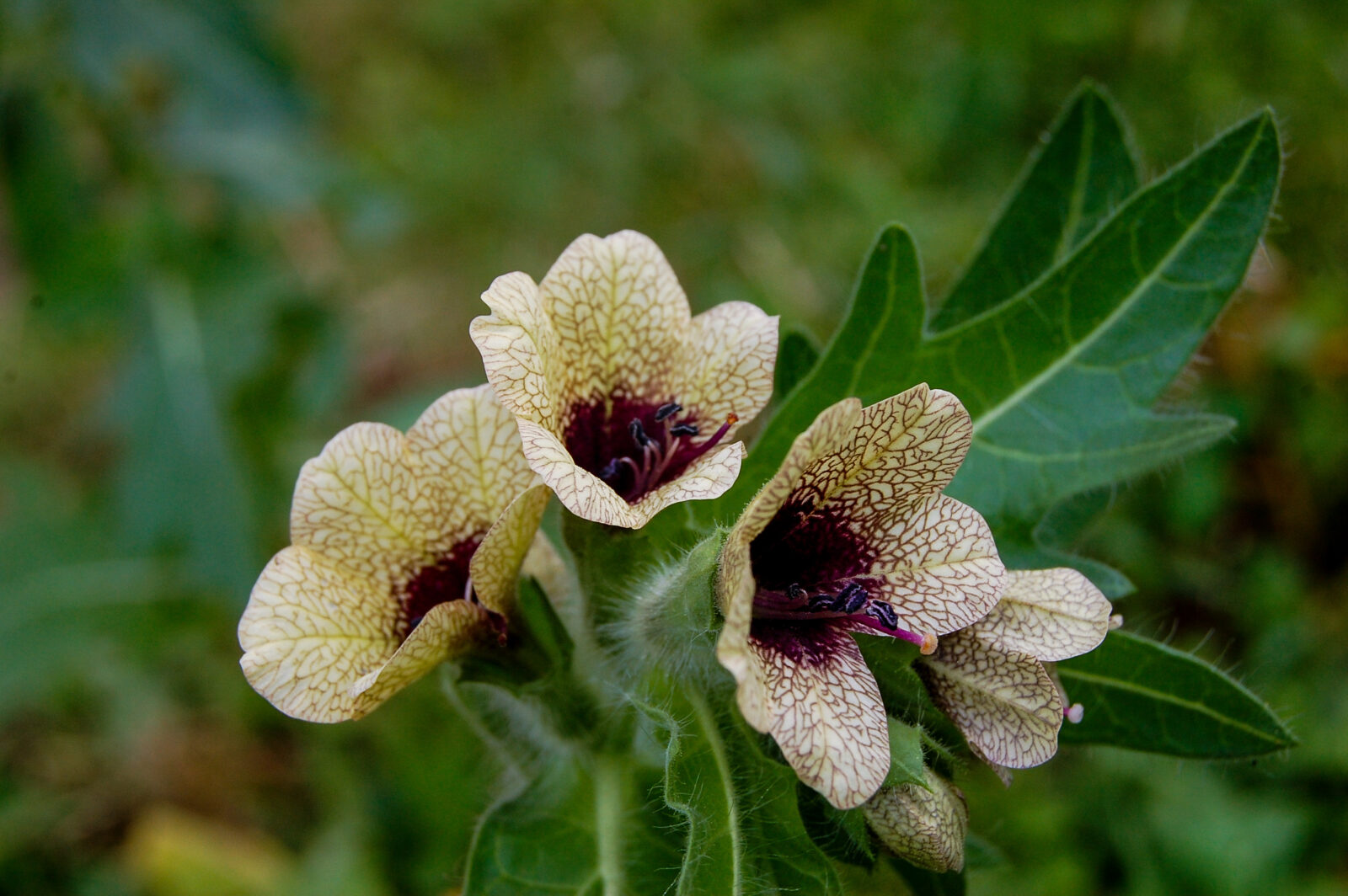
Black henbane is one of those plants that can look attractive in photos, but in reality it is highly toxic. It contains poisonous alkaloids, with the highest concentrations typically in the roots, though the dangerous parts are by no means limited to them. You’re most likely to encounter it along field margins, on waste ground, and by roadsides. It usually flowers from May to September and grows to about 1 m. The blooms are bell-shaped, a dirty yellow colour, and marked with distinctive purple veining.
The folk name devil’s eye makes it clear this is no harmless herb. In the past, henbane featured in superstition and rituals, because it can affect the nervous system, induce altered states of consciousness, and was also used as a painkiller. Those very effects, however, are tied to a high risk of poisoning.
Deadly nightshade, a danger that looks like blueberries
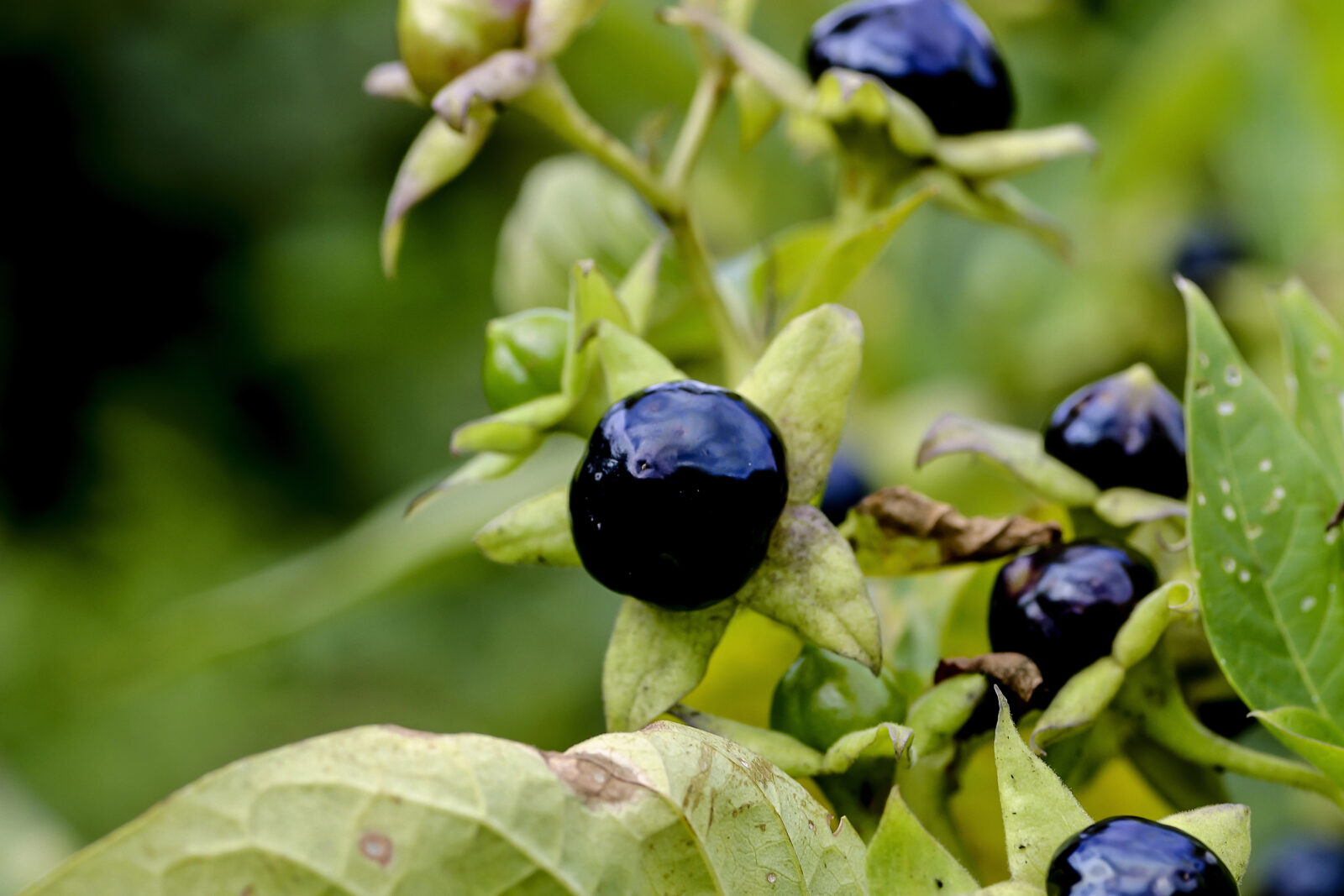
Deadly nightshade is considered one of the most poisonous wild plants you’re likely to come across locally. Even so, many people don’t recognise it by sight, despite its many folk names such as wolf’s berry or mad cherry. It’s a fairly robust plant that can grow from about 0.5 m to nearly 2 m. It occurs at woodland edges, on clearings, and in scrub. From June to August it produces tubular flowers with a brownish-purple shade and a subtly marbled look.
The biggest trap comes after flowering. A berry forms in the calyx; it is black-purple and at first glance can resemble a blueberry. That similarity to commonly gathered fruit is behind many dangerous mistakes. In children, the situation can become critical even after a small amount, and it’s often noted that just a few berries may cause severe poisoning. A typical symptom is markedly dilated pupils, and other serious signs may follow. The entire plant is poisonous, so extreme caution is warranted in places where deadly nightshade grows.
Herb-paris and why people mistake it for a blueberry
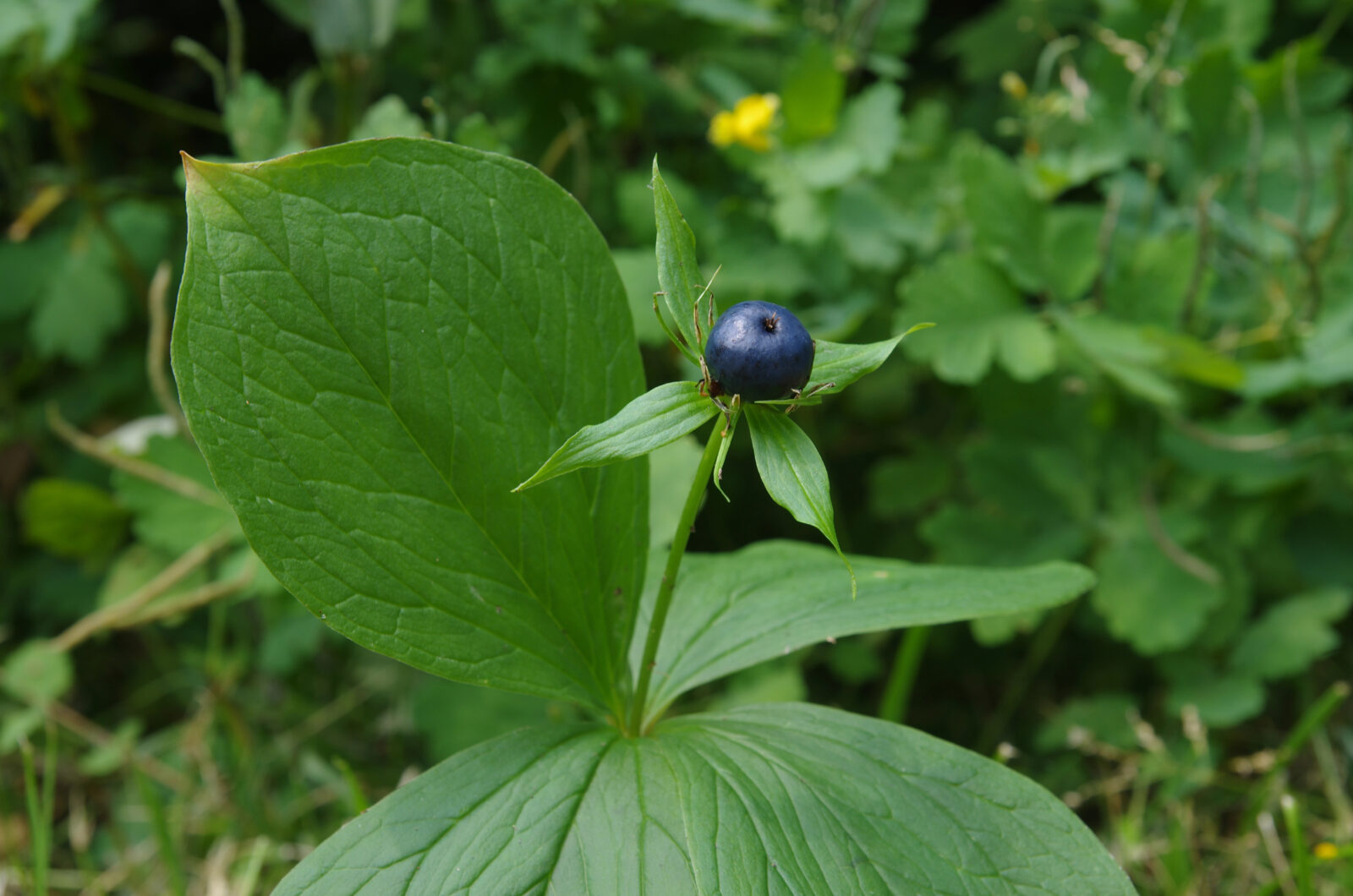
Another plant that can be confused with bilberry is herb-paris. Its fruit can look like a blueberry, yet poisonings are reported less often. The reason is simple: the berry tastes extremely unpleasant, so a child usually won’t eat much of it. That doesn’t mean the plant is safe. The toxin acts sharply and may cause nausea, vomiting, and visual disturbances.
If ingestion does occur, general weakness, diarrhoea, severe headache, and repeated vomiting may follow. Even though this is a species that, because of its taste, is often not eaten in larger amounts, it’s still sensible to treat any herb-paris found near children’s play areas as a warning and to teach children that similar fruits are not to be picked or tasted without supervision.
Mezereon, the risk can start with the flowers
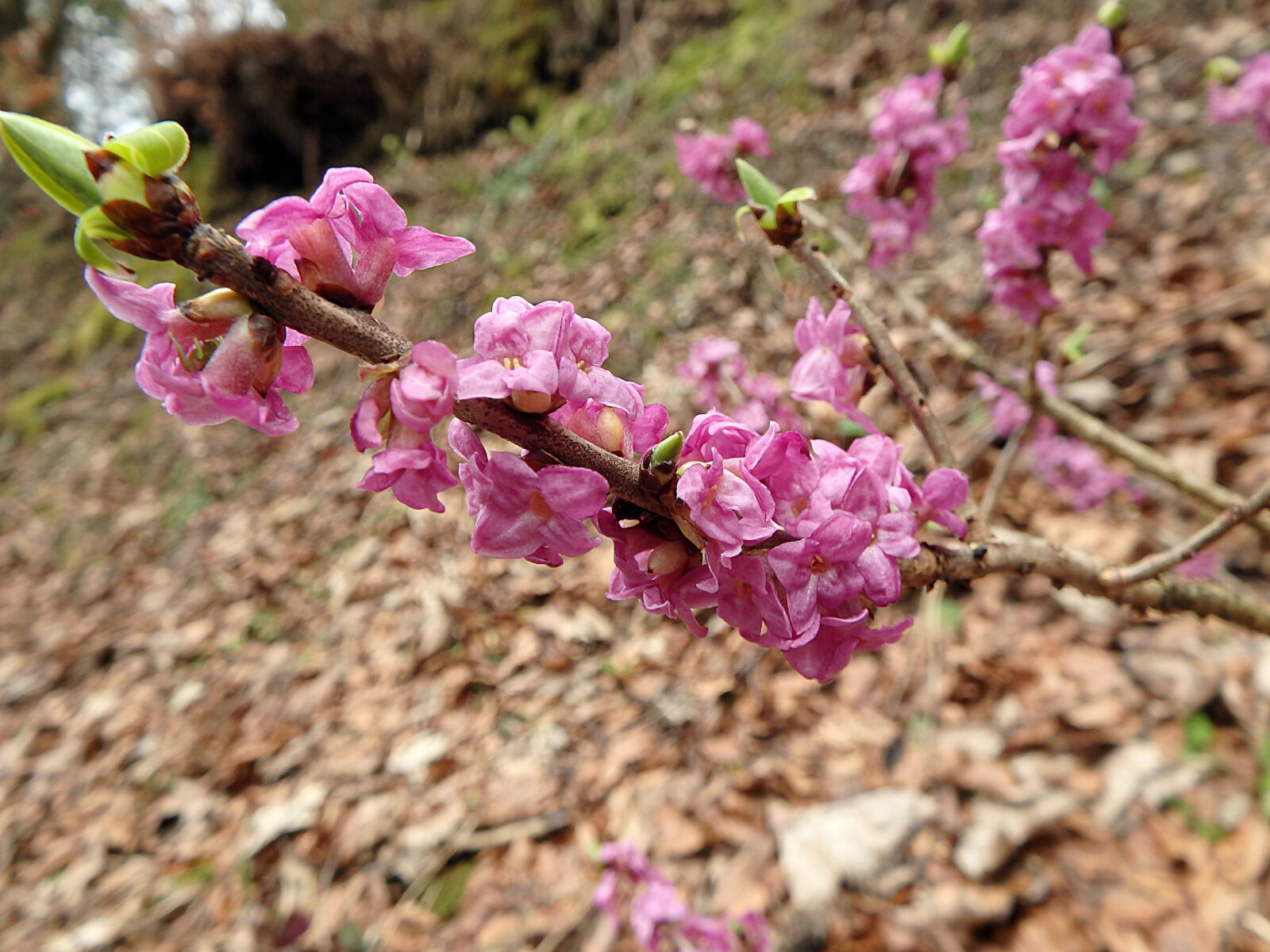
Mezereon is dangerous partly because it is quite often grown in gardens as an ornamental shrub. Many people don’t realise that every part of it is poisonous. Not only the fruits can be problematic, but even the flowers. In more sensitive individuals, intense inhalation of the fragrance may trigger a headache, which is a sign it isn’t a suitable plant for places where small children spend time.
The main temptation for children is the fruit. Although it is usually very bitter, so children often stop after the first taste, it can still cause health problems. If ingestion is suspected, it’s essential to contact a doctor quickly and not to underestimate the situation. If you have small children at home or they visit regularly, the safest option is not to grow mezereon in the garden at all and to choose a different ornamental shrub without a similar risk.
Prevention is the most effective protection
What these plants have in common is that they can be easy to overlook or confuse with something edible. In practice, it helps to check the garden regularly, especially if children can access it, and to be cautious on trips during the season when berries ripen. It pays to remind children repeatedly of one simple rule: nothing from the woods or the garden is eaten without an adult’s permission. With highly poisonous species, even a small amount can make all the difference.
Source: Gardenery, The Spruce, Pestrazahrada.cz

A lover of nature, gardens, and everything that moves, blooms, or grows. He literally grows everything, from herbs to rare species, and he enjoys caring for animals just as much. In his work, he connects modern technology with tried-and-tested grandmotherly methods and is happy when both paths lead to the same goal.
Related articles
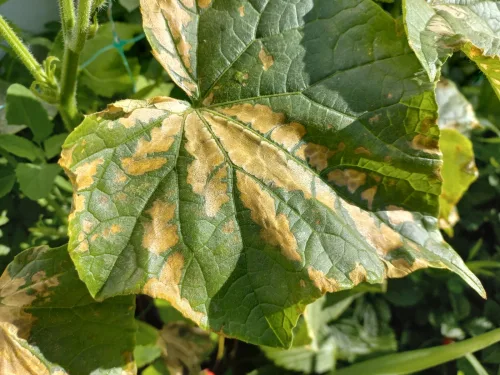
Yellowing cucumber leaves have a clear cause and with the right response plants recover quickly
Cucumber leaves turn pale and yellow when the plant is under stress—most often from watering mistakes, nutrient imbalance, or sudden temperature swings. Spot the pattern early and you can restore growth and protect your harvest fast.
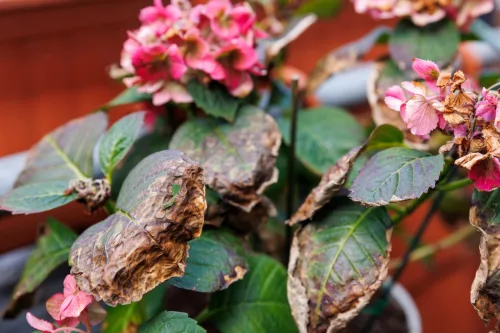
How to Get Browning Hydrangeas Back on Track Without Chemicals
Brown leaf edges or spots on hydrangeas usually point to a simple mismatch in light, watering, or airflow rather than a lost cause. Learn how to read the symptoms and restore your shrub quickly with gentle, practical fixes.
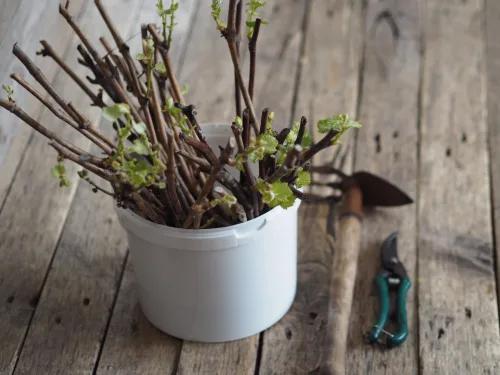
Turn Ground Cinnamon Into a Secret Weapon for Stronger, Tougher Plants
Ground cinnamon isn’t just for baking—it can help protect houseplants and garden plants from mould and fungal issues, support cuttings, and even act as quick first aid for minor wounds. Used lightly, it’s an affordable, gentle, natural add-on to good growing practice.
Comments (0)
Be the first to comment.